
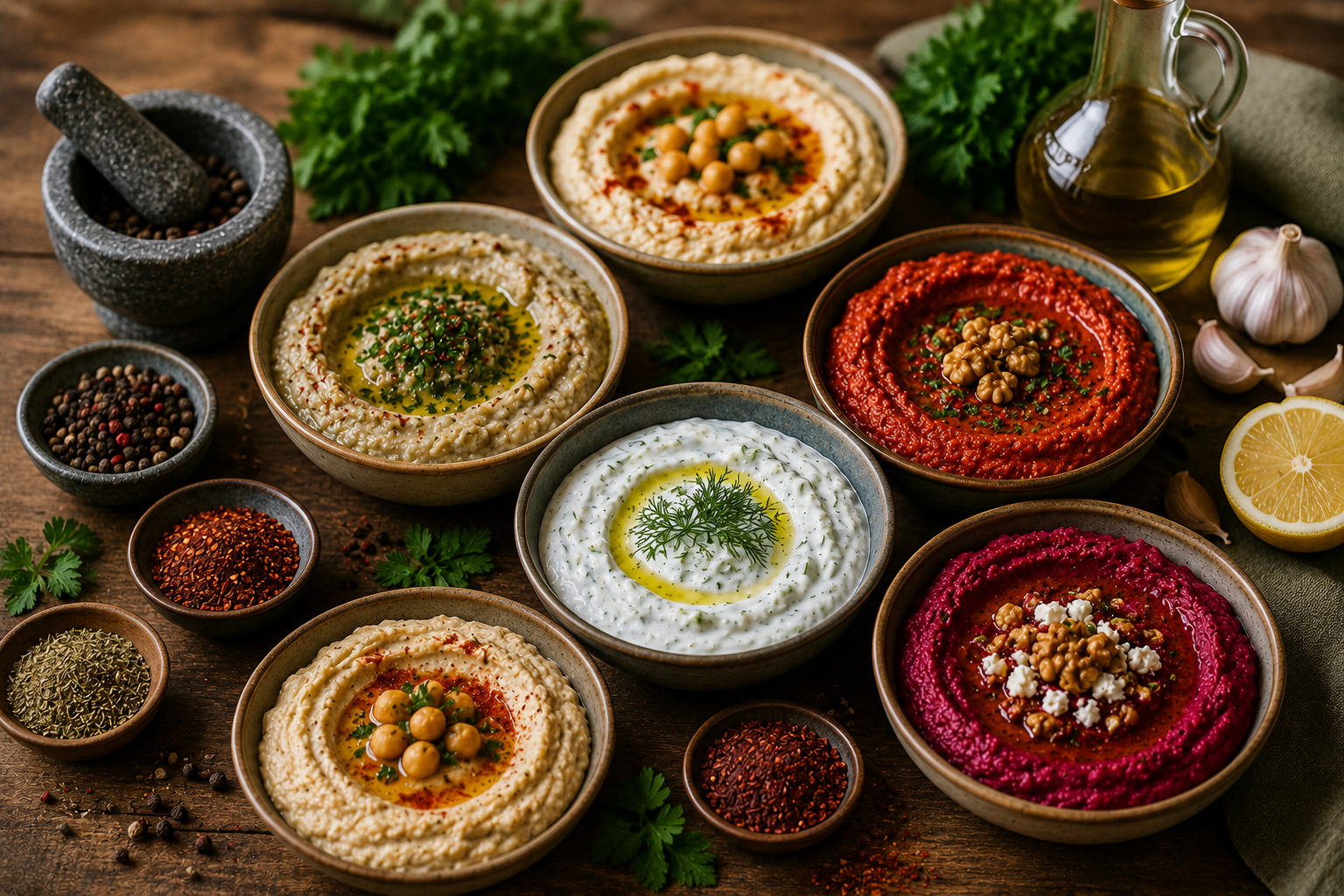
Creating the right spice balance in homemade mezze is one of the most important elements that shape the overall flavour of a dish. Not only the type of spice, but also the quantity, timing, and interaction with other ingredients directly affect the final result. In yoghurt-based, olive oil-based, or roasted vegetable mezze, excessive or poorly balanced seasoning can easily overpower the natural character of the dish.
Spices in mezze are not used only to create heat or intensity. Some spices highlight the flavour of the main ingredients, while others work subtly in the background to support the overall structure. Sumac, cumin, pul biber, dried mint, and isot are among the most commonly used spices in traditional mezze recipes.
The correct use of spices depends heavily on the ingredients used in the recipe. Yoghurt mezze usually require lighter and fresher spice profiles, while roasted vegetables pair better with deeper and smokier aromas. Because of this, using the same spice ratio in every mezze recipe rarely creates balanced results.
The amount of olive oil, lemon juice, and the density of the main ingredient also influence how spices are perceived. Since flavours develop differently when combined, the order in which spices are added can be just as important as the spices themselves.
Which Spices Are Most Commonly Used in Homemade Mezze?
Sumac is one of the most widely used spices in homemade mezze. Its lightly tangy profile works especially well in onion-based and olive oil mezze, helping create a fresher and more balanced flavour structure. It is frequently used in dishes such as kisir, piyaz, and yoghurt-based appetisers.
Cumin is another essential spice in traditional mezze. In hummus, acuka, and roasted vegetable dips, cumin adds warmth and depth. However, because of its strong aroma, the quantity must be adjusted carefully so it does not dominate the recipe.
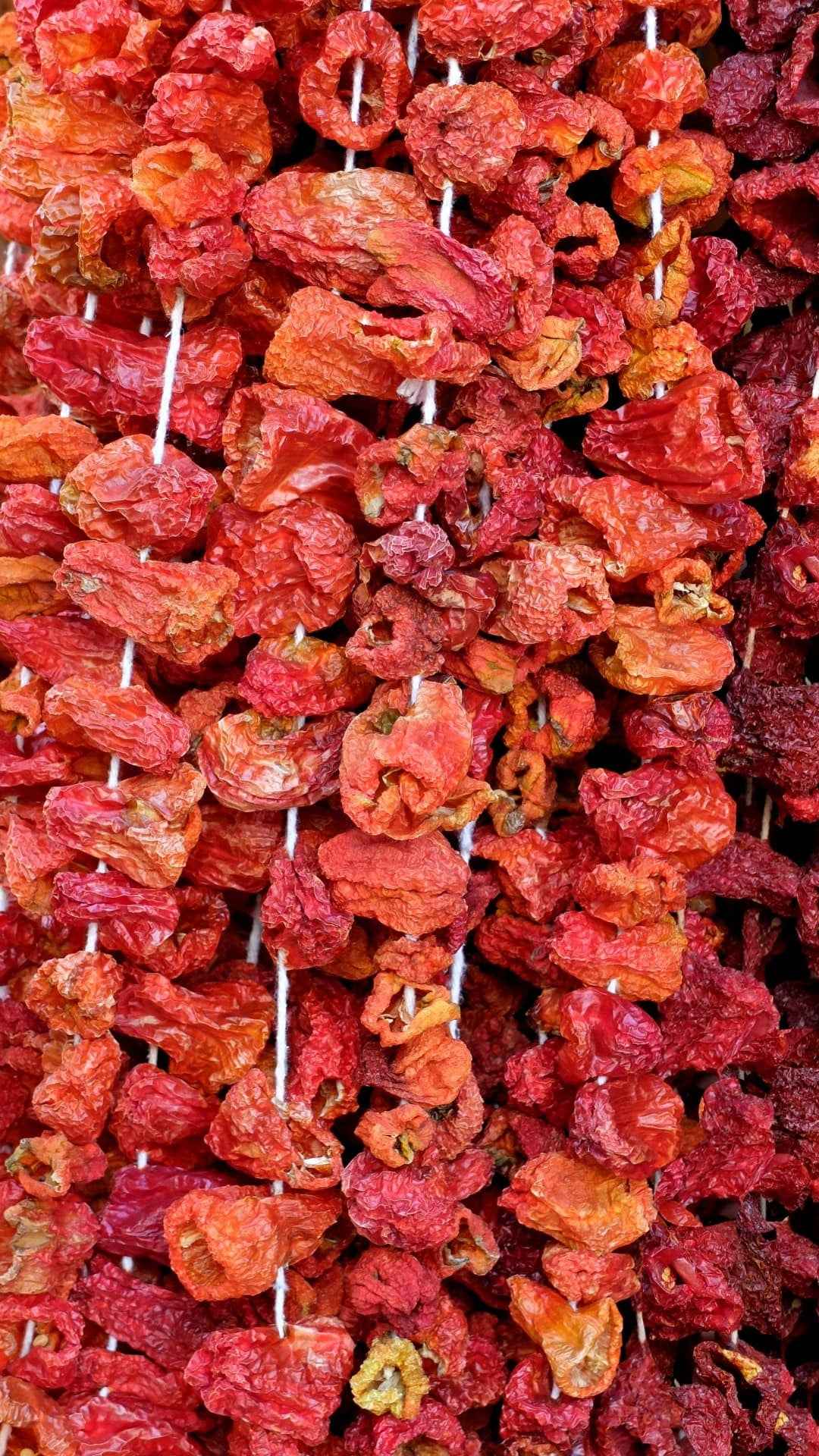
Pul biber and isot are commonly preferred in spicy mezze. Isot offers a darker and slightly smoky flavour profile, while pul biber creates a brighter and sharper heat. When both spices are used together, maintaining balance becomes especially important.
Dried mint is frequently added to yoghurt mezze such as haydari. It brings freshness and softens the richness of yoghurt-based recipes. Black pepper and oregano may also be used to support the overall flavour profile.
How Does Spice Quantity Change in Yoghurt, Spicy, and Olive Oil Mezze?
In yoghurt-based mezze, spices are usually used more carefully because yoghurt can intensify certain aromas quickly. Small amounts of dried mint, garlic, or pul biber are often enough to achieve balanced flavour.
In spicy mezze, spice selection is not only about creating heat. Isot, cumin, and pul biber must work together without masking the taste of the main ingredients. Excessive spice can overpower the entire dish.
Olive oil mezze generally work better with lighter and more aromatic spices. Sumac, oregano, and black pepper complement olive oil without overwhelming the dish. In recipes that include lemon juice, sumac often creates a smoother flavour transition.
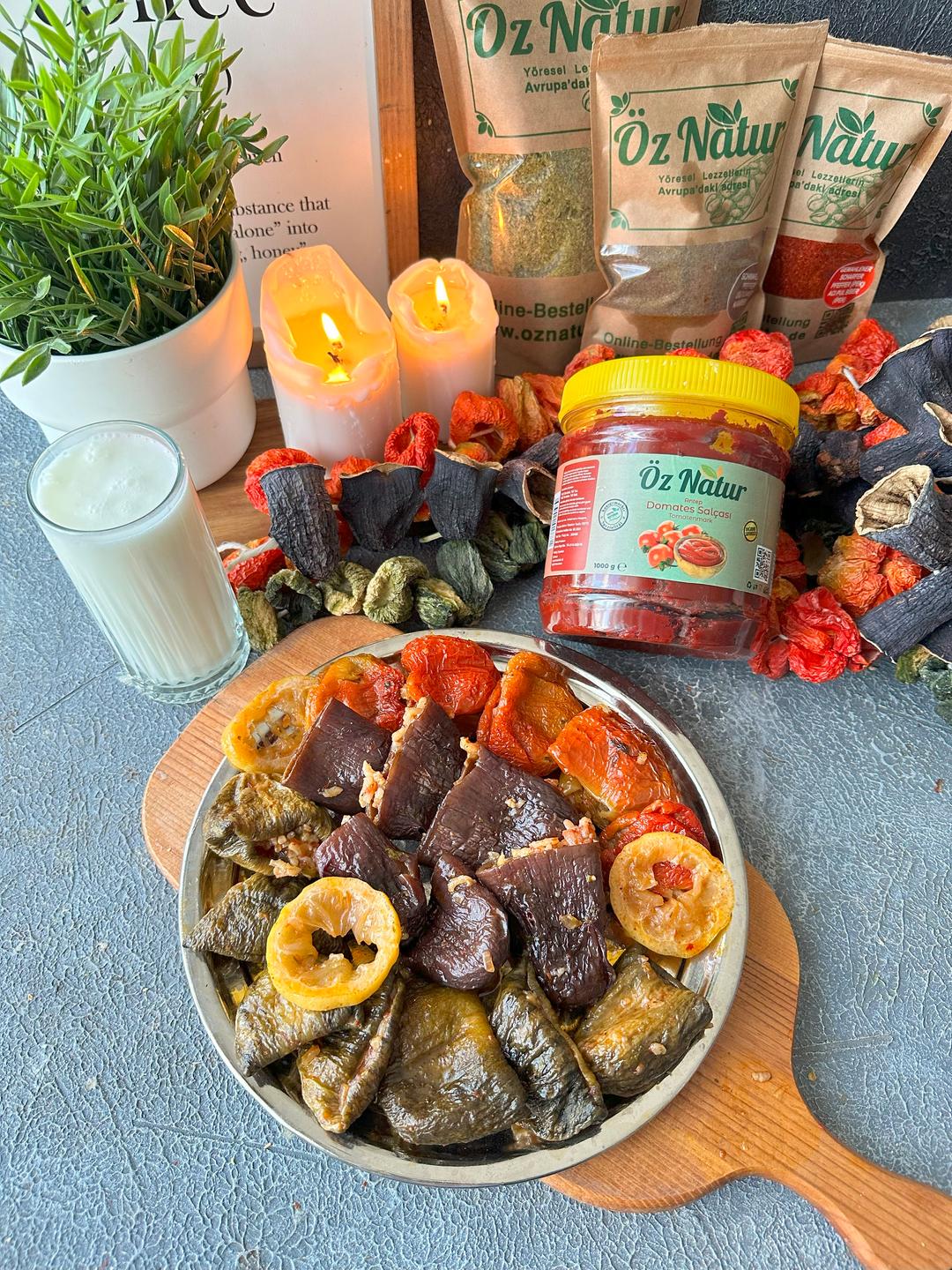
Roasted aubergine or roasted pepper mezze may benefit from stronger spices such as cumin or isot. However, the amount should still allow the roasted vegetable aroma to remain noticeable.
What Should Be Considered to Balance Spice Aromas in Mezze?
The first factor to consider when balancing spices is the character of the main ingredient. In aubergine mezze, for example, too much spice can completely hide the smoky roasted flavour. Spices should support the core ingredient rather than dominate it.
The timing of spice addition also affects the final aroma. Some spices become more noticeable when added just before serving, while others blend more naturally when incorporated during preparation.
Fat content also changes the perception of spices. In olive oil-based mezze, spice aromas often feel more evenly distributed, while yoghurt-based dishes can make spices taste more concentrated. This means the same spice quantity may create very different effects depending on the recipe.
To avoid spices overpowering one another, many recipes rely on one dominant aromatic profile supported by secondary spices. For example, using too much cumin in a recipe already centred around isot may create an unbalanced flavour structure. The goal is always harmony between all elements.