
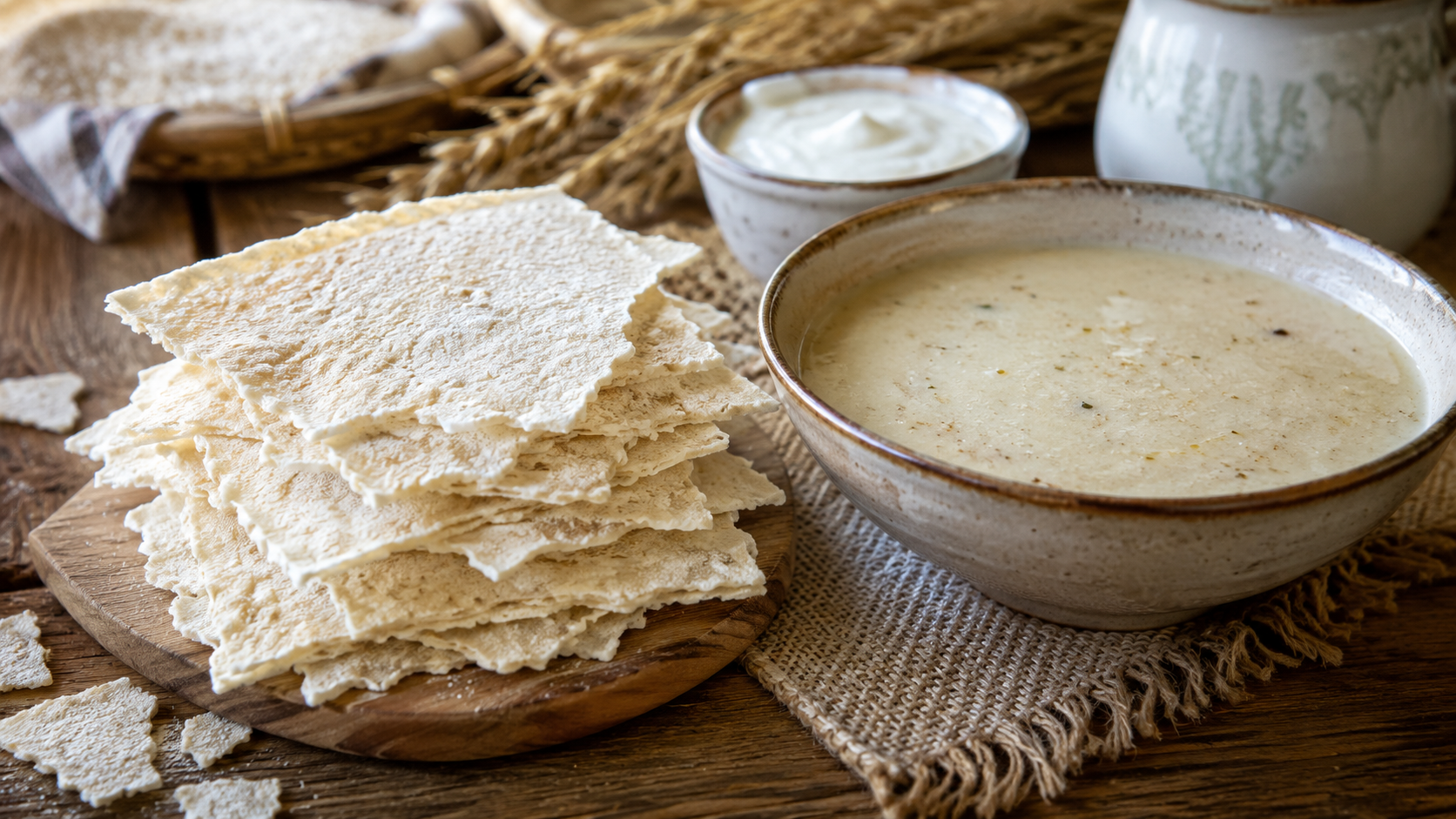
Maraş tarhana is a traditional product that can be consumed as soup, as a snack, or as part of different table presentations. Its structure is different from classic powdered tarhana. It is usually dried in thin layers, which makes it suitable both for cooking and for direct snacking. Its slightly tangy aroma, yogurt-based structure, and dried texture make it a versatile product.
The most familiar way to consume Maraş tarhana is as soup. It can be cooked with water or broth to create a thick, traditional soup. It can also be broken into small pieces and eaten dry as a snack. In some settings, it is served with tea, while in others it can be paired with yogurt or lightly seasoned accompaniments. For this reason, Maraş tarhana should not be seen only as a soup ingredient.
The consumption method should be chosen according to the thickness and dryness of the tarhana. Thinner and crispier pieces are more suitable for direct snacking, while thicker pieces usually work better in soup. If it will be cooked as soup, the tarhana should soften properly either by soaking beforehand or by cooking long enough. If it will be eaten as a snack, the pieces should not be too hard.
Maraş tarhana can be served with different complementary products. When served as soup, it can be paired with butter, mint, red pepper flakes, or plain yogurt. When served as a snack, it can be paired with tea, ayran, yogurt-based sauces, or lightly spiced dips. In this way, the same product can be used in different meals and presentations.
How Is Maraş Tarhana Traditionally Prepared and Served?
Maraş tarhana is traditionally prepared with yogurt, cracked wheat, and regional preparation methods, then dried for later use. Its most important difference from classic tarhana is its form. It is generally dried in thin sheets or pieces. This structure allows it to be used both as a soup base and as a snack. Its dried form also makes it practical to store and serve.
In traditional serving styles, Maraş tarhana can be used in different ways. When cooked as soup, it becomes soft, warm, and filling. When eaten dry, its firm or crispy texture becomes more noticeable. These two uses create very different experiences. Soup gives a soft and warm result, while dry consumption highlights the dried texture of the product.
Before serving, Maraş tarhana should be prepared according to its intended use. If it will be made into soup, the pieces can be broken smaller and soaked for a while before cooking. This helps the tarhana soften and blend more easily. If it will be eaten directly, it should be broken into practical serving pieces. Very large pieces may feel too hard, while smaller pieces are easier to eat.
Maraş tarhana can be served plain or with complementary ingredients. As soup, it can be finished with melted butter and spices. As a dry snack, it can be served with ayran, tea, or yogurt sauce. This makes it possible to present a traditional product in both classic and practical everyday ways.
How Is Maraş Tarhana Consumed as Soup?
When Maraş tarhana is consumed as soup, it should first be broken into suitable pieces. Thick pieces may take longer to soften if they are added directly to the pot. For this reason, soaking the tarhana in water for a while before cooking can help create a more even consistency. The soaking time may change depending on the thickness and dryness of the pieces.
During cooking, Maraş tarhana should be cooked slowly and stirred regularly. Stirring helps prevent it from sticking to the bottom of the pot or forming lumps. If a thicker soup is desired, more tarhana can be used. For a more fluid texture, the water amount can be increased. The important point is that the tarhana softens completely and forms a smooth soup texture.
Maraş tarhana soup can be prepared plain or supported with spices. Mint, red pepper flakes, and butter are common additions in traditional soup presentations. Spices can be added during cooking or used with melted butter at the serving stage. This choice changes the aroma intensity of the soup.
Before serving, the consistency should be checked again. Since the soup may thicken as it rests, a small amount of hot water can be added if needed. When served hot, the aroma of Maraş tarhana becomes more noticeable. It can be served with bread, pickles, or a simple salad as part of a main meal.
How Can Maraş Tarhana Be Used as a Snack?
One of the most distinctive features of Maraş tarhana is that it can also be eaten dry as a snack. Thin dried pieces can be broken into smaller parts and served during tea time, between meals, or in simple table presentations. In this form, the crispy texture and characteristic aroma of the product become more prominent. Being able to eat it without cooking makes it more practical.
The hardness level is important when Maraş tarhana is used as a snack. Very thick or very hard pieces may not be suitable for direct eating. Thinner and crispier pieces can be served in small bites. If the tarhana is too hard, it can be left briefly in a slightly humid environment to soften a little, but it should not be fully soaked. Otherwise, it may lose its crisp texture.
Maraş tarhana can be eaten plain as a snack or served with different sauces. Yogurt-based sauces, lightly spiced dips, or simple mixtures prepared with olive oil and spices can accompany it. However, the sauces should not be too strong. The distinctive taste of Maraş tarhana should remain noticeable.
When served with tea, ayran, or plain drinks, Maraş tarhana becomes a more balanced snack. In small serving bowls, it can also be offered as a traditional and different option for guests. This use shows that the product is not only for soup but can also be included in daily snacking.
Which Products Can Be Served with Maraş Tarhana?
When Maraş tarhana is served as soup, it can be paired with bread, pickles, salad, or yogurt. Since the soup has a strong and traditional aroma, very heavy side dishes are not necessary. Simpler accompaniments help keep the tarhana flavor clear. Pickles, with their tangy character, can create an interesting balance on the table.
As a snack, Maraş tarhana can be served with tea, ayran, yogurt sauces, or lightly spiced dips. Small pieces of tarhana can also be placed on a serving plate next to nuts or other traditional snacks. However, instead of combining too many products, choosing a few suitable accompaniments creates a cleaner presentation.
Maraş tarhana can also be paired with yogurt. Small pieces can be served with plain yogurt or a lightly seasoned yogurt sauce. The soft texture of yogurt creates a balanced contrast with the dry texture of tarhana. This is especially practical for snack plates.
Before serving, the role of Maraş tarhana on the table should be decided. It can be added to a main meal as soup, served during tea time as a snack, or included in a traditional product plate in small pieces. Thanks to this flexibility, Maraş tarhana can be used in different meals and serving styles.