
Cinnamon is one of the most familiar spices used in milk desserts and drinks to add aroma, fragrance, and presentation appeal. Rice pudding, muhallebi, pudding, warm milk drinks, coffee-based drinks, and cold beverages can all be paired with cinnamon in different ways. Since cinnamon has a strong and distinctive aroma, the amount, timing, and form used can directly affect the overall balance of the recipe.
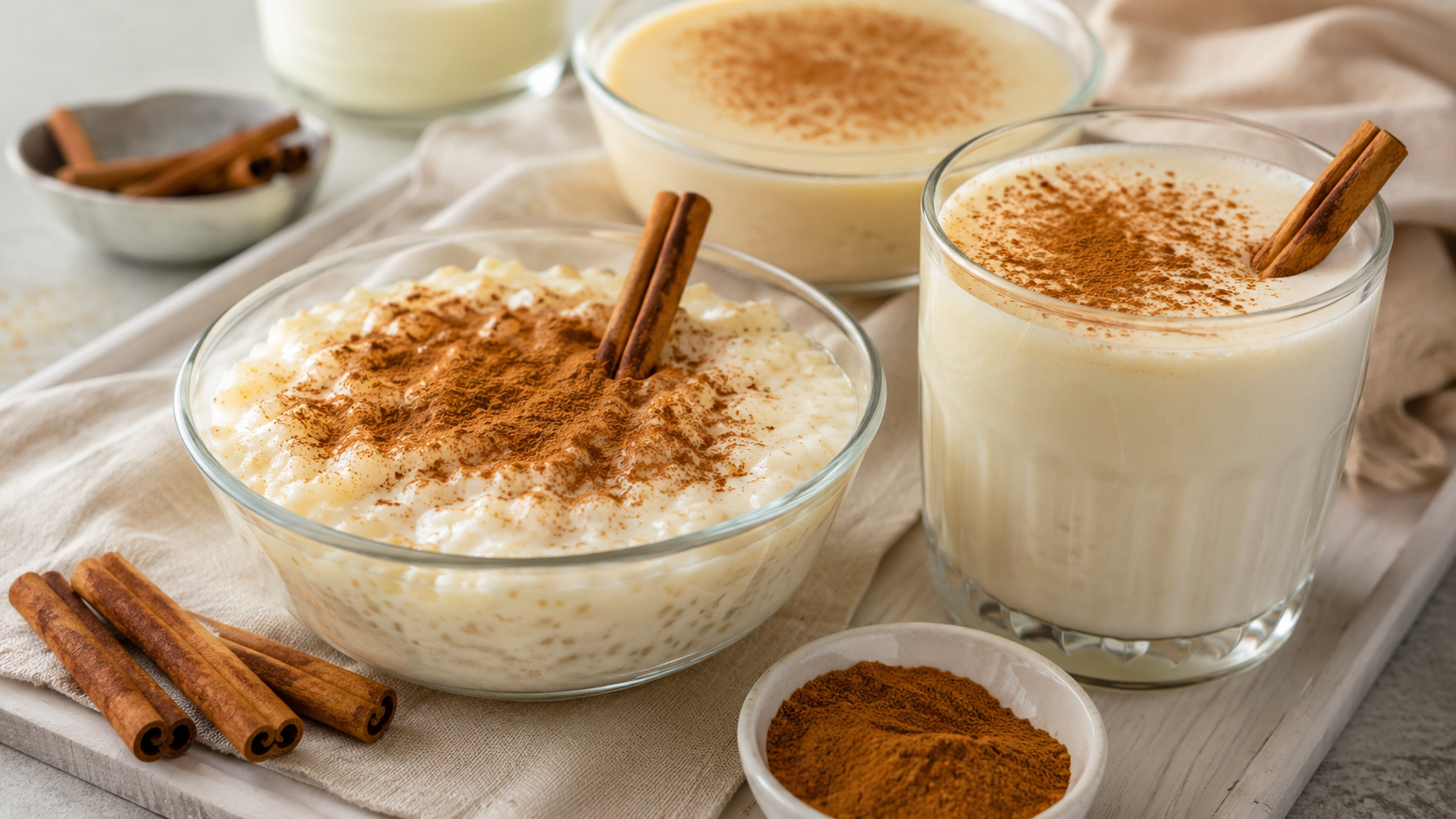
In milk desserts, cinnamon is often considered a finishing touch. It is commonly sprinkled over rice pudding, muhallebi, or pudding to add aroma and a classic appearance. However, cinnamon can also be used during the cooking process in some recipes. A cinnamon stick heated with milk gives a softer and more controlled aroma, while ground cinnamon mixed directly into the dessert creates a stronger and more noticeable flavor.
In drinks, cinnamon use changes depending on whether the drink is hot or cold. In warm milk, milk-based coffee, hot chocolate, and similar drinks, cinnamon becomes noticeable more quickly. In cold drinks, ground cinnamon may be harder to distribute and can remain on the surface. Therefore, the amount and mixing method should be adjusted carefully in cold recipes.
Other ingredients in the recipe should also be considered. Vanilla, cocoa, coffee, honey, molasses, dried fruits, walnuts, almonds, and hazelnuts can all be paired with cinnamon. However, if too many strong aromas are used together, the flavor balance may become too crowded. Cinnamon should be used as a supporting spice that complements milk desserts and drinks without overpowering them.
How Should Cinnamon Be Used for Aroma Balance in Milk Desserts?
Cinnamon should be used in moderation to create aroma balance in milk desserts. In simple milk-based desserts such as rice pudding, muhallebi, and pudding, cinnamon can be noticed very quickly. For this reason, it is often better to sprinkle it lightly on the surface before serving instead of mixing a large amount into the whole dessert. This allows the main milk flavor to remain clear.
The timing of adding cinnamon changes the result. If ground cinnamon is added during cooking, it can change both the color and aroma of the dessert more strongly. In this case, cinnamon becomes one of the main flavor elements. When it is added during serving, it mostly contributes fragrance and surface aroma. The intended effect should be clear before deciding how much cinnamon to use.
Cinnamon can be combined with vanilla, cocoa, dried fruits, or nuts in milk desserts. For example, muhallebi topped with cinnamon and walnuts creates a familiar and balanced presentation. In rice pudding, cinnamon is often enough on its own. In pudding recipes, it can create a stronger flavor when combined with cocoa or chocolate. The key point is that cinnamon should not compete with every other aroma in the recipe.
Portion size also affects the amount of cinnamon. In small bowls, a very small amount may be enough. In larger serving dishes, using a fine sieve can help spread the cinnamon evenly. If cinnamon is sprinkled too thickly or unevenly, some spoonfuls may taste too intense while others remain plain. A thin and even layer gives a more balanced result.
When Should Cinnamon Be Added to Rice Pudding, Muhallebi, and Pudding?
In rice pudding, cinnamon is usually added during serving. After the dessert is cooked and portioned into bowls, a thin layer of cinnamon is sprinkled over the surface. This method keeps the simple milk and rice flavor clear while allowing the cinnamon aroma to stand out. If ground cinnamon is added while cooking, the color of the dessert can change and the aroma spreads through the entire mixture.
In muhallebi, cinnamon use is more flexible. It can be sprinkled on top before serving, or a cinnamon stick can be briefly heated with the milk and then removed. This gives a lighter aroma without changing the color of the dessert too much. If ground cinnamon is mixed directly into the muhallebi, the flavor becomes more intense and more visible in the mixture.
In pudding recipes, the timing depends on the main flavor. In cocoa pudding, a small amount of cinnamon can complement the cocoa. In vanilla pudding, cinnamon is more noticeable, so the amount should be adjusted carefully. Sprinkling it during serving is usually more controlled than mixing it into the pudding during cooking.
In all three desserts, the timing depends on the desired result. If cinnamon flavor is meant to spread through the whole dessert, a cinnamon stick can be used during cooking. If only fragrance and a surface effect are desired, ground cinnamon can be added at the serving stage. In both cases, the amount should remain moderate so the milk-based dessert keeps its main character.
How Does Cinnamon Use Change in Hot and Cold Drinks?
In hot drinks, cinnamon spreads more quickly and becomes more noticeable. Warm milk, milk coffee, hot chocolate, and coffee-based drinks can be finished with a small amount of ground cinnamon. Heat helps the aroma move into the drink faster. For this reason, even a small amount can be enough. Too much cinnamon can easily dominate the drink.
A cinnamon stick offers more control in hot drinks. When it is placed in milk or a hot beverage for a short time, it releases a milder aroma. If it stays in the drink too long, the flavor can become stronger. The steeping time should therefore be adjusted according to the drink. For a light aroma, brief contact is usually sufficient.
In cold drinks, ground cinnamon is harder to distribute. In cold milk, iced coffee, or other cold beverages, cinnamon may stay on the surface or form small clumps. It should be used sparingly and, if possible, mixed first with a small amount of liquid before being added to the drink. This helps it spread more evenly.
In cold drinks, a cinnamon stick usually works through a longer infusion time. The aroma develops more slowly than in hot drinks. It can also serve as a decorative element in presentation. However, if it is expected to noticeably affect the flavor, it needs more time. This is why cinnamon use differs clearly between hot and cold beverages.
What Is the Difference Between Cinnamon Stick and Ground Cinnamon?
The main difference between cinnamon stick and ground cinnamon is intensity and control. A cinnamon stick releases its aroma more slowly. When it is heated with milk or briefly steeped in a warm drink, it creates a softer result. It is a more controlled choice when you want to add cinnamon fragrance without strongly changing the color or taste of the recipe.
Ground cinnamon works faster and more strongly. When sprinkled on a dessert, its aroma is noticed immediately and the surface gains a classic look. If a large amount is mixed directly into a milk-based dessert, it can darken the color and make the flavor more dominant. For this reason, ground cinnamon should be used carefully.
A cinnamon stick can be removed after cooking or steeping. This makes it easier to control the strength of the aroma. Ground cinnamon, on the other hand, remains in the recipe once added. It is better to start with a small amount and add more during serving if needed. This helps protect the balance of the dessert or drink.
The two forms also create different presentation effects. Ground cinnamon is suitable for the surface of rice pudding, muhallebi, pudding, and drinks. A cinnamon stick works especially well as an elegant serving detail in warm beverages. The best choice depends on the recipe, desired intensity, and presentation style.