

Homemade Çiğ Köfte can be prepared without raw meat by kneading fine bulgur with tomato paste, red pepper paste, isot pepper, onion, spices, and a carefully controlled amount of water. The key to making meatless Çiğ Köfte is softening the bulgur evenly and developing a mixture that holds together when shaped. The finished mixture should be firm enough to retain the distinctive finger-pressed shape without becoming dry, crumbly, or excessively stiff.
Traditional Çiğ Köfte recipes vary according to regional preferences and preparation techniques. For home cooking, the meatless version offers a practical approach using ingredients commonly found in Turkish kitchens. Fine bulgur forms the base, while tomato paste, pepper paste, isot, and other seasonings create the characteristic flavor. Olive oil, lemon juice, and pomegranate molasses may also be added depending on the recipe.
For approximately four servings, a basic recipe can begin with two cups of fine bulgur, one tablespoon each of tomato and red pepper paste, one small onion, two to three tablespoons of isot, two tablespoons of olive oil, some cumin, salt, and water added as needed. Lemon juice or pomegranate molasses can be included according to preference. These quantities are starting points rather than fixed requirements, as the saltiness of the pastes, heat of the isot, and water absorption of the bulgur can vary.
Making Çiğ Köfte involves more than simply combining the ingredients. The way water is added to the bulgur, the kneading technique, and the consistency of the mixture all determine the result. Too much water can make the mixture loose and difficult to shape, while insufficient kneading may prevent the ingredients from binding properly. Once prepared, meatless Çiğ Köfte is commonly served with lettuce leaves, lemon wedges, and thin flatbread.
What Ingredients Are Needed to Make Çiğ Köfte at Home?
The main ingredients for homemade meatless Çiğ Köfte are fine bulgur, tomato paste, red pepper paste, isot pepper, onion, cumin, salt, and water. Depending on the recipe, olive oil, lemon juice, pomegranate molasses, and other spices may also be added. The bulgur provides the structure, while the pastes contribute color, moisture, and flavor. Isot gives the mixture its characteristic pepper aroma and varying levels of heat.
Choosing the correct bulgur is particularly important. Fine bulgur intended for making köfte softens during kneading and combines more easily with the other ingredients. Coarse bulgur, generally used for pilaf, takes longer to soften and may remain too grainy. As a result, the mixture may not bind together properly or hold its shape when pressed. Fine köftelik bulgur is therefore the preferred option for this preparation.
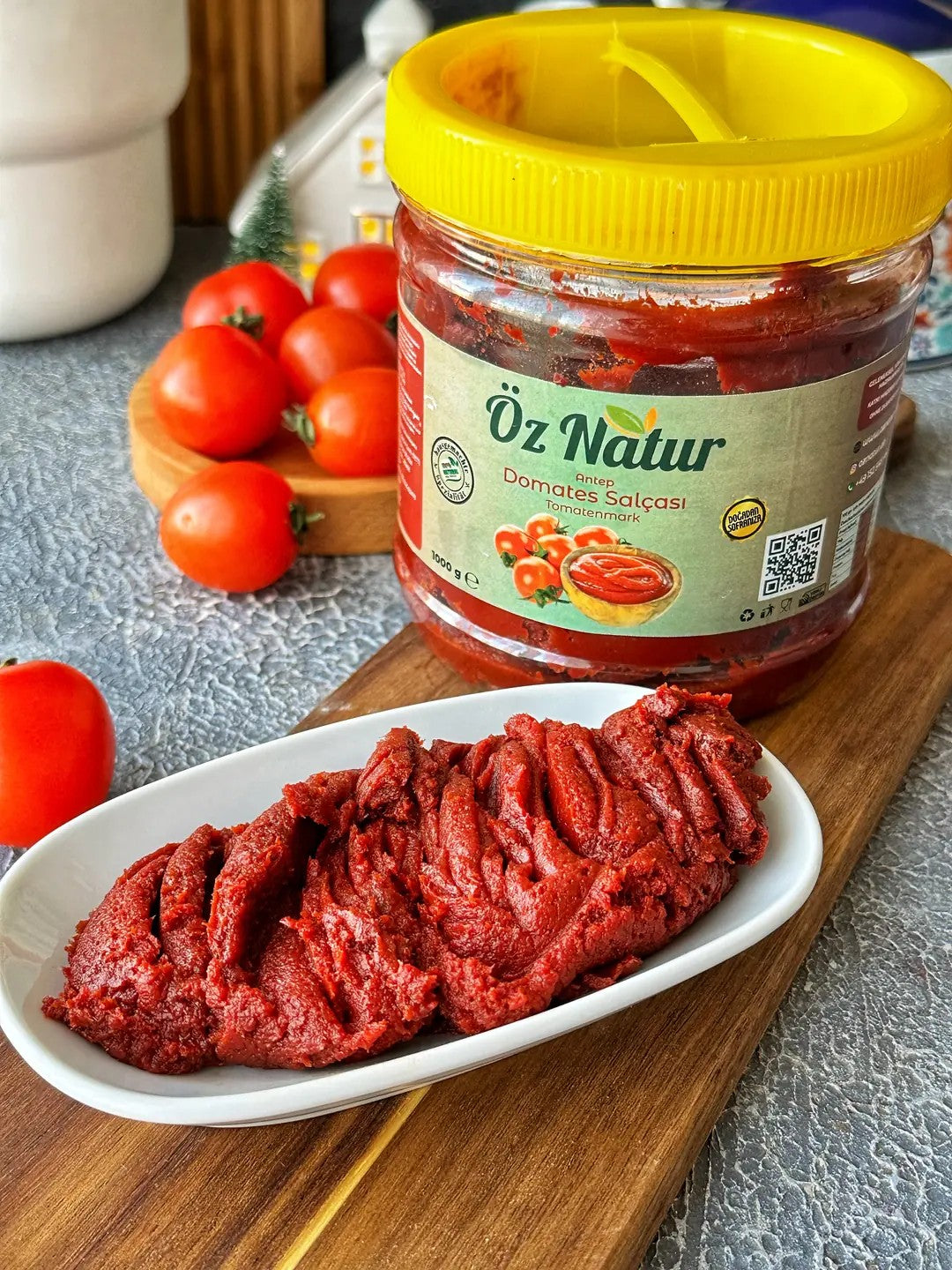
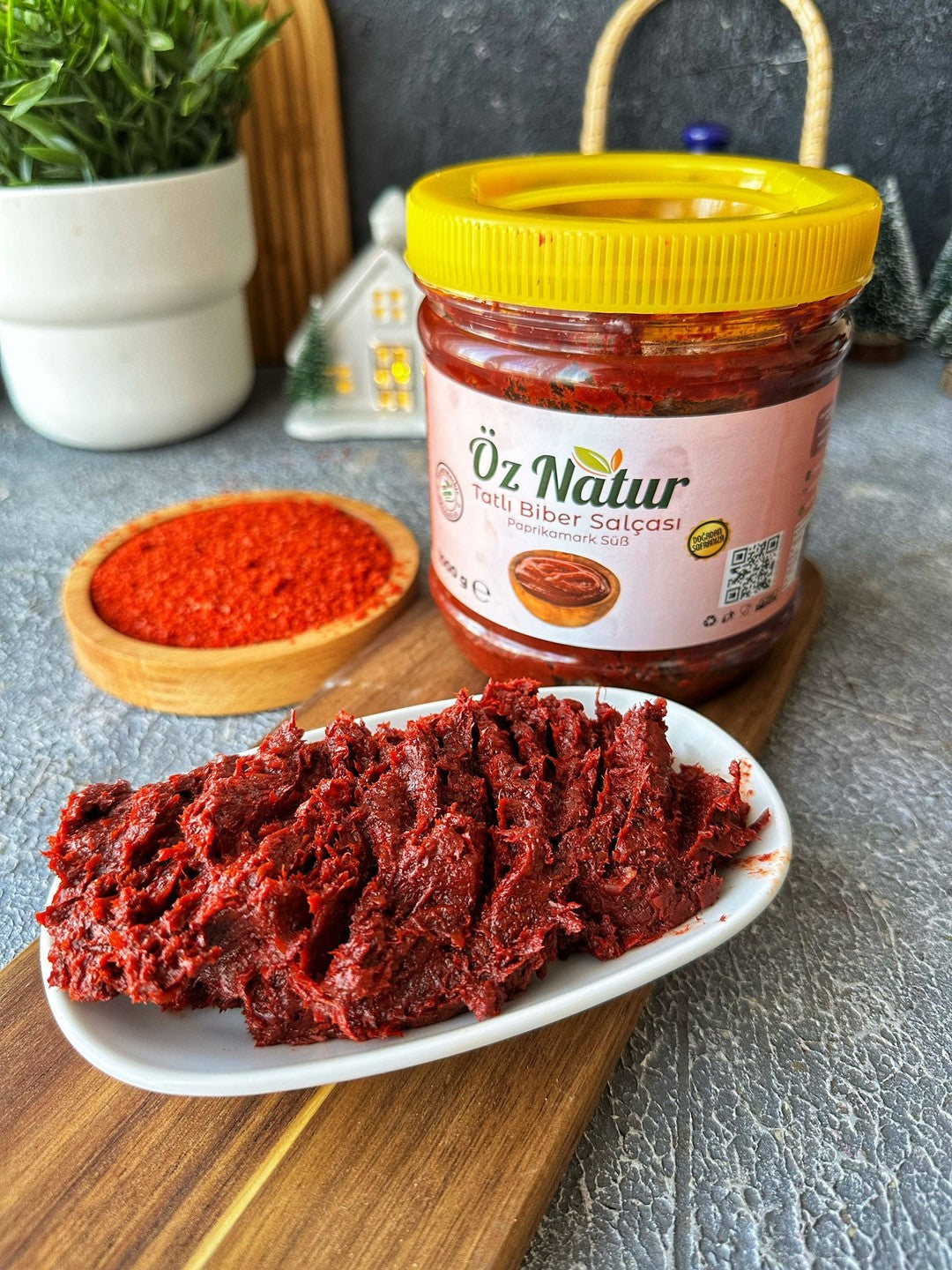
The consistency and salt content of the pastes also affect the result. Tomato paste contributes a pronounced tomato flavor, while red pepper paste adds depth and intensity. If the pastes already contain substantial salt, the amount of additional salt should be reduced. Red pepper paste may be mild or spicy, so its heat level should be considered alongside the isot and any other peppers used in the recipe.
Onion should be finely grated or crushed so that it blends evenly into the mixture. Large onion pieces can interrupt the texture and make shaping more difficult. Some recipes also include garlic. Olive oil helps the ingredients combine and contributes to the overall flavor. Lemon juice and pomegranate molasses should be added carefully so their acidity complements rather than overwhelms the taste of the bulgur and spices.
How Should Bulgur Be Prepared for Çiğ Köfte?
Before preparing Çiğ Köfte, the fine bulgur should be checked for any foreign particles. If packaged bulgur is used, the manufacturer's preparation instructions should be followed. Some products may benefit from a brief rinse, but prolonged washing or soaking is not suitable for every recipe. Very fine bulgur can absorb excessive moisture and become too soft before kneading begins.
In practical homemade recipes, fine bulgur can be lightly moistened with hot water before mixing. The bulgur is placed in a wide bowl, and water is added gradually rather than poured in all at once. The bowl may then be covered briefly to allow the grains to absorb moisture. However, the bulgur should not become mushy at this stage. Because it continues to soften during kneading, a slightly firm texture can be useful at the beginning.
Some traditional preparation methods do not involve fully soaking the bulgur in advance. Instead, the grains are softened gradually during kneading as tomato paste, pepper paste, seasonings, and small amounts of water are incorporated. This technique can require more time and careful handling. The most suitable approach depends on the fineness of the bulgur, the equipment available, and the particular recipe being followed.
The texture can be checked by pressing a small amount of the prepared bulgur between the fingers. If the grains remain too hard, a little more water can be added during kneading. If the mixture is already very soft, additional water may make shaping difficult. The desired consistency is moist and pliable rather than runny. For this reason, the amount of water should be adjusted according to how much the bulgur actually absorbs.
How Can You Achieve the Right Texture and Spice Balance When Kneading Çiğ Köfte?
To achieve the right consistency, the ingredients should be combined gradually. The prepared bulgur, tomato paste, red pepper paste, finely grated onion, and spices can be placed in a large mixing bowl. The mixture is then kneaded and pressed with the palms to distribute the pastes evenly and soften the bulgur further. If the mixture feels dry, water should be added in small quantities while kneading continues.
The required kneading time varies depending on how the bulgur was prepared. Bulgur that has been briefly moistened in advance may form a cohesive mixture more quickly. Recipes in which the grains absorb water primarily during kneading often take longer. Rather than following a fixed number of minutes, the texture should be checked throughout the process. A small portion should hold together when squeezed in the palm without immediately falling apart.
Balancing the seasonings is equally important. Isot varies in both heat and aroma depending on the product, so adding a small amount initially makes it easier to control the final flavor. More can be incorporated gradually if needed. Cumin, chili flakes, and other spices should also be used in appropriate proportions. The objective is not simply to make Çiğ Köfte as spicy as possible, but to create a balanced combination of bulgur, pepper, tomato, and aromatic seasonings.
Lemon juice and pomegranate molasses can add acidity that complements the other ingredients. However, using too much of either can make the mixture excessively sour. Liquid seasonings also affect texture, so they are best incorporated gradually toward the end of kneading. Olive oil can be added during the later stages to help make the mixture smoother and easier to shape.
If the mixture remains too dry, a small amount of water can be added and kneaded in thoroughly. If it becomes too soft, immediately adding a large quantity of dry bulgur may not produce a good result because the new grains might not soften evenly. Allowing the mixture to rest briefly can give the existing bulgur more time to absorb moisture. The consistency can then be checked again before making any further adjustments.
How Should Homemade Çiğ Köfte Be Shaped and Served?
Homemade Çiğ Köfte should be shaped after the ingredients have been thoroughly combined and the mixture has reached the desired consistency. Small portions are taken into the palm and squeezed gently with the fingers to form elongated pieces. The characteristic finger marks on the surface are part of the traditional presentation. For these shapes to remain intact, the mixture must be neither too dry nor excessively wet.
Hands should not be soaked with too much water during shaping. Excessive moisture can soften the outer surface and cause the pieces to lose their form. If the mixture sticks heavily to the hands, its consistency should be checked before adding more water. A properly prepared mixture should hold together when squeezed and remain intact after being placed on a serving plate. Making the portions approximately the same size also creates a more consistent presentation.
Çiğ Köfte is traditionally served with lettuce, parsley, lemon wedges, and thin flatbread such as lavaş. Lettuce leaves should be thoroughly washed and drained before being placed on the serving plate. The shaped pieces can then be arranged on or beside the leaves. Lemon juice and pomegranate molasses may be offered separately, depending on how much was used during preparation. This allows the acidity to be adjusted according to individual taste.
Homemade meatless Çiğ Köfte is best served fresh. Because the mixture contains raw onion and other moist ingredients, it should not be left at room temperature for extended periods. Any portions that will not be served immediately should be kept in a clean, covered container in the refrigerator at 4°C (40°F) or below. Clean utensils should be used during preparation, and lettuce and other raw vegetables should be washed thoroughly. Proper refrigeration is especially important when preparing larger quantities in advance.