








Mayi spring salt - ground & iodized 2kg


Mayi spring salt - ground 600g


Mayi spring salt - ground & iodized + salt shaker 250g


Mayi Quellsalz - grobkörnig 2kg


Liquid swelling agent 150ml

Mayi Grobkörniges Quellsalz 500g

Collection:
Mayi Salt
Mayi natural spring salt is sourced from naturally saline water springs in the Delice region of Kırıkkale, Türkiye. The brand offers several types of salt designed for different culinary applications, including finely ground table salt, coarse pickling salt and liquid spring salt. Each variety has specific characteristics that influence how it can be used in everyday cooking, food preparation and seasoning.
The Mayi collection at Öz Natur includes iodized ground table salt, coarse salt for pickling and liquid salt in a convenient spray bottle. Different packaging sizes allow customers to choose products according to their cooking habits and household needs. Fine salt is commonly used for daily food preparation, while coarse and liquid varieties offer alternative methods of seasoning and preparing different recipes.
What Is Mayi Spring Salt and How Is It Used?
Spring salt is not produced from seawater or from rock salt deposits, but from saline springs that rise from underground. The water is evaporated in a controlled way and the remaining salt crystals are separated out. This method is an important stage that determines the grain and texture of the salt. Mayi spring salt is a kitchen salt obtained in this way and stands out for its clean, simple taste.
It has a very wide range of uses. It works well in everyday cooking, soups, baked goods, salads and meat marinades. Its plain taste allows it to balance a dish without overpowering the food's own aroma. In vegetables cooked in olive oil, sautéed vegetables and breakfast plates of tomato and cucumber in particular, it matters that the salt blends into the dish without leaving a sharp taste. For those who make bread or börek at home, a salt that distributes evenly through the dough has a direct effect on the balance of flavour.
Fine and Coarse Grain Mayi Spring Salt Varieties
Granular Mayi spring salt comes in two main options according to crystal size. Grain size determines how quickly the salt dissolves in food, what kind of texture it leaves when sprinkled over a plate and which cooking method it suits. For this reason, the two forms play slightly different roles in the kitchen.
Fine grain salt is a practical choice in the following situations:
-
In recipes such as dough, cakes and börek, where the salt needs to be distributed evenly
-
In salad dressings and cold mezes, when quick dissolving is desired
-
For use at the table in a salt cellar
-
As a finishing touch on eggs, breakfast vegetables and light dishes
Coarse grain salt, on the other hand, comes into its own in these areas:
-
In marinades for meat, chicken and fish
-
In recipes where a crisp texture is wanted, such as roasted vegetables and potatoes
-
For measured use when preparing pickles and brines
-
When it is to be freshly ground in a salt mill and served
Because both forms come from the same source, their taste is similar; the difference lies in texture and ease of use. Keeping both in the kitchen gives flexibility both during cooking and at the moment of serving.
Characteristics and Use of Mayi Liquid Salt
Mayi liquid salt is spring salt dissolved in water. Unlike solid salt, it can be added to food drop by drop or with a spray, which makes it easier to adjust the amount. Whereas solid salt melts grain by grain and concentrates in one spot, the liquid form spreads evenly across the surface. This quality makes a noticeable difference with foods where it is hard to get salt to stick to the surface, such as salads, grilled vegetables and popcorn.
Paying attention to a few points when using liquid salt is best seen not as a matter of habit but as a refinement in terms of flavour. In liquid dishes such as soups and sauces, adding it towards the end of cooking makes it easier to adjust the taste without spoiling the consistency. For salads, it can be whisked together with olive oil and lemon to make a light dressing. Kept tightly closed in a cool place, it stays easy to use for a long time. Keeping the neck of the bottle clean also prevents crystals from building up.
Choosing Mayi Spring Salt to Suit Your Needs
Choosing the right form of salt depends on the dishes you cook most often and on your personal habits in the kitchen. For someone who bakes every day, fine grain salt may be indispensable, while someone who often prepares grilled or oven dishes may find coarse grain salt more convenient. For those who want to adjust the amount of salt precisely, liquid salt is a practical option.
A few questions can guide your choice: Will the salt be used mainly during cooking, or at the table? Do you want the salt crystals to be noticeable in the texture of the dish? Is quick dissolving important in the recipes you prepare? The answers to these questions make it clear which form suits your needs best. For those who want to mix salt with spices to create their own seasoning blends, fine grain salt gives a more even result and can easily be combined with sumac, thyme or chilli flakes.
Storage conditions are similar for all three forms. Granular salts should be kept in a closed container away from moisture, as clumping can occur in a humid environment. Clumped salt does not become unusable; it can be broken up with a dry spoon and used again. Considering Mayi salts alongside the other Turkish products in your kitchen makes it easier to achieve a consistent balance of flavour in traditional recipes.
Our Bestsellers!
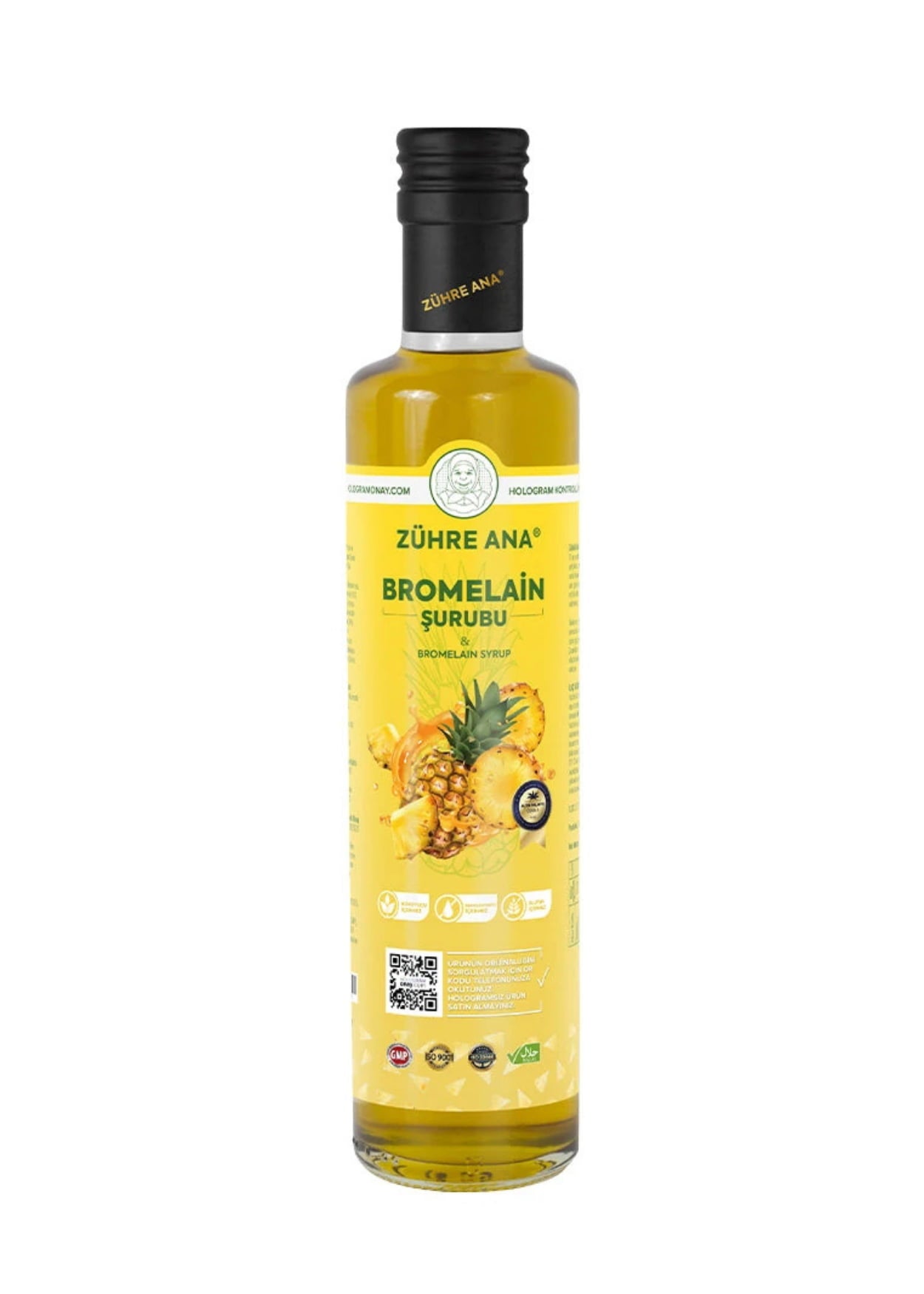
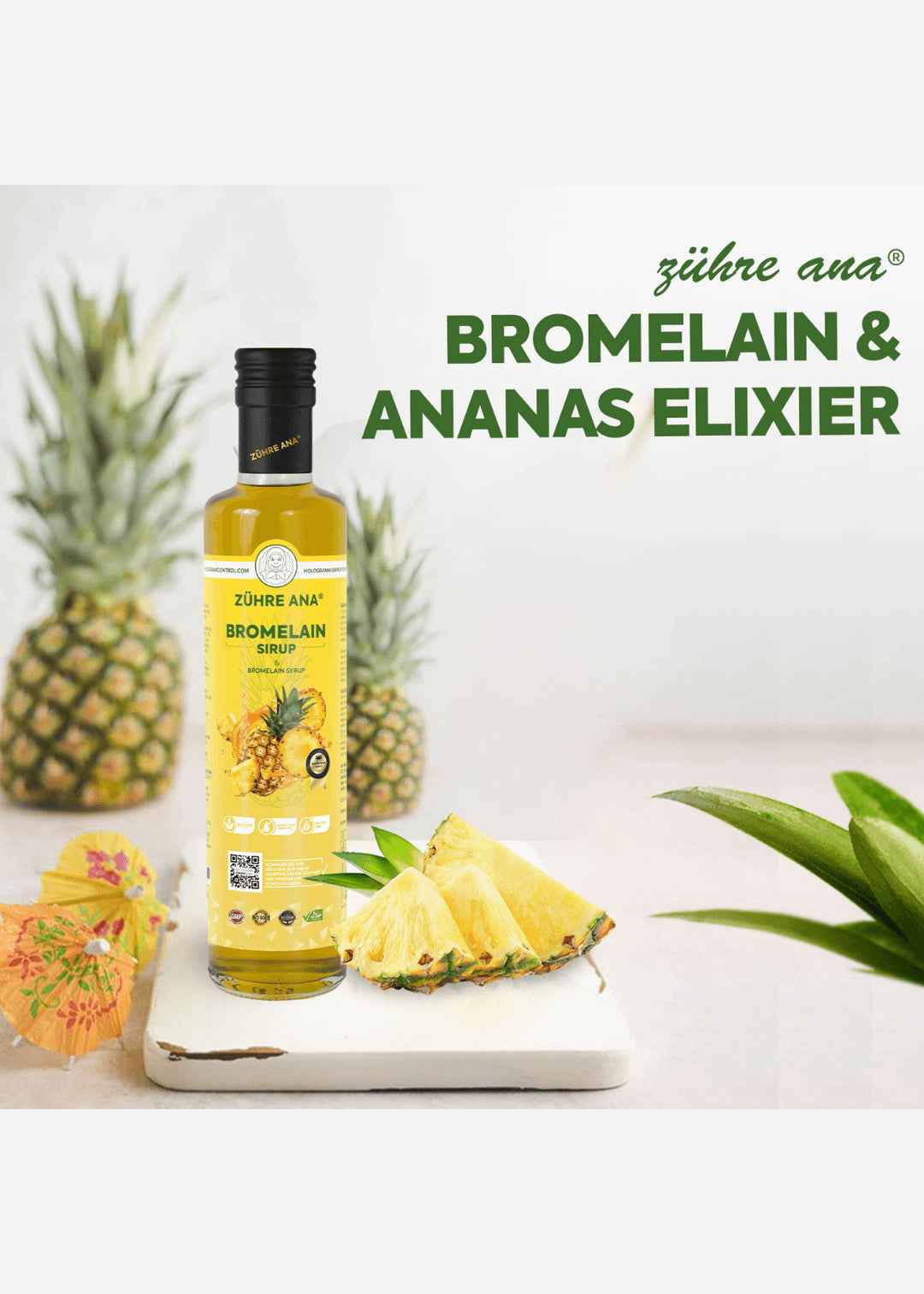
Zühre Ana Bromelain Syrup - Pineapple Extract 250ml
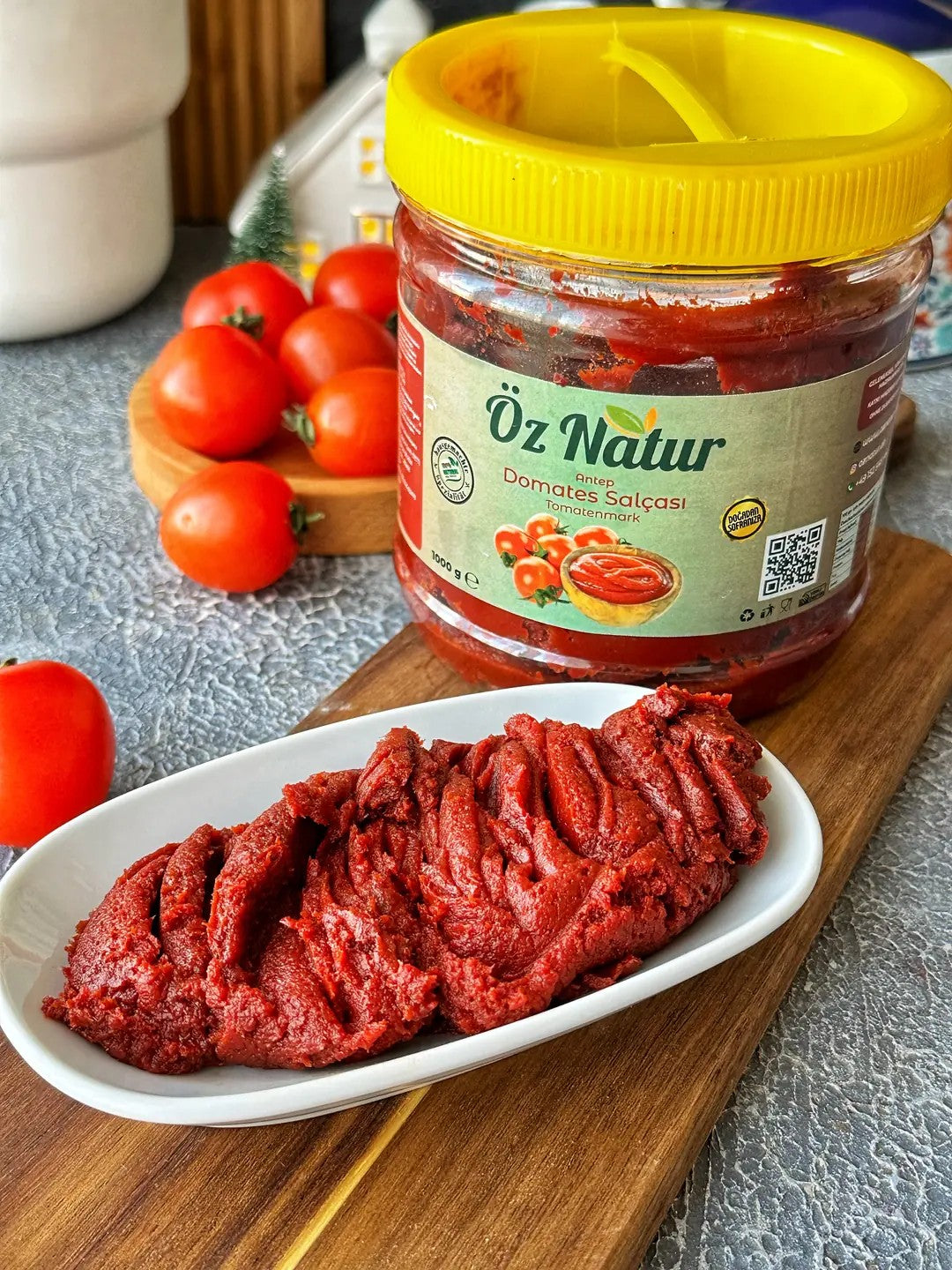
Antep Tomato Paste 1kg


Medjool Dates 5kg
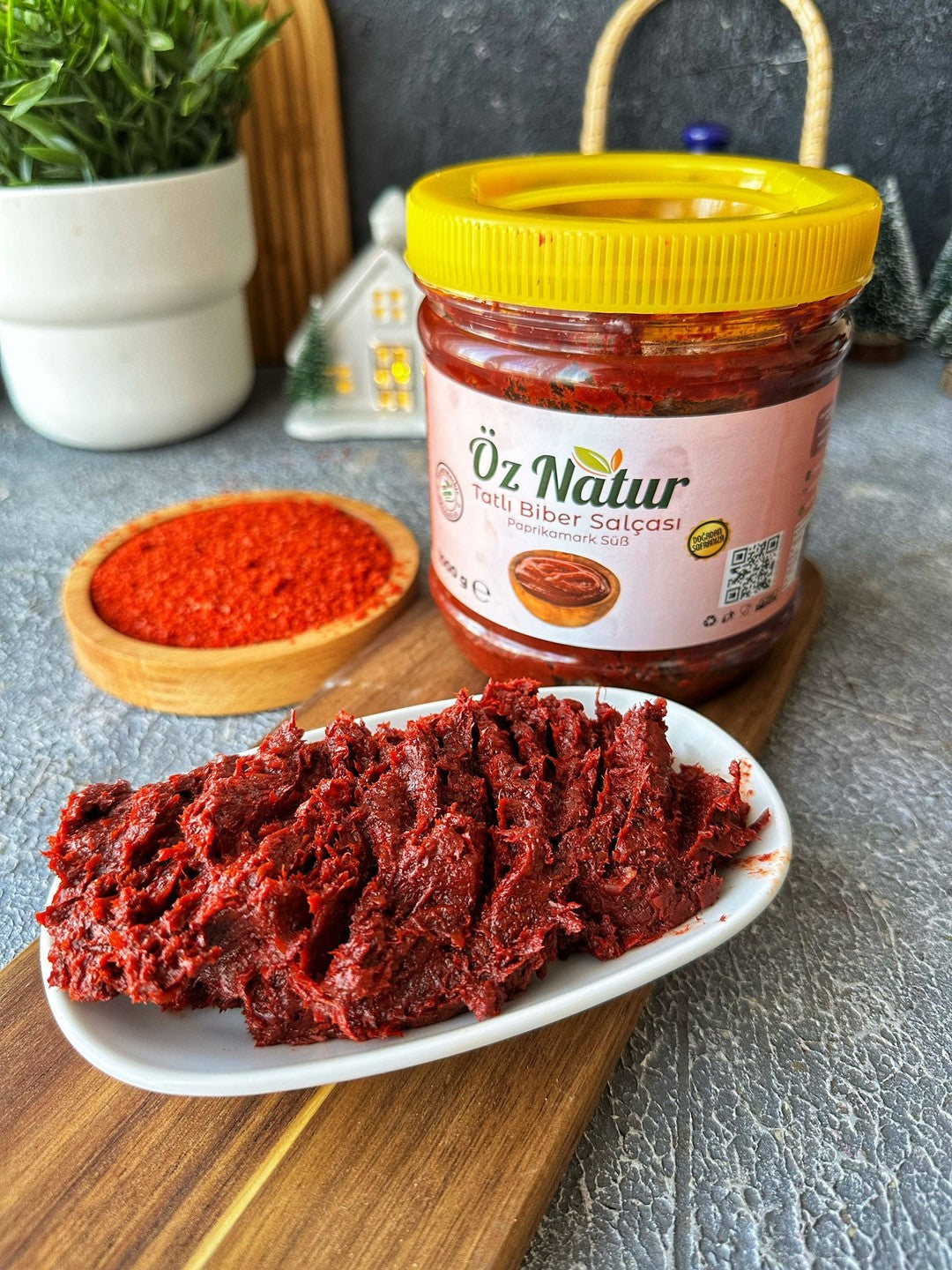
Pepper Paste from Antep 1kg

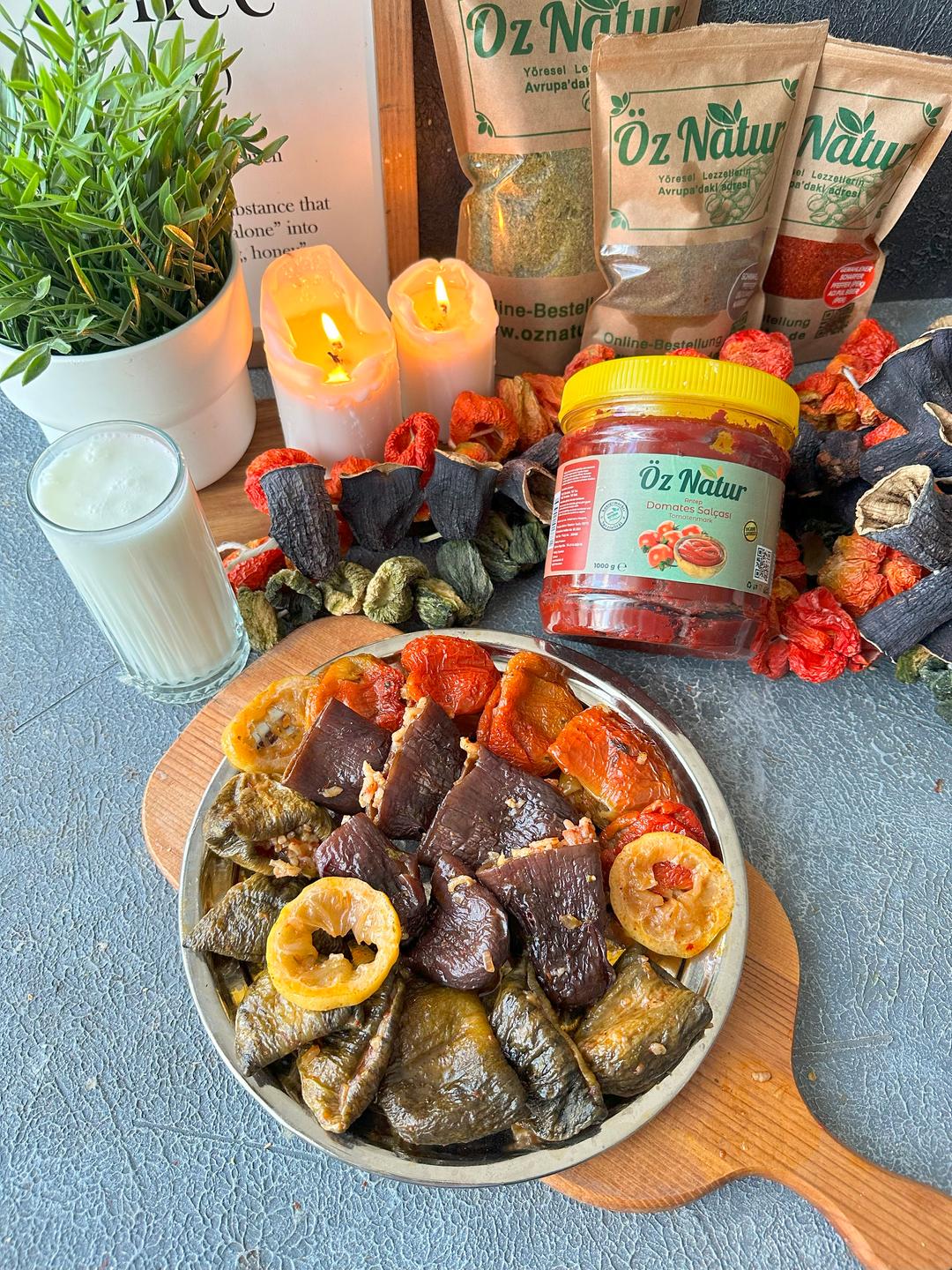
Antep Dried eggplants (40-45 Pieces) 45-50 Stück
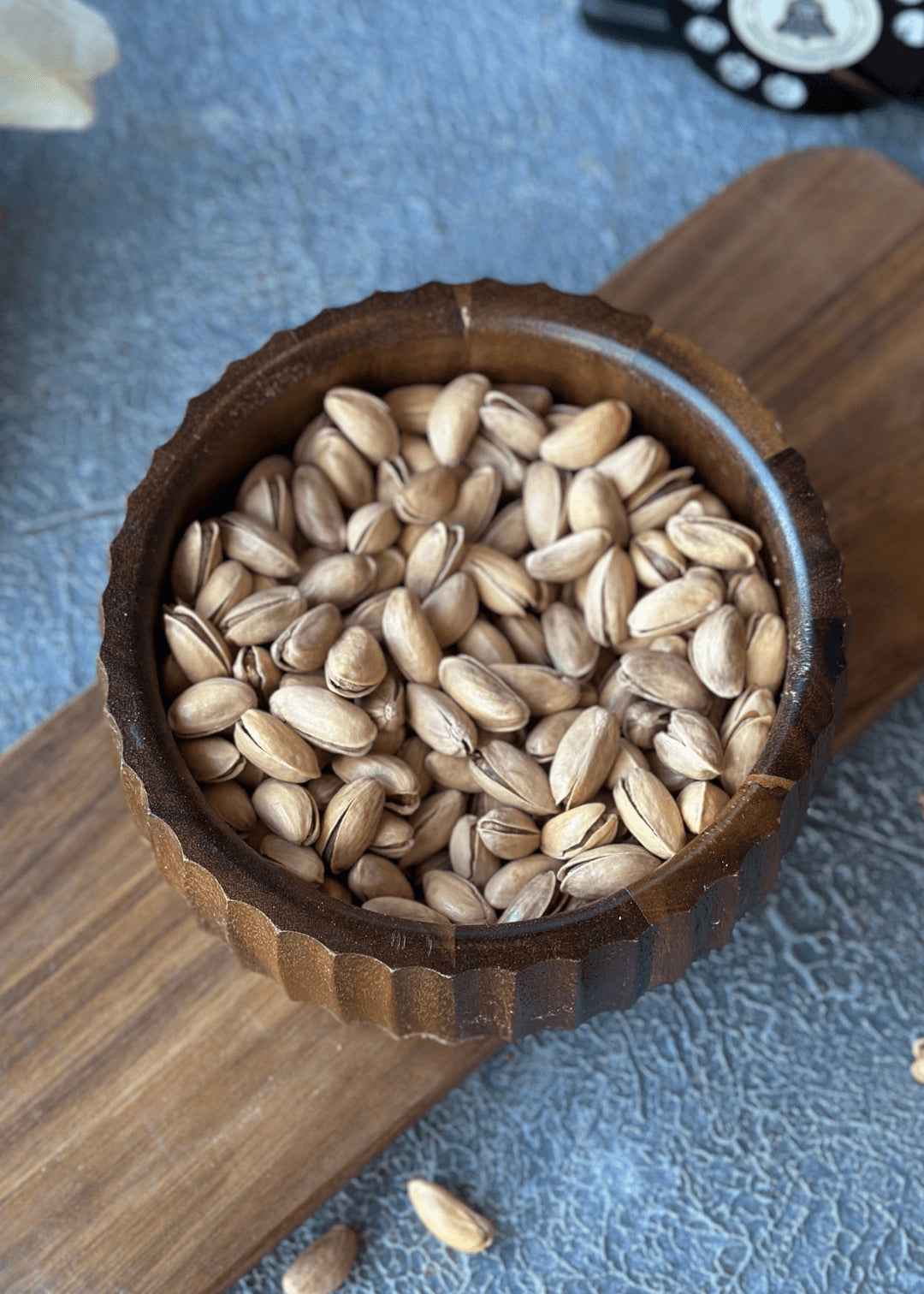
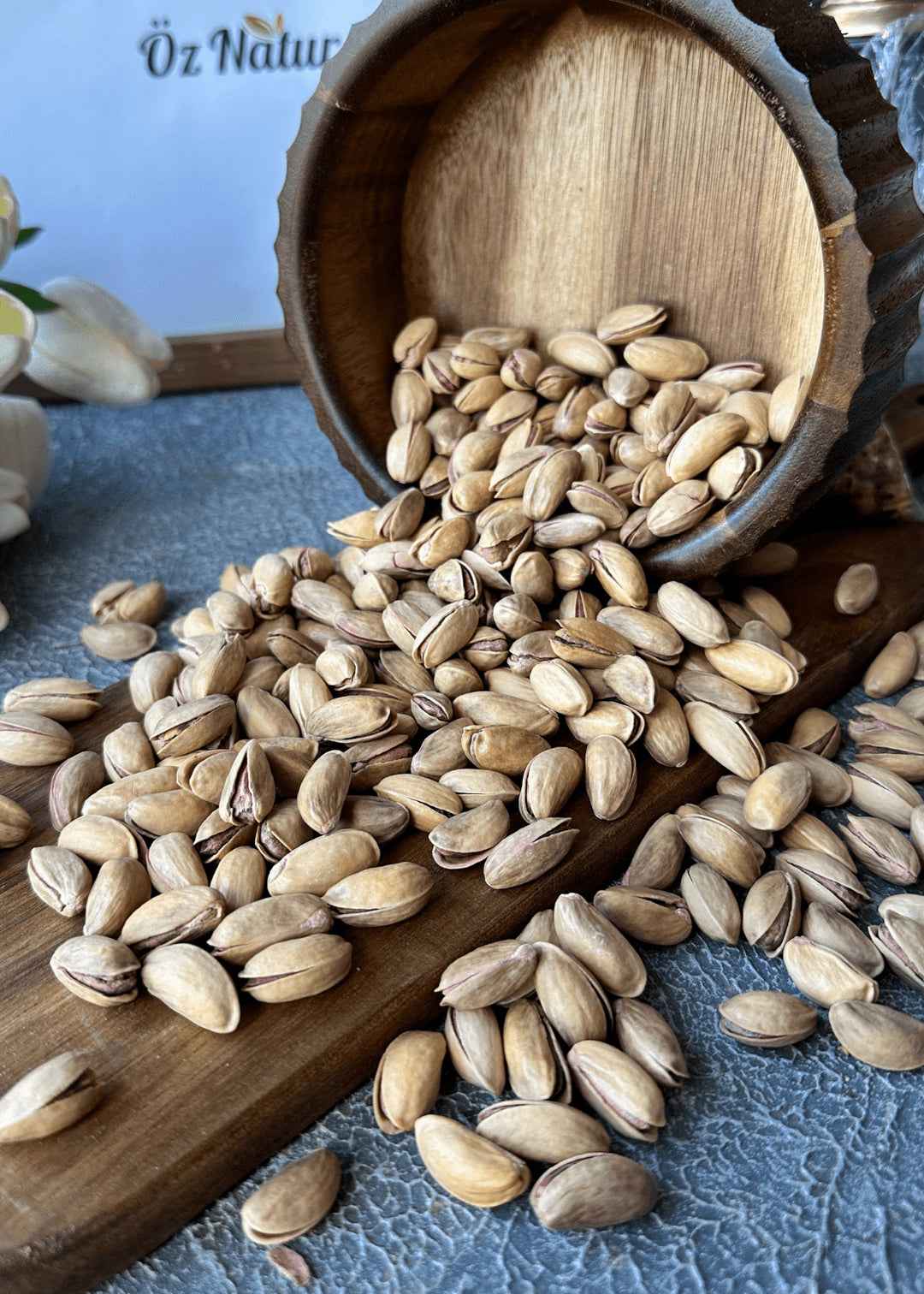
Antep Pistachios ( Roasted&Salted ) 700g
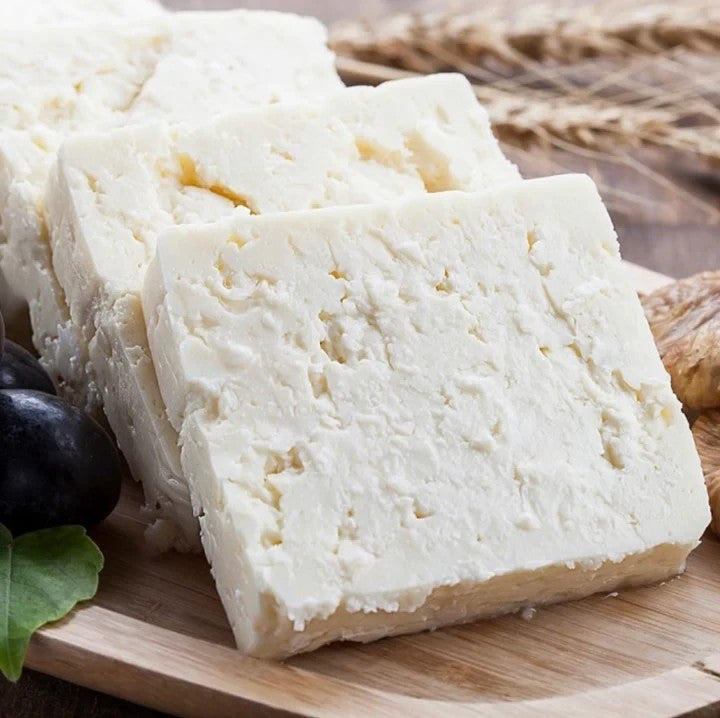
Çanakkale Ezine Käse (Kuhmilch) 350g

Sucuk (+- 500g)
Dried Peppers (45-50 Pieces) 45-50 Stück
Cashew Kernels (Roasted & Salted) 800g
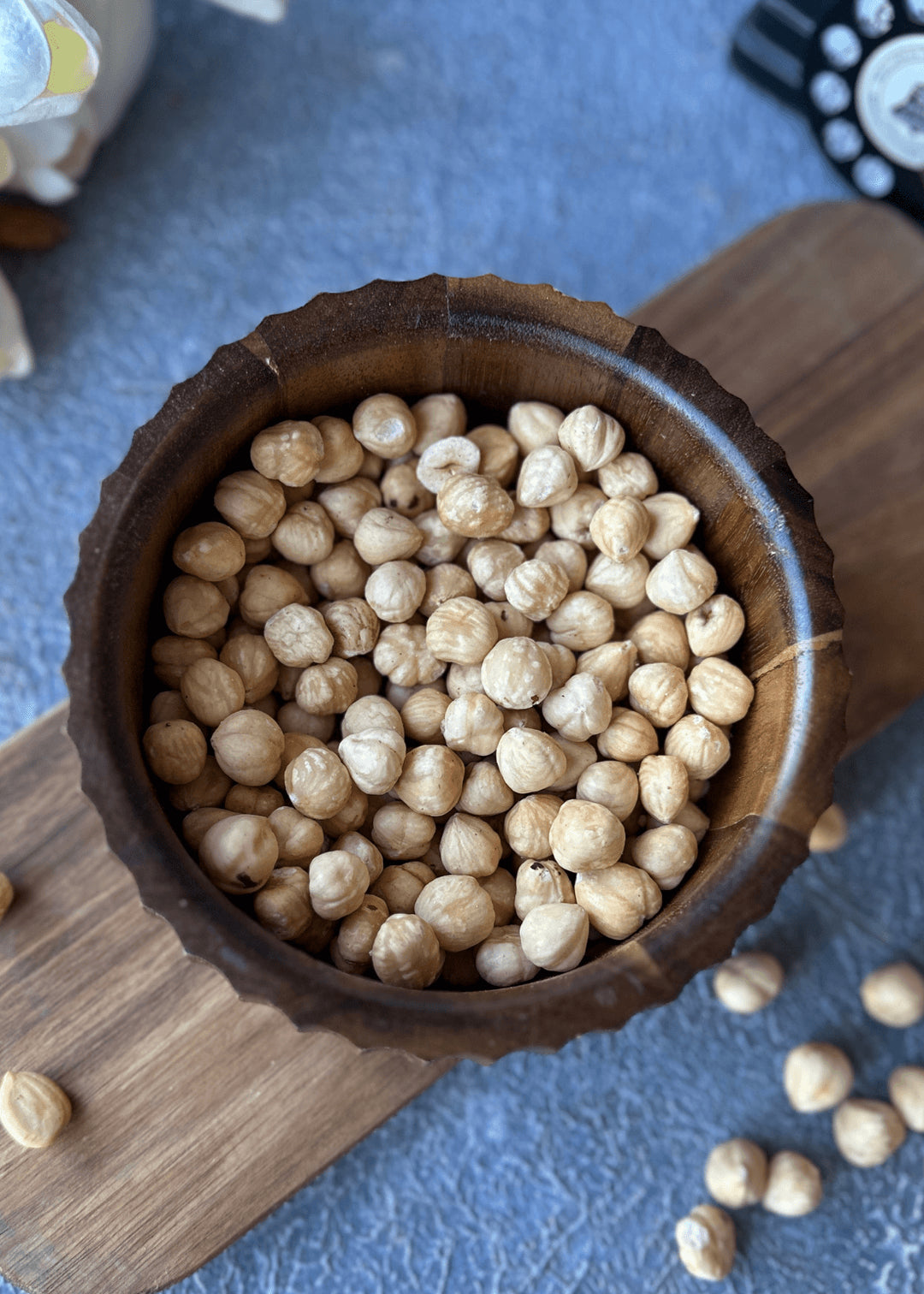
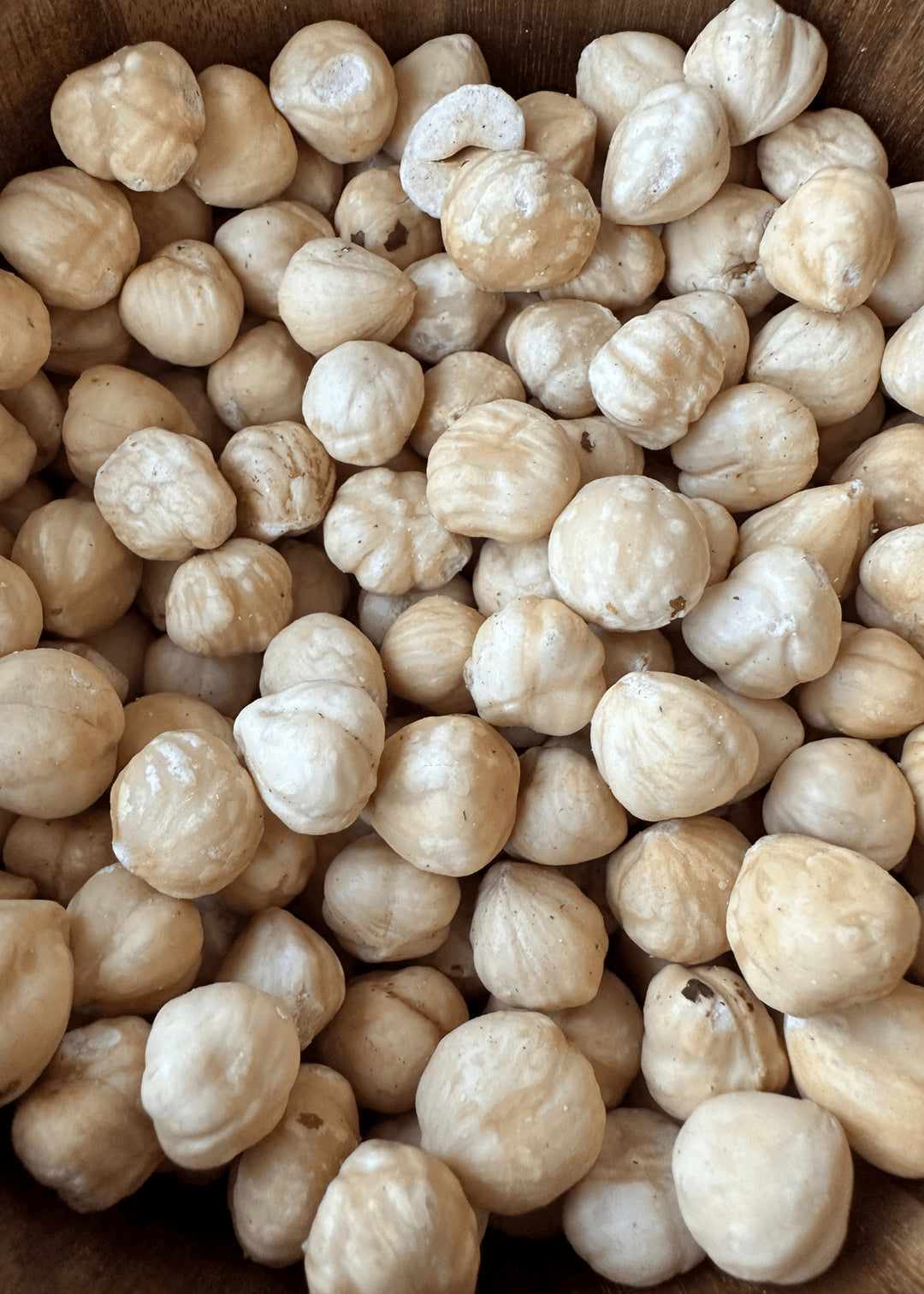
Roasted Hazelnuts 700g