
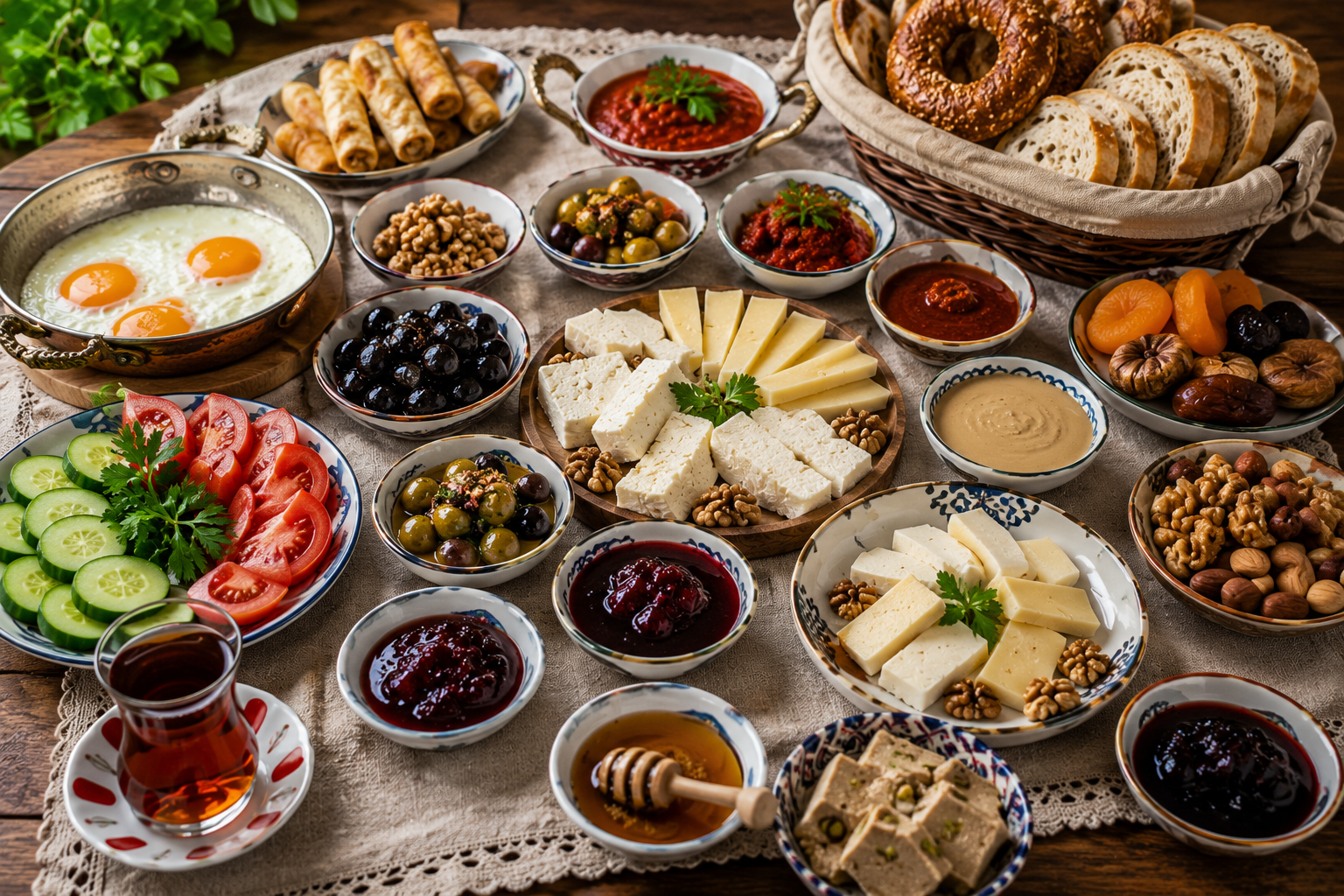
Creating the balance between sweet and savoury products on a traditional breakfast table helps the table look more organised and makes the flavour transitions more controlled. A breakfast table may include cheese, olives, eggs, breakfast sauces, acuka, jam, honey, tahini, molasses, dried fruits and nuts at the same time. When so many different aromas are served together, the aim should not be to place products randomly on the table, but to arrange sweet, savoury, tangy, intense and mild flavours in a way that complements one another.
Savoury products usually form the main structure of a traditional breakfast table. Cheese varieties, olives, tomatoes, cucumbers, eggs, peppers, acuka and breakfast sauces are among the central items. Sweet products create balance on the other side of this structure. Jam, honey, molasses, tahini, halva, dried figs, dried apricots, dried mulberries and similar products create softer flavour transitions. For this reason, a breakfast table should not lean too heavily only toward savoury or only toward sweet products.
The balance between sweet and savoury items is not only about the number of products on the table. The aroma, intensity, texture and relationship between the products also matter. For example, a strong acuka, intense olives or salty cheese may be balanced with a simpler jam, honey or tahini and molasses mixture. If very aromatic jams or dense sweet products are used, the savoury side can be kept simpler with milder cheese and olive varieties.
When preparing a breakfast table, the aim is to create an order where every product keeps its own character without making the table feel crowded or confusing. Sweet and savoury areas should be separated, products should not mix on the same plate unnecessarily, and bread or baked goods can be placed in the centre because they pair with both flavour groups. This creates a breakfast table that is practical, visually balanced and suitable for both daily use and guest servings.
How Should Sweet and Savoury Products Be Arranged on the Breakfast Table?
When arranging sweet and savoury products on a breakfast table, the first point to consider is how often each product will be used. Frequently used items such as cheese, olives, tomatoes, cucumbers, eggs and bread should be placed in easy-to-reach areas. Sweet items such as jam, honey, tahini, molasses and dried fruits can be grouped in a separate section. This arrangement reduces confusion and helps prevent different flavours from mixing.
Savoury products can usually be considered the starting point of the breakfast table. Cheese varieties, green and black olives, breakfast sauces, acuka, spreads and vegetable-based items can be placed close to one another. However, very strong sauces should not be placed directly on cheese plates, as their aroma and colour may affect the other products. Small bowls are more suitable for these items.
The placement of sweet products also requires attention. If jams, honey, tahini, molasses, halva and dried fruits are served together, they should not all be crowded into one area. Smaller portions create a more controlled and balanced appearance. On guest tables, two or three sweet products can be selected and supported with dried fruits or nuts instead of using too many sweet items at once.
Bread, simit, flatbread, pastries or toasted bread can be placed between the sweet and savoury areas. These products work with both cheese and olives as well as jam, tahini and molasses. When the bread basket is close to the centre of the table, guests can easily combine it with different products. This makes the table more functional as well as more visually organised.
How Are Cheese, Olives, Jam and Molasses Balanced Together?
Cheese, olives, jam and molasses are among the most important product groups on a traditional breakfast table. To use them in balance, the intensity of each product should be considered. Salty and strongly flavoured cheeses can be paired with milder jams, while lighter cheeses can work with more aromatic jams or molasses. This helps the flavour transitions feel more controlled.
Olives create a savoury and distinctive area on the table. Green olives may offer a firmer and fresher character, while black olives may create a deeper and fuller taste. Olives should be served in a separate bowl rather than mixed with strong breakfast sauces or cheese on the same plate. This prevents the olive brine and aroma from affecting other products.
Sweet products such as jam and molasses should be served in small portions. Instead of placing many different jam varieties on the table at once, a selected group such as strawberry, apricot, sour cherry, fig or mulberry jam can be used. Molasses can be served alone or with tahini in a small bowl. When sweet products are not overused, they create a better balance with the savoury side of the table.
Contact between cheese and sweet products should also be controlled. If jam or molasses spreads onto the cheese plate, the table can quickly become messy and the flavours may mix too strongly. Sweet products should be served in separate small bowls with their own spoons. Cheese should also be arranged on its own plate, with stronger and milder types separated when possible.
How Is a Balanced Breakfast Plate Prepared with Traditional Products?
When preparing a balanced breakfast plate with traditional products, the plate should not be dominated by only one flavour group. One section can include cheese, olives and vegetables, while another section can include jam, dried fruit or a tahini and molasses pairing. This separation makes the plate easier to understand and more pleasant to use.
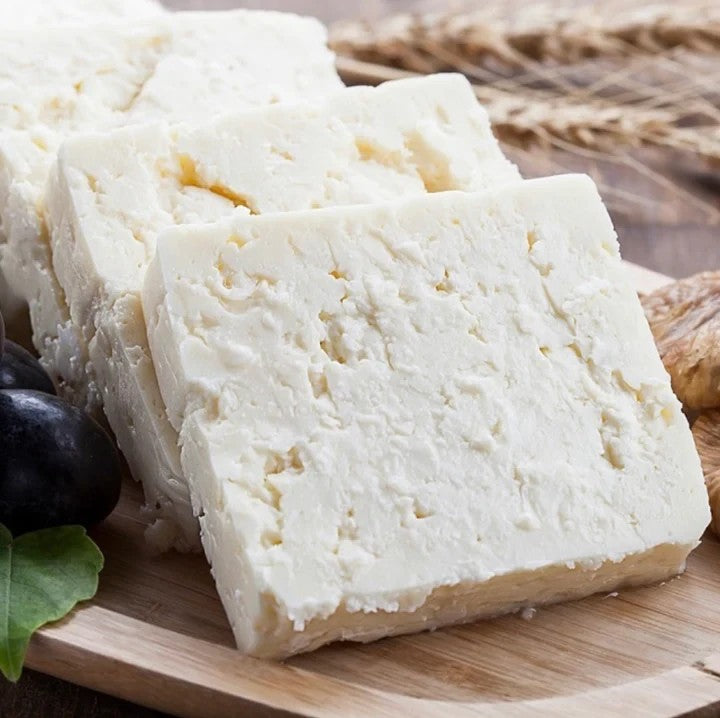
Colour balance is also important. White cheese, kashar or tulum-style cheeses can be paired with green olives, black olives, tomatoes, cucumbers and peppers to create a more lively appearance. On the sweet side, dried apricots, dried figs, dried mulberries, honey or jam can be added in small amounts. This makes the plate look varied without becoming crowded.
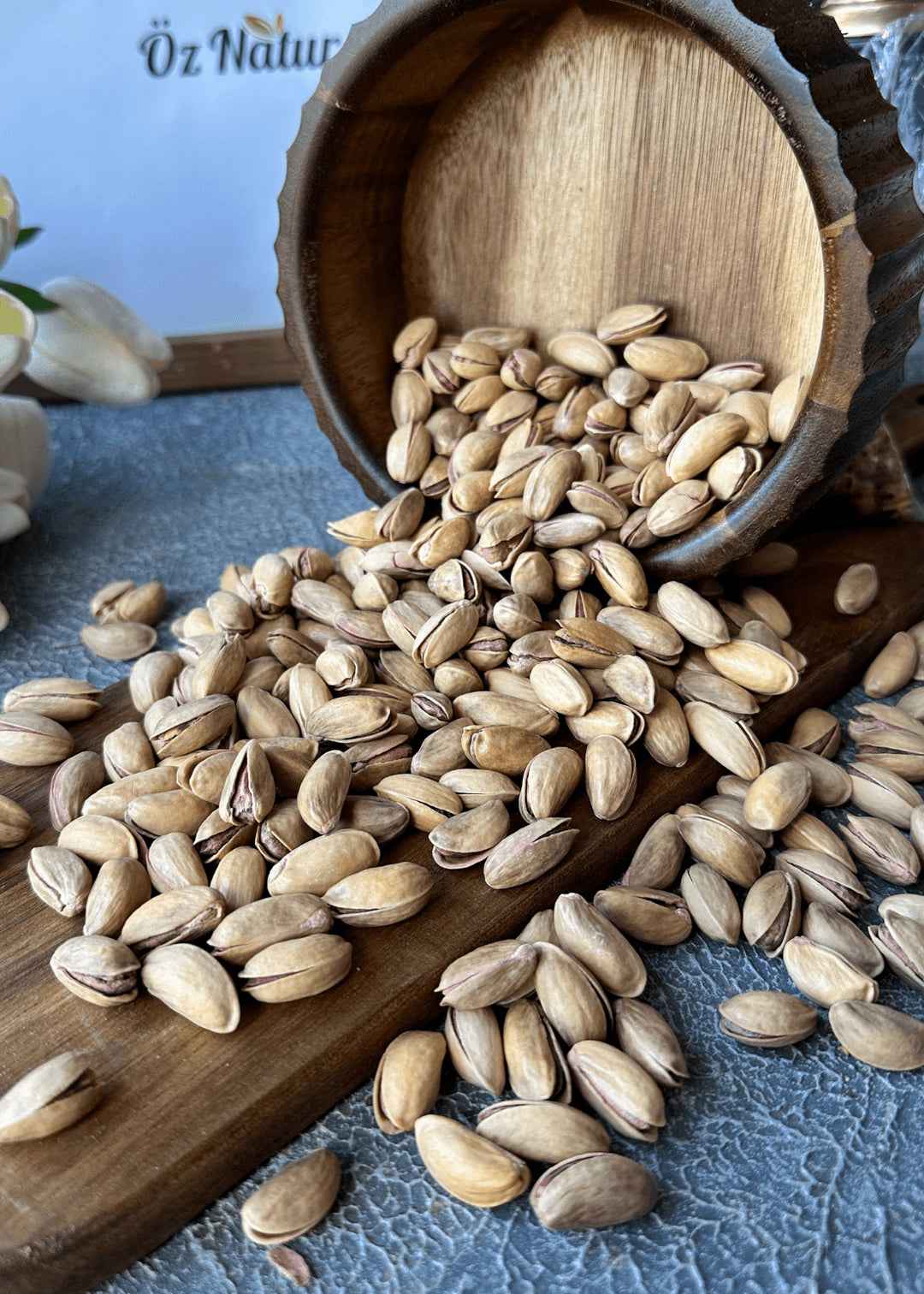
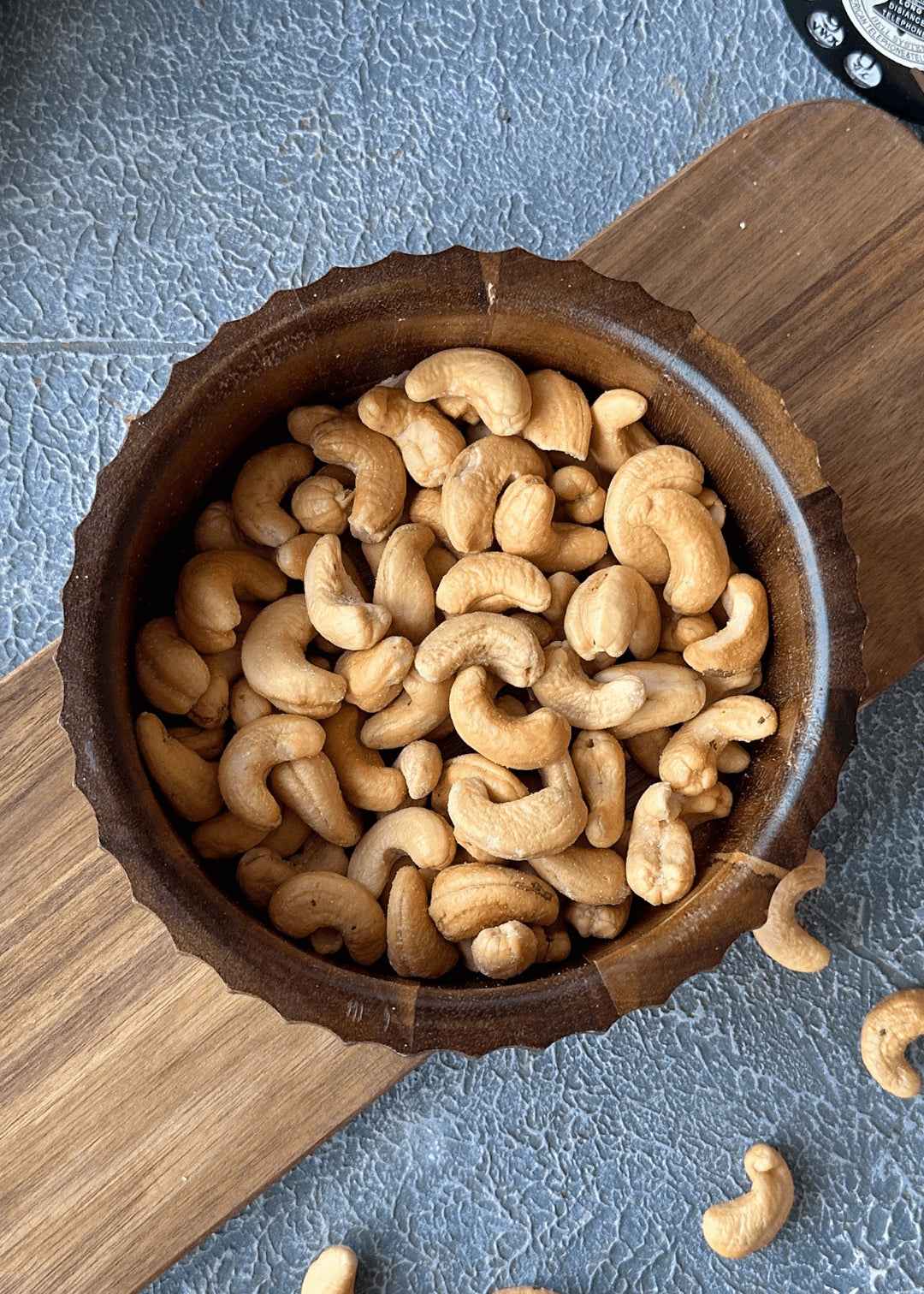
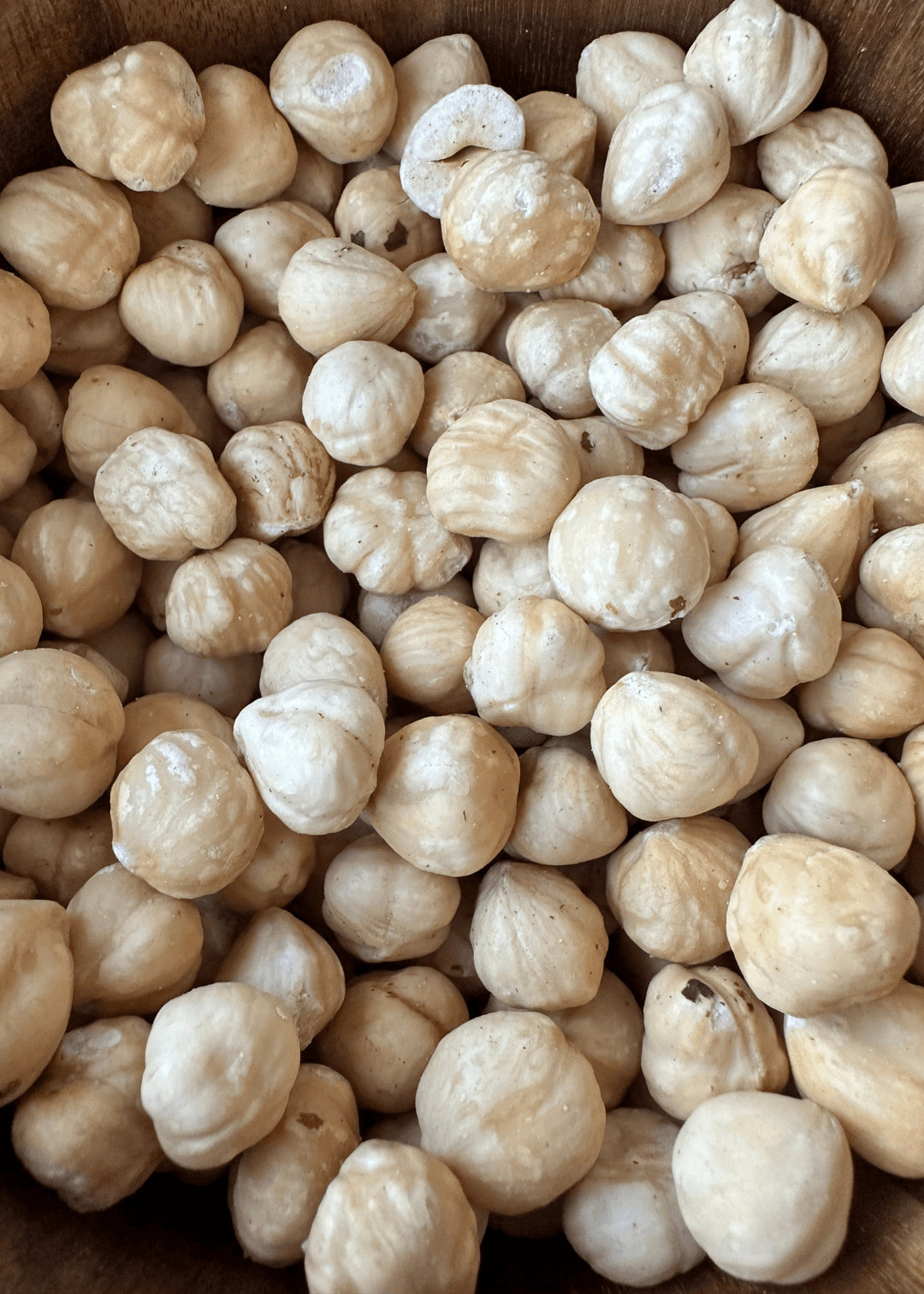
Dried fruits and nuts can act as transition products on the breakfast plate. Walnuts, hazelnuts, almonds, dried figs, dried apricots and dried mulberries can be served with both cheese and sweet products. However, the amount should be controlled. If too many nuts and dried fruits are added, the plate may begin to look more like a snack plate than a breakfast plate.
Saucy and spreadable products should ideally be served in small bowls. Jam, honey, tahini, molasses, acuka and breakfast sauces can easily mix with other products if they are spread directly on the plate. Small bowls or divided plates help keep each product in its own area. This allows every item to preserve its texture and makes the plate easier to use.
How Is Sweet and Savoury Balance Created for Guest Breakfast Tables?
When preparing a guest breakfast table, product variety is important, but table organisation matters just as much. Using too many products may make the table look rich, but it can also create a crowded appearance. A better approach is to choose a few strong options from each product group. Cheese, olives, breakfast sauces, eggs, vegetables, jam, honey, tahini, molasses and dried fruits can be distributed in a balanced way.
Savoury products usually take up more space on guest breakfast tables. Cheese plates, olive bowls, warm items and breakfast sauces may form the main section. Sweet products can be presented in smaller but more carefully prepared bowls. Jams and honey look more organised when served in matching small bowls. If tahini and molasses are served together, presenting them separately can make the texture and colour contrast clearer.
Sweet and savoury products should not be placed in one mixed line across the table. A clearer layout can be created by placing savoury items on one side, sweet items on another side and bread or baked goods in the centre. This helps guests reach what they want more easily. Strong-smelling or highly aromatic products should also be kept slightly away from milder items.
Small details shape the overall presentation. Each product should have its own spoon, jam and sauce bowls should not be overfilled, cheese should not be left to dry out, and olives should be served with a controlled amount of brine. When the balance between sweet and savoury products is set correctly, the breakfast table becomes more practical and reflects traditional breakfast culture more clearly.