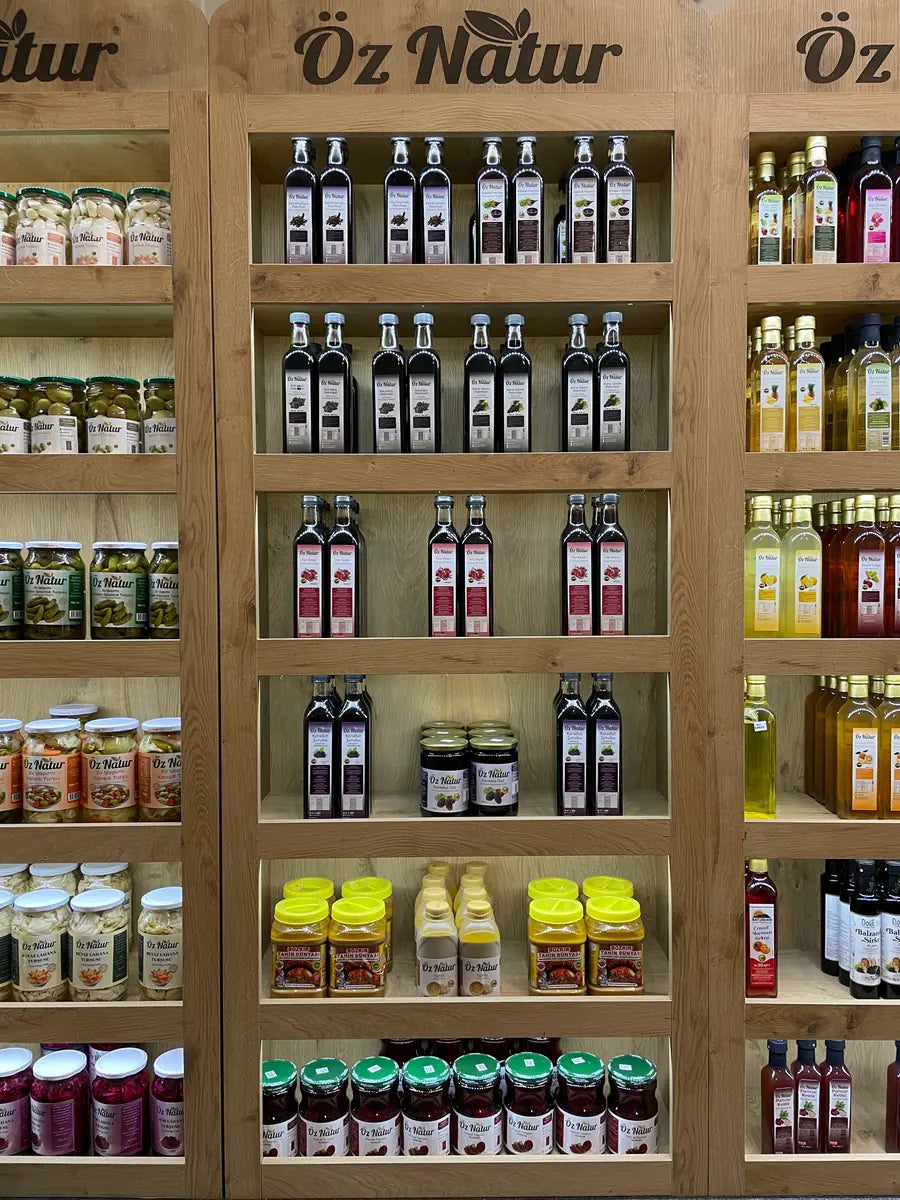


Different vinegar types are among the key ingredients used to create balance, aroma and depth in cooking. Apple vinegar, grape vinegar, pomegranate vinegar and other vinegar varieties can be used in salads, sauces, pickles, marinades and warm dishes. Since each vinegar type has a different intensity, colour and flavour structure, the choice of vinegar should match the recipe being prepared.
Vinegar is not used only to add sourness to food. In many recipes, it helps connect ingredients, balance sauces or complete the overall character of a dish. However, vinegar has a strong flavour impact, so the amount used should be controlled carefully. Too much vinegar can overpower other ingredients, while too little may not create the expected effect.
The way vinegar is used also depends on whether the dish is served cold or warm. In salads, vinegar is usually added directly to the dressing. In warm dishes, the timing of its addition may affect the result because its sharpness can soften during cooking. In pickled recipes, vinegar becomes one of the main ingredients of the liquid base and directly shapes the final structure of the preparation.
When using vinegar in the kitchen, quantity, timing and harmony with other ingredients should be considered together. Olive oil, spices, garlic, vegetables, legumes, tomatoes and lemon juice can all change how vinegar is perceived in a recipe. Understanding the character of different vinegar types helps create more controlled and balanced dishes.
How Are Apple, Grape and Pomegranate Vinegars Used in Dishes?
Apple vinegar has a milder and fruitier flavour profile. For this reason, it can be used in salads, light sauces and vegetable-based recipes where a softer acidic note is desired. In green salads, yoghurt-free dressings and simple vegetable mixtures, apple vinegar can create a balanced flavour transition without overpowering the other ingredients.
Grape vinegar usually has a stronger and more classic vinegar aroma. It can be used in legume dishes, piyaz-style salads, pickled recipes and some warm meals. Because of its more pronounced character, even a small amount can be clearly noticeable in a dish. For this reason, the amount of grape vinegar should be adjusted carefully, especially in recipes that include onions, beans, chickpeas or peppers.
Pomegranate vinegar has a different flavour profile. Its fruity and slightly tangy structure makes it suitable for salad dressings, olive oil-based dishes and some cold starters. In recipes with greens, walnuts, cheese and olive oil, pomegranate vinegar can create a distinct aromatic transition. However, when it is used with other strong ingredients, the amount should be controlled so that the overall balance is not disrupted.
No vinegar type produces the same result in every recipe. Apple vinegar usually creates a softer effect, grape vinegar offers a more classic and noticeable character, while pomegranate vinegar adds a more aromatic layer. Therefore, vinegar selection should not depend only on what is available in the kitchen. It should also match the character of the dish.
How Does Vinegar Use Differ in Salads, Pickles and Sauces?
In salad recipes, vinegar is usually combined with olive oil, salt, spices and sometimes lemon juice. The aim is to create a dressing that supports the fresh ingredients without overpowering them. Milder vinegar types may be more suitable for green salads, while salads with onions, legumes or stronger ingredients can handle more pronounced vinegars. The quantity should be adjusted according to the structure of the salad ingredients.
In pickle recipes, vinegar has a much more central role. It does not only provide flavour; it also forms part of the main liquid base. Together with water, salt and vegetables, vinegar shapes the overall structure of the recipe. In pickles made with cucumbers, peppers, cabbage, carrots or mixed vegetables, the vinegar type can noticeably affect the final aroma and character.
In sauce recipes, vinegar is usually used in smaller and more controlled amounts. Breakfast sauces, salad dressings, olive oil mixtures and meze sauces can benefit from a measured acidic note. When combined with garlic, spices, tomatoes or oil, vinegar can help bring the ingredients together. However, too much vinegar can make the sauce overly sharp and push other aromas into the background.
The serving temperature also changes how vinegar is perceived. In cold recipes, vinegar is usually more direct and noticeable. In warm dishes, cooking can soften its sharpness and make it blend more smoothly with the other ingredients. For this reason, using the same vinegar amount in every recipe is not the right approach. Each dish should be evaluated according to its own structure.
How Are Vinegar Quantity and Aroma Balance Adjusted in Food?
The correct amount of vinegar depends first on the main ingredient of the recipe. Vegetables, legumes, meat, sauces and salads all react differently to vinegar. In lighter recipes, a small amount may be enough, while richer dishes may require a more noticeable acidic note. Still, vinegar should support the main ingredient rather than dominate it.
Other acidic ingredients should also be considered when using vinegar. If a recipe already includes lemon juice, pomegranate syrup, tomatoes or yoghurt, the vinegar amount should be reduced. Otherwise, the dish may become too sharp or unbalanced. Vinegar should always be evaluated together with the other acidic elements in the recipe.
The timing of adding vinegar also affects the result. When it is added at the beginning of cooking, its sharpness may become softer during the cooking process. When it is added just before serving, its acidity remains more noticeable. In warm dishes especially, the timing can determine whether vinegar appears as a background note or a clear flavour accent.
For balanced aroma, vinegar should always be added gradually. Starting with a small amount and increasing if necessary creates a more controlled result. Since vinegar types vary in intensity, the same quantity can create very different effects in different recipes. A good balance is achieved when vinegar supports the main ingredients without taking over the overall flavour.