

Cake and cookie recipes prepared with carob powder offer a practical way to create a different colour, aroma and texture in classic baked goods. Carob powder has a dark appearance and a distinctive flavour profile, which can make cakes, cookies, muffins and similar oven-baked recipes look visually close to cocoa-based desserts. However, carob powder does not behave exactly like cocoa in recipes. For this reason, the amount used, the liquid ratio and the balance of the remaining ingredients should be considered carefully.
When carob powder is used in baked goods, the first point to consider is its strong flavour character. A small amount can create a subtle aromatic transition, while a larger amount may significantly change the colour and overall taste of the dough. Because of this, carob powder is often used as a supporting ingredient that adds colour and flavour rather than as the only defining component of the recipe. This approach helps preserve the structure of the dough while creating a more balanced result.
Carob powder may react differently depending on whether it is used in cake batter or cookie dough. Cake recipes usually contain more liquid and require a softer, more even texture. Cookie dough, on the other hand, is firmer and more sensitive to additional dry ingredients. Therefore, the same amount of carob powder may create different results in a cake and a cookie recipe. The balance between flour, fat, liquid and powder should be adjusted according to the recipe type.
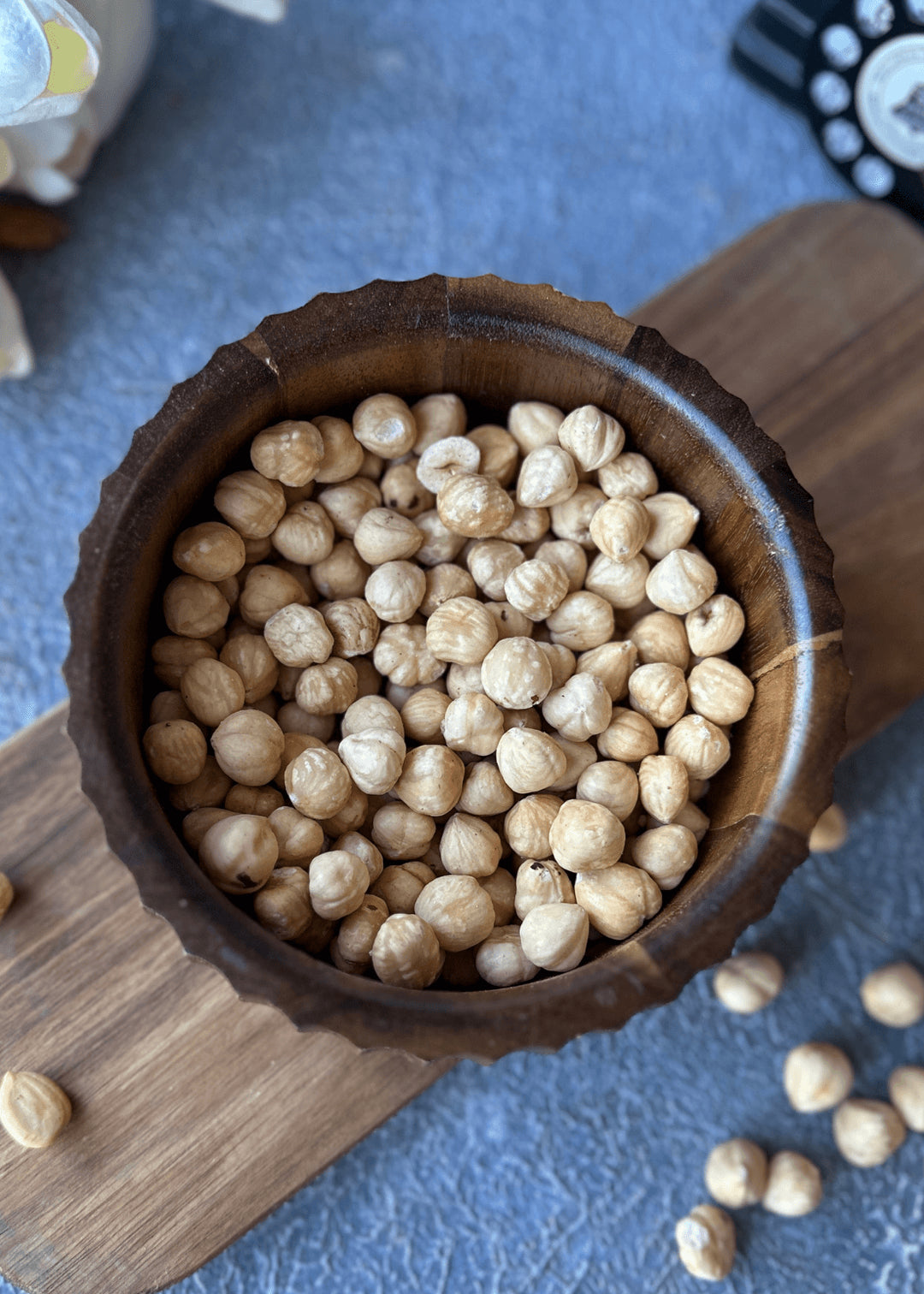
The mixing time, oven temperature, baking duration and additional aromas also influence the final result. Ingredients such as vanilla, cinnamon, walnuts, hazelnuts, almonds, milk or yoghurt can help create a more layered flavour profile when used with carob powder. For a balanced recipe, carob powder should not be treated as a direct substitute that behaves exactly like another ingredient. It should be considered a separate baking ingredient with its own effect on colour, texture and aroma.
How Is Carob Powder Used in Cake Recipes?
In cake recipes, carob powder is usually added to the dry ingredient mixture. It can be combined with flour, baking powder and other dry ingredients before being added to the batter. Sifting these ingredients together helps the powder distribute more evenly and prevents dense colour or flavour patches from forming in the cake. Since carob powder can sometimes clump, mixing it with the dry ingredients first creates a smoother batter structure.
The liquid ratio becomes especially important when carob powder is used in cake recipes. Because of its fine and dense powder form, it can make the batter feel thicker. Ingredients such as milk, yoghurt or oil can help balance this texture and create a softer cake crumb. If the batter becomes too thick, the finished cake may turn out compact and less airy. For this reason, the batter should be fluid enough to spread evenly but not overly runny.
Carob powder gives cakes a dark brown colour. This makes it suitable for recipes where a cocoa-like appearance is desired. However, its flavour is different from cocoa, so complementary ingredients such as vanilla, cinnamon, walnuts or hazelnuts can help create a more balanced taste. In nut-based cakes, the aroma of carob powder can become more noticeable and blend well with the roasted notes of the nuts.
The baking temperature should also be controlled carefully. If the cake is baked at a very high temperature, the outer surface may set too quickly while the inside remains uneven. A moderate oven temperature and controlled baking time generally create a more balanced texture. Toward the end of baking, the centre can be checked with a skewer. Overbaking should be avoided, as it may make the cake drier than intended.
How Is Carob Powder Balanced in Cookie Dough?
When carob powder is used in cookie dough, the dough structure should be evaluated differently from cake batter. Cookie dough usually contains less liquid, so carob powder can make the dough come together faster and feel firmer. For this reason, the amount of flour and carob powder should be considered together. Every additional dry ingredient directly affects the firmness and texture of the dough.
The ratio of butter, egg and oil is also important in cookie recipes that include carob powder. If the dough remains too dry, the cookies may become hard after baking or may not create the desired crumbly texture. For a softer and more balanced result, the fat ratio should be controlled and the dough should not be overmixed. Excessive kneading or mixing may cause the cookies to become too dense.
Carob powder can work well with walnuts, hazelnuts, almonds and dried fruit pieces in cookie recipes. These ingredients add both texture and aroma to the dough. Finely chopped nuts distribute more evenly, while larger pieces create a more noticeable bite and visual texture. This allows carob powder cookies to feel more layered instead of having a single dominant flavour.
The baking time for cookies is usually shorter than for cakes, so the process should be followed carefully. Since carob powder darkens the dough, it may be difficult to judge doneness by colour alone. The edges, surface and bottom of the cookies should be checked instead. Cookies may feel soft when first removed from the oven and then develop a firmer texture as they cool.
What Are the Recipe Differences Between Carob Powder and Cocoa?
The main difference between carob powder and cocoa is their flavour profile. Cocoa has a sharper and more intense character, while carob powder has a softer, slightly fruity and different aroma. Therefore, replacing cocoa with the same amount of carob powder does not always produce the same result. The overall balance of the recipe should be reconsidered based on flour, liquid and flavour structure.
In terms of colour, carob powder can give cakes and cookies a dark appearance. However, this colour does not necessarily create the same chocolate-like impression as cocoa. Recipes made with carob powder may look similar to cocoa-based recipes, but their taste and aroma are different. This distinction should be considered when planning the recipe.
Cocoa can be noticeable even in small amounts because of its intense flavour. Carob powder may create a softer transition depending on the quantity used, but it can still affect the texture due to its powder structure. If too much is used, the dough may become darker, denser and drier. For this reason, the measurement should be adjusted carefully.
Carob powder can be used in cake and cookie recipes as a distinct baking ingredient. It can work especially well with milk, yoghurt, vanilla, cinnamon, hazelnuts or walnuts. When creating a recipe, it should not be assumed that carob powder will behave exactly like cocoa. Its own effect on consistency, colour and aroma should be taken into account.