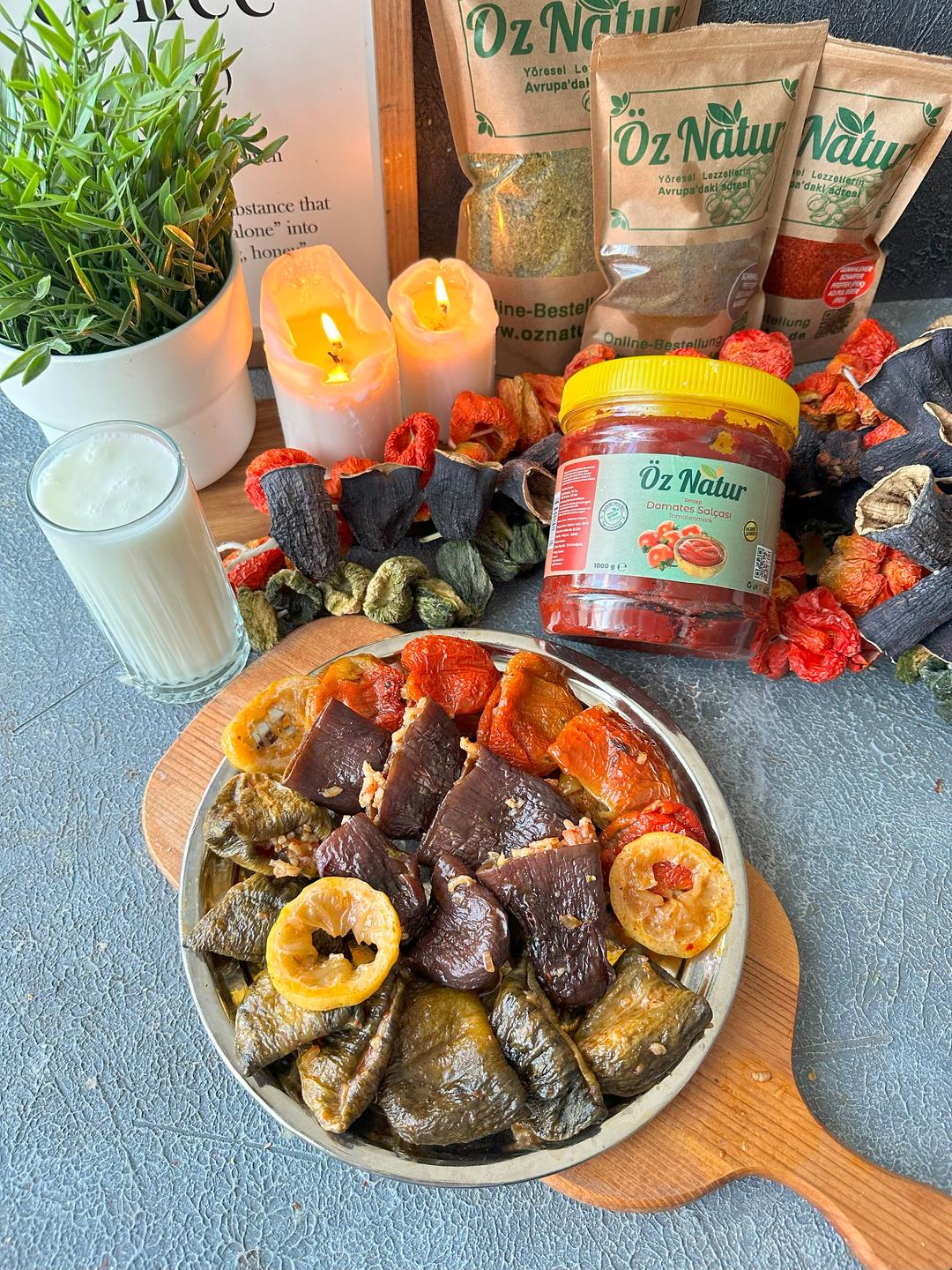

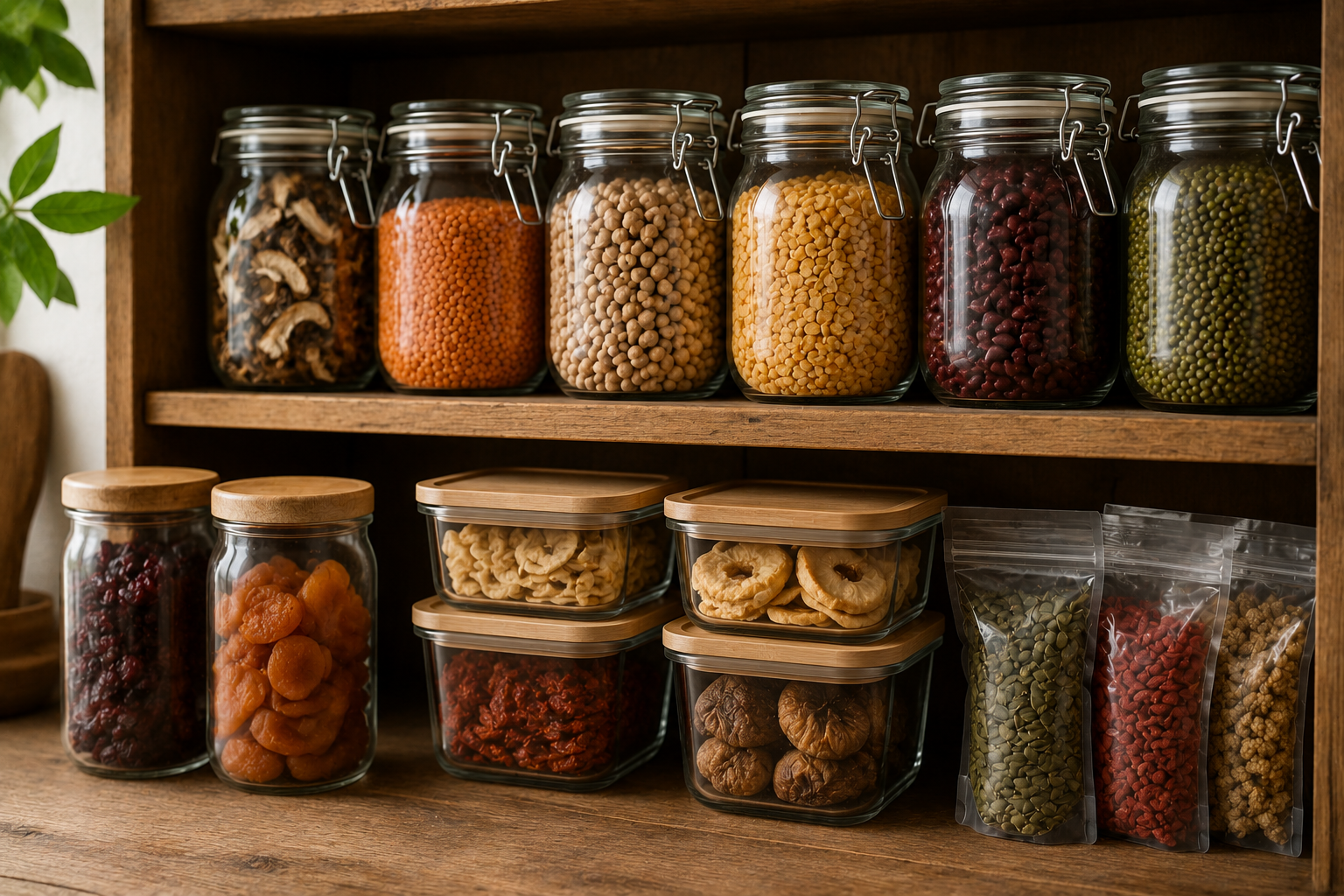
Dried products, especially dried vegetables, are an essential part of everyday kitchen use. Items such as dried tomatoes, dried peppers, dried eggplants, dried zucchini, and similar vegetables are widely used in both traditional and modern recipes. Proper storage is crucial to maintain their structural integrity and usability over time.
Although dried vegetables are more durable than fresh produce, they are still sensitive to environmental conditions. Thinly sliced or hollow dried vegetables can easily be affected by moisture and air exposure. For this reason, dried vegetables require controlled storage conditions to preserve their original form.
When multiple types of dried vegetables are stored together without organisation, mixing and quality loss may occur. Dried tomatoes and dried eggplants, for example, differ significantly in texture and aroma and should not always be stored under identical conditions.
This guide focuses specifically on dried vegetables and explains proper storage environments, container choices, and product-based organisation methods.
How Should the Ideal Storage Environment for Dried Products Be?
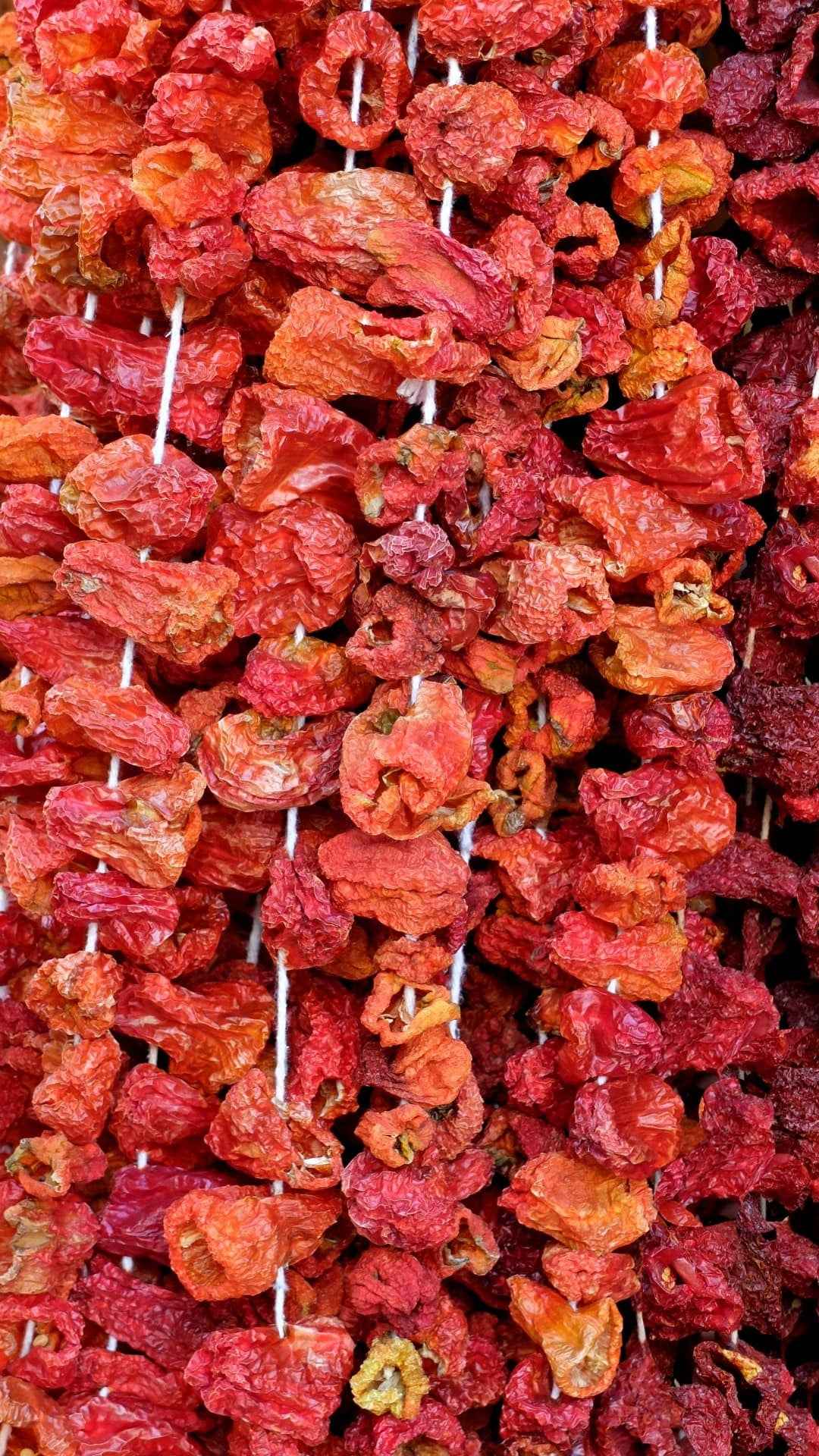
The ideal storage environment for dried vegetables should be dry and protected from humidity. Products such as dried tomatoes and dried peppers, which retain a slightly flexible texture, are particularly sensitive to moisture. Enclosed kitchen cabinets are generally the most suitable storage areas.
Direct sunlight should be avoided, as prolonged exposure can darken colour and alter surface texture. Dried vegetables stored in shaded, enclosed spaces tend to maintain their visual and structural qualities longer.
Temperature stability is another key factor. Excessive heat can cause dried eggplants and zucchini to become brittle, while fluctuating temperatures may compromise texture. A cool and stable environment supports long-term preservation.
Dried vegetables should also be kept away from strongly scented foods. Their porous structure allows them to absorb surrounding aromas, which may affect their natural characteristics.
Advantages and Disadvantages of Storage Containers Based on Material
Glass jars are among the most commonly used containers for storing dried vegetables. Dried tomatoes, peppers, and zucchini stored in glass containers remain visible and easy to identify. Glass does not retain odours and provides a neutral storage environment.
Plastic containers can be practical for short-term use but must be airtight. Poorly sealed plastic containers may allow air and moisture to reach dried vegetables, especially thin or sliced varieties, leading to structural changes.
Cloth bags or fabric pouches are traditionally used for storing sturdier dried vegetables such as dried eggplants or peppers. However, these solutions are more vulnerable to humidity and should be used only in controlled environments.
Metal containers protect products from light but require proper internal coatings. Direct contact between dried vegetables and untreated metal surfaces may not be suitable for long-term storage.
Creating Separate Storage Arrangements for Different Dried Products
Dried vegetables vary significantly in structure. Dried tomatoes are generally softer and more flexible, while dried eggplants and zucchini are firmer and more rigid. Grouping these products according to texture helps maintain order and quality.
Aroma intensity is another important factor. Dried peppers, which often have stronger aromas, should be stored separately from milder dried vegetables to prevent flavour transfer.
Using separate containers for each dried vegetable type improves kitchen organisation and accessibility. Labelling containers with product names or storage dates further simplifies management.
This structured approach not only preserves the quality of dried vegetables but also enhances efficiency and clarity in daily kitchen use.