
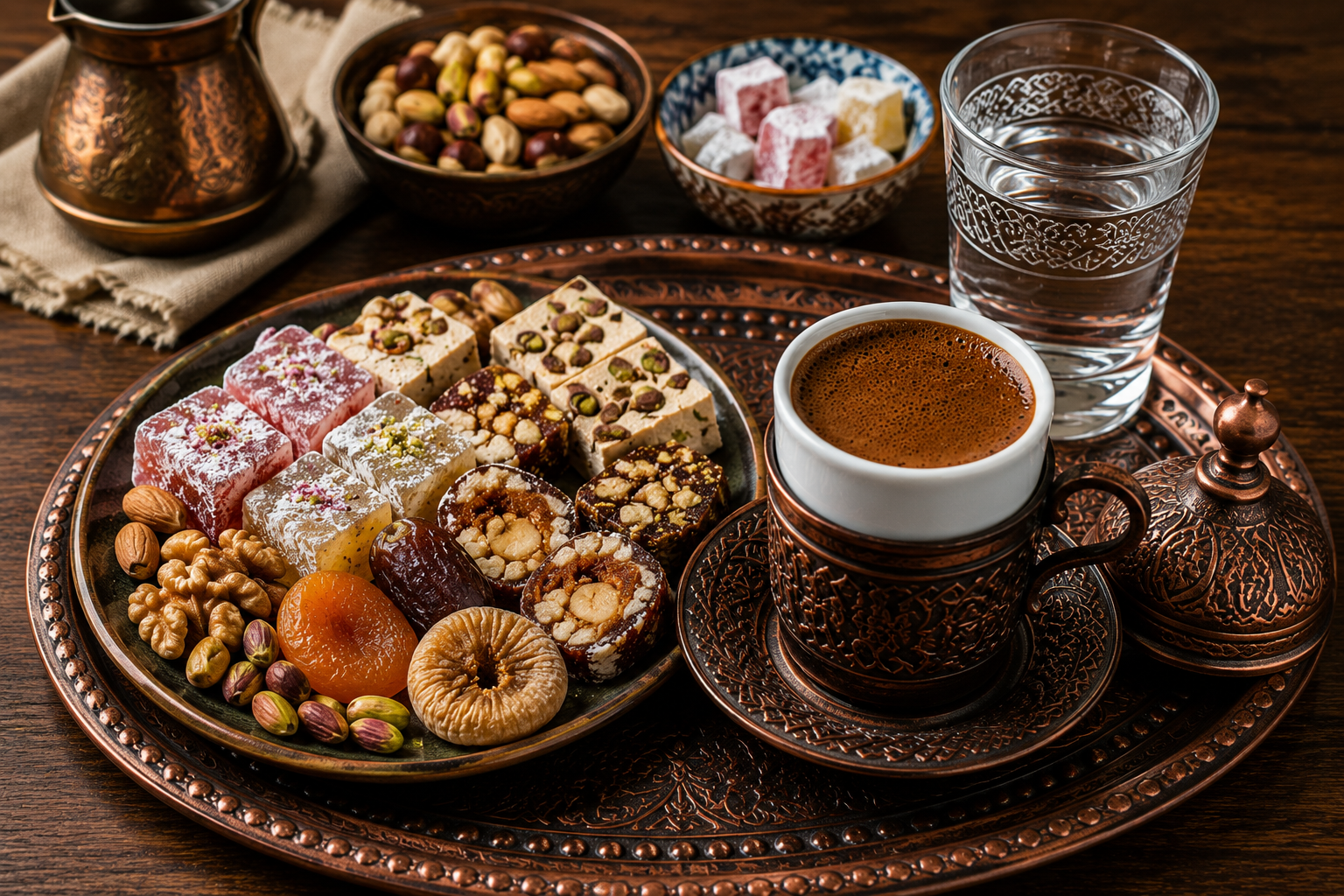
Which traditional treats are preferred with coffee is a common question for users who want to prepare a balanced and elegant serving plate with Turkish coffee, dibek coffee, menengiç coffee or other coffee types. Treats served with coffee are not only small decorative details. They support the intensity, bitterness, aroma and presentation style of the coffee. For this reason, the type of coffee, serving time and purpose of the presentation should be considered when choosing coffee-side treats.
In traditional coffee servings, Turkish delight, chocolate, dried fruits, nuts, cezerye, walnut sucuk, pestil, köme and small sweet pieces are often used. However, not every treat creates the same harmony with every coffee. Stronger coffees are often better paired with simpler treats so that the coffee’s character remains clear. Softer coffee varieties can be served with treats that have a more noticeable aroma.
Portion size is also important when preparing a coffee-side treat plate. Very large or heavy desserts may overpower the coffee. Smaller, single-bite or easy-to-serve products are more suitable. Turkish delight, small pieces of pestil, thin slices of walnut sucuk, dried figs, dried apricots, dates, hazelnuts, pistachios and almonds can be served in controlled portions.
Choosing traditional treats for coffee is also part of guest-serving culture. Turkish coffee is often served with water and a small sweet treat. For daily coffee moments, a simple plate may be enough. For guest servings, the plate can be arranged more carefully with several complementary items. The goal is not to use too many products, but to create a balanced accompaniment that suits the coffee.
Which Treats Pair Better with Turkish Coffee?
Turkish coffee has an intense aroma and a distinctive drinking style, so it pairs better with small and balanced treats. Turkish delight is one of the most traditional options served with Turkish coffee. Its soft texture and measured sweetness create a smooth contrast with the dense structure of the coffee. Plain Turkish delight, rose-flavoured Turkish delight, pistachio Turkish delight or small cube varieties can be used in coffee presentations.
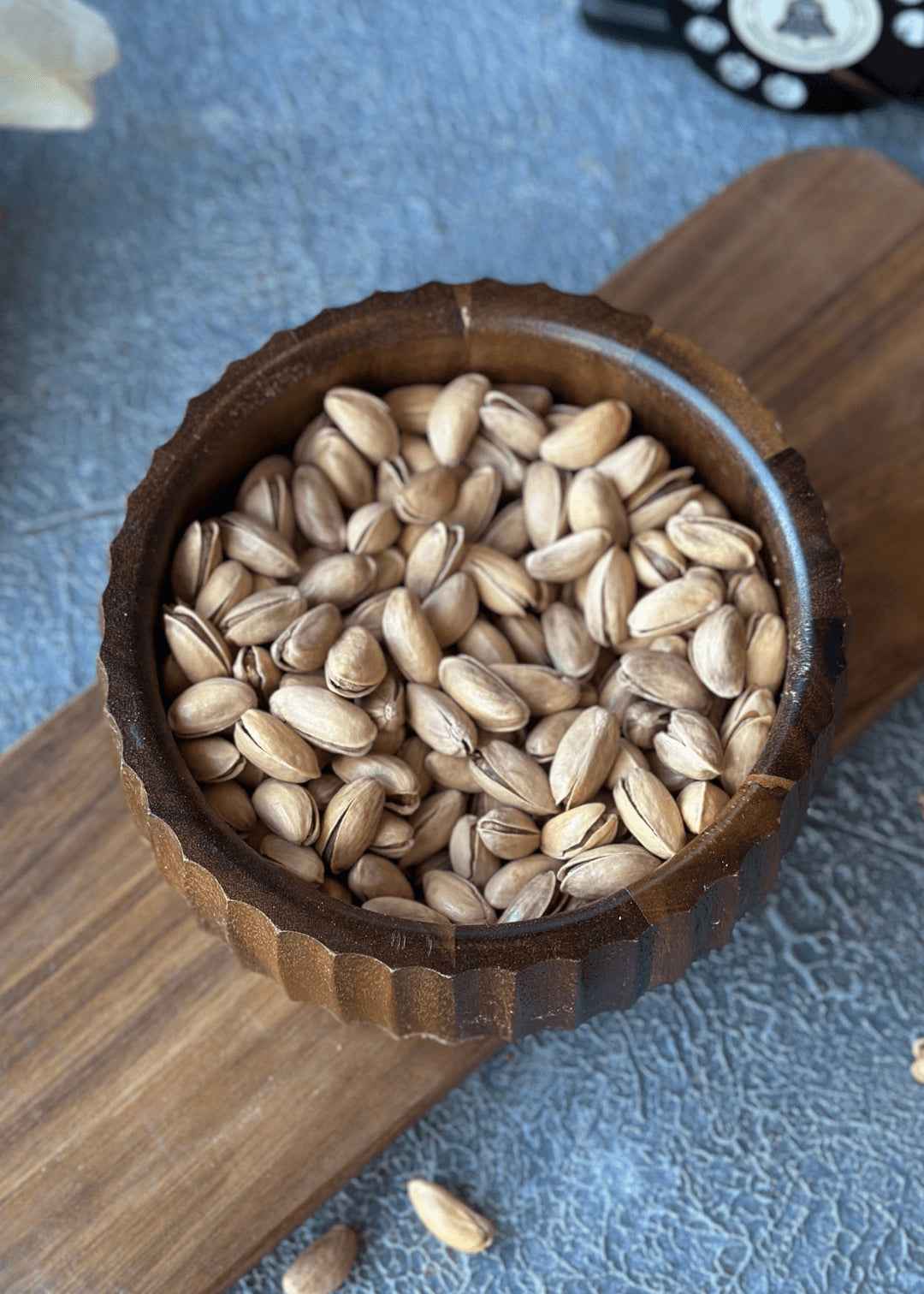
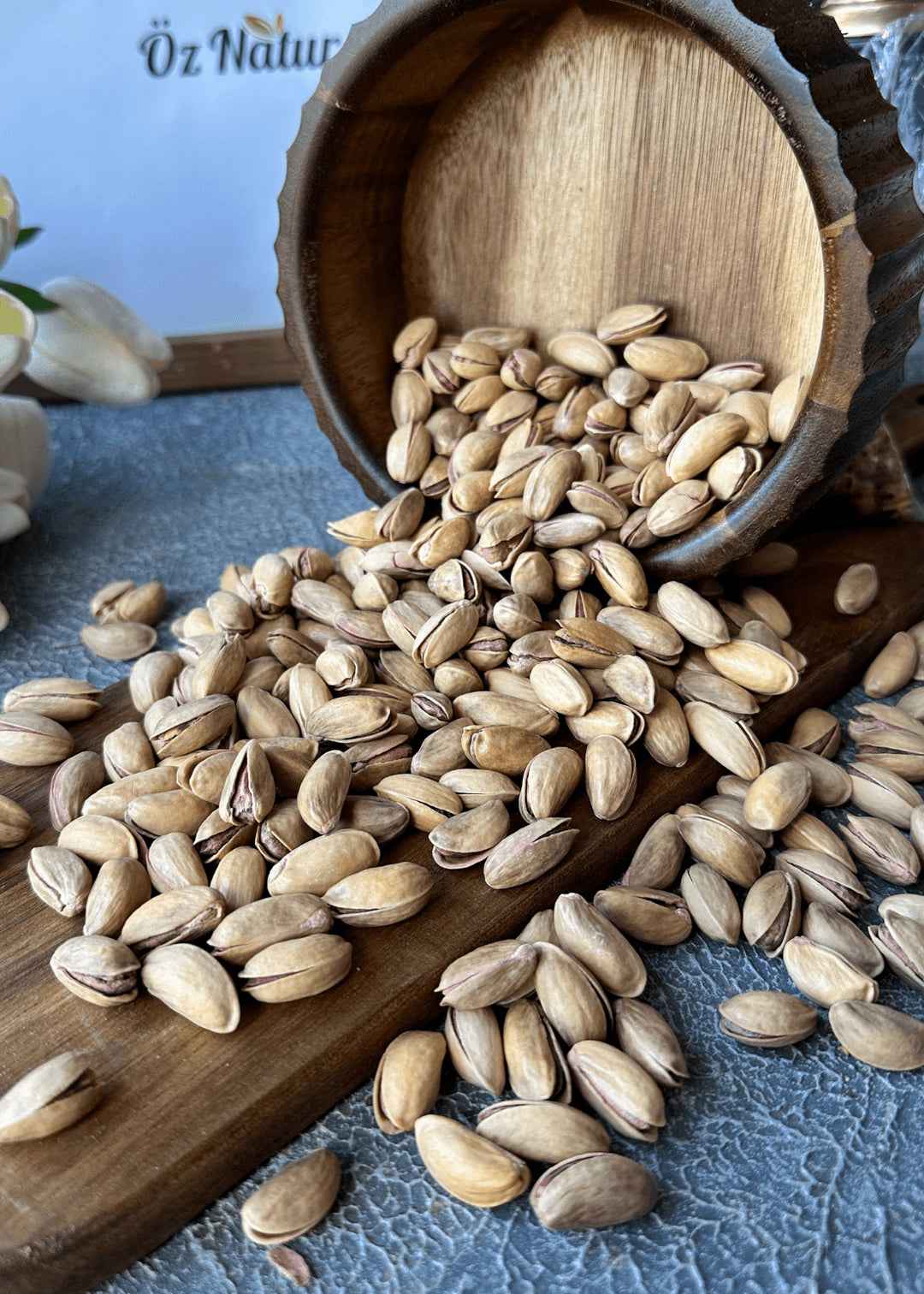
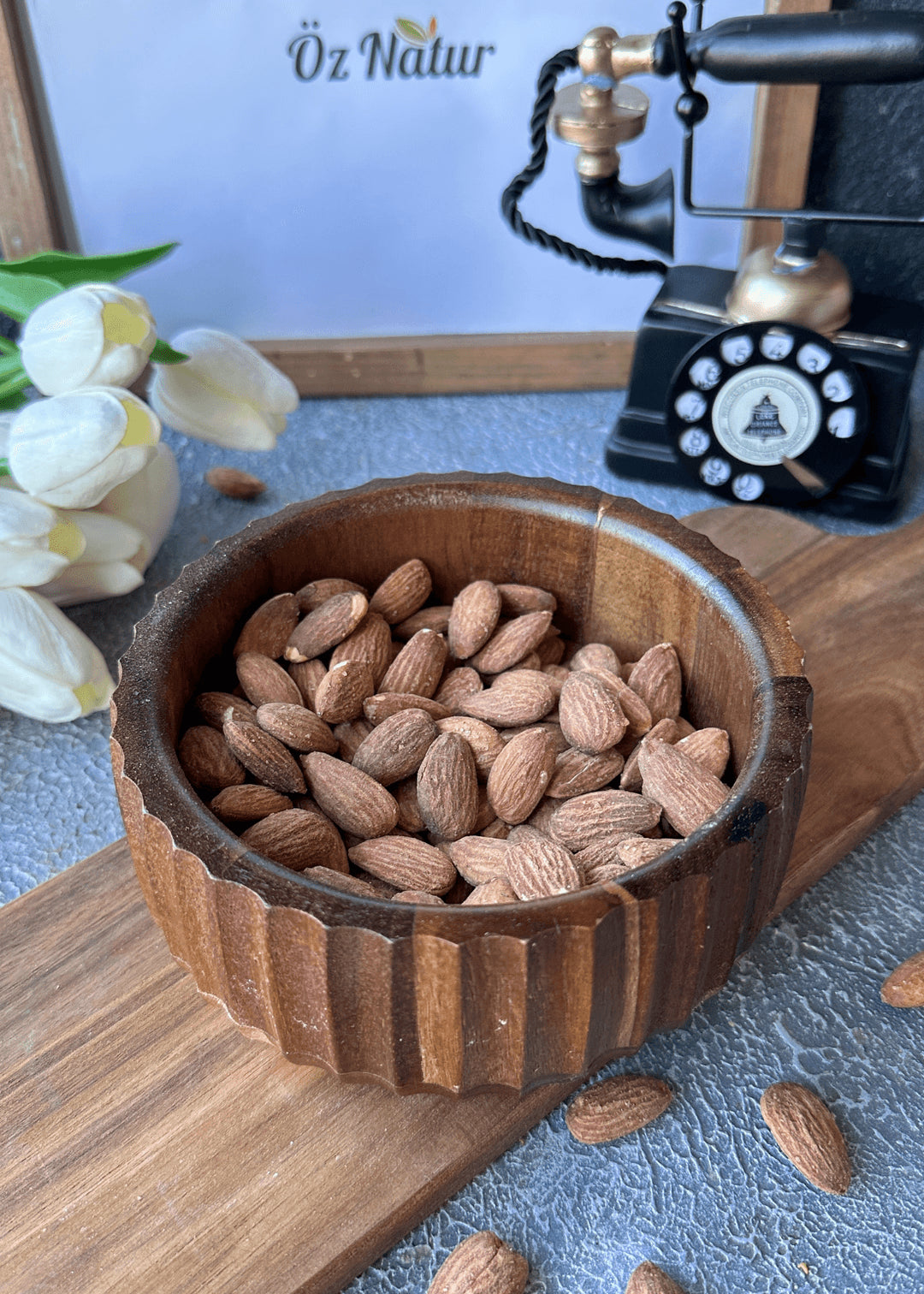
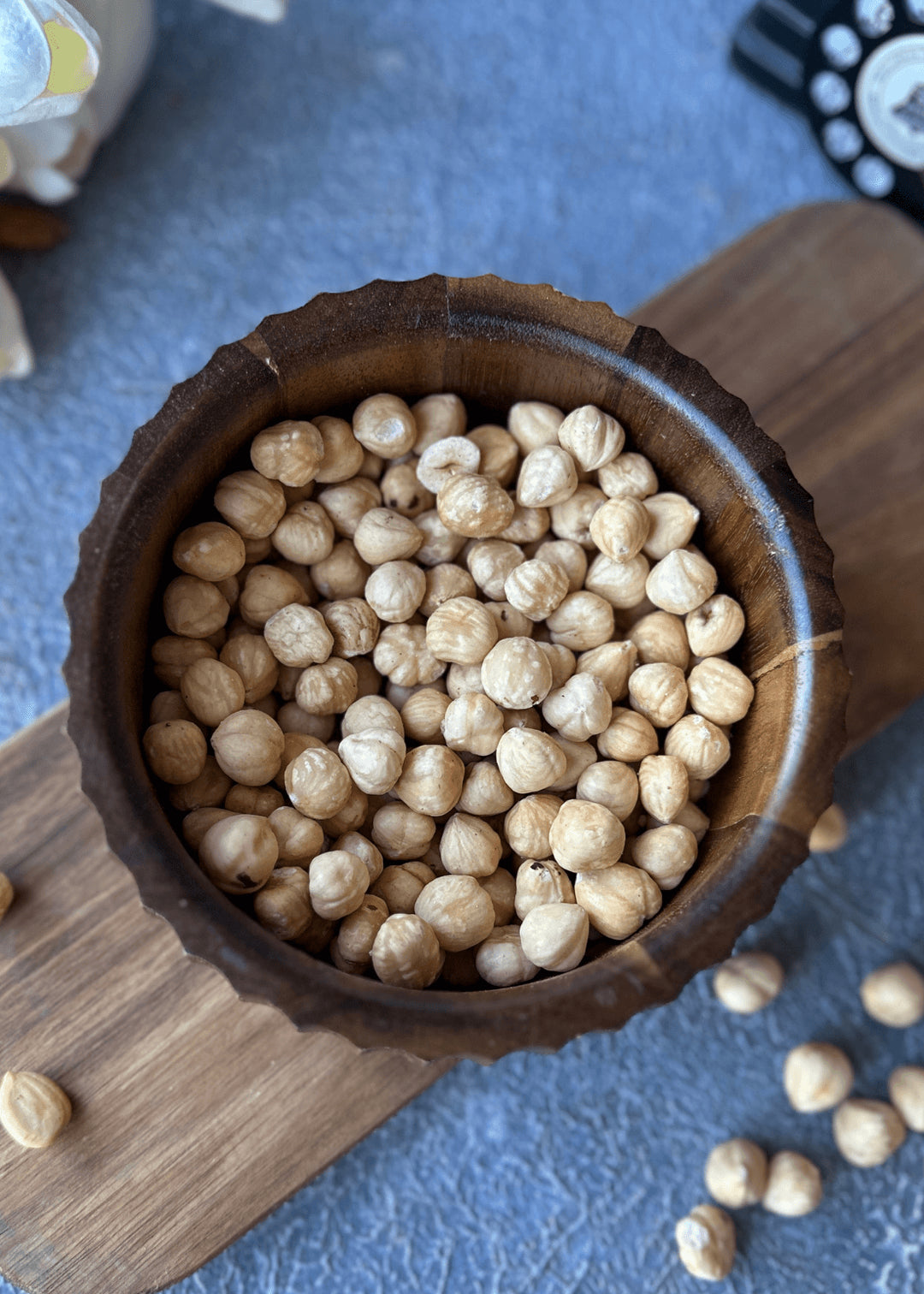
Dried fruits and nuts can also be served with Turkish coffee. Dried figs, dried apricots, dates, dried mulberries, walnuts, hazelnuts, almonds and pistachios can create a simple but rich plate when used in small portions. When the coffee is served without sugar, dried fruits can create a more noticeable balance next to the intense coffee flavour.
Cezerye, walnut sucuk, pestil and köme can also be used with Turkish coffee. Since these products have a dense structure, they should be served in small slices or pieces. Large portions may make the plate feel heavy and may draw too much attention away from the coffee. Thin slices of walnut sucuk or small pieces of pestil create a more practical coffee-side option.
Chocolate is also used with coffee, but if a more traditional presentation is desired, it can be balanced with Turkish delight or dried fruit rather than used alone. Very intense chocolates should be served in small pieces so that they do not overpower the coffee. The treat should support the coffee, not replace its main character.
How Are Turkish Delight, Dried Fruit and Nuts Used in Coffee Presentation?
Turkish delight works well in coffee presentation when it is served in small portions. A single piece beside the cup creates a simple and classic look. For a more carefully prepared plate, different Turkish delight varieties can be arranged in small pieces. However, using too much Turkish delight may make the plate feel heavy. The amount should therefore be controlled.
Dried fruits create different flavour transitions next to coffee. Dried figs, dried apricots, dates and dried mulberries can be served alone or with nuts. These products help create a softer accompaniment to the intensity of coffee. They are especially suitable when coffee is served without sugar. However, dried fruits should be used in small portions and should not cover the entire plate.
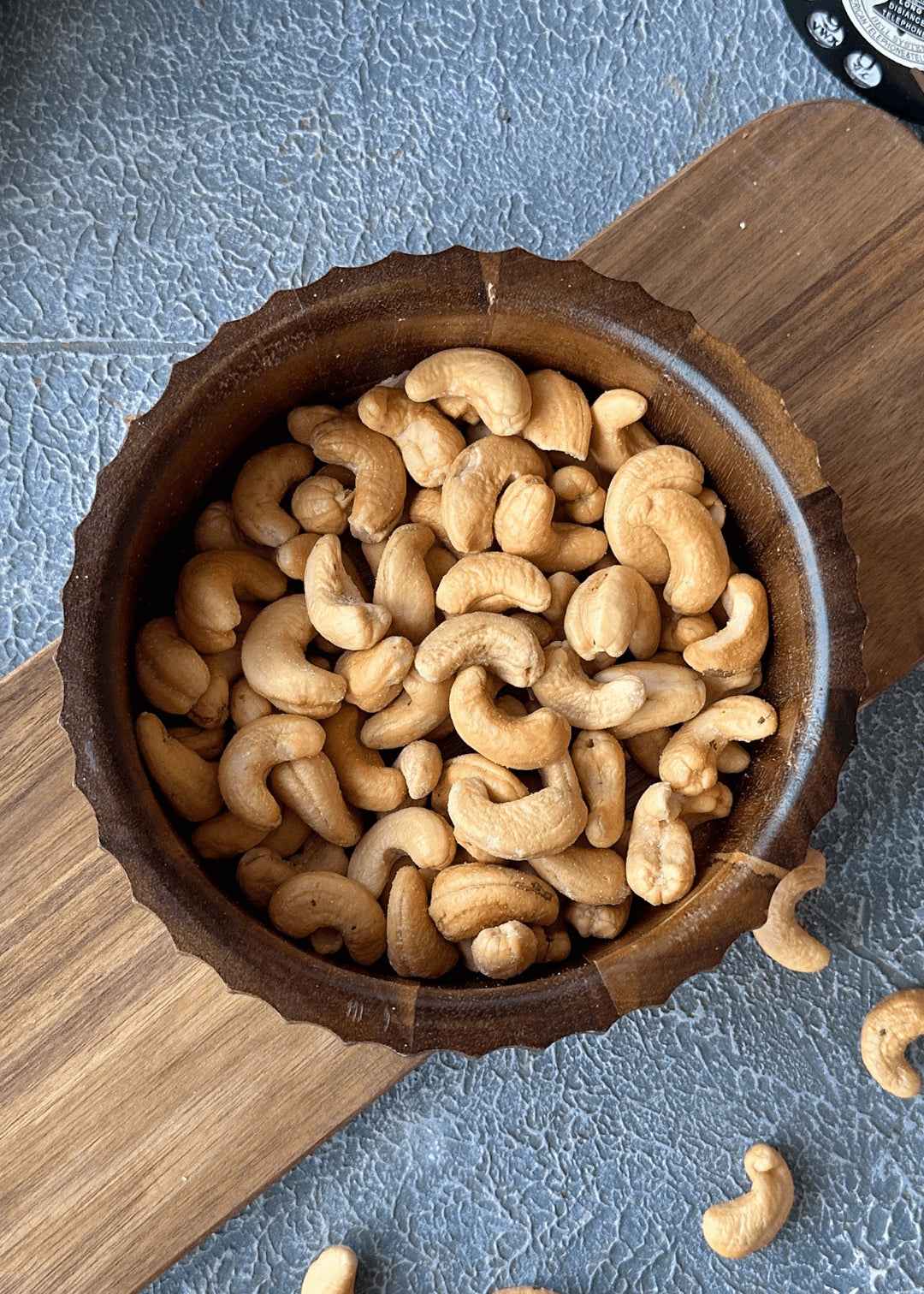
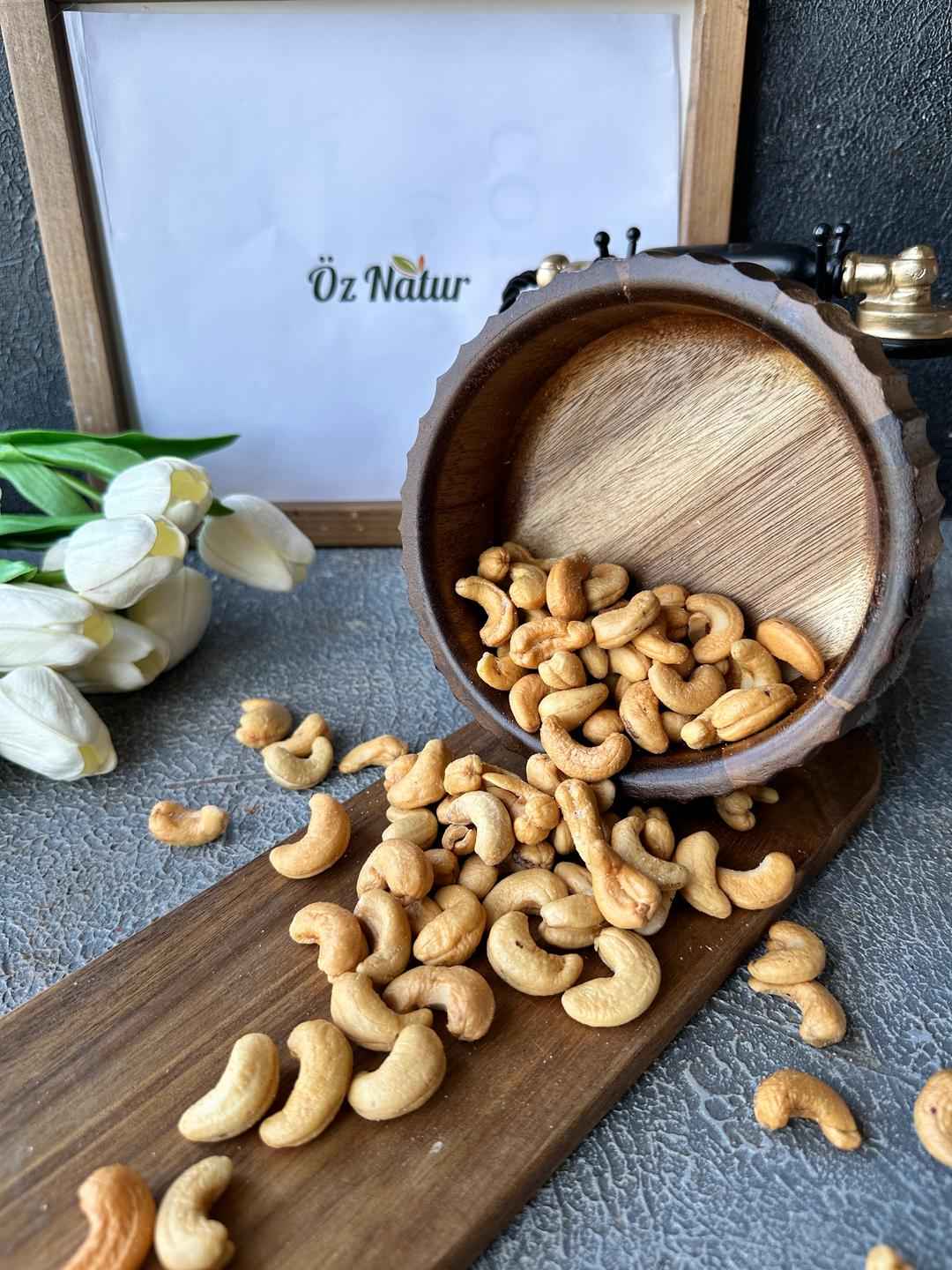
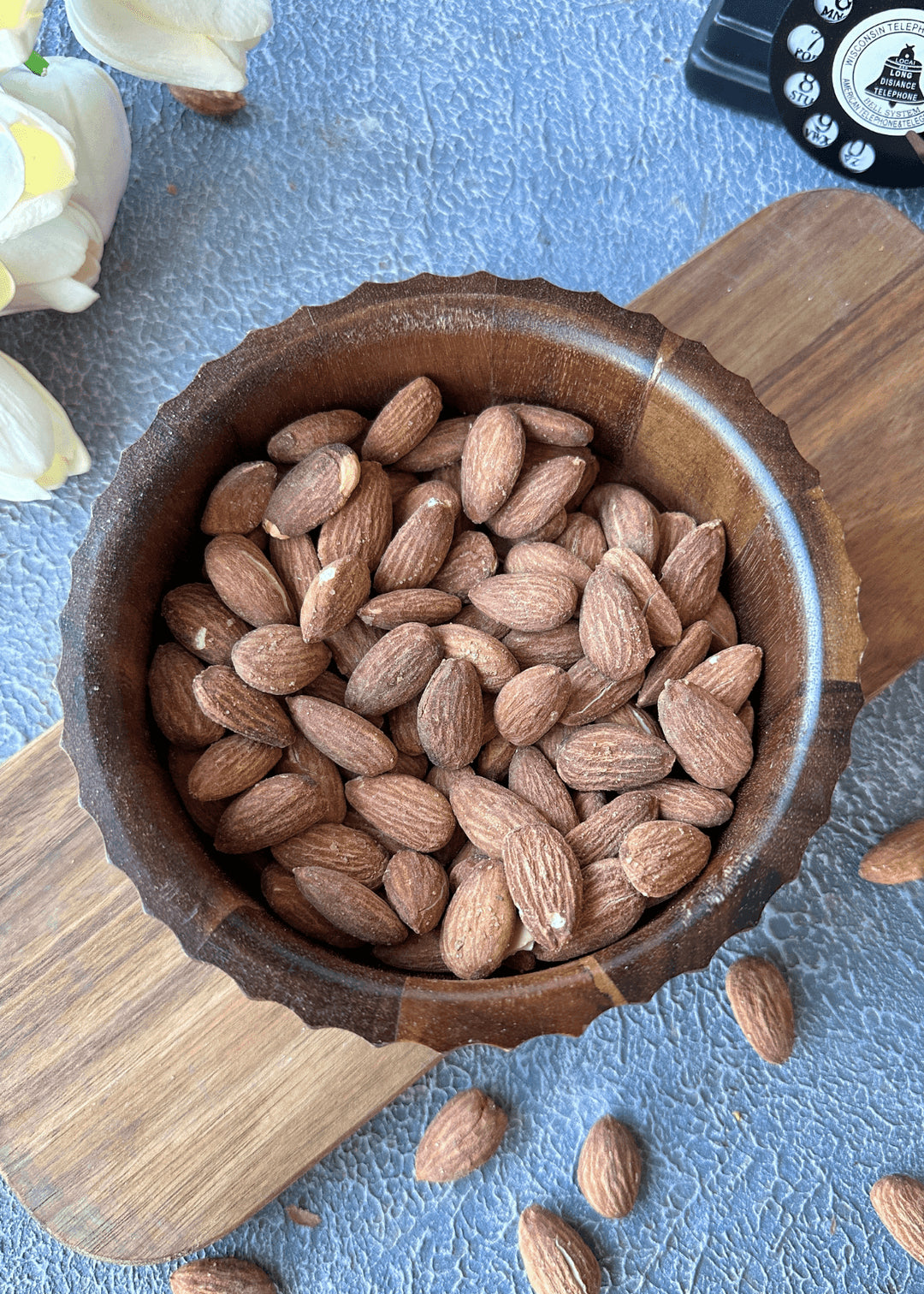
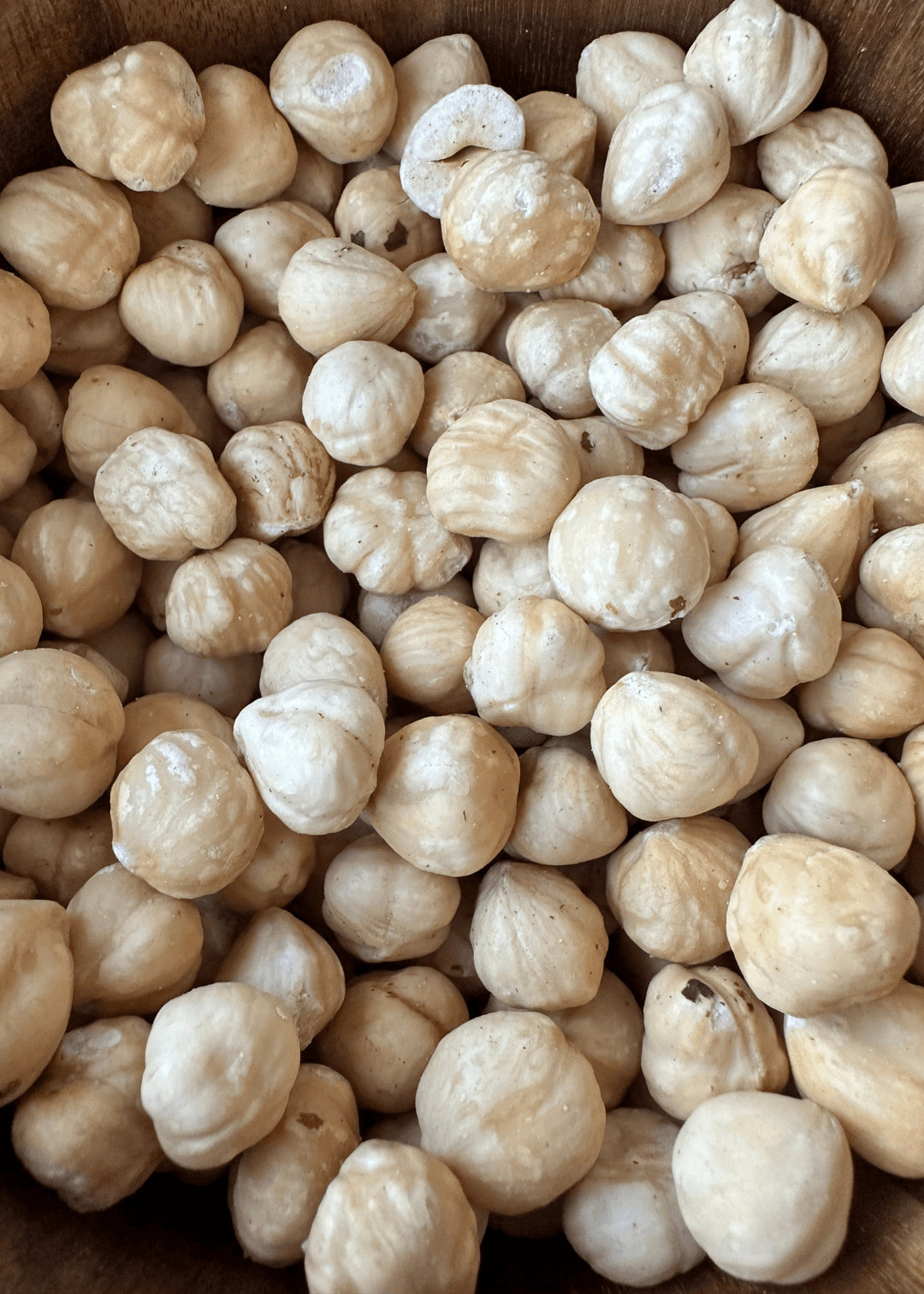
Nuts create a simpler and firmer accompaniment. Walnuts, hazelnuts, almonds, pistachios and cashews can be placed on the coffee plate in small amounts. If too many nuts are added, the plate may look more like a snack bowl than a coffee-side serving. A few selected nut varieties are enough to add texture and balance.
When Turkish delight, dried fruit and nuts are used together, the arrangement of the plate becomes important. Sweet and soft products can be placed on one side, while nuts can be placed on the other. Sticky or soft items should not be mixed directly with dry products. Small divided plates or neatly arranged flat plates can help keep every item in its own texture.
How Is a Coffee-Side Treat Plate Prepared for Guests?
When preparing a coffee-side treat plate for guests, the type of coffee and the time of serving should be considered first. For coffee served after a meal, smaller and simpler treats may be enough. For afternoon coffee servings, a more varied plate with Turkish delight, dried fruits, nuts and small traditional sweets can be prepared. The important point is that the plate should support the coffee without looking too heavy.
The size of the products should be kept small. Turkish delight can be served in bite-sized pieces, walnut sucuk can be sliced thinly, and pestil can be cut into small squares or strips. Dried figs and dried apricots can be served whole or cut in half. This arrangement makes serving easier and creates a more elegant appearance next to the coffee.
Colour and texture balance should also be considered. The soft texture of Turkish delight, the dense structure of dried fruits and the firmer texture of nuts create a more varied presentation when used together. However, instead of using too many products, a few suitable options should be selected. One piece of Turkish delight, a few dried fruits, a few nuts and a small piece of pestil can be enough for a balanced coffee-side plate.
For guest servings, the coffee cup, water glass and treat plate should be considered as a whole. When there is enough space beside the cup for water and small treats, the presentation looks more organised. Treats should not overcrowd the saucer. Serving them on a separate small plate is usually more practical. This allows both the coffee and traditional treats to keep their own space.
What Should Be Considered When Choosing Coffee-Side Treats?
The first point to consider when choosing coffee-side treats is flavour harmony. Very heavy, intense or dominant treats can push the coffee into the background. With stronger Turkish coffee or dibek coffee, smaller and more balanced treats are usually better. With milder coffees, more aromatic items can be used. Portion control is important in every case.
The texture of the products also affects the choice. Soft Turkish delight, dense dried fruits, crunchy nuts and sliced traditional sweets can create different texture transitions on the same plate. However, sticky products should not come into direct contact with dry products. Otherwise, the plate may look messy. Divided presentation or small portions help reduce this issue.
Storage condition should also be checked before serving. Turkish delight should not be overly hard, dried fruits should not be too dry, nuts should not taste stale, and traditional products should have a normal surface texture. Even a small coffee-side treat can affect the overall impression of the presentation. For this reason, smell, appearance and texture should be checked before serving.
Simplicity often creates a better result in coffee-side presentations. Instead of using too many varieties, choosing a few products that match the coffee creates a more balanced serving. Turkish delight, dried fruits, nuts, pestil, walnut sucuk or cezerye can be combined in small amounts. This keeps the character of the coffee clear while presenting traditional serving culture in a more organised way.