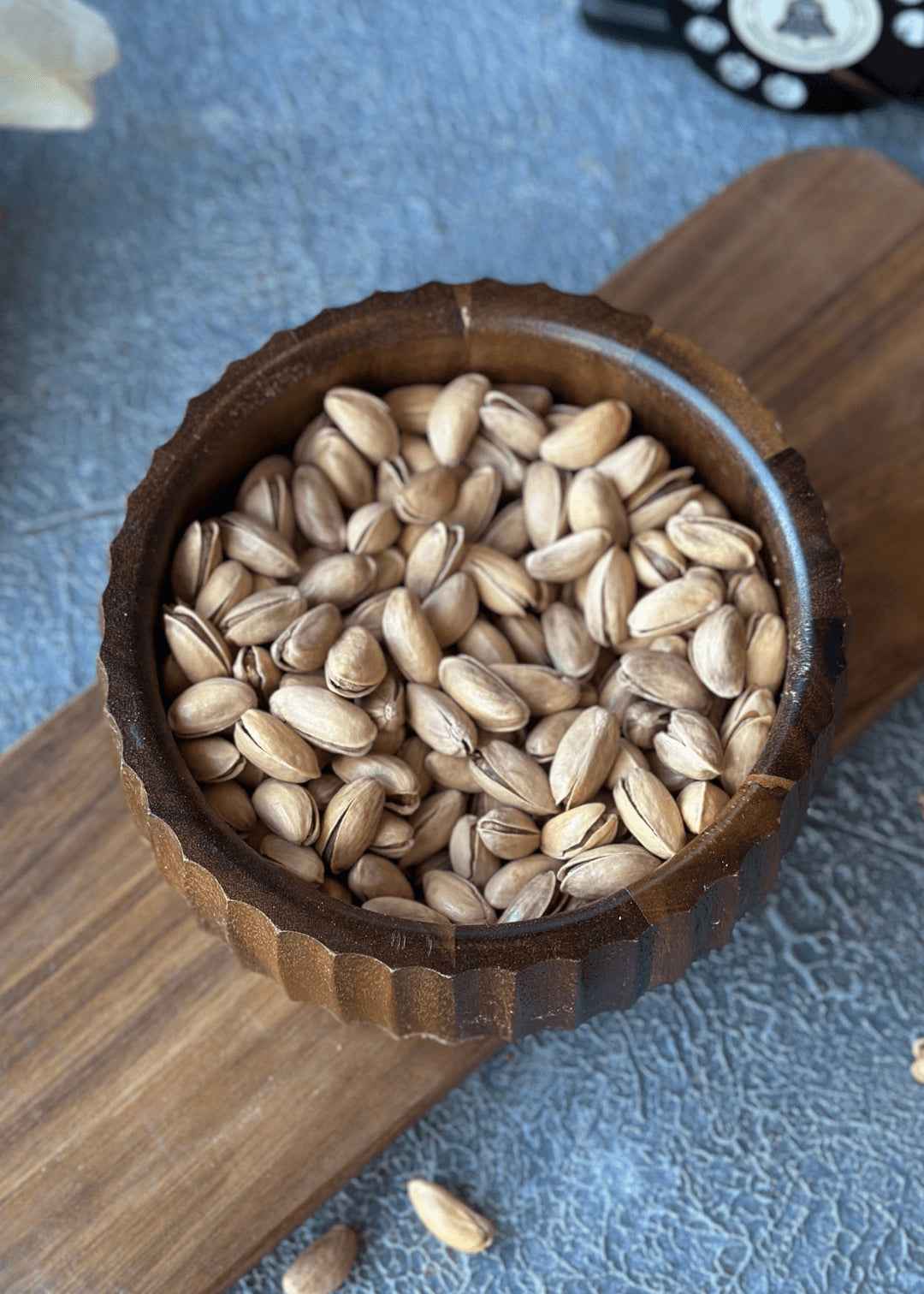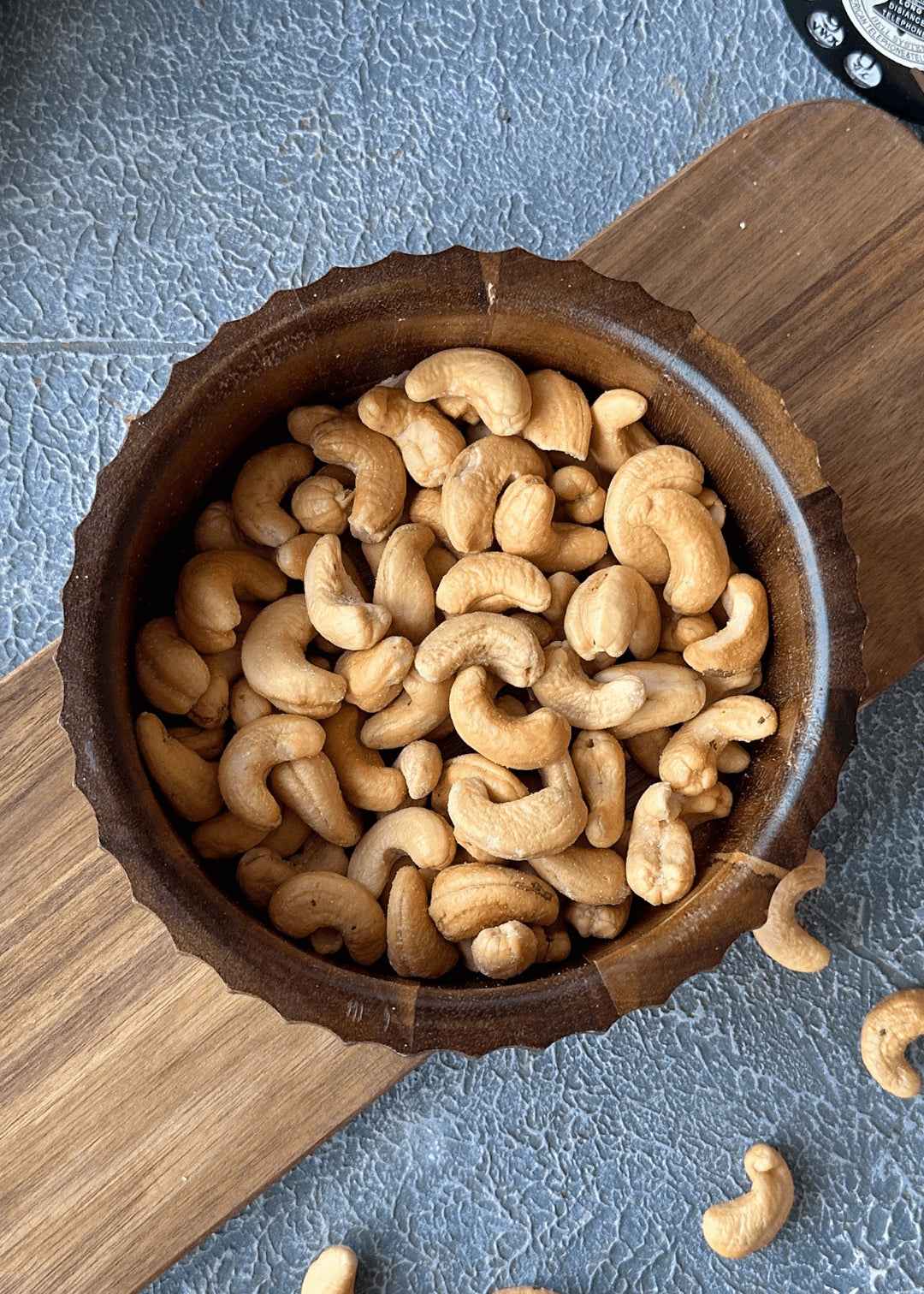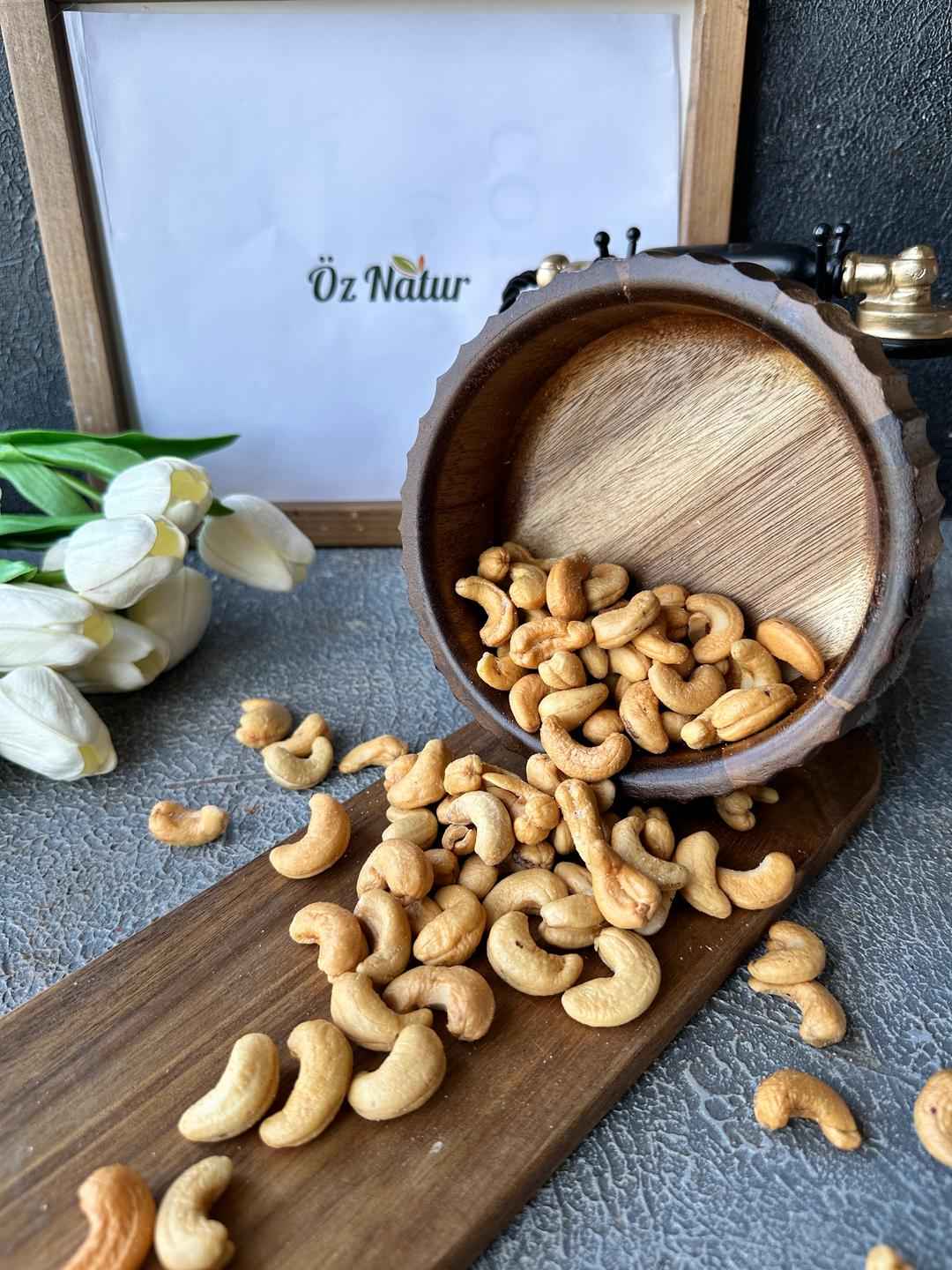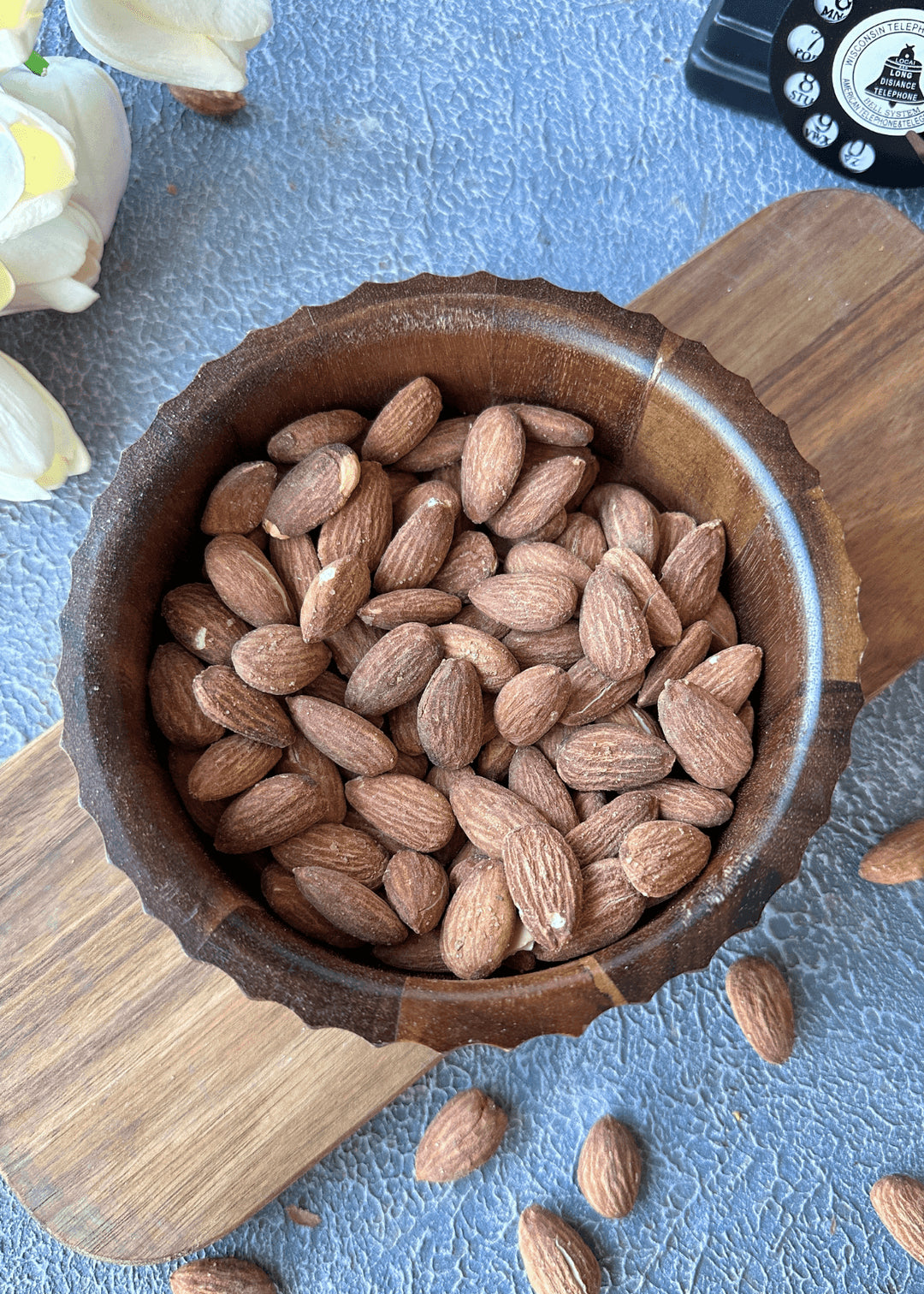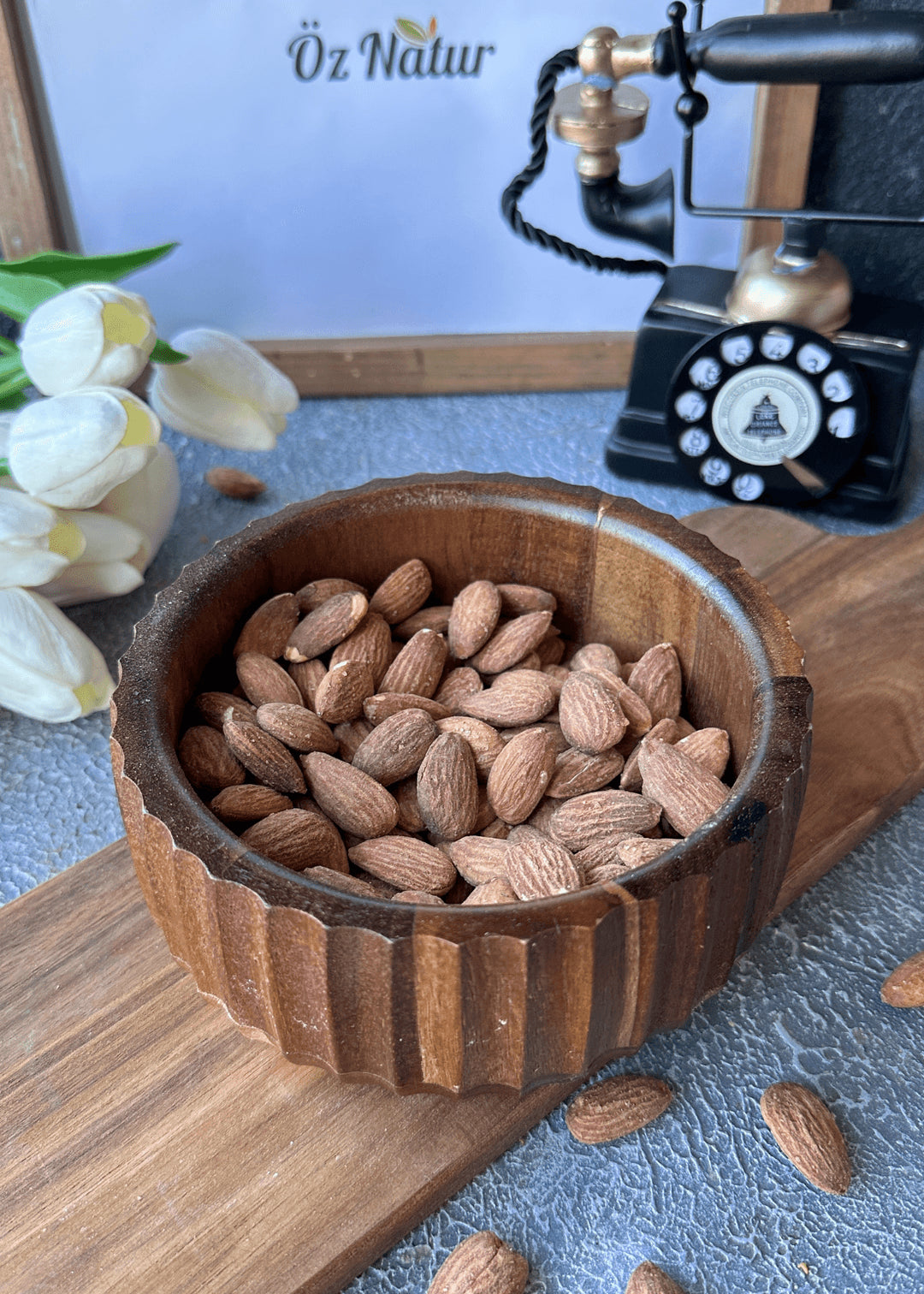

Nuts are among the most frequently consumed products in daily kitchens. Almonds, hazelnuts, walnuts, cashews, and pistachios can be eaten on their own or used in many different areas, from breakfast tables to dessert recipes. To preserve the flavor, texture, and natural structure of these products, proper storage is essential. Otherwise, they may quickly become stale, lose their crunch, and develop unwanted odor or flavor changes.
The natural oils found in nuts give them their characteristic taste. At the same time, this structure also makes them more sensitive to unsuitable storage conditions. External factors such as air, moisture, heat, and light can directly affect product quality. For that reason, it is not enough to leave nuts in the package they came in. The environment, the type of container, and the way the product is handled all play an important role in preserving freshness.
At home, convenience is often the first priority when storing nuts. However, without the right methods, products may lose their original quality sooner than expected. This becomes even more important for people who buy in bulk or keep several nut varieties on hand for regular use. Shelf life can vary depending on whether the nuts are raw or roasted, shelled or unshelled, and how they are stored after opening.
Knowing the main factors that affect freshness, using practical home storage methods, and taking simple but effective precautions against flavor and texture loss help reduce waste and maintain product quality. When stored correctly, almonds, hazelnuts, walnuts, cashews, and pistachios can remain enjoyable for a much longer time.
What Are the Main Factors That Affect the Freshness of Nuts?
One of the most important factors affecting freshness is exposure to air. Nuts that remain in contact with air for long periods gradually lose their original aroma. This is especially noticeable in products with a higher oil content, such as walnuts, almonds, and hazelnuts. Even if the outer surface still looks fine, flavor changes may slowly begin inside. Nuts kept in open bowls or in containers that do not close properly usually lose freshness much faster.
Moisture is another critical factor. Nuts stored in humid conditions can quickly lose their crisp texture. This is particularly obvious in roasted products. Hazelnuts and cashews, for example, may soften noticeably if they are kept in a damp environment. Thinner products such as pumpkin seeds or sunflower seeds can also show texture changes very quickly. Moisture affects not only crunch but also the overall eating experience.
Temperature has a direct impact on quality as well. Areas near ovens, stovetops, or sunny windows are not suitable for storing nuts. High temperatures can affect the natural oils inside the product and gradually lead to unpleasant flavor changes. In some cases, this can appear as bitterness. In others, it may be noticed as an unusual or heavy smell. During warmer months, this becomes even more important, especially for almonds, walnuts, and pistachios.
Light is another factor that is often overlooked. Nuts stored for long periods in transparent jars under sunlight or in constantly bright spaces may lose quality more quickly. Light can gradually affect color, aroma, and the overall structure of the product. For longer storage, nuts should be kept in a cool, dry, and dark place. In short, the four main elements that affect nut freshness are air, moisture, heat, and light.
What Are the Best Methods for Storing Nuts at Home?
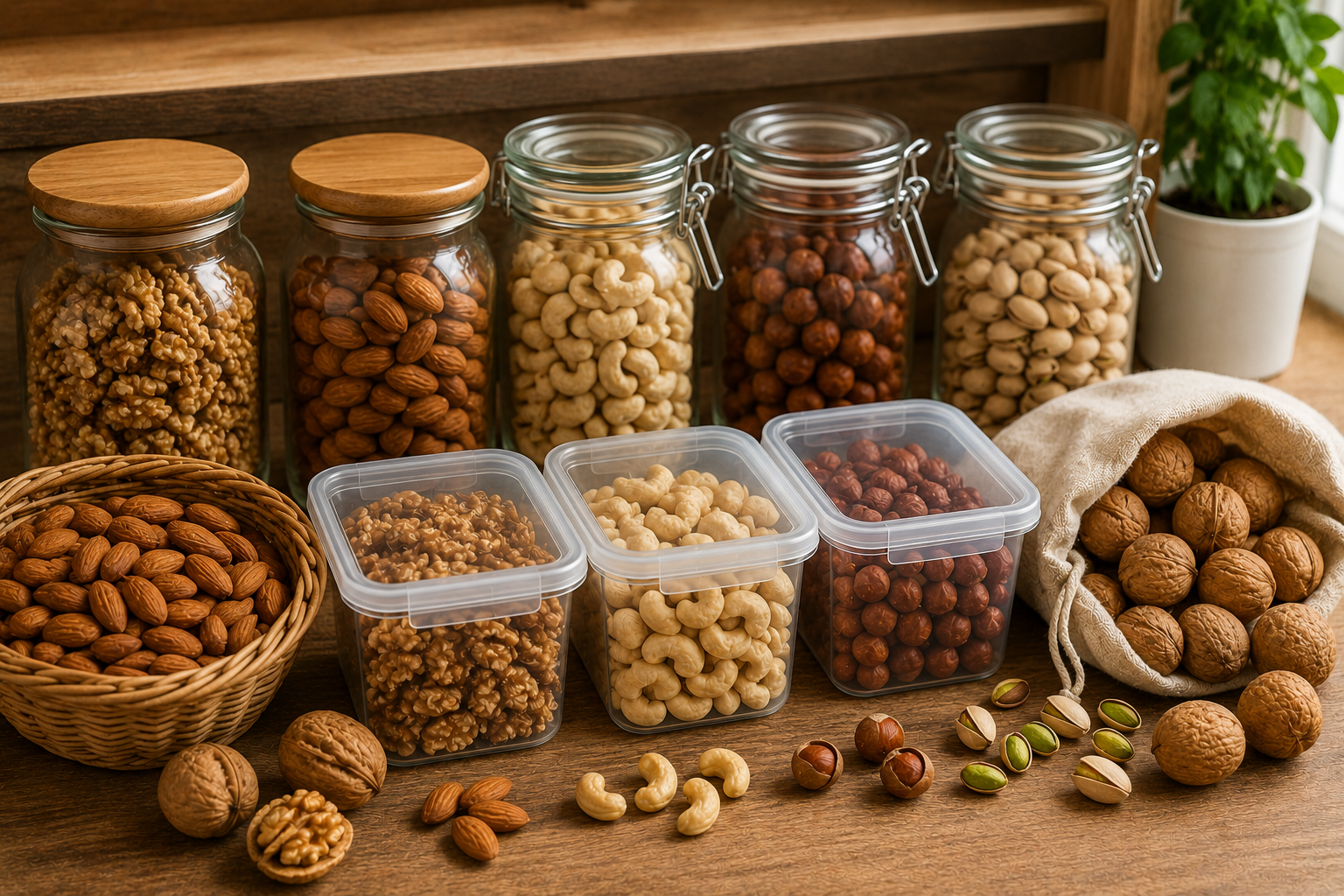
One of the safest ways to store nuts at home is to transfer them into airtight containers. Glass jars, firm-lid storage boxes, and high-quality resealable bags are all useful options. Glass containers are especially practical because they do not absorb odors and help maintain the product in a neutral environment. For frequently used products such as almonds, hazelnuts, and walnuts, storing smaller portions in glass jars is an effective solution. Instead of opening and closing a large package repeatedly, dividing the product into manageable portions helps preserve quality.
It is also a good idea to store different nut types separately. Keeping several products in one container may seem convenient, but each nut has its own sensitivity to aroma and moisture. For example, it is better to store cashews and pistachios separately from walnuts and almonds. This prevents one product from affecting the others if it starts to lose quality more quickly. Separating products also makes stock control and kitchen organization easier.
For nuts that will be consumed within a short period, a cool kitchen cupboard may be enough. However, if the room temperature is high or if the products need to be kept longer, the refrigerator can be a good option. When using the refrigerator, the most important point is to prevent the nuts from absorbing surrounding odors. The container should therefore be tightly sealed and should allow as little air exchange as possible. Walnuts and almonds, in particular, can keep their quality longer in the refrigerator when stored properly.
Freezing is a practical option for long-term storage, especially for large quantities. If a large amount of hazelnuts, walnuts, cashews, or pistachios is purchased, it is better to portion them before freezing rather than storing everything together. That way, only the required amount is taken out each time, and the product is not exposed to repeated temperature changes. Frozen nuts can be left at room temperature briefly before use. This method is especially helpful for users who like to keep a longer stock at home.
How Can Flavor and Texture Loss in Nuts Be Prevented?
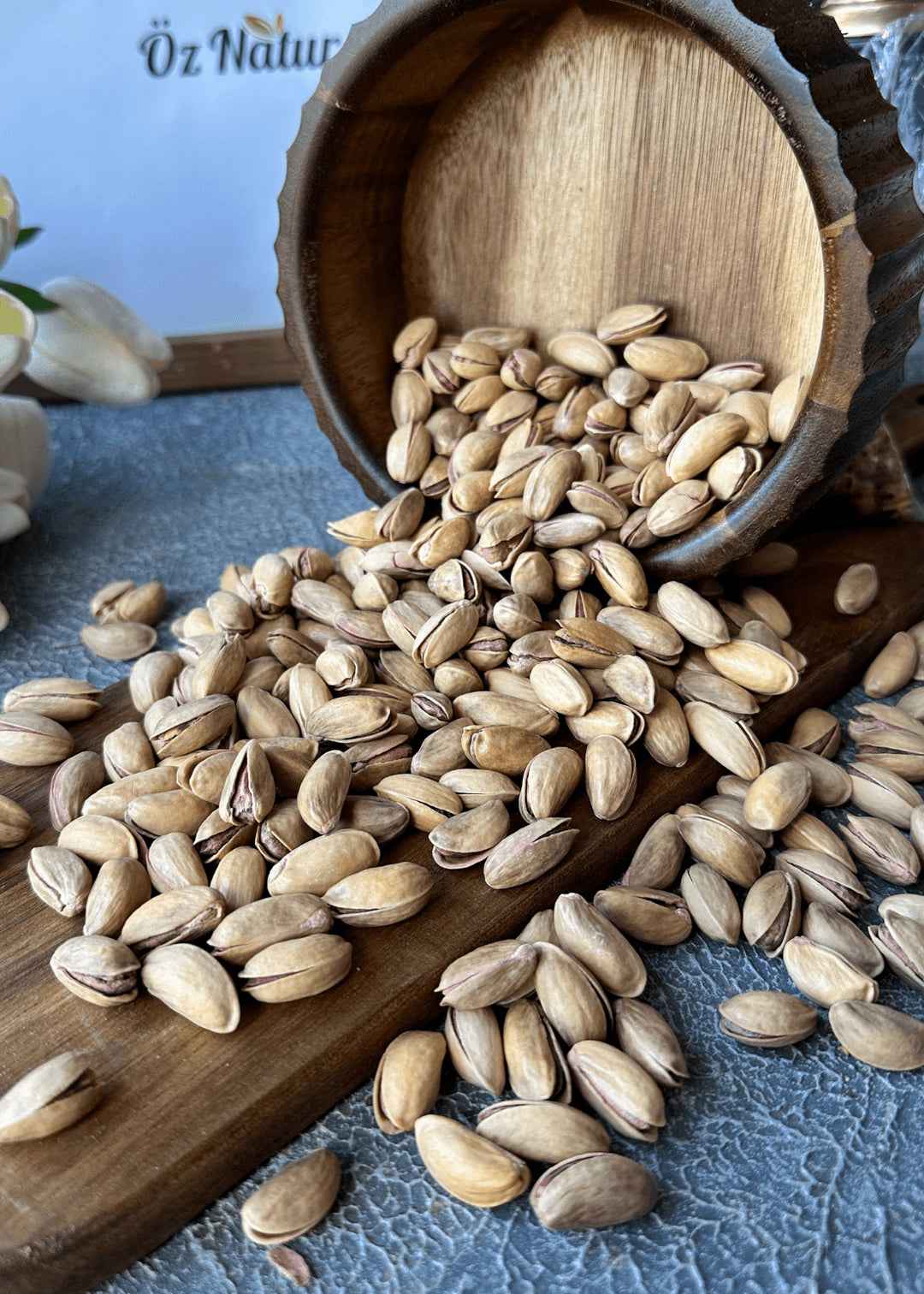
Preventing flavor and texture loss starts at the time of purchase. Products that are not fresh, that have been left exposed for too long, or that have already lost their crispness will not deliver ideal results even with careful storage at home. For that reason, appearance, smell, and general freshness should be checked when buying nuts. If walnut kernels look overly dull and brittle, if almonds appear too dry and wrinkled, or if pistachios have a clearly stale smell, the product may already be past its best stage.
It is also useful to adapt daily use habits according to the structure of each nut. For example, if walnuts and hazelnuts are used often at breakfast, storing them in smaller containers is more practical. This prevents the main stock from being exposed every day. Cashews and pistachios are often served as snacks, so portioning them before serving can help. Leaving large bowls of nuts open for hours causes more contact with air and room moisture. Serving only the amount that will actually be eaten and keeping the rest sealed preserves quality more effectively.
To protect flavor, nuts should also be stored away from strongly scented foods. They easily absorb nearby odors and may gradually lose their own natural aroma. This is particularly noticeable in milder products such as almonds, cashews, and hazelnuts. Storing nuts separately in closed containers is therefore an important step.
To reduce texture loss, it is also helpful to avoid unnecessary handling. Frequently opened containers, contact with wet spoons, or returning unused nuts from a serving bowl back into storage may all affect quality over time. Nuts should be handled with dry utensils, kept in clean containers, and checked from time to time. When proper product selection, suitable containers, a cool environment, and controlled use come together, the flavor and texture of nuts remain stable for much longer.