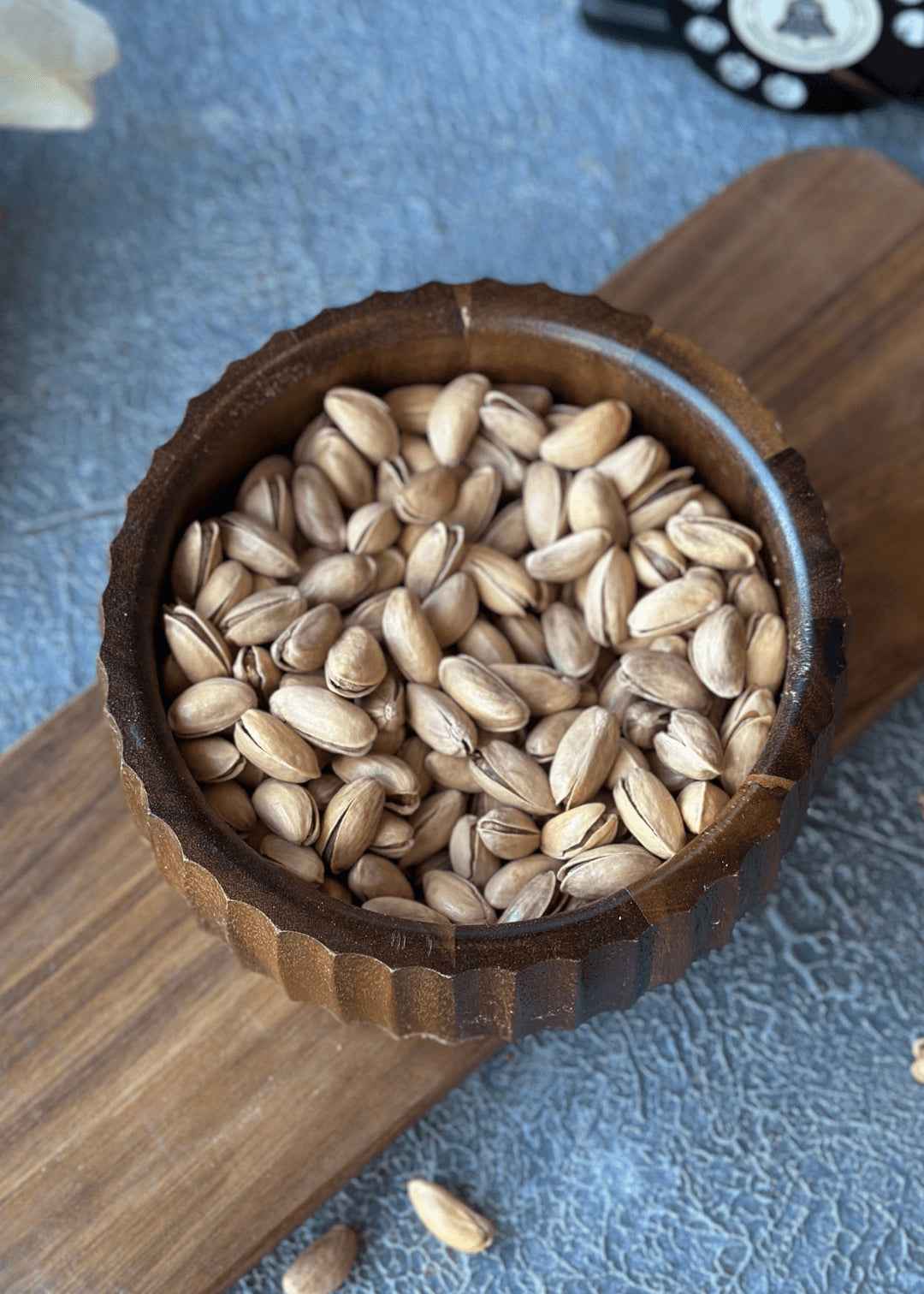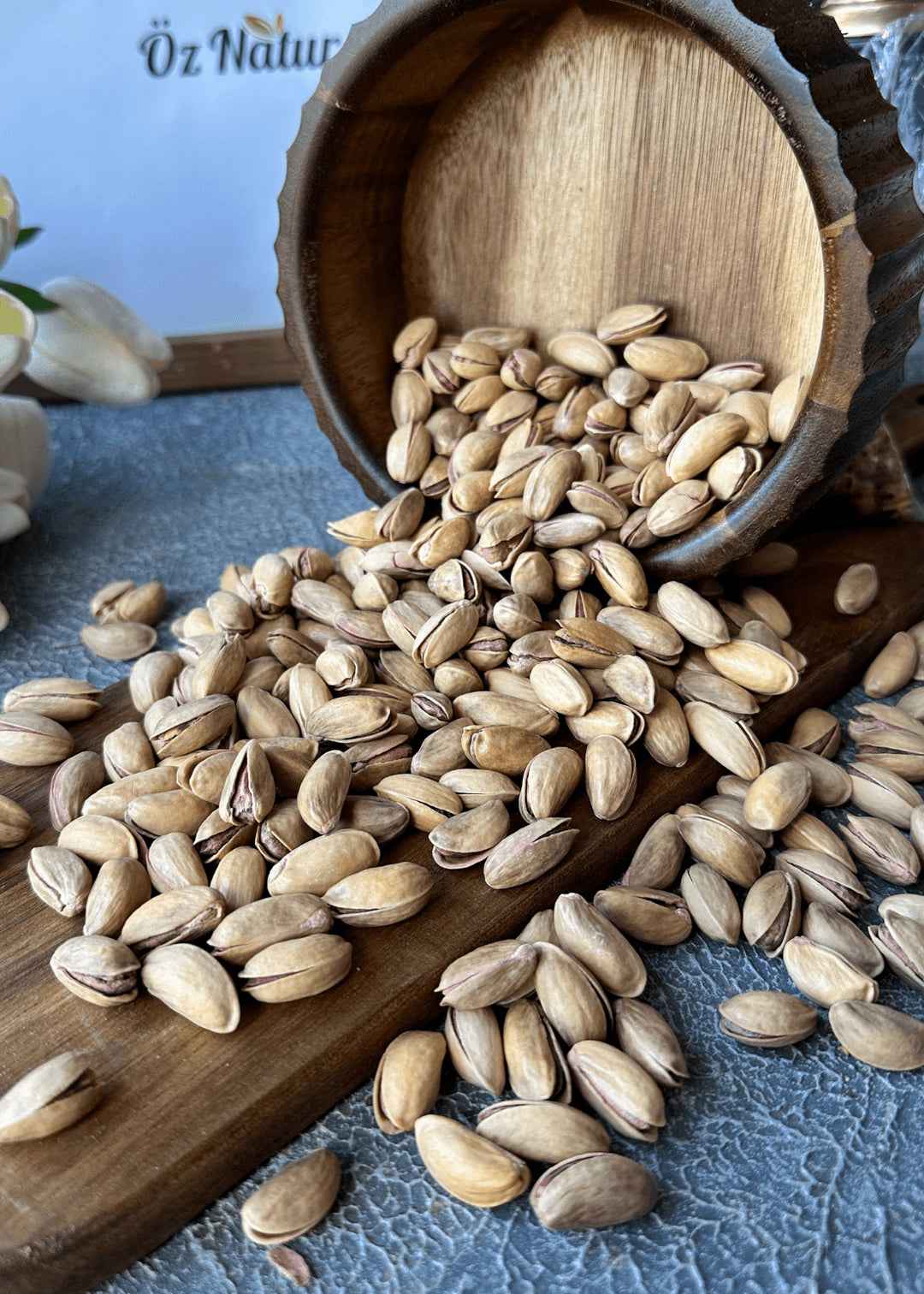


Pistachios can lose their crunch, aroma, and original flavor surprisingly quickly when they are not stored correctly. Shelled pistachios, roasted pistachios, and products sold loose are especially sensitive to outside conditions. Air, moisture, heat, and light all directly influence freshness. For that reason, simply leaving pistachios in their package is not enough. The place where they are kept, the container used, and the way they are handled matter just as much as the quality of the product itself.
Because pistachios naturally contain oil, their storage conditions need to be considered carefully. This natural oil is one of the main sources of their flavor, but under poor storage conditions it may also lead to faster quality loss. When left in warm places or in containers that allow too much air contact, pistachios may develop heavier notes and weaker aroma. It is therefore useful to think separately about short term and long term storage. The best approach for daily use may not be the same as the best approach for larger quantities kept over time.
One of the most common mistakes at home is leaving pistachios in their original opened package. Thin bags, poorly sealed pouches, or open serving bowls leave the product too exposed to the surrounding environment. This is especially noticeable in roasted pistachios, which can quickly lose their lively texture. Instead of the expected firm and crisp bite, the product may become softer and less satisfying. In shelled pistachios, aroma loss may appear even earlier.
With the right storage method, however, pistachios can keep their quality for much longer. The aim is not only to prevent obvious spoilage, but also to preserve the original crispness and full pistachio flavor as much as possible. For that, it is necessary to understand which conditions affect freshness, which methods work best at home, and which simple precautions reduce changes in texture and taste over time.
Which Conditions Affect the Freshness of Pistachios?
The most important factor affecting pistachio freshness is exposure to air. A product that remains in contact with air gradually loses its original aroma. Shelled pistachios are especially sensitive in this respect. In products left uncovered, the first signs are usually weaker smell and softer texture. That is why pistachios should not be left for long periods in open bowls or loosely closed packages.
Moisture is another factor that quickly affects the structure of pistachios. Pistachios kept in a humid environment may lose their crunch and the dry, firm texture expected from a good snack. This is especially obvious when the product is consumed directly as an appetizer or table snack. Even if the taste itself seems close to normal, the texture change alone can reduce overall enjoyment. Dry storage areas are therefore essential.
Temperature also influences the natural oils inside pistachios and may gradually cause the taste to feel heavier. Areas near the stove, oven, or sunny shelves are not suitable for storage. During warmer months, high room temperature can reduce both aroma and flavor clarity. Stable and cooler places are much more suitable for keeping pistachios fresh over time.
Light becomes important in longer storage periods as well. Pistachios kept in transparent containers in bright places may gradually be affected in both color and aroma. Cupboards or covered areas that reduce light exposure are safer. When air, moisture, heat, and light are all controlled together, pistachios remain fresher for longer.
Which Methods Are Suitable for Storing Pistachios at Home?
The most suitable way to store pistachios at home is to transfer them into airtight containers. Glass jars and tightly sealed storage boxes work especially well for this purpose. Glass is useful because it does not absorb surrounding odors and provides a more stable storage environment. For frequently used pistachios, dividing the product into smaller portions helps prevent the main stock from being opened too often.
It is also practical to separate pistachios according to their intended use. One part may be kept for direct snacking, while another may be reserved for desserts or recipe use. Shelled pistachios and pistachios in shell should also be considered separately, because open products react more quickly to outside conditions. This kind of organization makes both storage and daily use more efficient.
For short term storage, a cool and dry cupboard is often enough. In warmer homes, or when a larger quantity is being stored, the refrigerator can provide a more controlled option. The most important point in refrigerator storage is keeping the product tightly sealed. Pistachios can absorb surrounding odors, so they should not be kept open near strongly scented foods. The better the container closes, the better the quality is preserved.
For long term storage, freezing may also be considered. In large purchases, it is useful to portion pistachios before freezing them. This way, only the necessary amount is removed each time. Repeated thawing and refreezing should be avoided. Portion based storage helps maintain structure and makes large quantities more manageable over time.
How Can Flavor and Texture Loss in Pistachios Be Prevented?
The first step in preventing flavor and texture loss is to choose the right product from the beginning. Pistachios that have already been left out too long, that have lost their crispness, or that have weak aroma will not give ideal results even if they are later stored carefully at home. When buying pistachios, it is useful to pay attention to appearance, smell, and overall freshness. Products that seem dull in color, softer than expected, or heavier in smell may already be losing quality.
Daily use habits also affect preservation. Large bowls of pistachios left open during gatherings are exposed more strongly to room air and moisture. A better method is to serve only the amount that will be eaten and keep the remaining pistachios closed in their container. This helps maintain both crunch and aroma for future use.
Pistachios should also be kept away from foods with strong odors. Spices, cheese, or heavily aromatic ingredients can interfere with the natural pistachio aroma when products are stored nearby in open conditions. Shelled pistachios are especially sensitive to this. Closed and separate storage is therefore one of the simplest ways to protect their flavor.
Finally, unnecessary handling should be minimized. Using wet spoons, leaving containers open for too long, or returning leftover serving portions to the original storage jar can all affect product quality. Pistachios should be handled with dry utensils, stored in clean containers, and checked from time to time. When proper product selection, suitable containers, a cool environment, and controlled use come together, pistachios can keep their flavor and texture for much longer.