

Ajwa date is a distinctive variety of date known for its unique appearance, soft texture, and rich flavor profile. It is often recognized by its dark color, balanced sweetness, and smooth bite. Among many date varieties, Ajwa date stands out thanks to its characteristic texture and versatile use. For people interested in traditional and natural products, it is one of the date types that attracts attention both for its flavor and its presentation value.
Dates in general can be used in many ways, from breakfast tables and snack plates to dessert recipes and serving platters. Ajwa date is no exception. Its soft structure makes it suitable for direct consumption, but it can also be incorporated into a wide range of recipes. For those who want to include natural foods in their daily eating habits, Ajwa date offers a practical and flexible option.
Understanding this date variety more closely helps not only with choosing the right product during shopping, but also with making better use of it in the kitchen. Not every type of date has the same texture, sweetness level, storage need, or serving style. Ajwa date has its own character, and when selected carefully and stored properly, it maintains its quality more effectively.
It is also important not to think of Ajwa date only as a simple snack. It can be served at breakfast, presented alongside warm drinks, included in some desserts, or used in carefully prepared serving plates. For that reason, knowing its key characteristics, how it can be used at the table, and how it should be stored is highly valuable.
What Are the Distinctive Characteristics of Ajwa Date?
One of the most noticeable qualities of Ajwa date is how it differs from many other date varieties in both appearance and texture. It usually has a dark brown to almost black tone and may show a naturally wrinkled outer surface. Inside, it offers a soft yet dense consistency. This balance makes it suitable for both direct consumption and culinary use. It is neither too dry nor overly moist, which is one of the reasons it is widely appreciated.
In terms of taste, Ajwa date offers sweetness in a balanced way rather than delivering an excessively sugary impression. This balance allows it to appeal to different taste preferences. While some date varieties are firmer or much more caramel-like in flavor, Ajwa date often presents a softer and more rounded profile. This makes it suitable both as a standalone food and as part of more elaborate servings.
Another key feature is its versatility. Ajwa date is not limited to a conventional snack role. It can appear in breakfast arrangements, cheese platters, nut mixes, and natural snack combinations. Because of its soft texture, it can also be mashed and used in certain preparations. This versatility allows it to fit naturally into both traditional and modern kitchen settings.
Ajwa date also has a strong presentation value. Its dark tone and distinctive shape make it visually attractive on serving plates. For consumers who are looking for a date variety with both flavor and visual identity, Ajwa date offers a clear point of distinction. Knowing these features makes it easier to decide where and how it can best be used.
How Can Ajwa Date Be Used at the Table and in Recipes?
The most straightforward way to consume Ajwa date is on its own. It can easily be served at breakfast, enjoyed as a small snack during the day, or added to a simple serving plate. Its soft texture and balanced sweetness make it suitable for direct use without requiring further preparation. This makes it especially practical for households that prefer simple and natural foods.
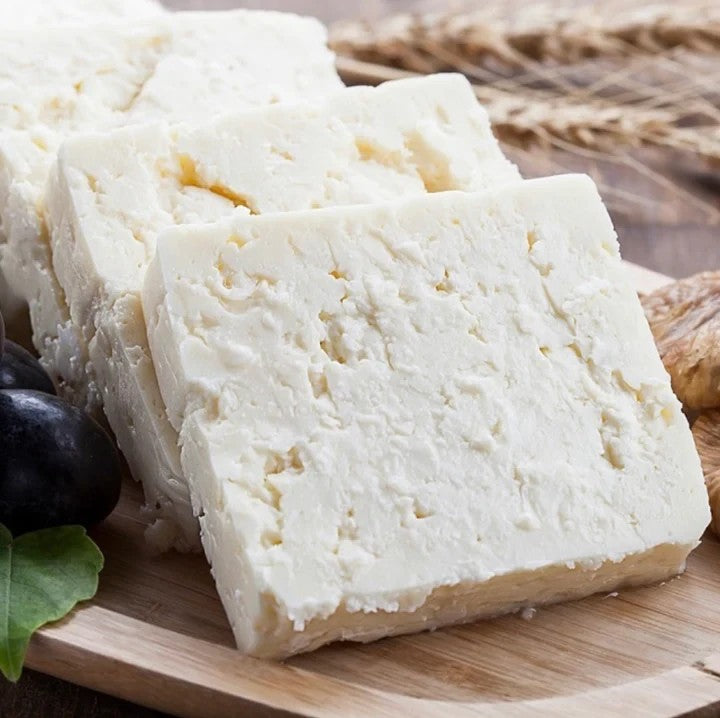
At breakfast tables, Ajwa date can be paired with cheese varieties, walnuts, almonds, or hazelnuts to create a balanced and elegant plate. Such combinations add both visual richness and flavor contrast to the table. It can also be served with tea or coffee as a refined alternative to more processed sweets. For those who want to prepare simple yet attractive offerings, Ajwa date works very well.
In dessert recipes, Ajwa date can be used whole, chopped, or mashed depending on the preparation style. Its soft consistency makes it suitable for filled snacks, energy balls, homemade bars, or date-based mixtures. It can also be cut into smaller pieces and added to yogurt, oats, or muesli. In these forms, it helps preserve its natural texture while also adding a deeper flavor to the recipe. The key is to combine it with ingredients that do not overpower its own character.
Ajwa date can also become an elegant part of special occasion platters. It may be served plain, filled, or paired with other ingredients for a more layered presentation. Combining it with walnuts, nut pastes, or soft cheeses can create different flavor contrasts. Because of this, Ajwa date is not only useful for everyday consumption but also for more carefully styled table settings.
What Should Be Considered When Choosing and Storing Ajwa Date?
When purchasing Ajwa date, one of the first things to examine is the general appearance of the product. Natural wrinkling on the surface is normal, but excessive dryness, unusual hardness, or an artificially glossy surface may indicate quality differences. Dates that look evenly colored, gently soft, and not overly crushed usually provide a better overall experience. In packaged products, it is also important to check that the packaging is intact and that the dates are not overly sticky.
Aroma is another helpful factor when choosing the product. Ajwa date has its own naturally rich and slightly deep scent. If the smell is too sharp, unpleasant, or unusual, that may suggest unsuitable storage conditions. This is especially important in unpackaged sales environments. For packaged products, label details, packing date, and storage instructions should be reviewed carefully.
When it comes to storage, Ajwa date should be kept away from direct sunlight. A cool, dry, and clean place helps preserve its original structure. Storing it in airtight containers limits exposure to the surrounding environment and helps maintain a stable texture for a longer period. Glass jars or well-sealed storage boxes can be practical options. Keeping the product in overly warm conditions for extended periods may affect its consistency.
If the product is intended for longer-term use, dividing it into smaller portions may be helpful. This way, the entire supply is not repeatedly exposed to air every time it is opened. If the dates show excessive hardening, a noticeable change in smell, or visible deterioration, the product should be checked before further use. Careful selection and proper storage are the main factors in preserving the flavor and quality of Ajwa date.