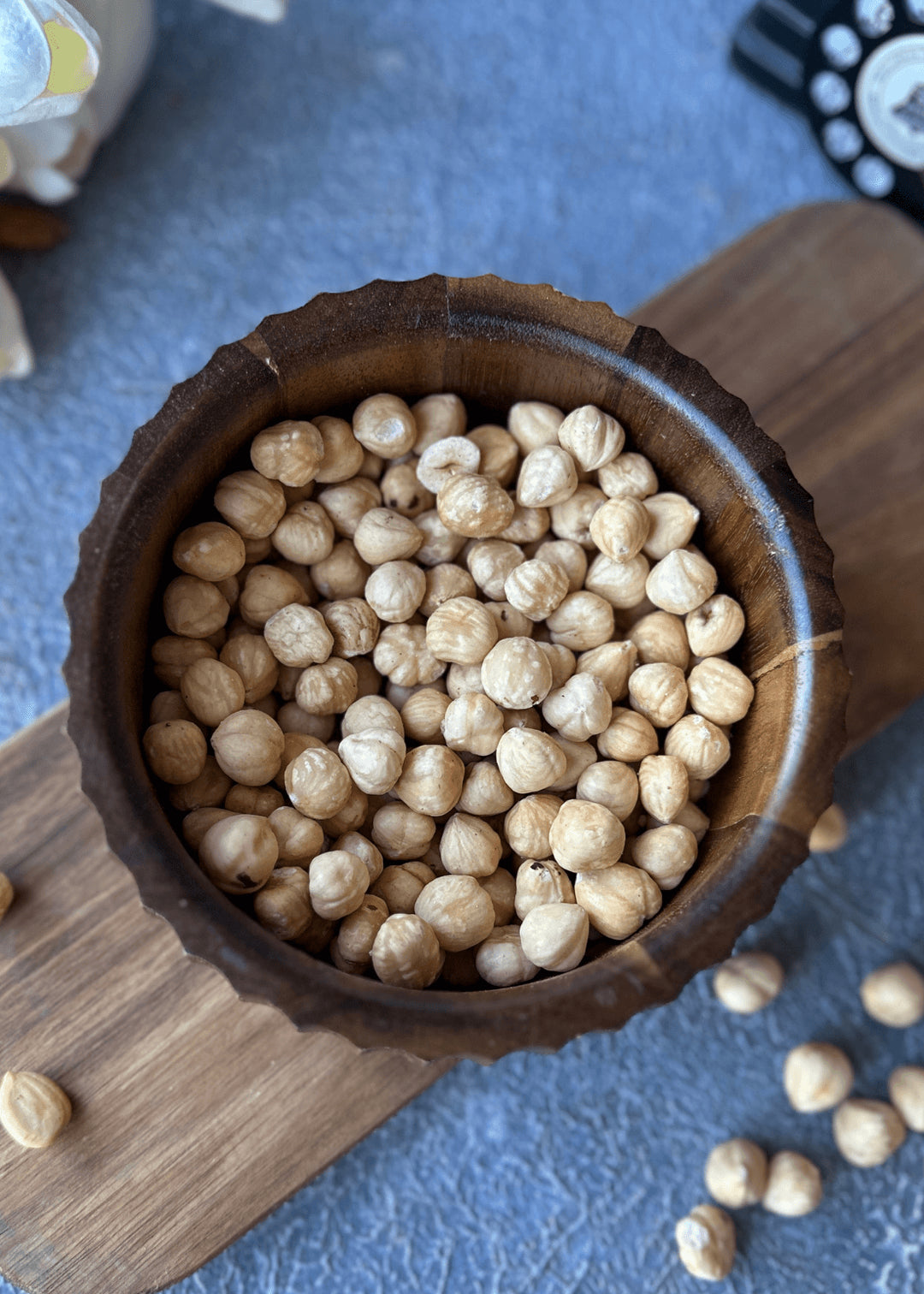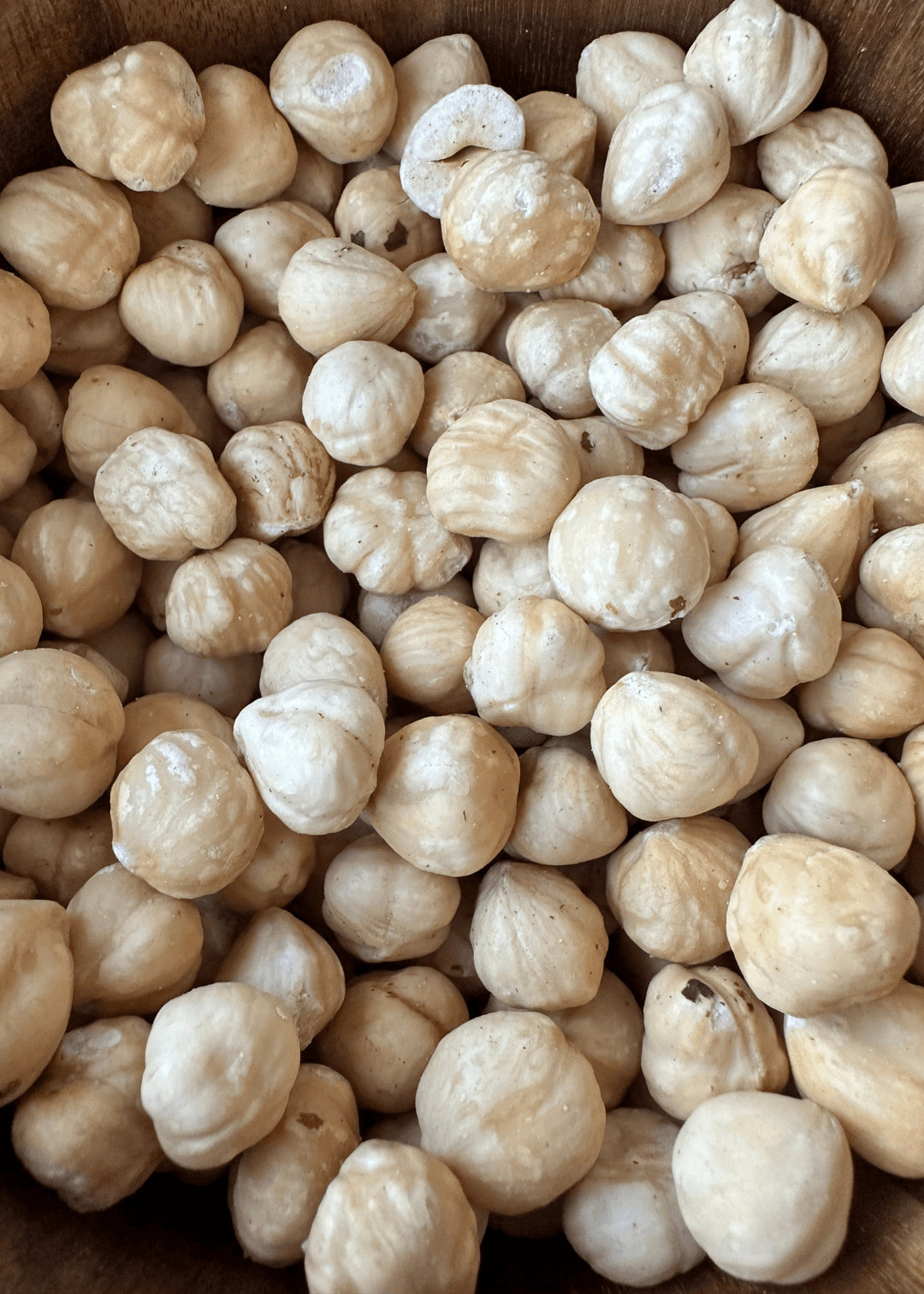

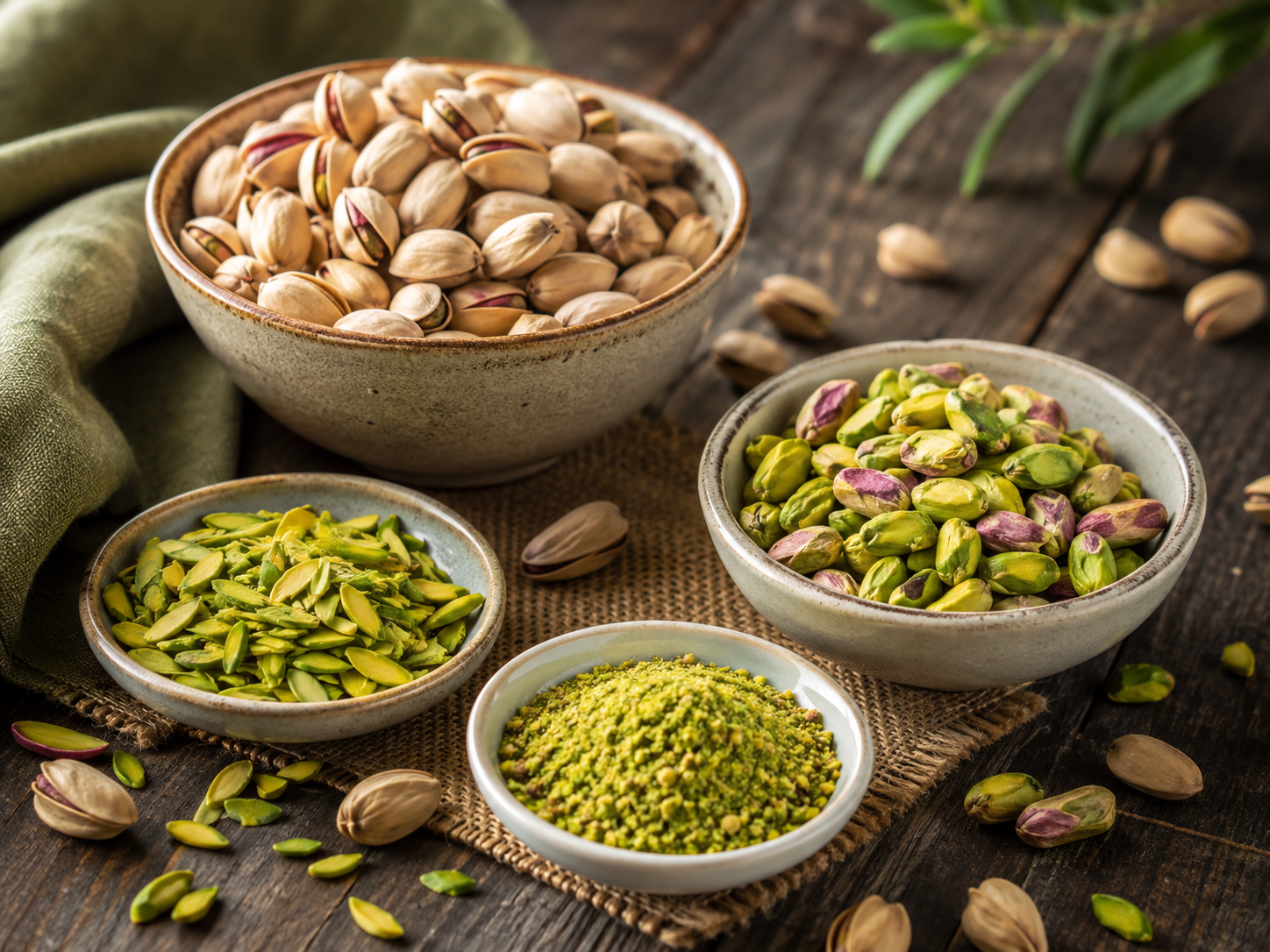
When buying Antep pistachios, it is important to consider color, aroma, freshness, shell structure, intended use, and storage conditions. Antep pistachios can be used in desserts, cookies, baklava-style syrup desserts, milk-based desserts, pastry fillings, and serving plates. Depending on the recipe, they may be preferred as whole pistachios, shelled kernels, sliced pistachios, ground pistachios, or pistachios with shells. Since every form is not suitable for every use, the selection should be made according to the purpose of the recipe.
The quality of Antep pistachios cannot be judged only by appearance. Aroma, color, breakage rate, and packaging condition should also be checked. Products that smell stale, have absorbed moisture, or have a heavy odor may not give the desired result in desserts and presentations. For this reason, both the product form and storage condition should be evaluated together.
There may be a difference between pistachios used in desserts and pistachios served directly as snacks. For baklava, kadayıf, and similar desserts, shelled kernels or ground pistachios are often more practical. For coffee, tea, or guest serving plates, whole or shell-on pistachios may be more suitable. In milk-based desserts, ground or sliced pistachios provide a cleaner and more even appearance.
Choosing the right Antep pistachio directly affects both the taste and presentation of the recipe. Very large, heavily broken, pale, or moist products may not create the desired look, especially in filling and decoration stages. Before buying, the intended use should be clear, and the form should be selected accordingly.
How Can You Tell If Antep Pistachios Are Fresh?
The freshness of Antep pistachios can first be understood from their aroma. Fresh pistachios have a clean, light, and characteristic smell. A heavy, damp, oily, or unpleasant odor may indicate staleness or poor storage. This is especially easier to notice in shelled kernels and ground pistachios because these forms do not have the same protective shell structure.
Color also gives clues about freshness and quality. Bright green tones are especially desirable in pistachios used for dessert decoration. However, not every pistachio needs to have the exact same shade of green. Variety, processing method, and product form can create color differences. The important point is that the color should not look overly pale, darkened, or uneven in a concerning way.
Texture should also be checked. Pistachios that feel soft, moist, or stuck together may have been stored under poor conditions. Ground pistachios may form clumps, sliced pistachios may stick together, and shelled kernels may lose their clean surface texture. Such products may not spread evenly over desserts and may reduce the visual quality of the presentation.
Packaging condition is another important detail. Packaging that is damaged, open, exposed to air, or showing signs of moisture may affect the product. When buying Antep pistachios, the package should look clean, dry, and well sealed. This is especially important for ground and sliced pistachios because they come into contact with air more easily.
How Should You Choose Between Shell-On, Shelled, Sliced, and Ground Pistachios?
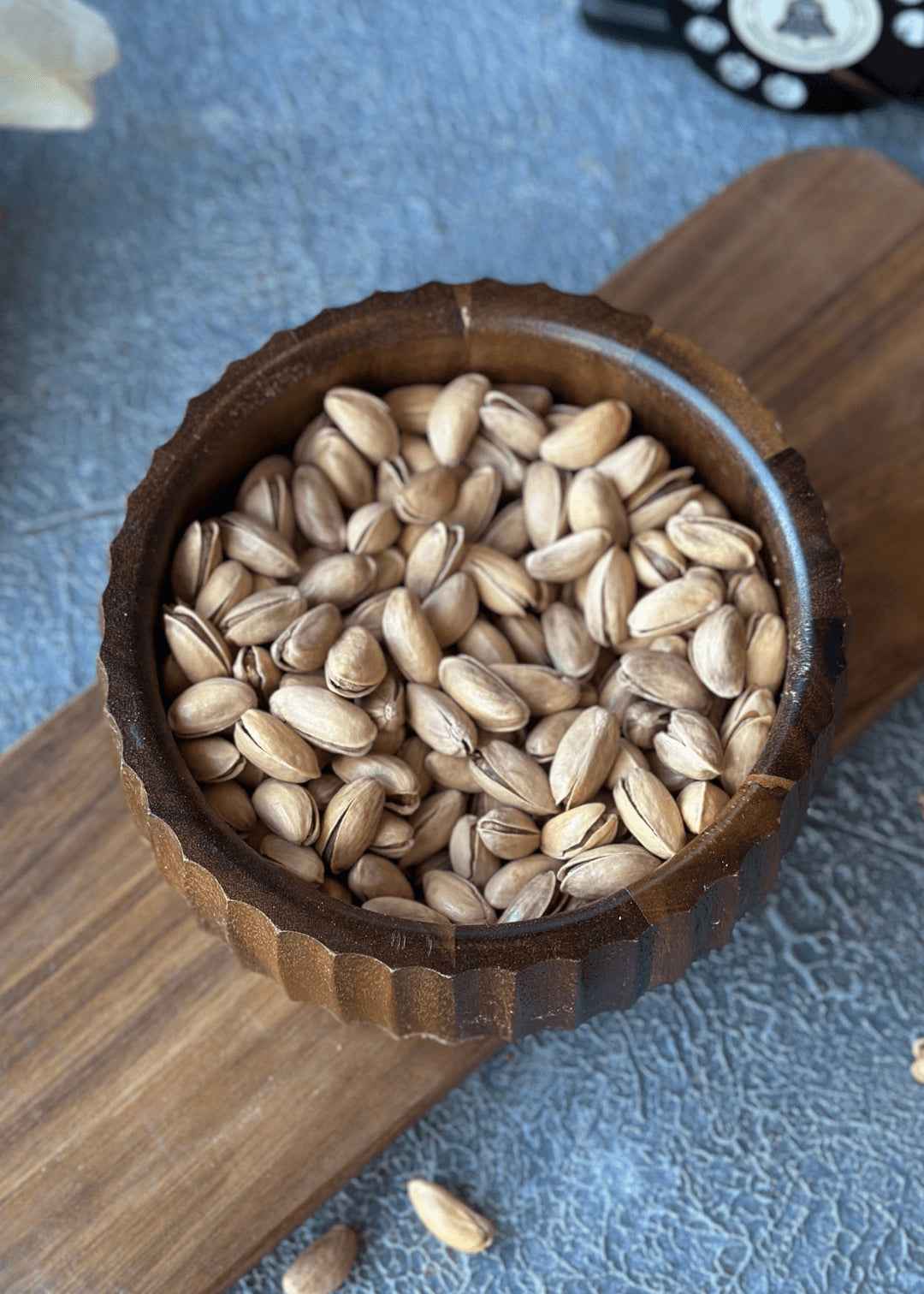
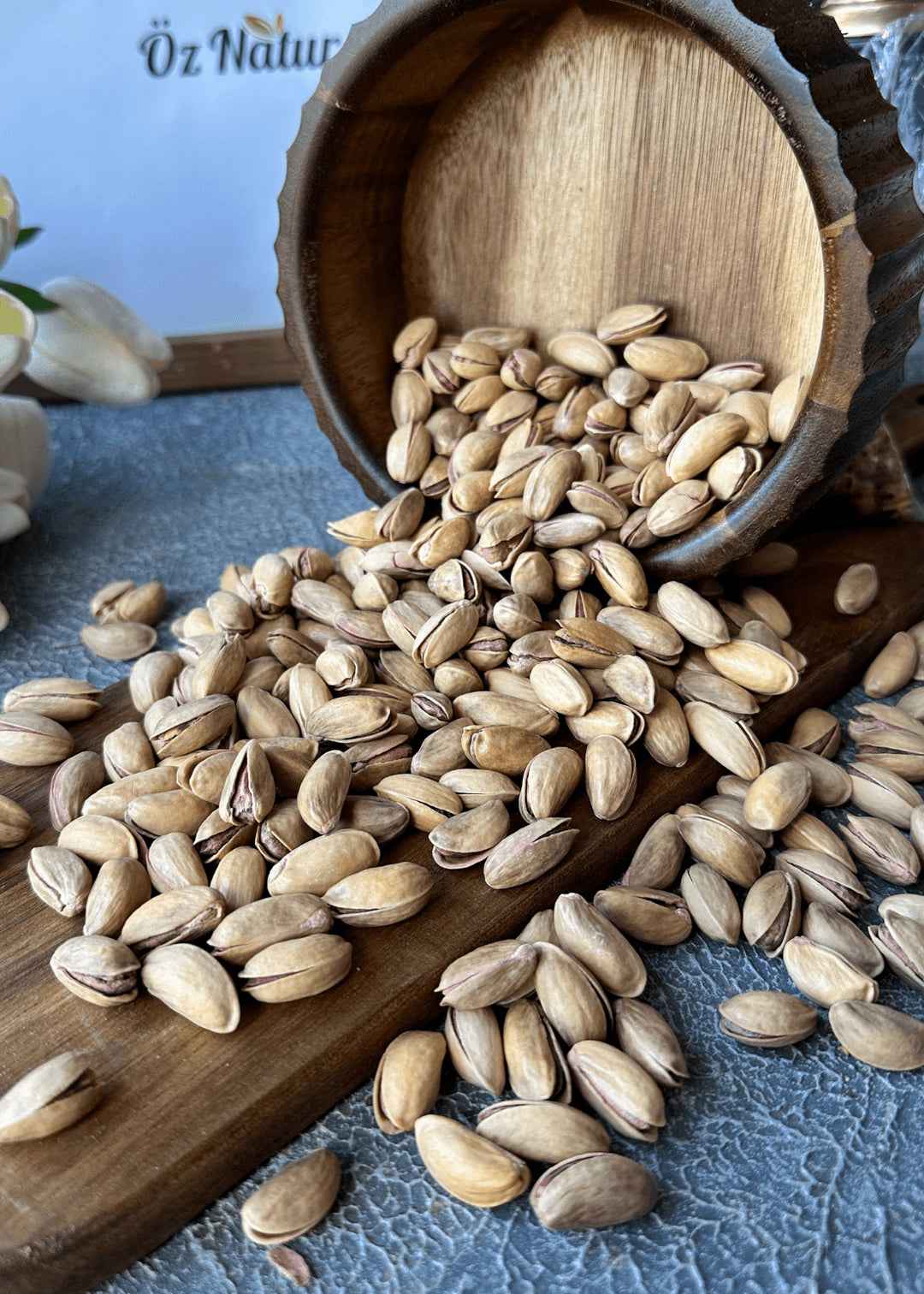
Shell-on Antep pistachios are usually preferred for direct serving and snack-style presentations. They can be served with tea, coffee, or on guest plates. When choosing shell-on pistachios, the shells should not be overly broken, stained, or damp. Clean-looking and naturally opened shells are more practical for serving.
Shelled pistachio kernels are more practical for dessert and pastry recipes. They can be used in baklava fillings, cookie dough, cakes, kadayıf, and different dessert recipes. When choosing shelled kernels, color, aroma, and breakage rate should be checked. For fillings, a slightly coarser texture can be suitable, while for decorative use, more even and brighter kernels may be preferred.
Sliced pistachios are especially suitable for creating decorative surfaces. Their thin structure makes them useful on milk-based desserts, cake slices, cookies, and ice cream presentations. When buying sliced pistachios, the pieces should not be overly crushed. If they are too broken, they may not create a clean and balanced look on the dessert surface.
Ground pistachios are one of the most practical forms for decoration and coating. They can be used on baklava, kadayıf, milk-based desserts, Turkish delight, cookies, and cakes. When buying ground pistachios, color, aroma, and clumping should be checked. Ground pistachios that have absorbed moisture do not spread evenly and may not create the desired look on desserts.
Which Form of Antep Pistachio Should Be Used in Desserts and Presentations?
In syrup-based desserts, the right pistachio form depends on the structure of the recipe. In filled desserts such as baklava and kadayıf, shelled kernels or coarsely ground pistachios can be used. This creates a more noticeable texture inside the dessert. For top decoration, ground or sliced pistachios may be preferred because they create a cleaner and more attractive surface.
In milk-based desserts, ground or sliced pistachios are usually more suitable. Rice pudding, muhallebi, kazandibi, keşkül, and pudding can be decorated with a thin layer of ground pistachio. Sliced pistachio adds a more visible texture and decorative detail. Very large pieces may disturb the surface balance of soft desserts, so smaller forms are generally preferred.
In cookies and cakes, the pistachio form should be chosen according to the purpose of the recipe. If pistachios will be used inside the dough or filling, shelled kernels or coarsely chopped pistachios are suitable. If they will be sprinkled on top, sliced or ground pistachios give a more even result. Fine pistachio powder spreads the aroma more evenly, while larger pieces create a more noticeable texture.
For serving plates, whole pistachios or shell-on pistachios may be more suitable. When served with Turkish delight, cezerye, dried fruits, or other treats, whole pistachios provide a cleaner and more organized appearance. Ground pistachios may scatter easily on serving plates. For this reason, the form should always be selected according to the type of presentation.
Why Are Storage Conditions Important for Antep Pistachios?
If Antep pistachios are not stored properly, they may lose their aroma, texture, and appearance. Shelled, sliced, and ground forms are more delicate than shell-on pistachios. Air, moisture, light, and high temperature can affect the product’s structure. Therefore, Antep pistachios should be stored in a dry, cool, and closed environment.
Moisture is one of the most important issues. Pistachios that absorb moisture may soften, clump, or stick together. This is especially visible in ground pistachios. Sliced pistachios may stick together, and shelled kernels may lose their surface texture. After opening, the package should be tightly closed and the product should not be left exposed.
Odor transfer should also be avoided. Antep pistachios can absorb surrounding smells if stored near strongly aromatic products. Spices, coffee, onion, garlic, or other intense-smelling ingredients should not be kept next to open pistachios. This is especially important when pistachios will be used in desserts, where a clean aroma is needed.
If the product will not be used quickly after purchase, it can be divided into smaller portions. This prevents the entire amount from being exposed to air every time it is used. Ground and sliced pistachios should be kept in tightly closed packaging whenever possible. Before use, the aroma, color, and texture should be checked again.