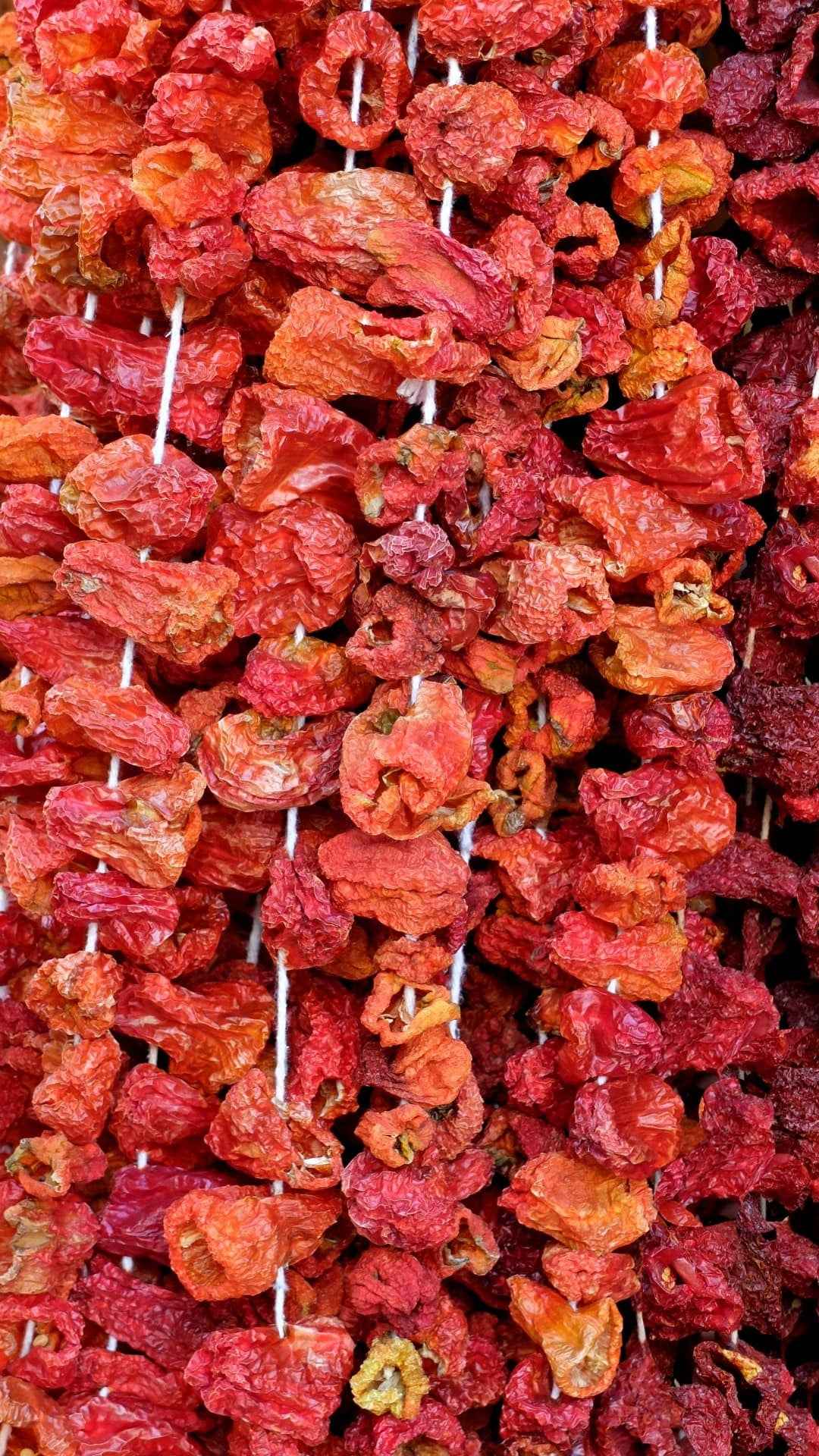

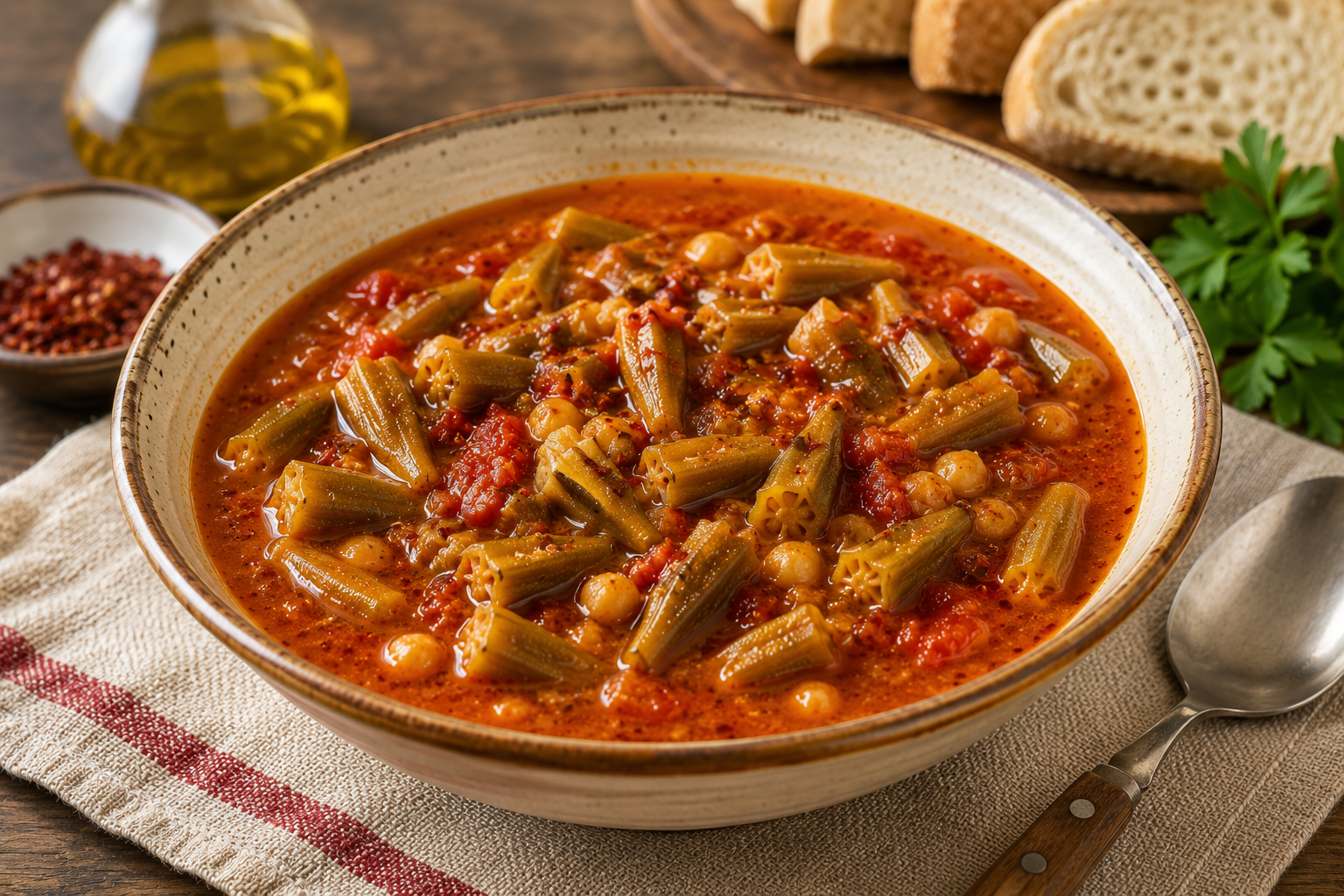
When making dried okra soup, the okra should be prepared properly, the cooking time should be adjusted carefully, and the balance of consistency, acidity, and spices should be controlled. Dried okra has a more concentrated and different structure than fresh okra. The small okra pieces, usually dried on strings, should be cleaned carefully, softened briefly if needed, and prepared for cooking.
One of the most important points in dried okra soup is keeping the okra from falling apart during cooking. Boiling it for too long over high heat can damage its shape. Cooking it too little can leave the pieces firm. Therefore, the cooking time should be adjusted according to the dryness and size of the okra. Small dried okra pieces usually give a better result in soup.
The soup consistency should also be balanced. Dried okra soup should not be too watery or too thick. The structure given by the okra, the amount of water or broth, tomato paste, spices, and acidic ingredients all affect the final texture. In some recipes, lemon juice, pomegranate molasses, or sumac-based souring ingredients may be used. However, the acidity should be controlled so it does not overpower the taste of the okra.
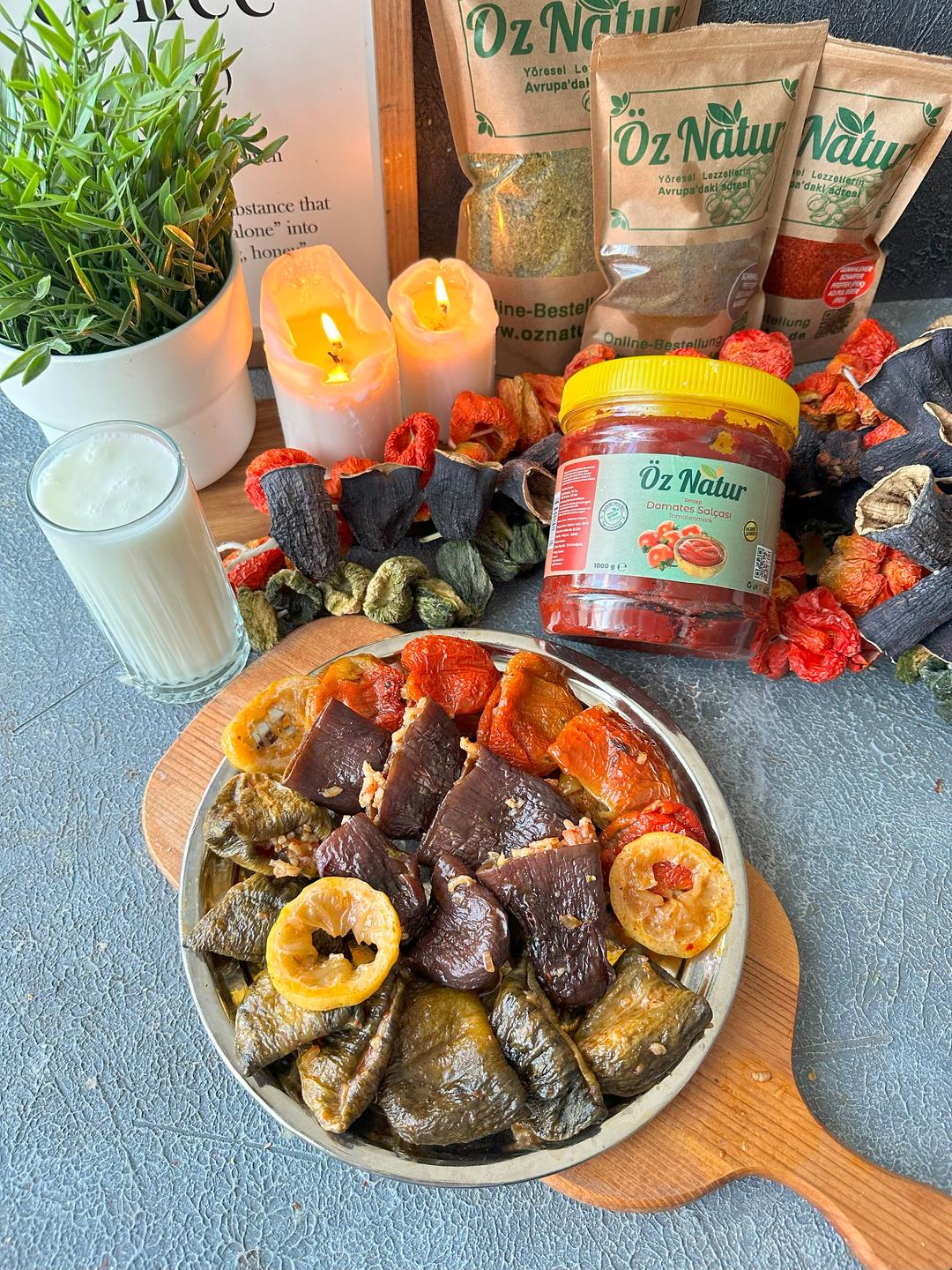
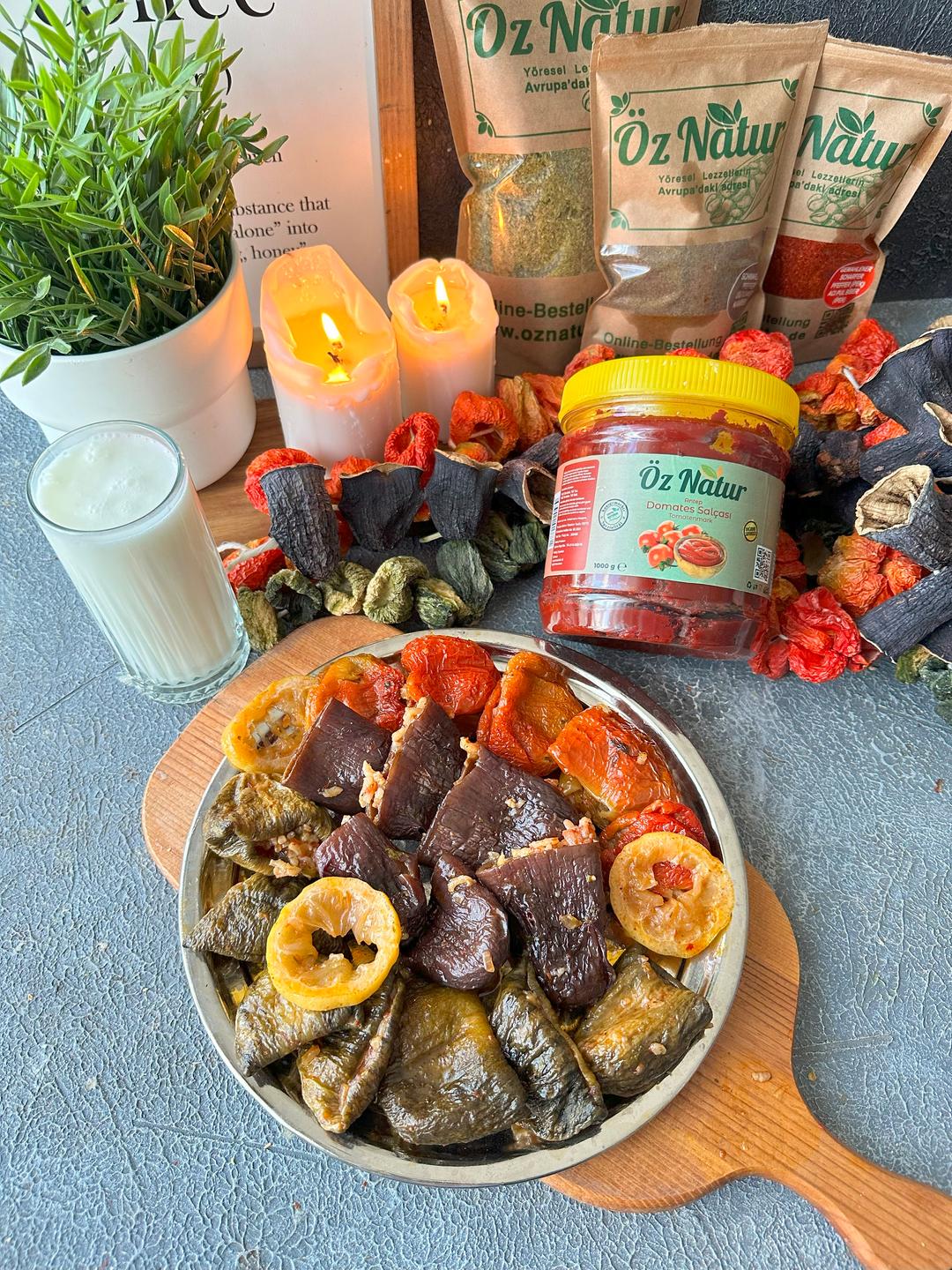
Dried okra soup is usually served hot in traditional meals. It can be served with plain bread, rice, pickles, or a light salad. The flavor balance of the soup depends on the amount of oil, spices, and acidity used. For this reason, each step should be handled carefully, especially the cooking process and the final consistency check before serving.
How Should Okra Be Prepared for Dried Okra Soup?
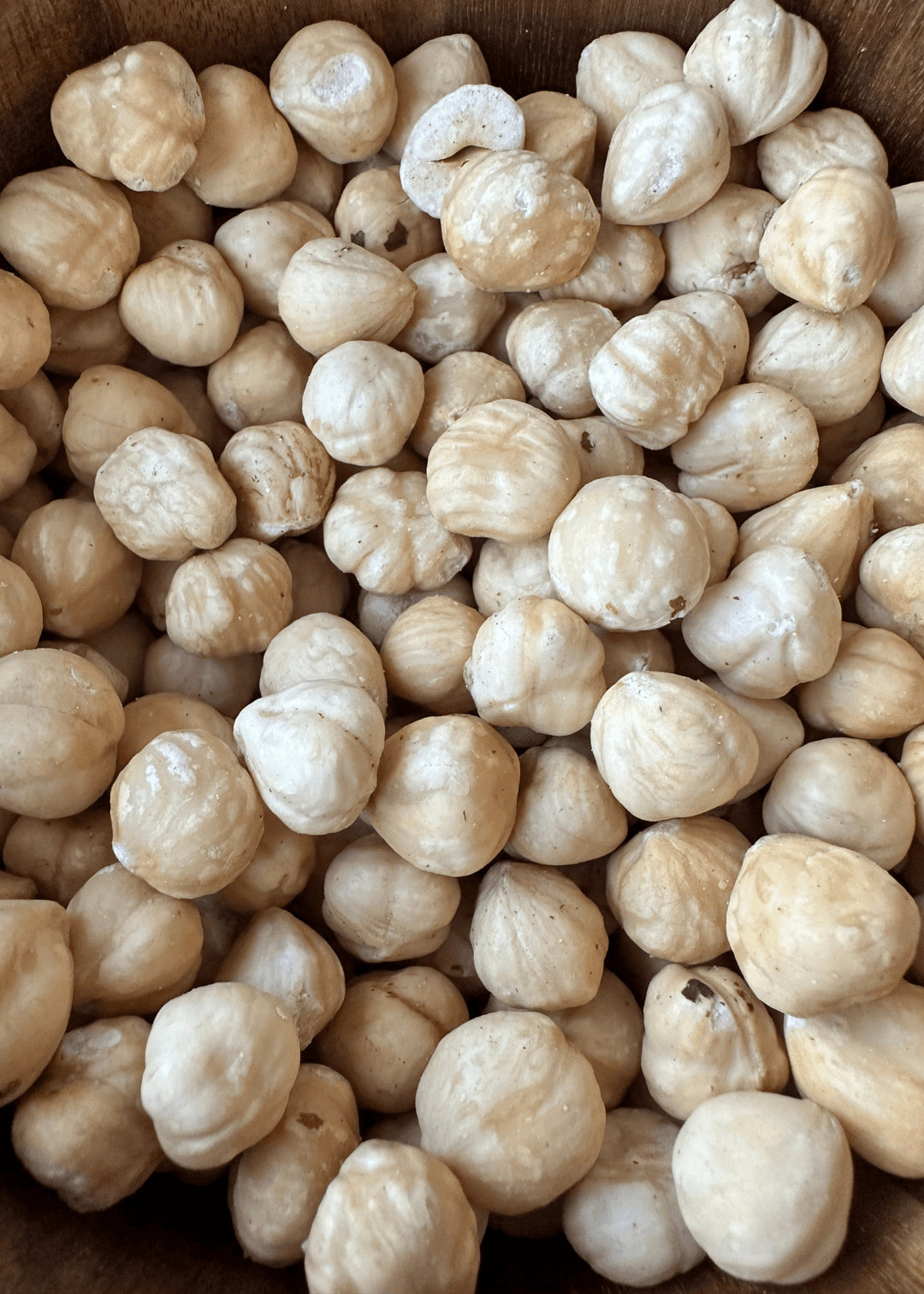
The first step in preparing okra for dried okra soup is checking its cleanliness and structure. Dried okra is often sold threaded on strings. Before use, it should be removed from the string and cleaned of dust or small broken pieces. Okra that is badly broken, crushed, or darkened should be separated. More even pieces create a cleaner appearance in the soup.
In some recipes, dried okra can be soaked briefly in hot water. This helps prevent it from staying too hard and makes the cooking process easier. However, it should not be soaked for too long. If dried okra stays in water too much, it may soften excessively and lose its shape. A short softening step is usually enough.
To prevent the okra from falling apart in the soup, it should not be handled too roughly before cooking. Dried okra can be delicate, especially when the pieces are small. If it is rubbed or mixed too strongly, it may break. After cleaning, the pieces should be drained gently and added to the pot carefully.
In some recipes, acidic ingredients help preserve the structure of the okra during cooking. Lemon juice or other souring ingredients can also support the flavor of the soup. However, they should not be added too early or in excessive amounts. The preparation of the okra, cooking time, and acidity balance should be considered together.
How Is Consistency Balanced in Dried Okra Soup?
The consistency of dried okra soup is directly related to the amount of water and the cooking level of the okra. If too much water is used, the soup may look thin and weak. If too little water is used, it may become overly thick and heavy. It is better to begin with a controlled amount of water and add hot water during cooking if needed.
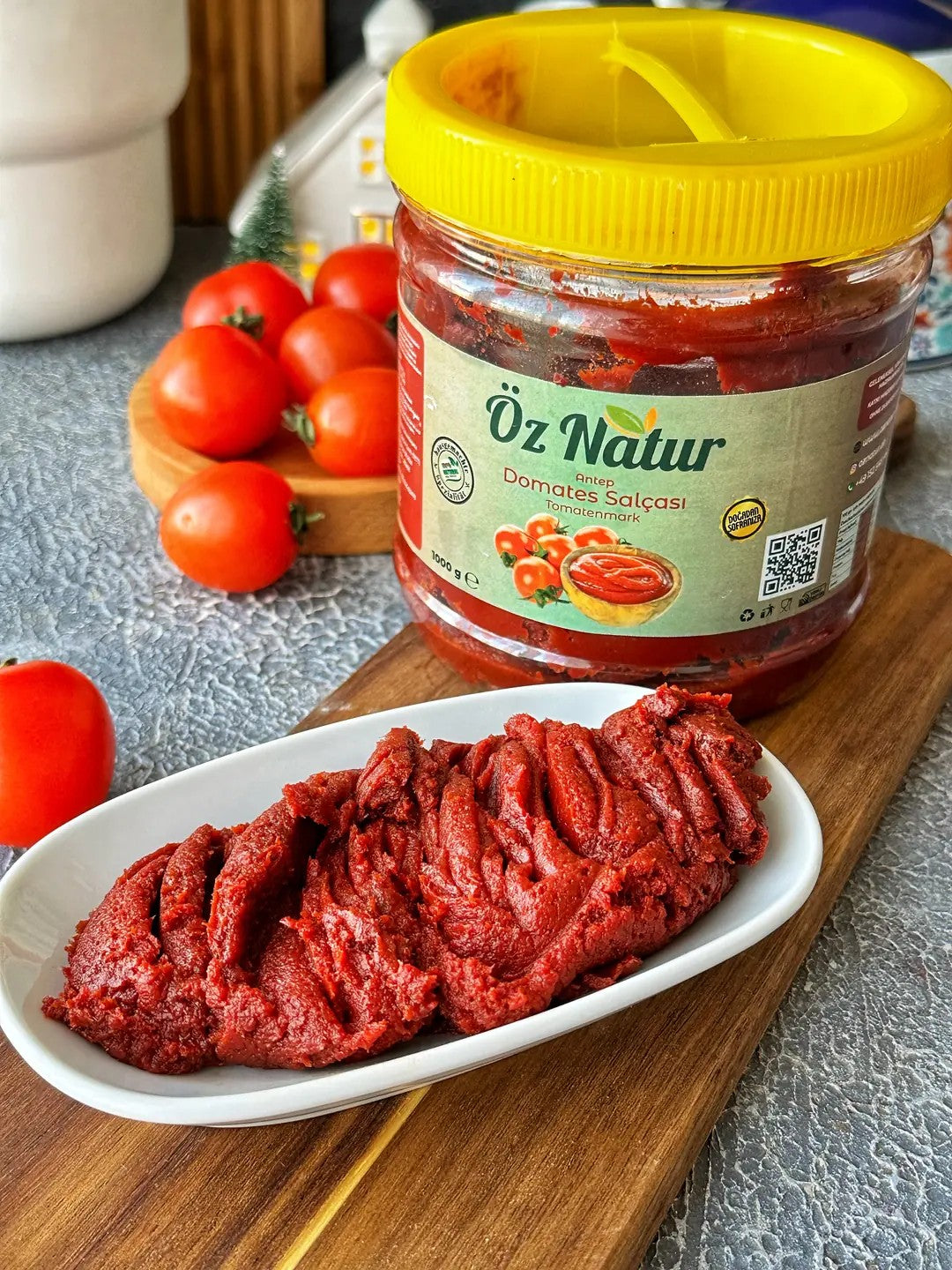
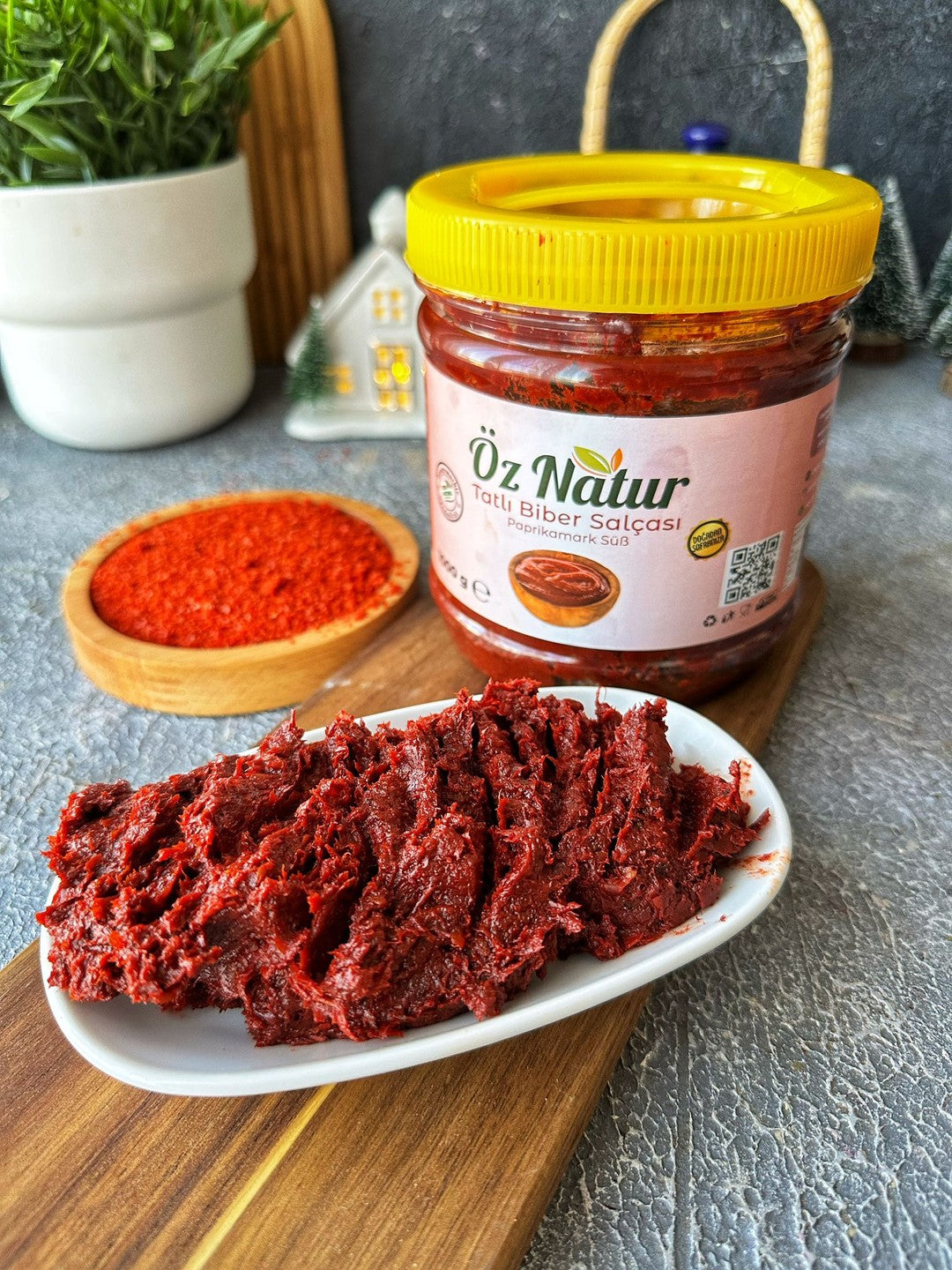
Tomato paste, oil, and spices also affect the consistency. Tomato paste or pepper paste can add both color and body to the soup. However, using too much paste can push the natural appearance and taste of the okra into the background. When the paste is briefly cooked in oil before water is added, its aroma spreads more evenly through the soup.
Keeping the okra pieces from being crushed is important for consistency. If the okra breaks apart, the soup can become cloudy and overly dense. For this reason, the soup should not be stirred too frequently or too strongly while cooking. The pot can be moved gently, or the soup can be stirred slowly when needed. This helps preserve the shape of the okra.
The soup may thicken as it rests. After it is removed from the heat, the consistency can change slightly. Before serving, the texture should be checked, and if needed, a small amount of hot water can be added. When water is added, the salt, acidity, and spice balance should also be checked again because thinning the soup can reduce flavor intensity.
How Is Acidity and Spice Balance Set in Dried Okra Soup?
Acidity is one of the elements that defines the character of dried okra soup. Lemon juice, pomegranate molasses, or sumac-based souring ingredients can create different layers of balance. However, the amount should be adjusted carefully. Too much acidity can cover the natural taste of okra. Too little acidity may make the expected flavor transition feel weak.
Acidic ingredients are usually added at a specific stage of cooking. If they are added too early, they may affect the cooking process of some ingredients. If they are added too late, they may not spread evenly through the soup. For this reason, acidity can be added gradually. A small amount can be added first, then the taste can be checked before serving.
Spices should also be used in moderation. Dried mint, red pepper flakes, black pepper, and cumin can be used in dried okra soup. However, if all spices are added at the same time and in large amounts, the flavor of the soup may become too heavy. The spices should support the okra rather than cover its own taste.
Mint and red pepper flakes heated in oil can be added over the soup during serving. This method creates a stronger aroma on the surface. If the spices are added directly during cooking, the flavor becomes more blended into the soup base. Both methods can be used, but the spices should remain balanced and should not dominate the soup.
Which Products Are Served with Dried Okra Soup?
Dried okra soup can be served hot with plain bread, rice, or a light salad. Since the soup has a slightly sour and rich structure, heavy side dishes are not necessary. Simple accompaniments help the taste of the soup remain clearer. Rice pilaf or bulgur pilaf can create a more traditional meal setting.
Pickles can also be served with dried okra soup, but the acidity of the soup should be considered. If the soup already contains lemon juice, pomegranate molasses, or sumac-based sourness, very sour pickles may create an overly intense taste. Pickles should therefore be served in small portions. A simple salad can be a better alternative in some cases.
Yogurt or ayran may be served alongside the soup in some meals. However, because dried okra soup often has a sour character, yogurt-based accompaniments may not match every version of the recipe. If the soup is not too sour, ayran or plain yogurt can be added to the table. In more acidic recipes, bread and rice may be more neutral choices.
Before serving, the temperature and consistency of the soup should be checked one last time. Dried okra soup may thicken as it waits, so it can be adjusted with a small amount of hot water if necessary. Mint or red pepper flakes prepared in oil can be added on top to complete the presentation. This creates a more balanced result in both appearance and aroma.