

Savory olive cake is prepared by adding chopped olives, cheese, spices, and optionally fresh herbs into a savory cake batter. Unlike sweet cakes, the sugar amount is kept very low, while the main flavor balance comes from olives, cheese, and spices. For this reason, the amount of each ingredient, the way they are chopped, and the stage at which they are added directly affect the texture of the cake.
When preparing savory olive cake, the most important point is not to make the batter too heavy. When olives, cheese, and spices are used together, the inner structure of the cake can become dense. Especially when too many olives or watery cheese are added, the balance of the batter may be affected. The ingredients should be added in controlled amounts, excess moisture should be removed, and the batter consistency should be checked before baking.
Olive selection also shapes the flavor of the cake. Black olives create a more classic and stronger taste, while green olives provide a fresher and slightly different aroma. Both types can be used together, but the salt level should be considered carefully. Very salty olives may make the cake taste too intense, so they can be rinsed briefly and dried well if needed.
Savory olive cake can be served for breakfast, tea time, picnic menus, or as a practical snack for guests. When sliced, it is easy to serve and the olive and cheese pieces inside become more visible. To make sure the cake rises well, stays moist without remaining raw, and does not fall apart when sliced, baking time and oven temperature should be adjusted carefully.
Which Ingredients Are Used for Savory Olive Cake?
The basic ingredients for savory olive cake are flour, eggs, yogurt or milk, vegetable oil, baking powder, salt, and chopped olives. This base mixture creates the main structure of the cake. Yogurt can give the cake a denser texture, while milk may create a softer batter. Whichever liquid ingredient is used, the measurements should be balanced.
Olives are the main flavor ingredient in this recipe. Black olives, green olives, or a mixture of both can be used. Pitted olives can be cut into small rings or half pieces. Very large olive pieces may distribute unevenly inside the cake. Very small pieces may disappear into the batter. A medium chop usually gives a more balanced result.
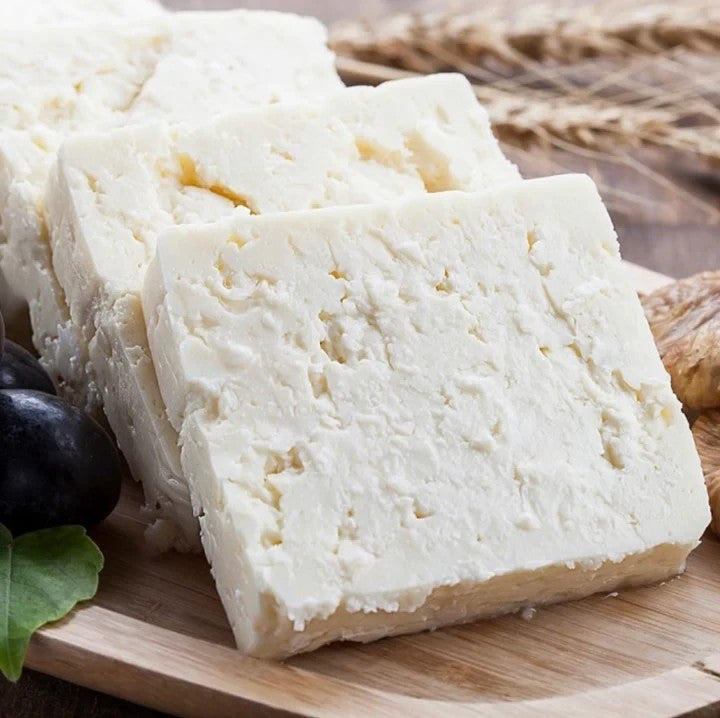
Cheese is a common supporting ingredient in savory olive cake. White cheese, curd cheese, or less salty cheese varieties can be used. If cheese is added, the salt level of the olives should be considered as well. When both olives and cheese are salty, adding too much extra salt to the batter can make the cake taste heavy. The cheese should also not be too watery.
Spices and herbs support the aroma of the cake. Thyme, mint, red pepper flakes, black pepper, dill, or parsley can be used in savory olive cake. However, using too many different spices in the same recipe can make the flavor crowded. A few compatible ingredients are enough for a more balanced cake. Thyme and dill, in particular, create a simple but noticeable aroma in olive cake.
How Should Olives Be Prepared Before Adding Them to the Batter?
Olives should always be pitted before they are added to the cake batter. If pre-sliced olives are used, excess brine should be drained. If whole olives are used, they should be pitted and then chopped into small, even pieces. The size of the olive pieces affects how they spread through the cake. Similar-sized pieces create a more organized appearance in each slice.
The salt level of the olives should be checked. Very salty olives can change the overall taste of the cake when added directly to the batter. In this case, the olives can be soaked briefly in water or rinsed. After rinsing, they should be dried thoroughly. Wet olives can change the consistency of the batter and create moist spots inside the cake.
Excess oil or brine should also be removed. Especially if marinated or oily olives are used, their surface can be dried lightly with a paper towel. This helps keep the batter more stable. Too much liquid can cause the inside of the cake to bake more slowly or make the texture heavier. Olives should be added to the batter as dry as possible.
Chopped olives can be tossed with a very small amount of flour before being added to the batter. This helps the olive pieces distribute more evenly inside the cake. However, too much flour should not be used. A thin layer on the olives is enough. The olives should be added at the final stage and folded in gently with a spatula. Overmixing may affect the structure of the batter.
How Is the Balance of Cheese, Spices, and Olives Set in Savory Cake Batter?
When setting the balance of cheese, spices, and olives in savory cake batter, the salt level should be considered first. Olives and cheese are already salty ingredients, so the amount of extra salt in the batter should be reduced. This is especially important when white cheese and brined olives are used together. Otherwise, the cake may taste too salty and one-dimensional.
The texture of the cheese also affects the batter. Very watery cheese can make the inside of the cake too moist. For this reason, excess liquid should be removed before the cheese is crumbled into the batter. Drier cheeses mix more easily. If white cheese is used, medium-sized crumbles are better than very large pieces. This helps the cheese distribute more evenly throughout the cake.
Spices should support the flavor of olives and cheese without overpowering them. Thyme, mint, black pepper, and red pepper flakes can be used in small amounts. Dill or parsley can also add color and aroma to the batter. However, if too many herbs are used, they may change the moisture balance of the batter. The herbs should be chopped finely and added in moderation.
When olives, cheese, and spices are all used together, the batter may become too dense. The amount of ingredients should be adjusted according to the size of the pan and the consistency of the batter. The batter should fall from the spatula slowly but still remain fluid. A batter that is too thick can make the cake dry, while a batter that is too loose can cause the ingredients to sink.
How Is Savory Olive Cake Baked and Served?
Before baking savory olive cake, the oven should be preheated. A preheated oven helps the cake rise more evenly. The batter should be transferred into a greased pan or a pan lined with baking paper. After pouring the batter, the surface can be smoothed gently with a spatula. The pan should not be tapped too strongly on the counter, because this may cause olive and cheese pieces to sink.
Baking time may change depending on the type of pan used. In a wide and shallow pan, the cake may bake faster. In a deeper pan, the center may take longer to cook. When the top is browned and a toothpick inserted into the center comes out without raw batter, the cake is usually done. Because of the cheese and olives, the toothpick may look slightly moist; raw batter and ingredient moisture should be distinguished.
The cake should not be sliced immediately after coming out of the oven. Letting the first heat pass helps the slices come out more neatly. If it is cut while very hot, the cake may crumble or look softer inside than it actually is. When it becomes warm, the slices hold their shape better. If it cools completely, it becomes more practical for tea time or picnic servings.
Savory olive cake can be served plain. It can also be served with cheese, olives, tomatoes, cucumbers, or other breakfast items. For tea time, it can be cut into smaller slices. If sesame, black cumin seeds, or a little thyme are sprinkled on top before baking, the cake gets a more defined appearance. Visible olive and cheese pieces inside the slices make the presentation more appealing.