
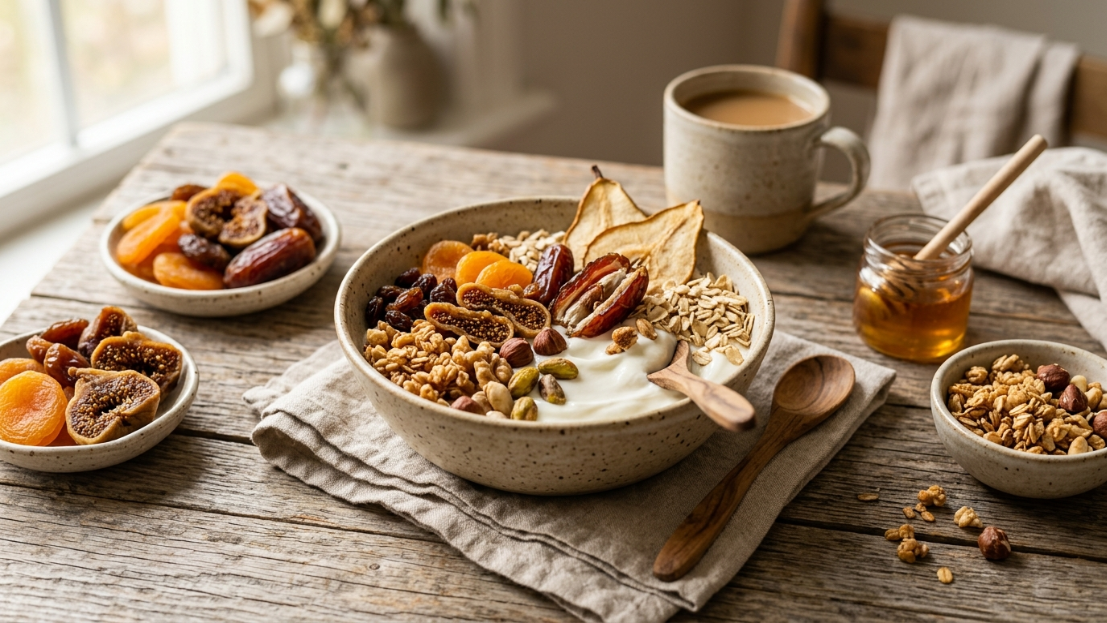
Traditional breakfast recipes prepared with dried fruits combine dense textures, natural sweetness, and layered aromas in a practical and visually rich way. Products such as Medjool dates, seedless jumbo raisins, dried apricots, dried figs, and dried pears can easily be combined with yoghurt, oats, granola, and nuts to create more satisfying breakfast recipes. Because dried fruits naturally contain concentrated sweetness, they can help many breakfast recipes achieve balanced flavour without relying heavily on additional sweeteners. This makes them one of the most versatile ingredients used in homemade breakfast preparations.
In breakfast recipes, dried fruits are not used only to provide sweetness. They also affect the consistency and visual appearance of the dish. Finely chopped dried fruits distribute more evenly in oat mixtures and breakfast bowls, while larger pieces create stronger texture contrasts and more noticeable layers. This allows breakfast recipes to feel richer and more varied both visually and aromatically.
Dried fruits work naturally in both modern and traditional breakfast recipes. In yoghurt bowls or smoothie bowls, they create colourful and textured presentations, while in warm oatmeal recipes they soften slightly and release deeper aromas into the mixture. Combined with tahini, sesame paste, or different nuts, dried fruits can also create more traditional breakfast combinations with stronger aromatic character.
Some traditional breakfast plates include products such as walnut pestil köme, Antep muska pestil, and cevizli sucuk alongside dried fruits. These combinations add both texture variety and richer flavour transitions to breakfast servings. Because of this flexibility, dried fruits are no longer seen only as snacks but also as core ingredients in layered breakfast recipes.
How Are Dried Fruits Used in Breakfast Bowls and Mixtures?
Dried fruits are among the most common ingredients used in breakfast bowls. In yoghurt, granola, and oat-based recipes, products such as Medjool dates, dried apricots, and seedless jumbo raisins contribute natural sweetness and stronger aroma depth. Small chopped pieces distribute more evenly throughout the bowl, while larger pieces create more noticeable texture variation. This creates breakfast recipes with more balanced and layered flavour transitions in every spoonful.
Some breakfast mixtures include dried fruits directly in warm oat recipes prepared with milk or plant-based drinks. In these recipes, dried fruits soften naturally and integrate into the texture of the oatmeal. Medjool dates in particular help create a richer and creamier consistency, while dried pears or raisins contribute lighter and more delicate flavour notes. This combination creates warm breakfast recipes with more natural sweetness and fuller structure.
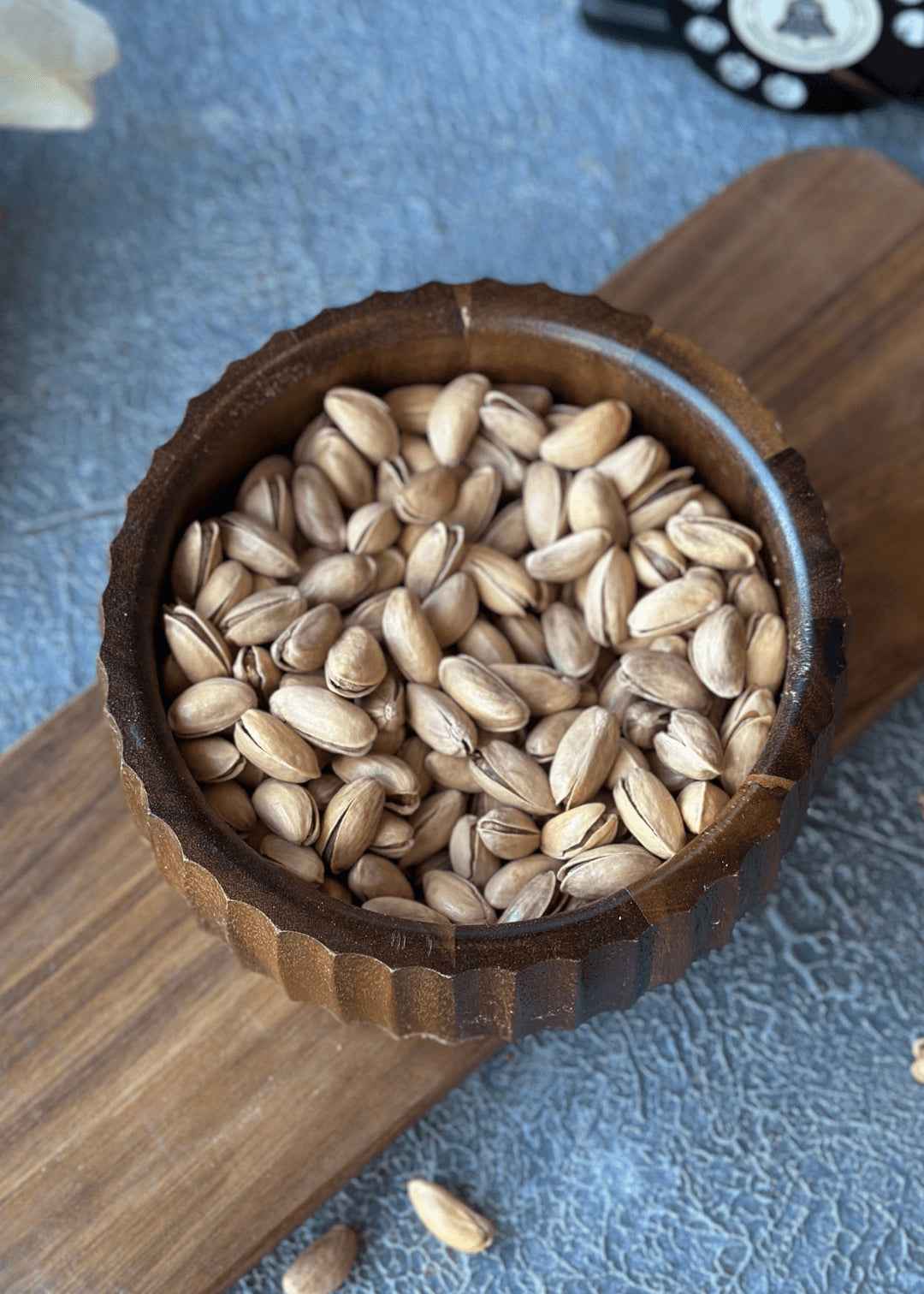
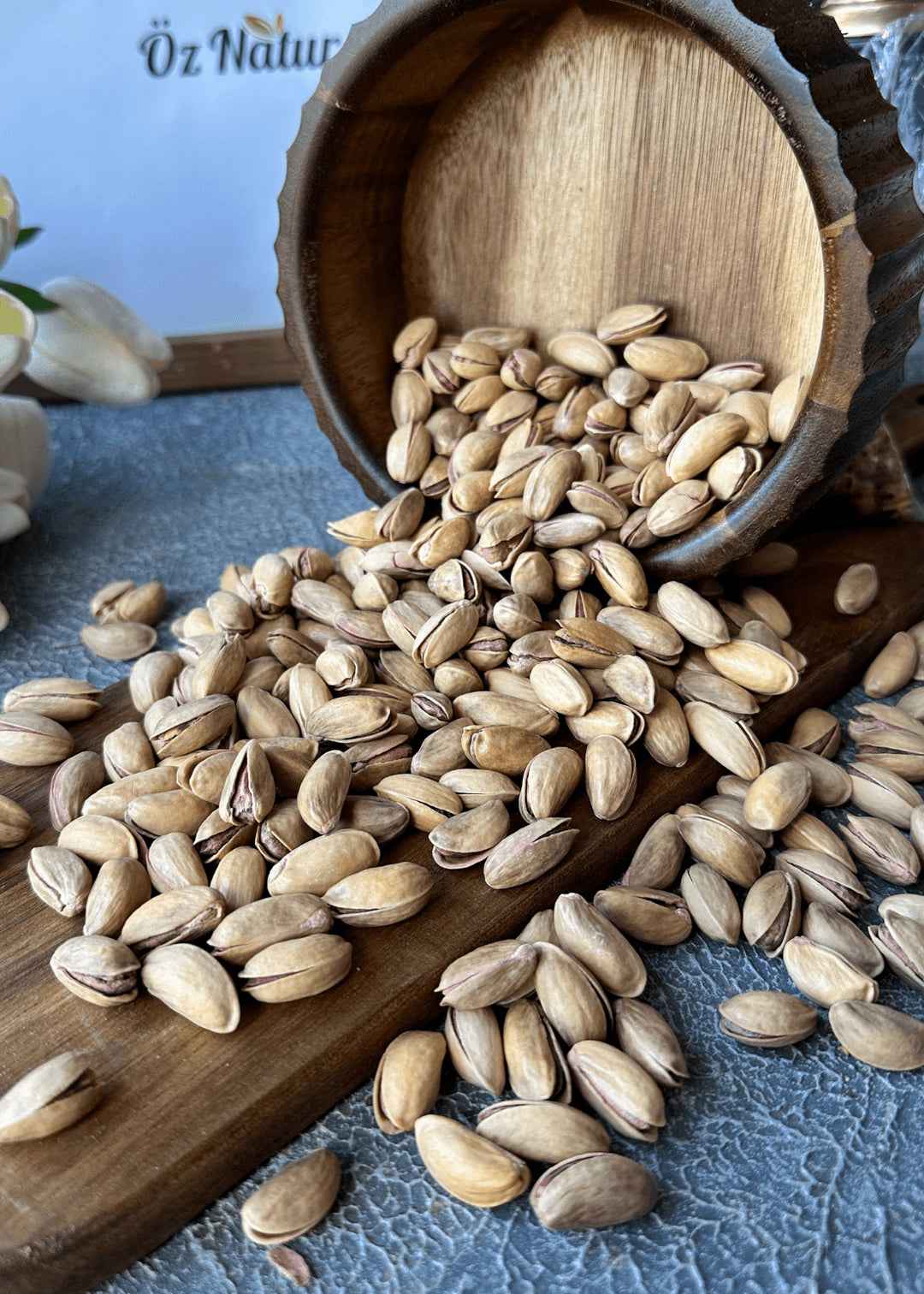
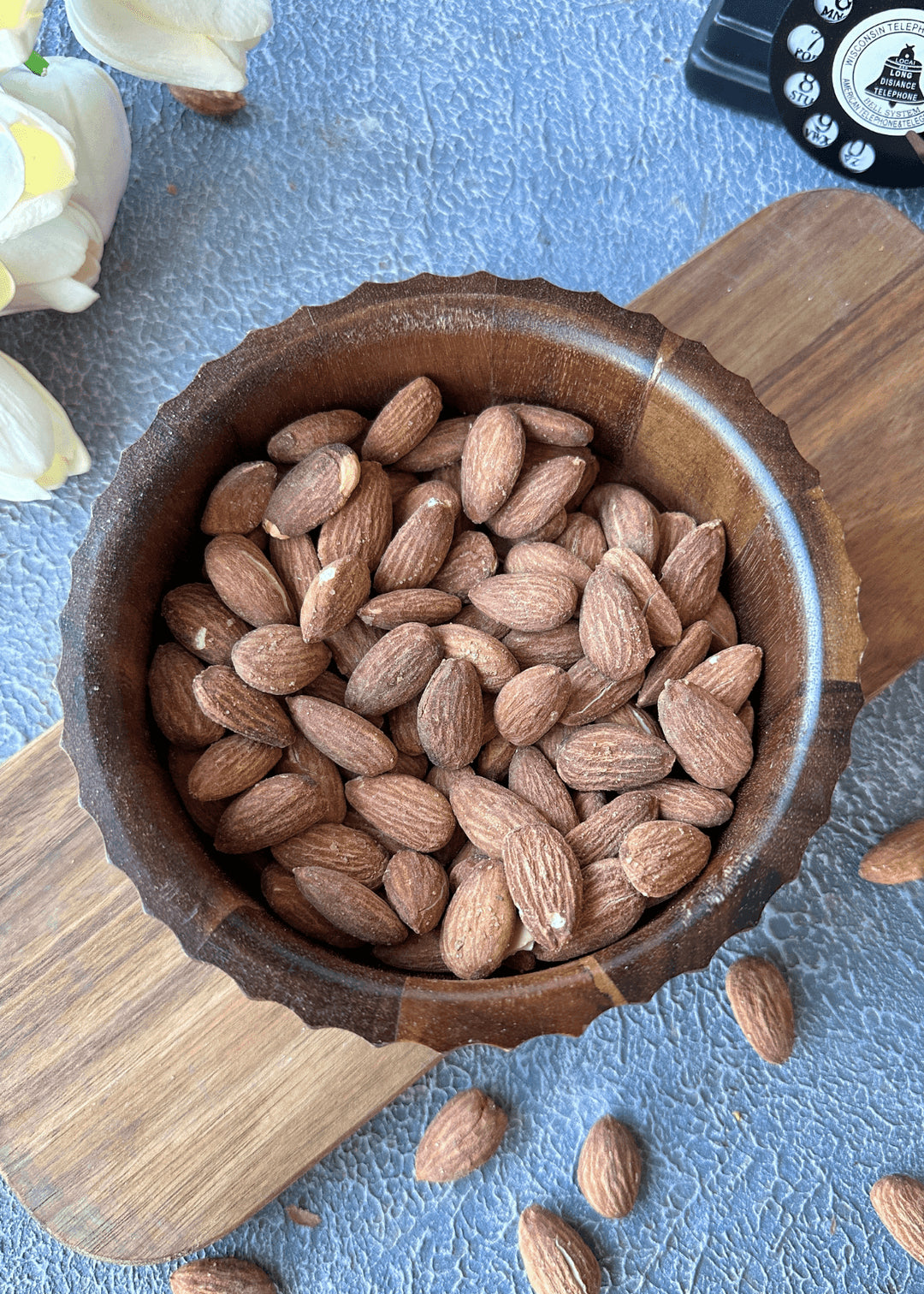
Dried fruits are also frequently used in smoothie bowl recipes. Combined with banana, milk, oats, and nuts, they create more visually rich breakfast combinations. Walnuts, almonds, or roasted pistachios paired with dried fruits provide contrast between crunchy and soft textures, making breakfast bowls feel more dynamic and layered.
Some recipes soak dried fruits in water before blending them into smoothies or yoghurt mixtures. This method softens dense fruits such as dates, figs, or dried apricots and helps them blend more smoothly into the recipe. As a result, breakfast mixtures become creamier while still maintaining strong fruit aromas.
What Are Traditional Breakfast Recipes Made with Dried Fruits?
Traditional breakfast recipes with dried fruits are based on serving styles that have existed in Anatolian and Middle Eastern cuisines for generations. Dried figs, Medjool dates, and raisins are often served alongside tahini and molasses mixtures in classic breakfast presentations. Their concentrated aroma complements the richness of tahini and helps create more layered breakfast combinations.
Some traditional breakfast plates also include products such as walnut pestil köme, cevizli sucuk, and muska pestil together with dried fruits. These products contribute both dense textures and stronger aromatic transitions to breakfast servings. Because of this, breakfast tables gain more variety not only in flavour but also in consistency and visual appearance.
Certain homemade breakfast spreads also use dried fruits directly in the mixture. Dried apricots or raisins can be blended with tahini or sesame paste to prepare spreadable breakfast combinations with thicker consistency. In these recipes, dried fruits become central components rather than simple side ingredients.
In warm breakfast mixtures prepared with milk or oats, dried fruits soften naturally and release more aroma into the recipe. Combined with cinnamon, nuts, or roasted sesame, they create more intense breakfast flavours that connect traditional ingredients with modern breakfast habits.
How Is Harmony Created Between Dried Fruits, Yoghurt, Oats, and Nuts?
The combination of dried fruits and yoghurt is one of the most common breakfast pairings. The creamy and slightly tangy structure of yoghurt balances the natural sweetness of products such as Medjool dates, dried figs, and raisins. Small chopped fruits distribute more evenly in yoghurt mixtures and help maintain balanced flavour in every bite.
In oat-based breakfast recipes, dried fruits directly influence the consistency of the dish. In warm oat mixtures, dried fruits soften and blend naturally into the texture of the oats. Combined with banana, cinnamon, or cocoa, they help create richer and more layered breakfast recipes with deeper aromatic structure.
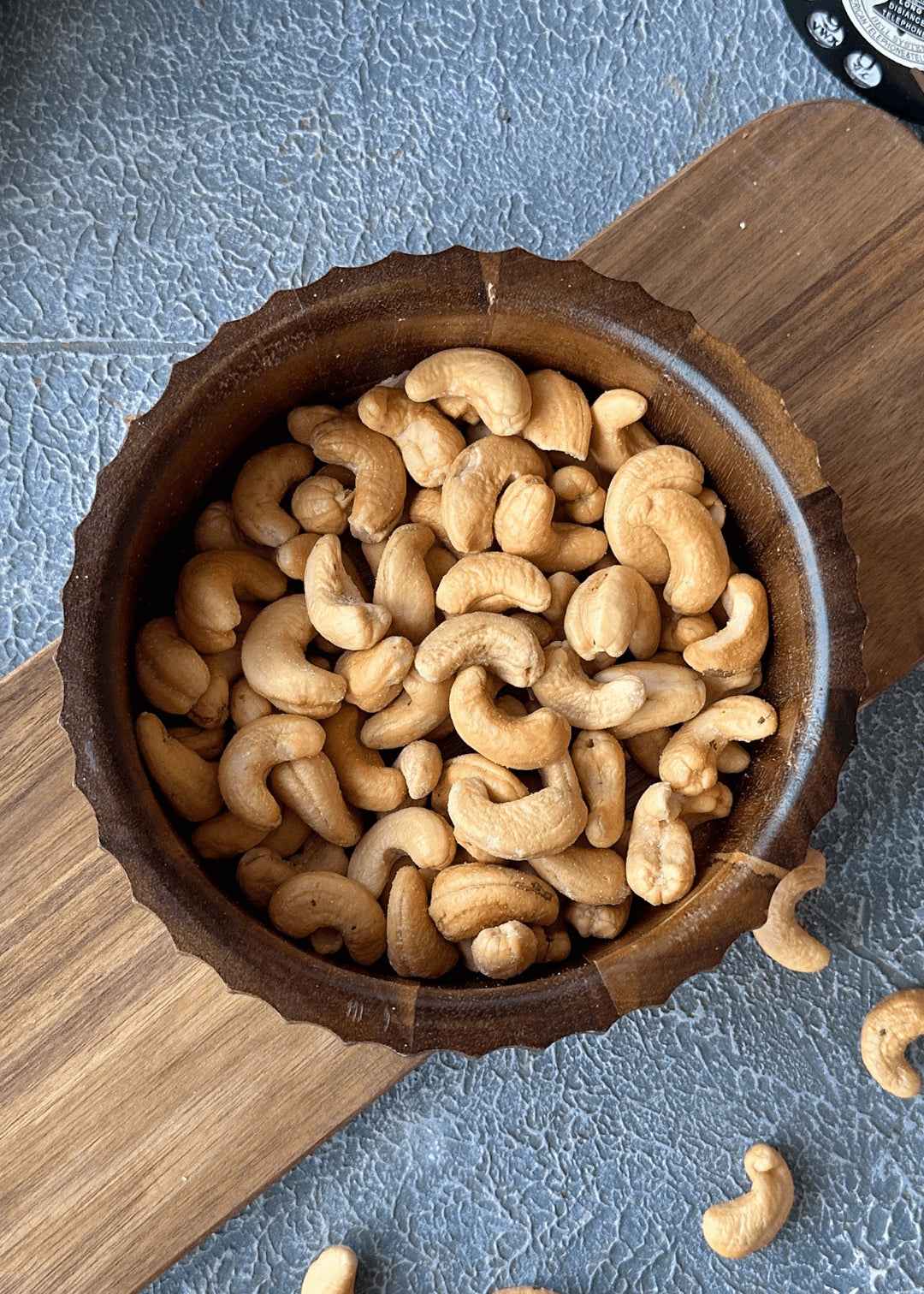
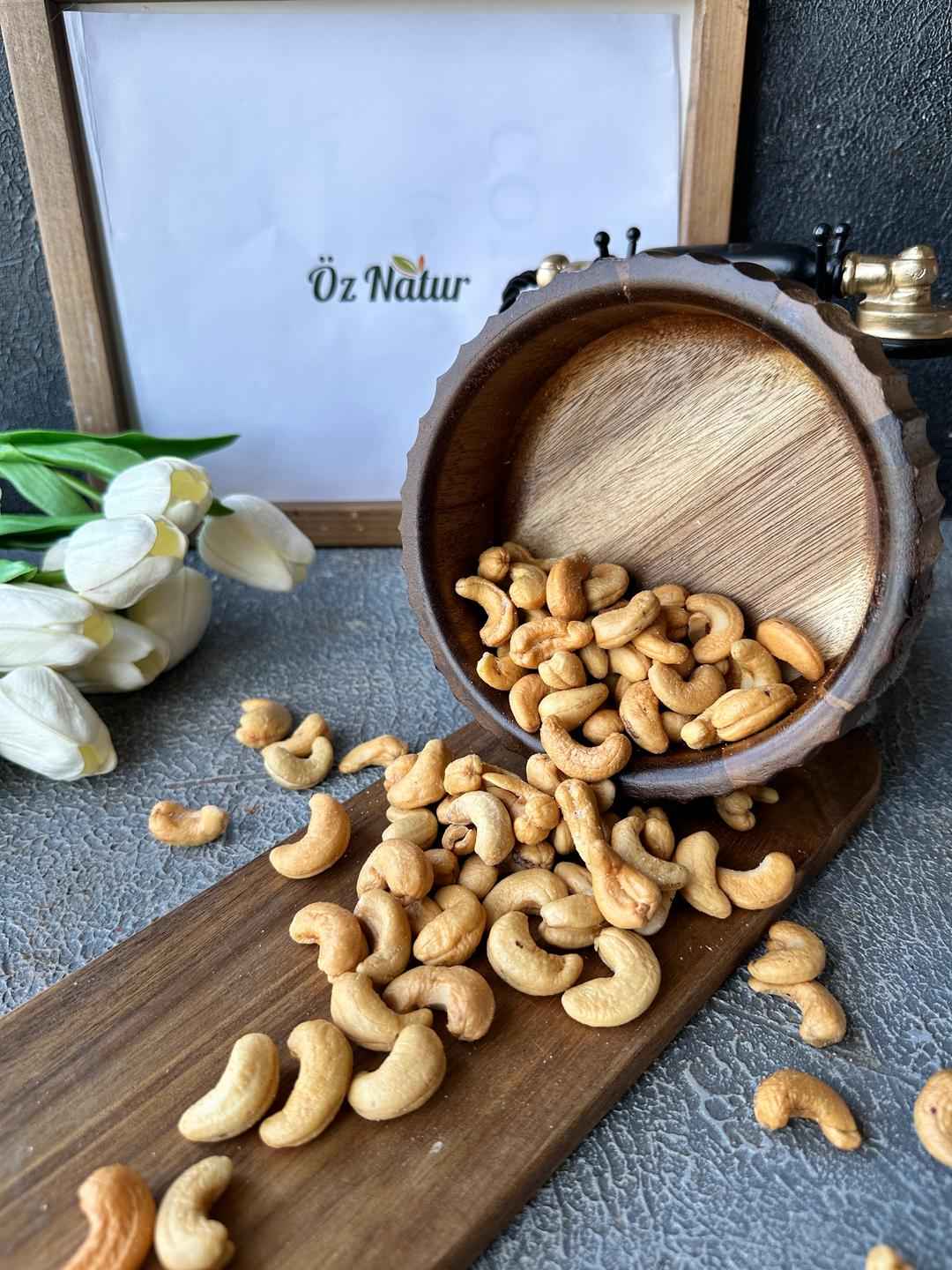
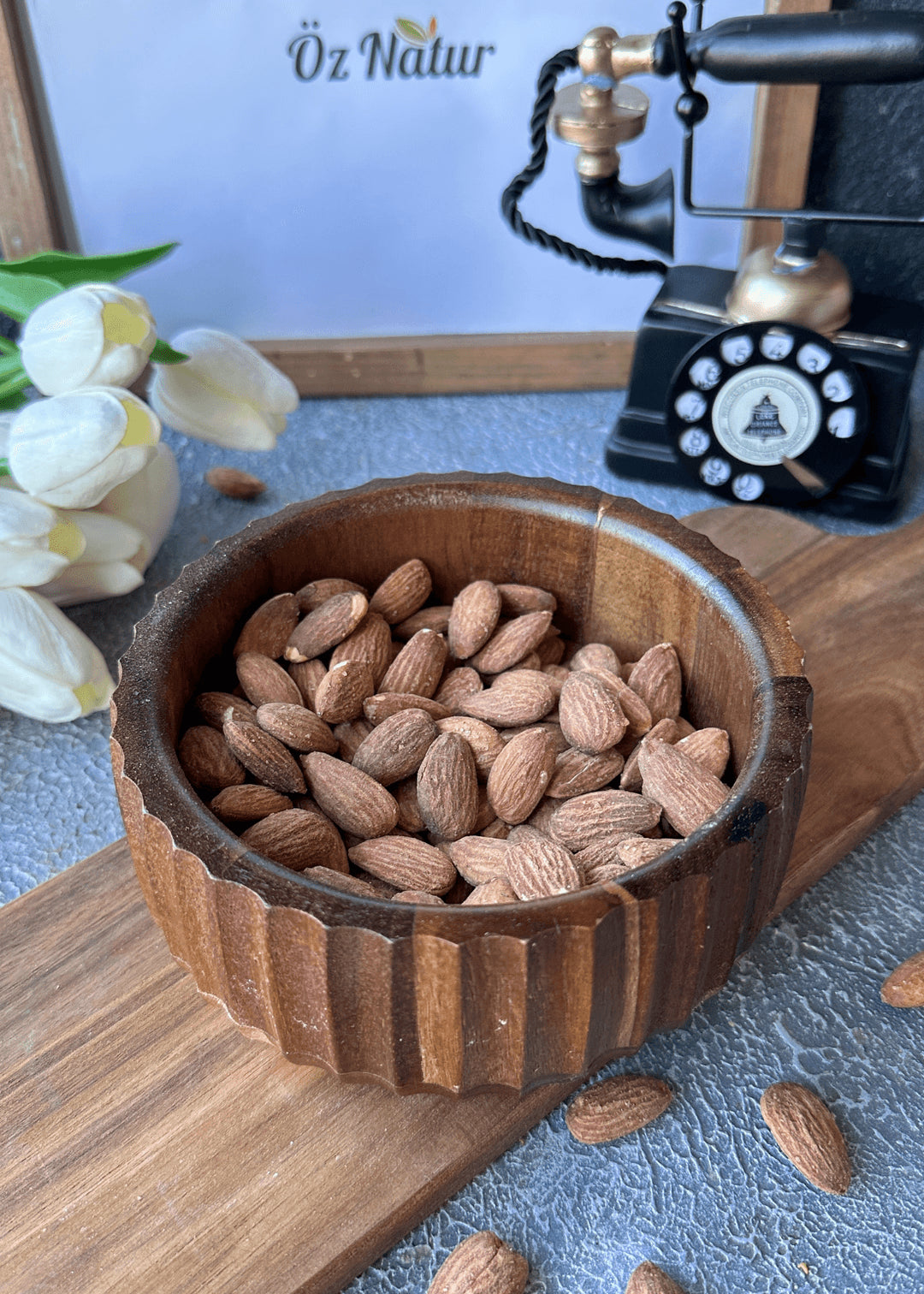
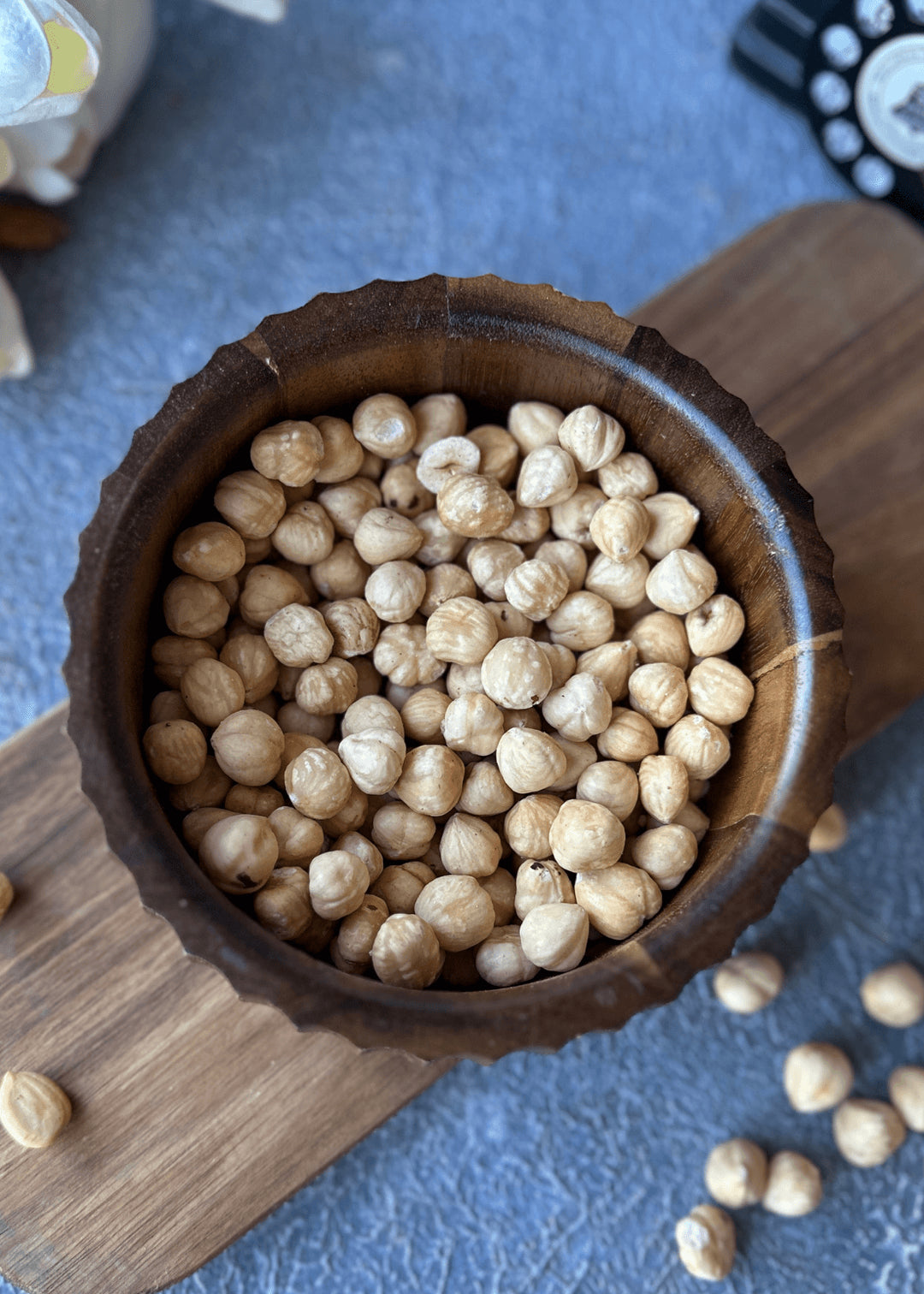
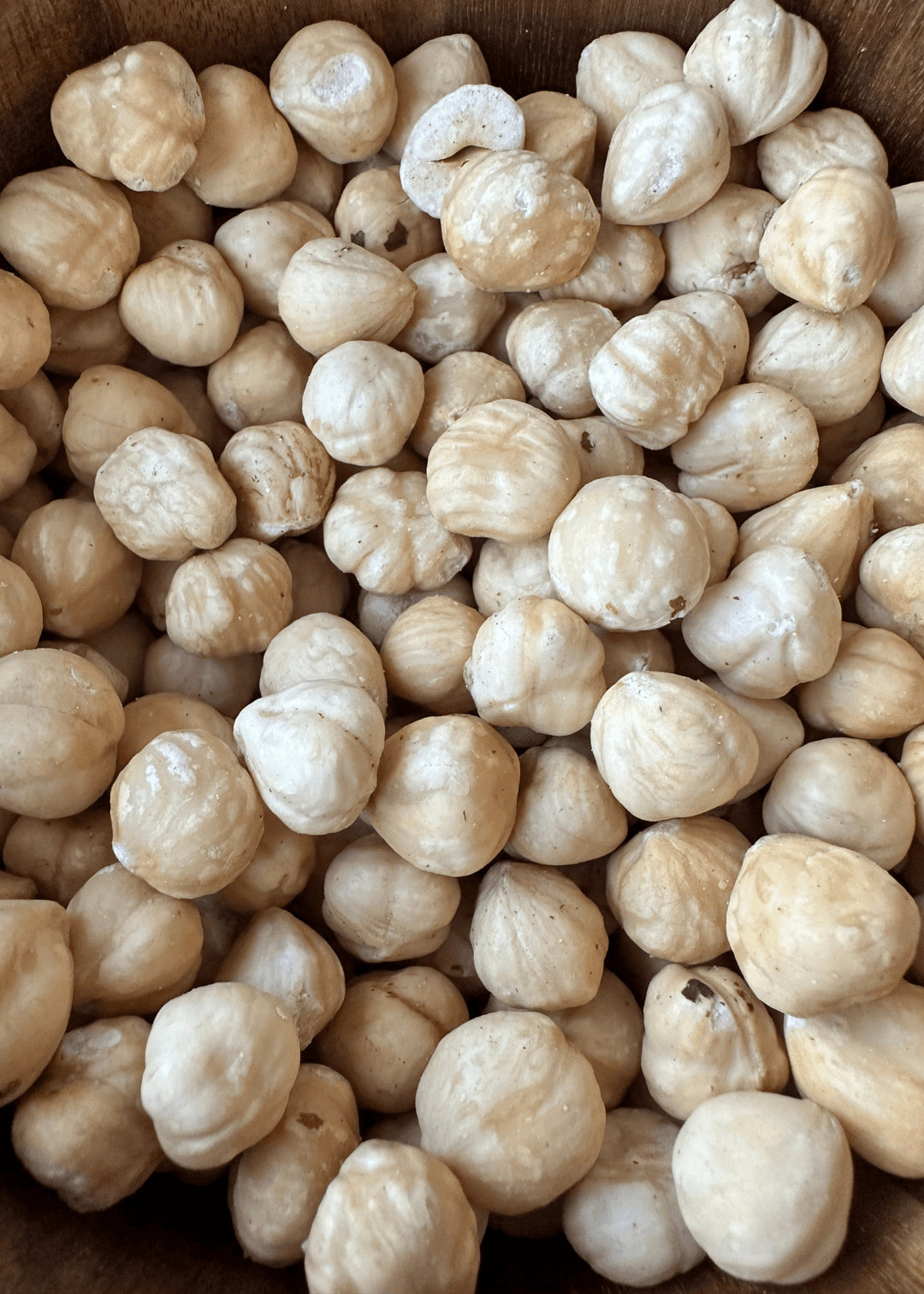
When paired with nuts, dried fruits create stronger texture contrast. Roasted pistachios, cashews, walnuts, and hazelnuts add crunch, while dried fruits contribute softer and denser layers. This balance is especially noticeable in breakfast bowls and granola mixtures where texture variety becomes part of the eating experience.
Some breakfast mixtures blend dried fruits directly into milk or yoghurt-based drinks. Dates and dried apricots are particularly useful for creating naturally thick and smooth consistency in smoothie recipes. Because of this, dried fruits influence not only flavour but also the entire structure and texture of homemade breakfast recipes.