
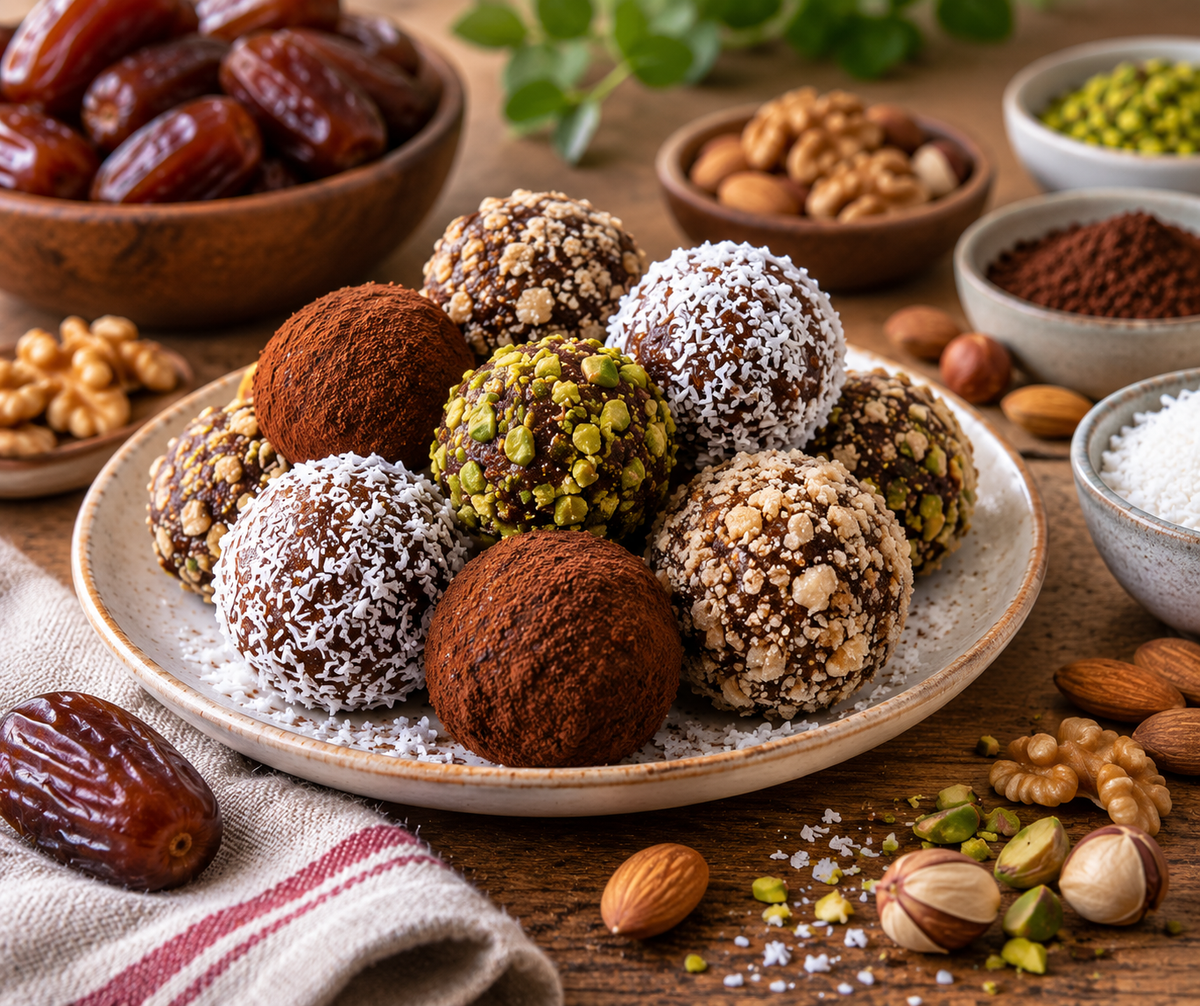
Date snack balls are practical bite-sized treats prepared by blending pitted dates with nuts, cocoa, coconut, tahini, or similar ingredients. Since they do not require baking, they can be made in a short time and served in small portions. The soft and dense texture of dates helps the mixture hold together, while nuts add a richer texture and a more layered flavor.
The most important point in this recipe is the consistency of the dates. Very firm dates can make the mixture difficult to blend and shape, while overly soft dates may make it too sticky. For this reason, the pits should be removed first, and if needed, the dates can be softened briefly in lukewarm water. After soaking, excess water should be removed carefully so the mixture does not become too wet.
Date snack balls can be prepared with different ingredients depending on the desired texture and presentation. Walnuts, hazelnuts, almonds, pistachios, cocoa, cinnamon, coconut, and sesame can all change the appearance and flavor of the recipe. In some versions, tahini or peanut butter can also be used. When these creamy ingredients are added, the amount of dry ingredients should be adjusted to keep the mixture from becoming too soft.
During serving, date balls can be left plain or coated with coconut, cocoa, sesame, finely ground hazelnuts, or pistachios. This outer coating gives them a neater appearance and helps reduce sticking. They can be served on small plates, with coffee, during tea time, or as simple bite-sized treats for guests.
Which Ingredients Are Used for Date Snack Balls?
The main ingredient in date snack balls is the date itself. Pitted, soft dates form the base of the mixture and help the ingredients come together. The dates should be soft enough to mash or blend easily. If they are too firm, they can be soaked briefly, but they should be dried well afterward. Excess moisture can make the mixture too loose and difficult to shape.
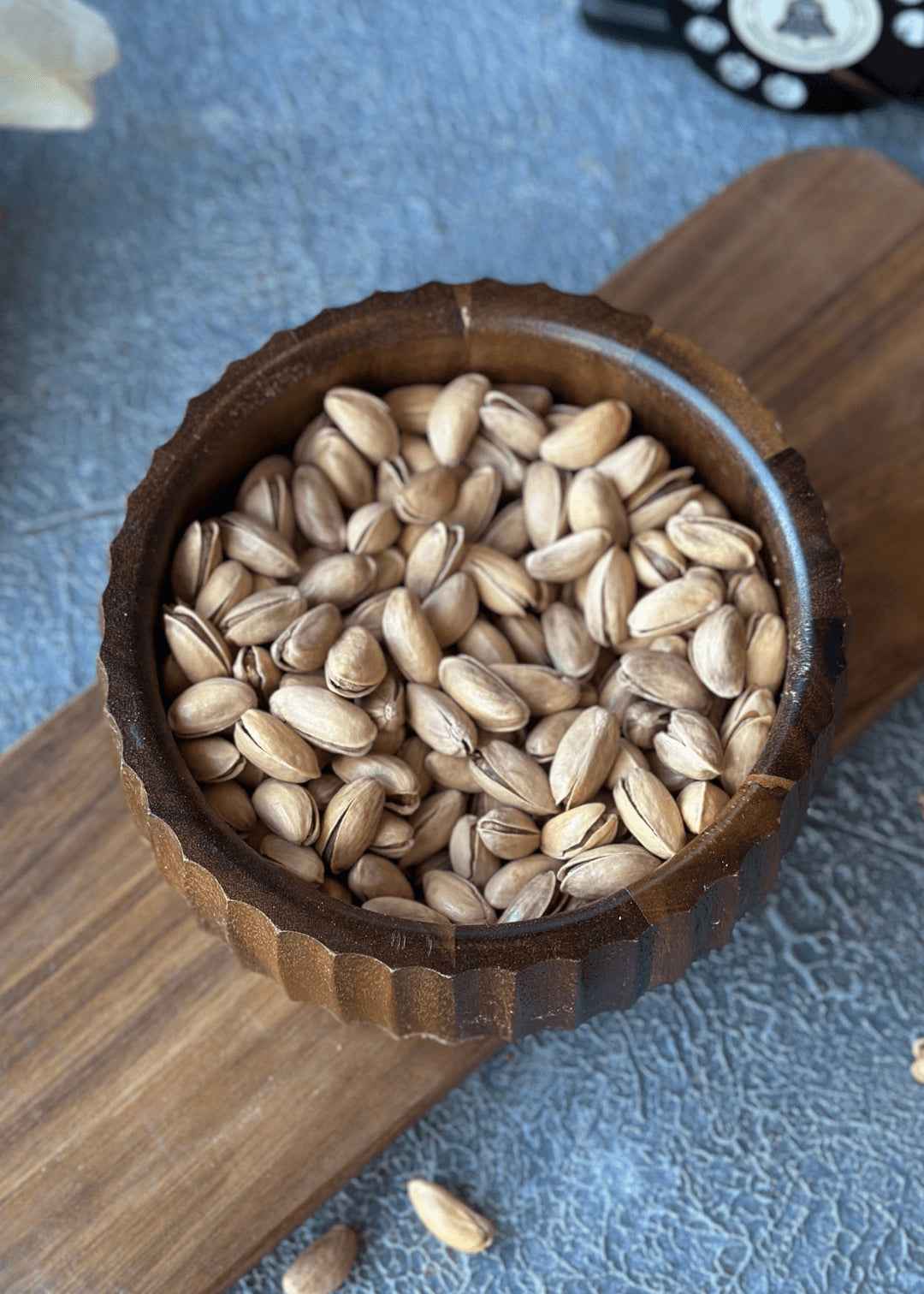
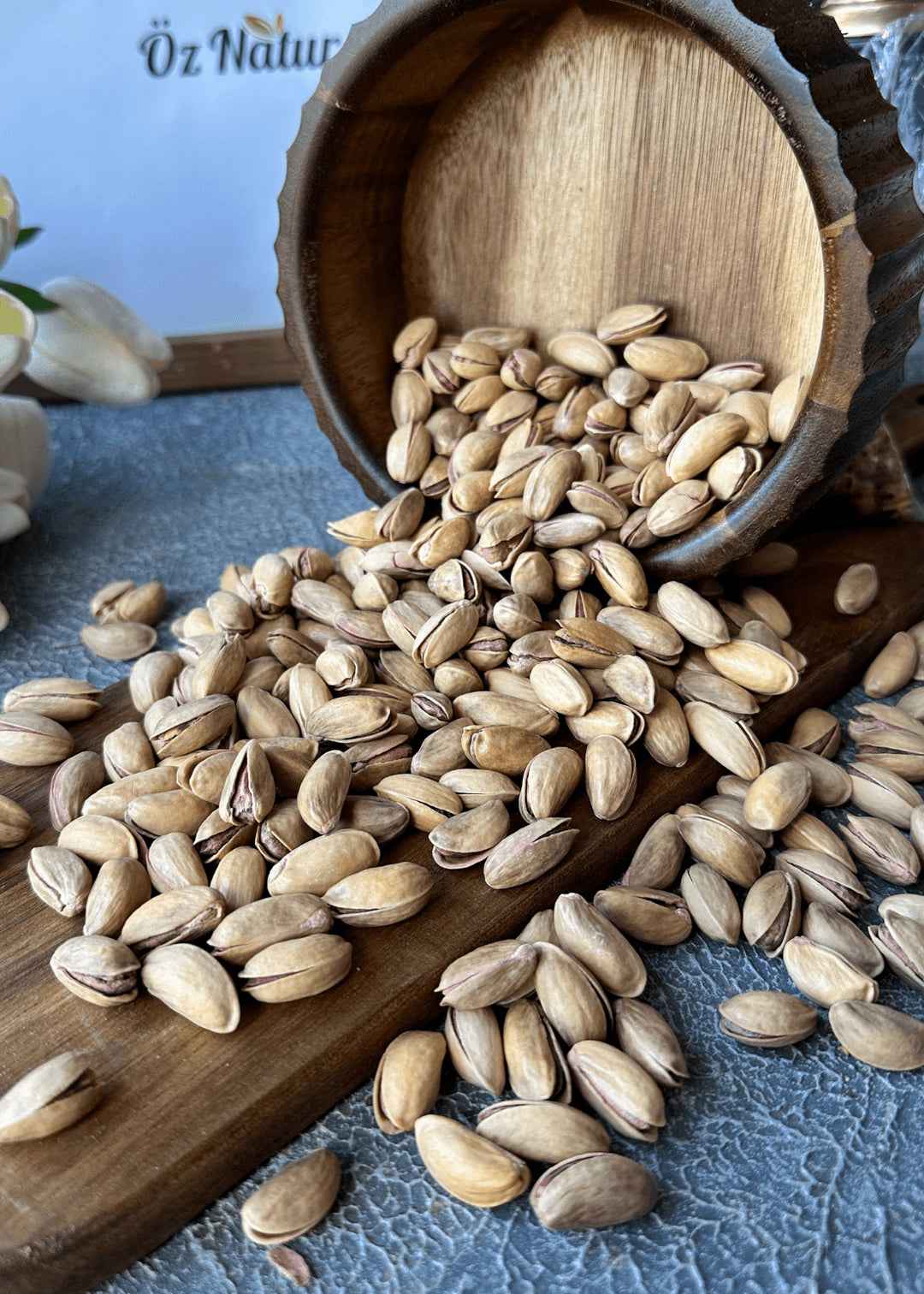
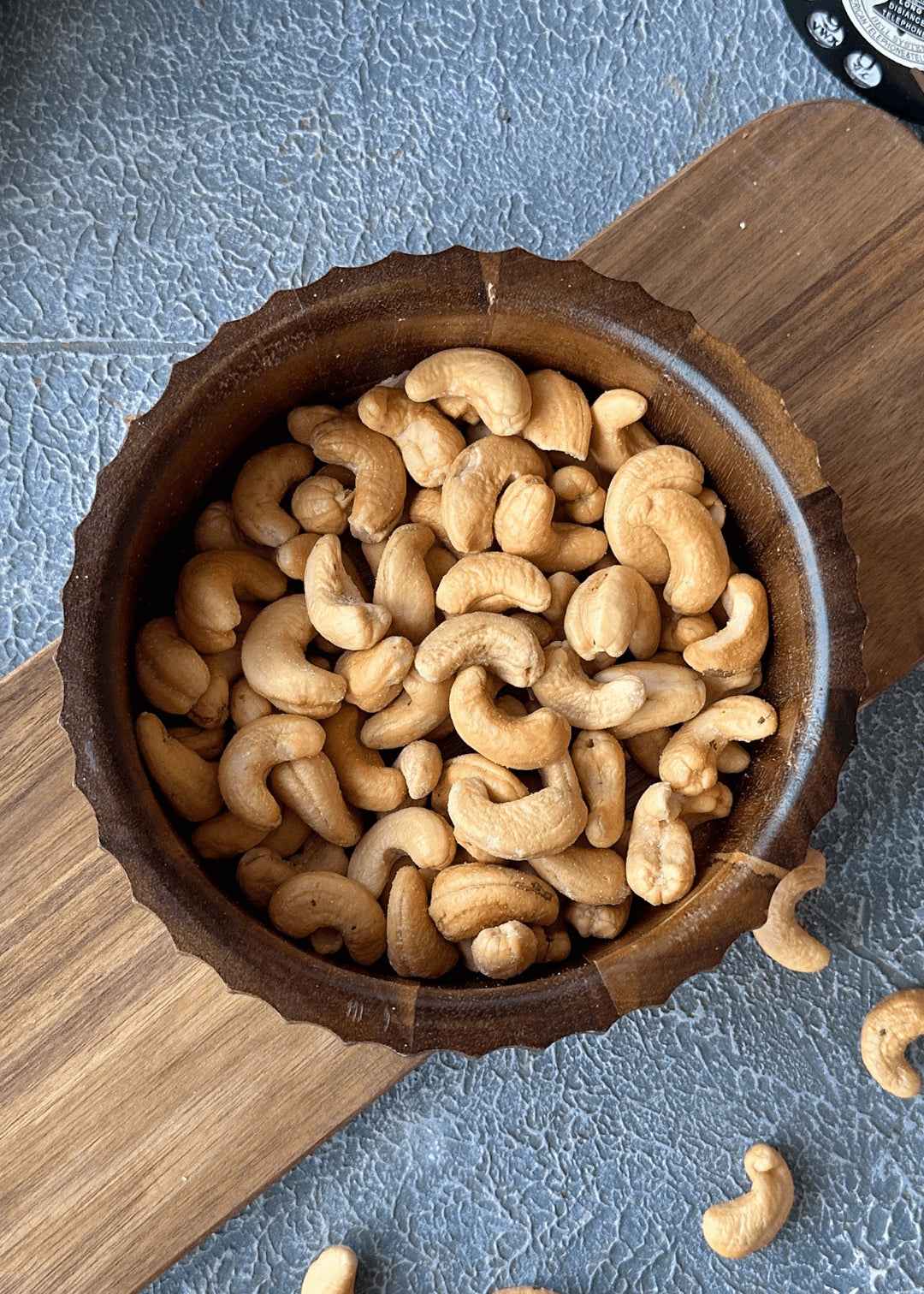
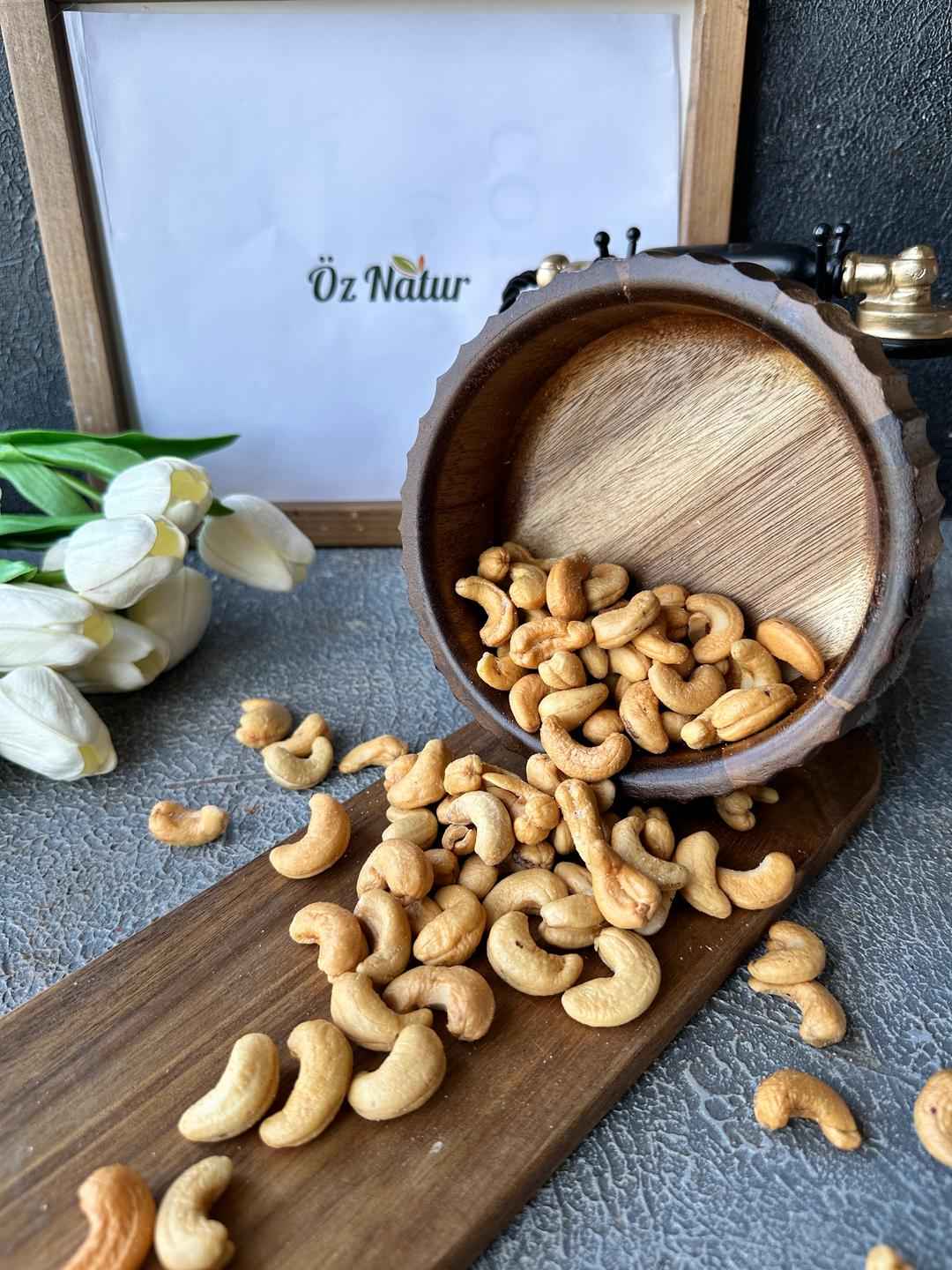
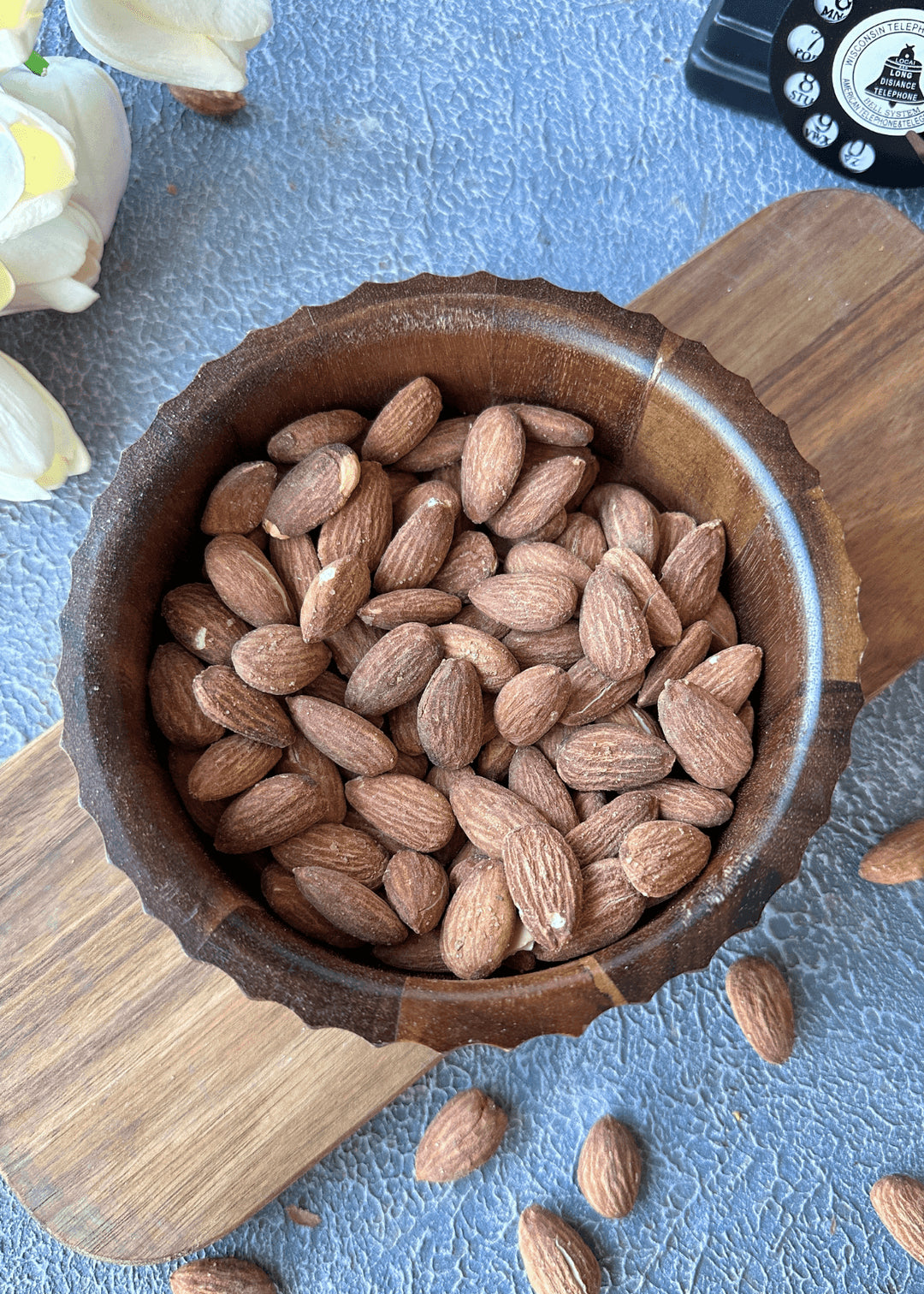
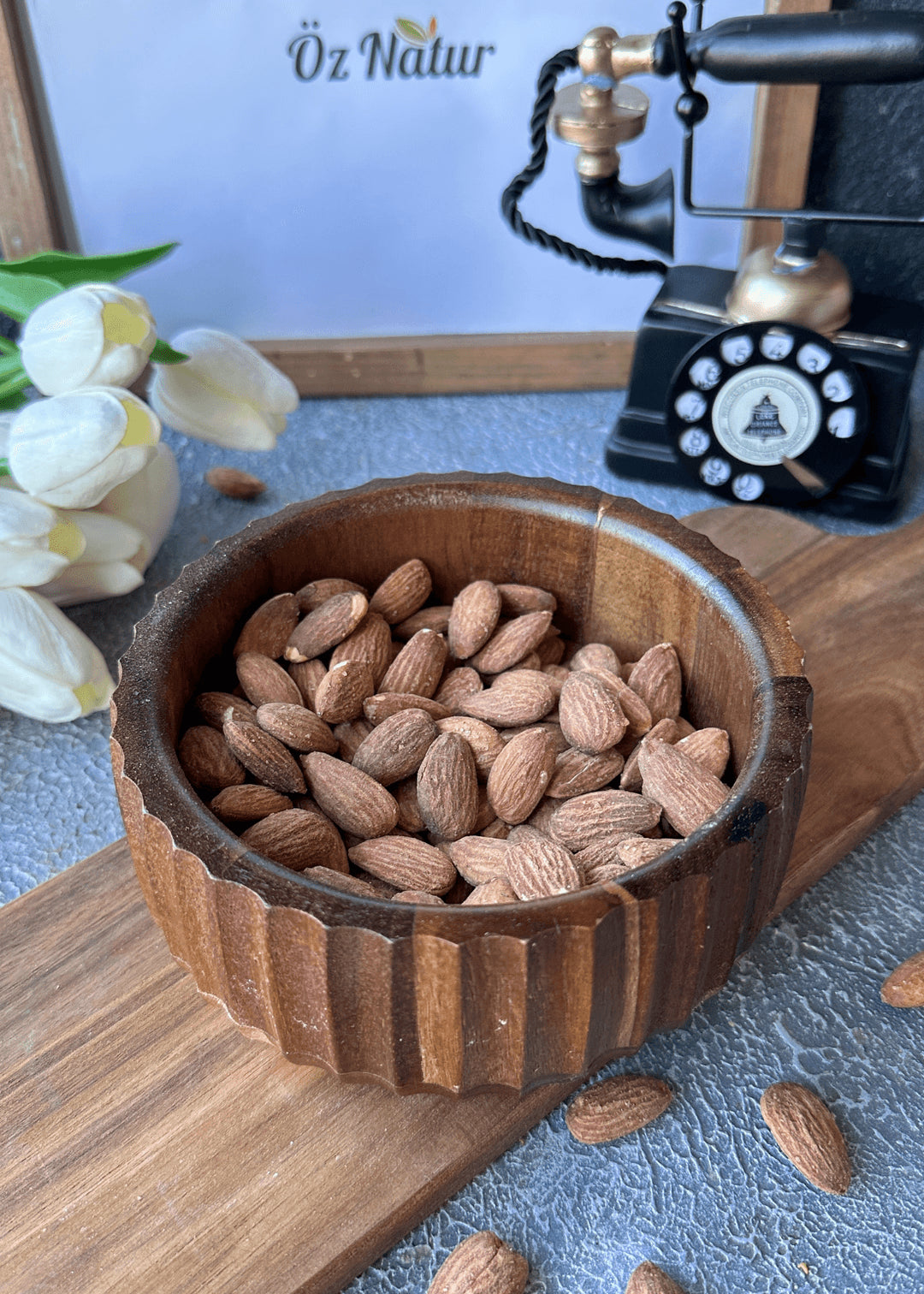
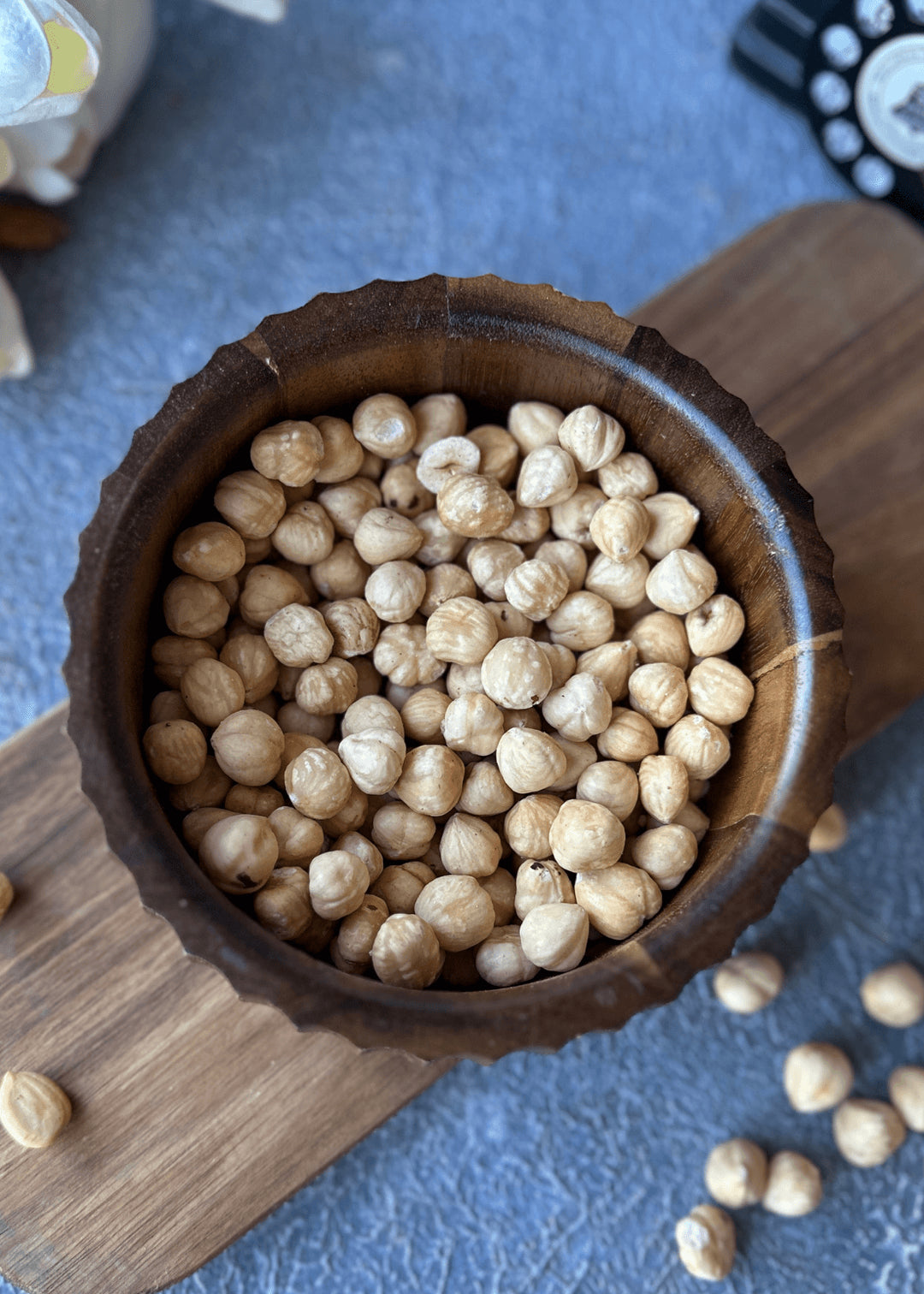
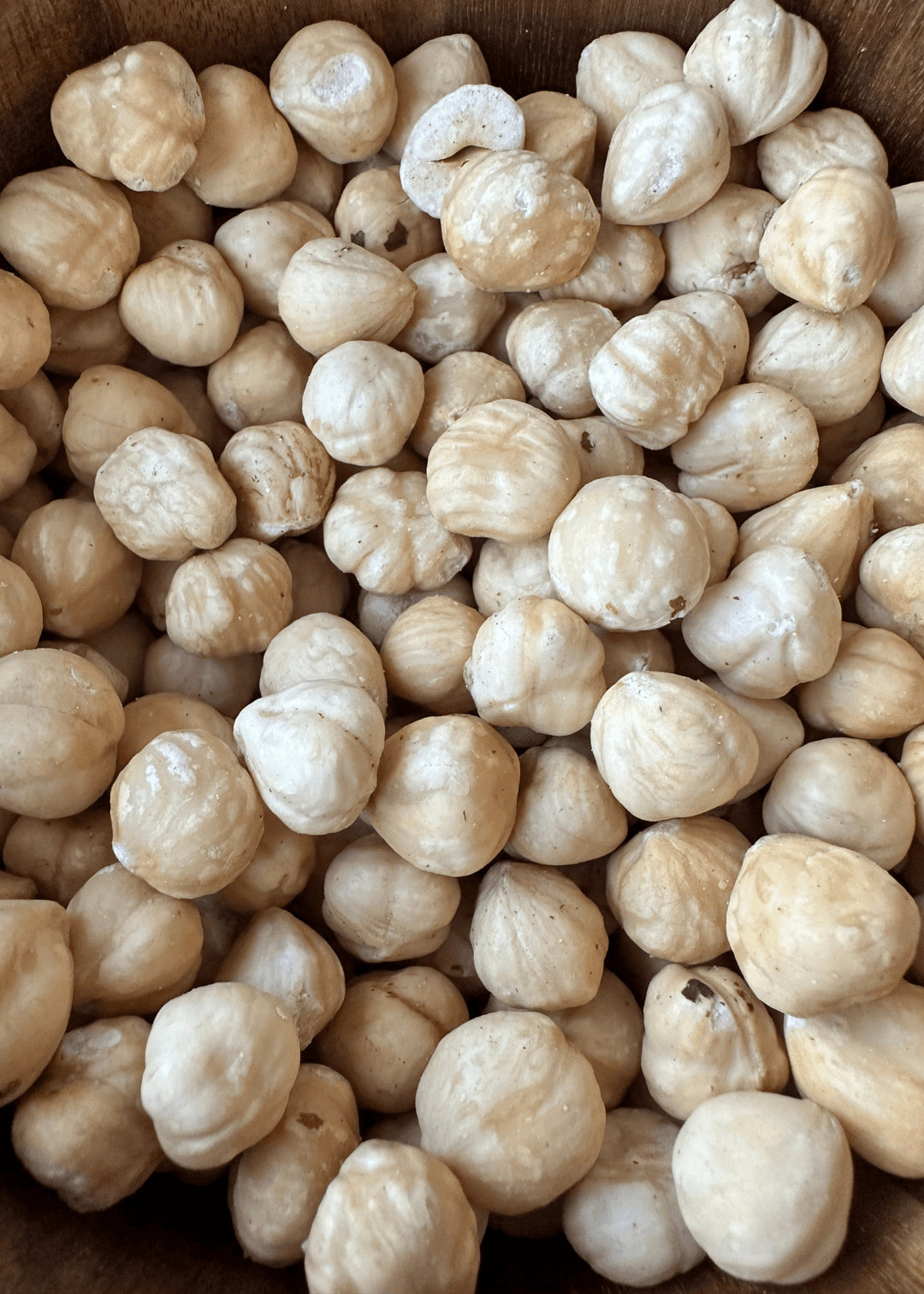
Nuts are used to add both texture and flavor. Walnuts give a stronger and more familiar taste, while hazelnuts create a fuller aroma. Almonds provide a lighter and more delicate texture. Pistachios can be used inside the mixture or as a coating to create a more colorful appearance. Nuts should not be ground completely into flour; a slightly grainy texture usually gives a better result.
Cocoa, cinnamon, and coconut add different aroma layers to date snack balls. Cocoa creates a darker and more intense flavor, while cinnamon gives a warmer note. Coconut can be used inside the mixture or on the outside as a coating. These ingredients should be used in controlled amounts, because too much cocoa can dry the mixture and too much coconut can cover the main date flavor.
Tahini, peanut butter, or a small amount of honey can be used as binding or softening ingredients. However, dates already have a dense and sticky structure, so these additions should be used carefully. If the mixture holds together well, an extra binder may not be necessary. The aim is to create a mixture that is soft, easy to shape, and not overly sticky.
How Is the Consistency of the Date Mixture Adjusted?
The consistency of the date mixture is the key point for shaping snack balls easily. When pressed by hand, the mixture should come together without falling apart, but it should not stick heavily to the fingers. If it is too dry, it may crumble while shaping. If it is too soft, it may stick to the hands and lose its round form. The balance between dates, nuts, and additional ingredients should therefore be checked carefully.
If the mixture is too dry, the first step is to check whether the dates are soft enough. Firm dates may leave the mixture crumbly and uneven. In this case, a very small amount of water, milk, or tahini can be added. Liquid ingredients should be added little by little, because adding too much at once can make the mixture difficult to control.
If the mixture is too soft, the amount of dry ingredients can be increased. Finely chopped walnuts, hazelnuts, almonds, cocoa, or coconut can help bring the mixture together. Each dry ingredient affects the flavor differently. Cocoa makes the taste more intense, while coconut creates a more noticeable texture. For this reason, adjustments should support both texture and flavor balance.
The prepared mixture can also be chilled briefly before shaping. Resting it in the refrigerator helps it firm up and makes rolling easier. This step is especially useful when tahini, peanut butter, or very soft dates are used. If the mixture becomes too firm after chilling, it can be kneaded briefly by hand until it becomes workable again.
How Are Nuts, Cocoa, and Coconut Used in Date Balls?
Nuts can be used both inside date balls and as an outer coating. Walnuts, hazelnuts, almonds, or pistachios can be chopped finely or ground lightly before being added to the mixture. Very large pieces can make rolling difficult, while completely powdered nuts may make the texture too flat. A slightly coarse texture gives a more balanced result.
Cocoa gives date balls a darker color and a stronger flavor. It pairs well with the sweet and dense structure of dates, but it should be added gradually. Too much cocoa can make the mixture dry and overpower the other ingredients. Cocoa can also be used as a coating, but the layer should not be too thick, because it may leave a dry feeling on the surface.
Coconut is often used as a light and clean-looking coating. After the date balls are shaped, they can be rolled in coconut to create an even outer layer. Coconut can also be added to the inner mixture to reduce stickiness and add texture. However, too much coconut can change the main flavor of the recipe. For this reason, it is often easier to control when used mainly on the outside.
When several ingredients are used together, the amounts should stay simple. For example, if walnuts and cocoa are used in the inner mixture, coconut can be chosen for the coating. If hazelnuts and cinnamon are used inside, finely ground pistachios can create a colorful outer layer. Instead of using every ingredient heavily at the same time, choosing a few compatible elements creates a more balanced result.
How Are Date Snack Balls Shaped and Served?
To shape date snack balls, small portions of the mixture should be taken and rolled between the palms. Keeping the pieces similar in size makes the presentation look more organized. Very large balls may taste too dense, while very small ones can be harder to coat evenly. One-bite or two-bite portions are usually the most practical.
If the mixture sticks to the hands while rolling, the hands can be lightly moistened. Too much water should be avoided, because it can soften the surface of the balls. If the mixture is too soft, chilling it briefly can help. If it cracks while rolling, it may be too dry; in that case, a small amount of tahini or softened date can be added to bring the texture together.
For coating, coconut, cocoa, sesame, finely ground hazelnuts, walnuts, or pistachios can be used. The coating ingredient should be placed on a flat plate, and the balls should be rolled gently through it. This creates an even surface. Different coatings can also be used to create several presentation styles from the same base mixture.
Date snack balls can be served on small plates, in paper cups, or in covered glass containers. They work well with coffee, tea, guest platters, or small dessert servings. Keeping them in a cool place before serving helps them hold their shape. If they are stacked, placing parchment paper between the layers helps prevent sticking.