
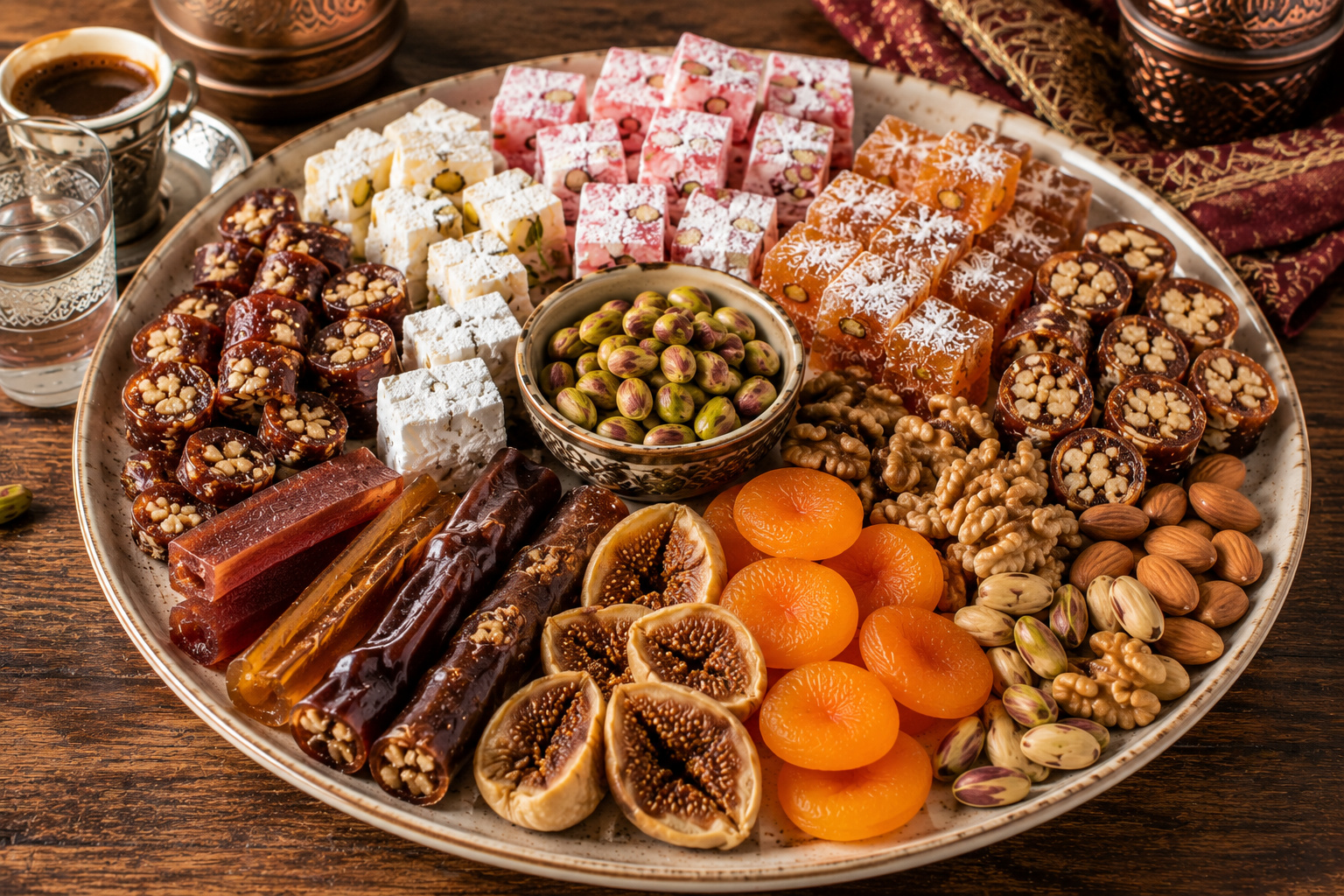
Which products are served together when preparing a traditional sweet plate is a common question for coffee servings, tea time, holiday treats, guest presentations and special table settings. A traditional sweet plate can be created with Turkish delight, cezerye, pestil, walnut sucuk, köme, dried fruits, nuts and small sweet pieces. The important point is not to add too many products, but to combine different textures and aromas in a balanced way.
When preparing a sweet plate, the intensity of each product should be considered. Turkish delight has a soft and sweet structure, while cezerye is denser and firmer. Pestil and walnut sucuk create a more traditional, flexible and walnut-based transition. Dried figs, dried apricots, dates and dried mulberries add fruity aroma and colour to the plate. If these products are not balanced properly, the plate may become too heavy, crowded or one-sided.
Appearance is also important on a traditional sweet plate. Products with different colours, shapes and textures can make the plate look more organised and inviting. Light-coloured Turkish delight, orange dried apricots, darker dates, walnut sucuk slices, pestil pieces and nuts can create a rich visual effect when placed correctly. However, this variety should be controlled so that the plate does not look overloaded.
A traditional sweet plate can be simpler for daily servings and more detailed for guests. A small piece of Turkish delight and a few nuts may be enough with coffee, while tea time or holiday servings can include several traditional products on the same plate. In every case, the aim is to prepare a balanced plate where the products do not stick together, aromas do not mix too strongly and each piece can be taken easily.
How Should Products Be Selected for a Traditional Sweet Plate?
When selecting products for a traditional sweet plate, the serving purpose should be defined first. For a small coffee serving, Turkish delight, a few nuts and a small piece of dried fruit may be enough. For tea time, a more varied plate can include cezerye, pestil, walnut sucuk, dried figs and dried apricots. For holidays or guest presentations, product variety can be increased, but the portions should remain small.
Texture balance is one of the most important details. Soft Turkish delight, denser cezerye, flexible pestil, walnut sucuk and crunchy nuts create different textures on the same plate. This variety makes the plate more interesting. However, using too many products with similar textures may make the plate feel monotonous. Soft, firm, flexible and crunchy elements should be distributed in balance.
Aroma balance is also part of product selection. Very sweet products should not be used in large amounts side by side. Turkish delight and cezerye can be balanced with walnuts, hazelnuts, almonds or pistachios. Dried fruits add both colour and another aroma layer. This creates a plate that feels varied without becoming too heavy.
The freshness and surface condition of the products should also be checked before serving. Turkish delight should not be too hard, pestil should not be overly dry or broken, walnut sucuk should not be excessively sticky, and dried fruits should look and smell normal. Even a small product with a poor texture can affect the overall impression of the plate.
How Are Turkish Delight, Cezerye, Pestil and Walnut Sucuk Served Together?
Turkish delight usually creates a soft and colourful starting point on a traditional sweet plate. When served in small cubes, it gives the plate a neat appearance. Plain, rose-flavoured, pistachio or other varieties can be used, but adding too many types at once may make the plate look crowded. One or two Turkish delight varieties are often enough for a balanced arrangement.
Cezerye has a denser and firmer texture than Turkish delight. It can be added to the plate in slices or small squares. Since cezerye is a strong product on its own, it should not be piled directly with Turkish delight. When placed in a separate area, it keeps its own appearance and creates a more organised transition with the other products.
Pestil and walnut sucuk add a more traditional and distinctive touch to the sweet plate. Pestil can be served in small squares, strips or rolled pieces. Walnut sucuk should be sliced thinly so that it is easier to take from the plate. Since these products have a dense structure, large pieces may make the plate look heavy. Smaller and thinner portions are more practical.
If these products are served together, the plate should be divided into clear sections. Turkish delight can be placed on one side, cezerye in another area, and pestil with walnut sucuk along a separate line. This prevents the surfaces from sticking together and keeps the aromas from mixing too much. Nuts or dried fruits can be used between these sections as transition elements.
How Are Dried Fruits and Nuts Used on a Sweet Plate?
Dried fruits play a complementary role on a traditional sweet plate in terms of both colour and aroma. Dried figs, dried apricots, dates, dried mulberries and raisins add different colour tones to the plate. Dried figs can be cut in half, dried apricots can be sliced, and dates can be pitted and divided into small pieces. This makes the plate easier to serve.
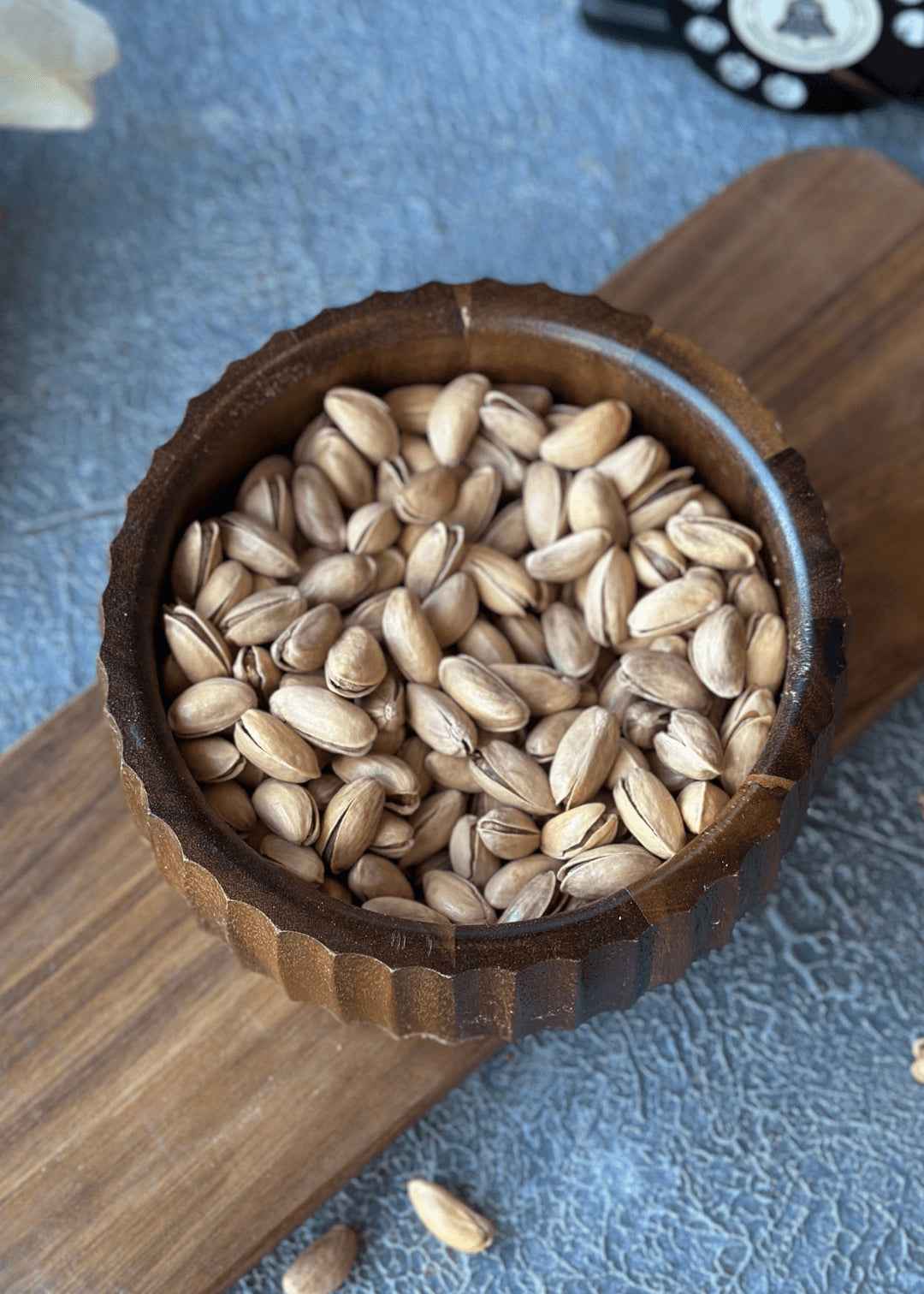
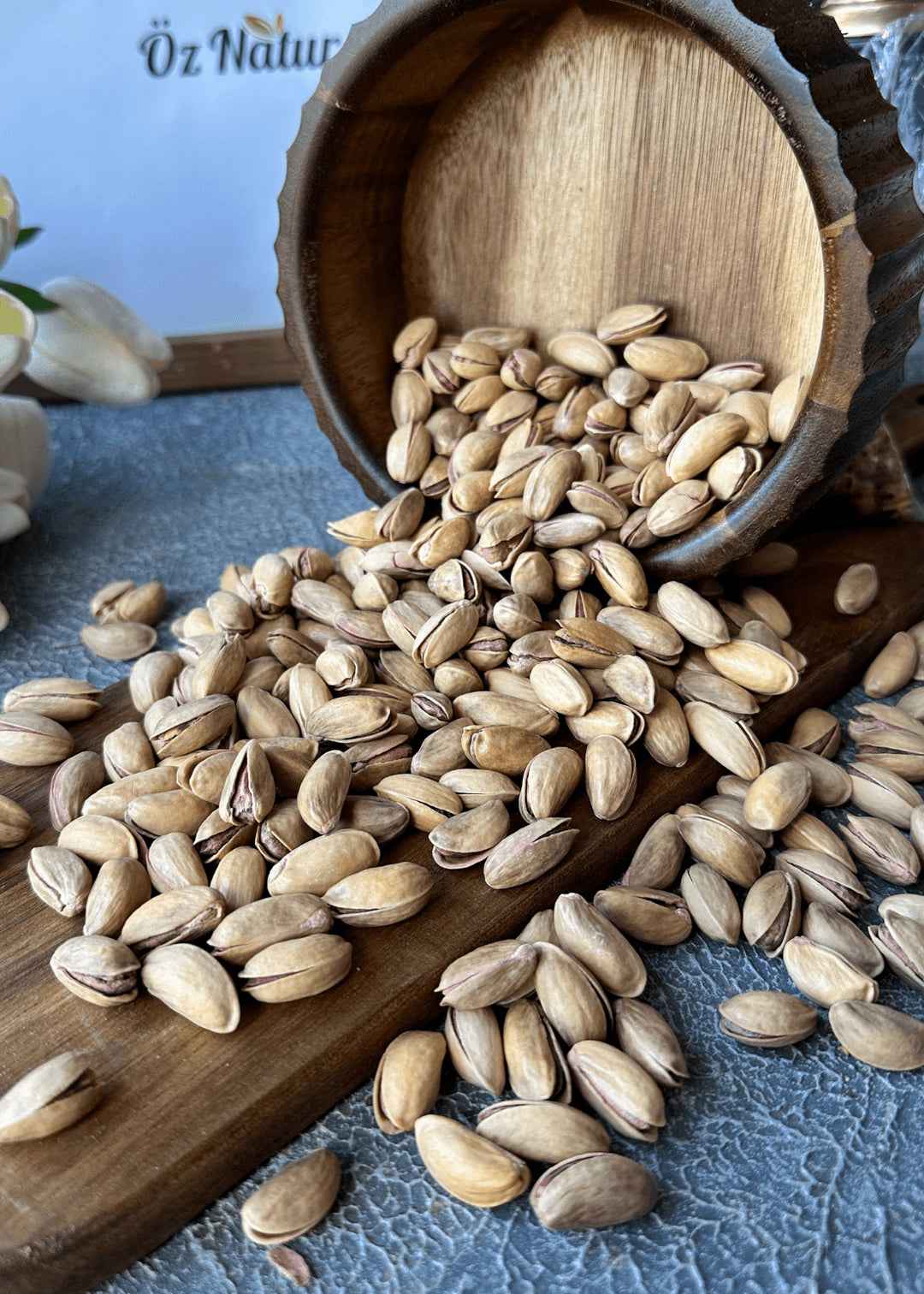
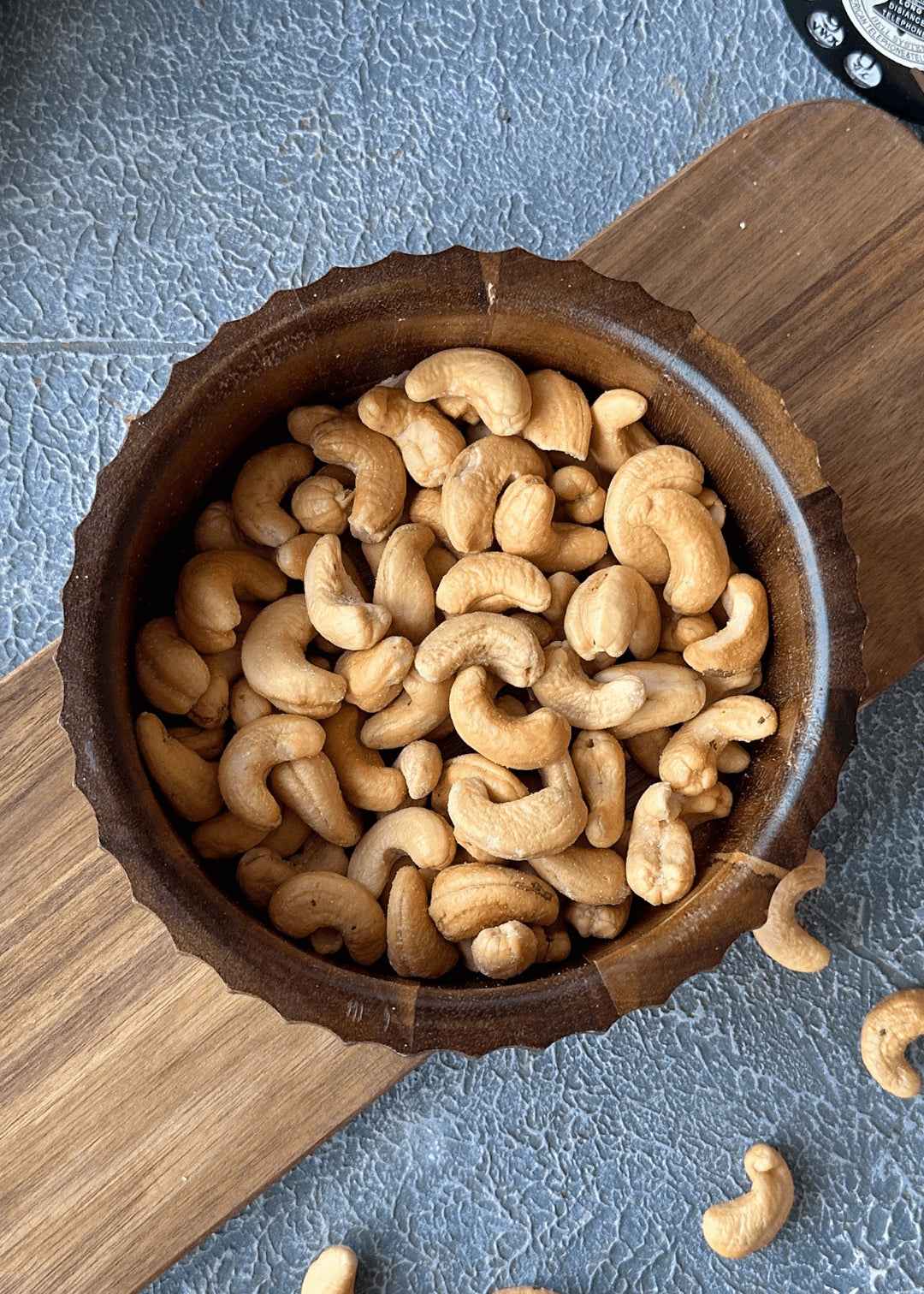
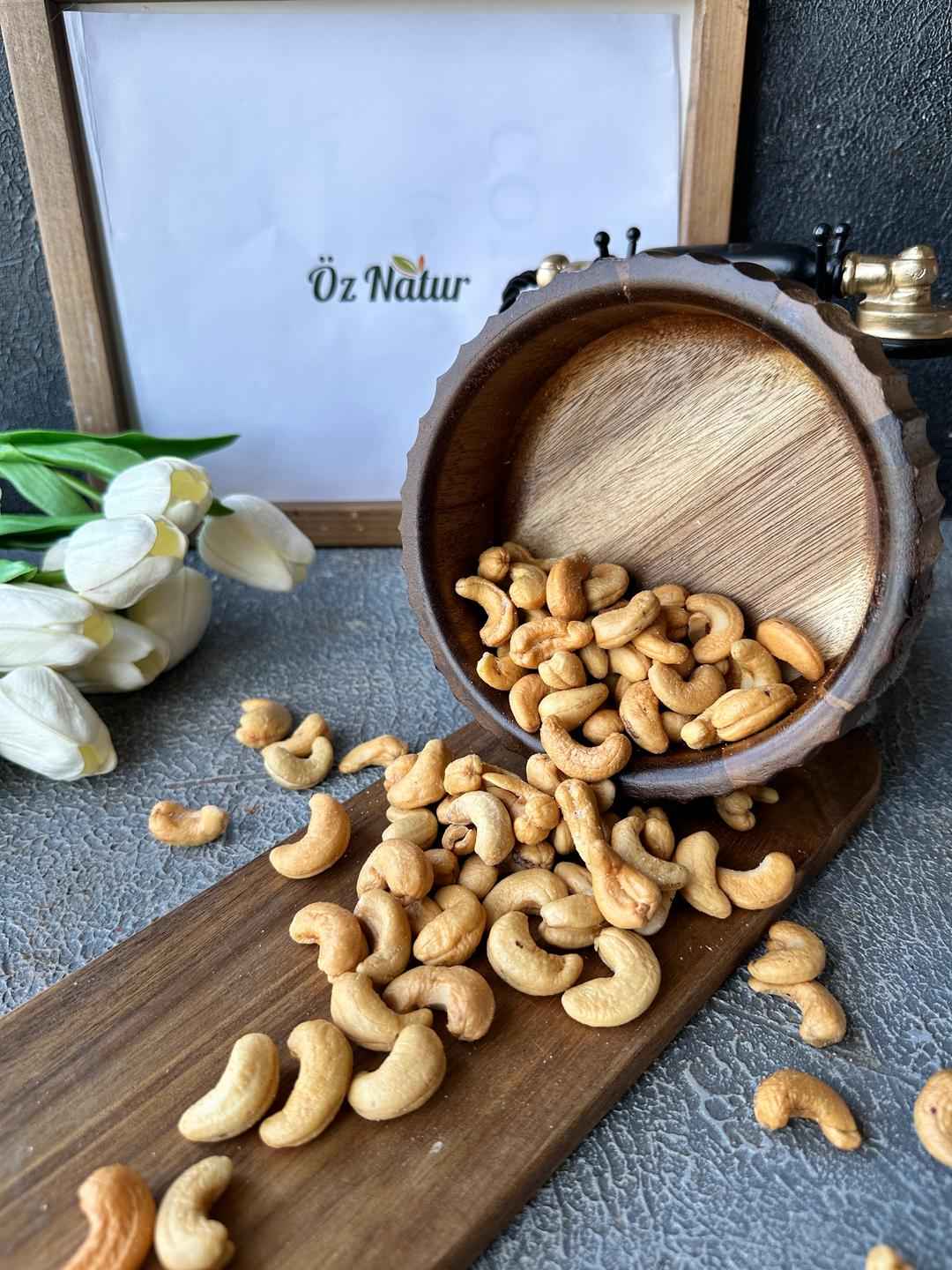
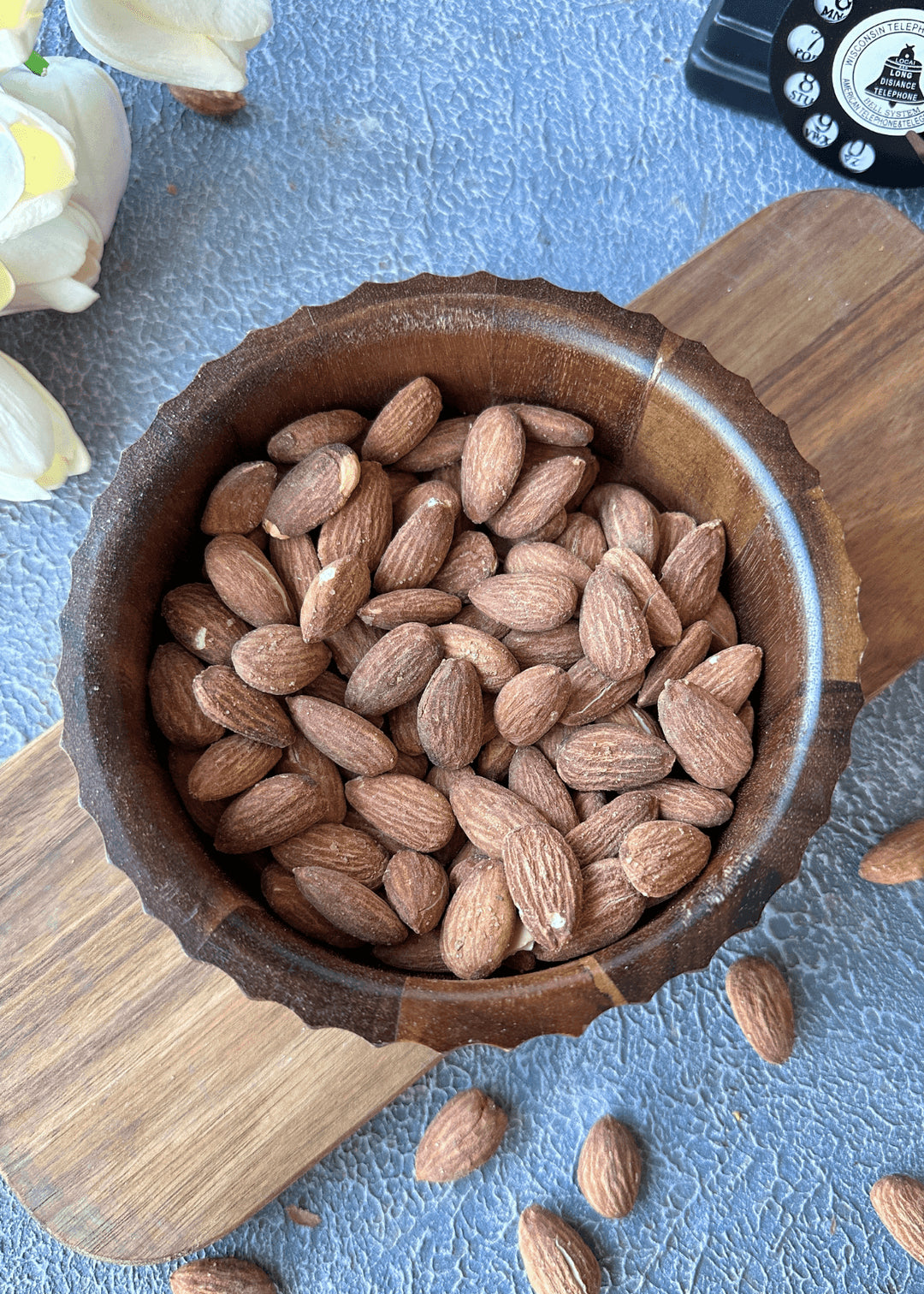
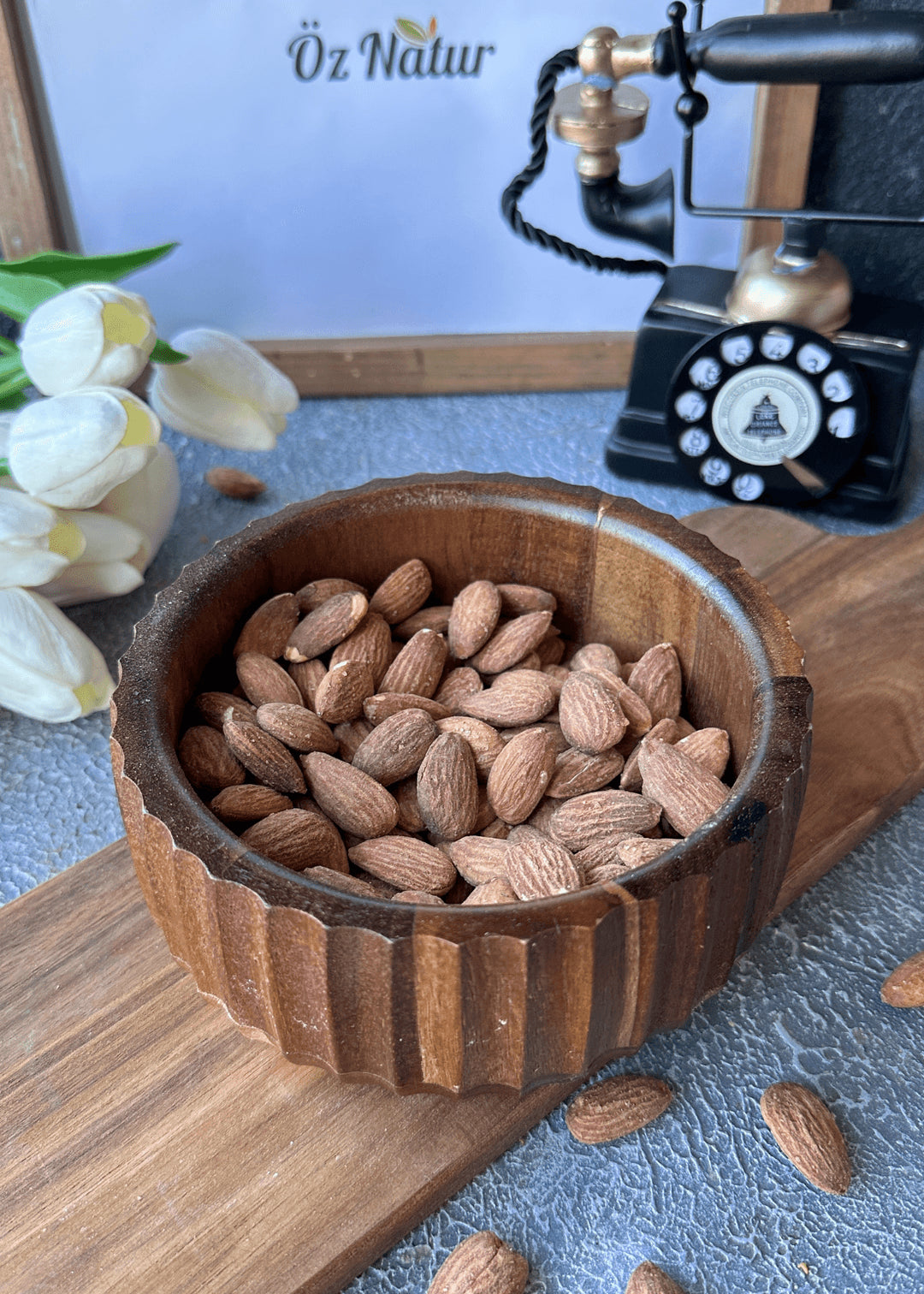
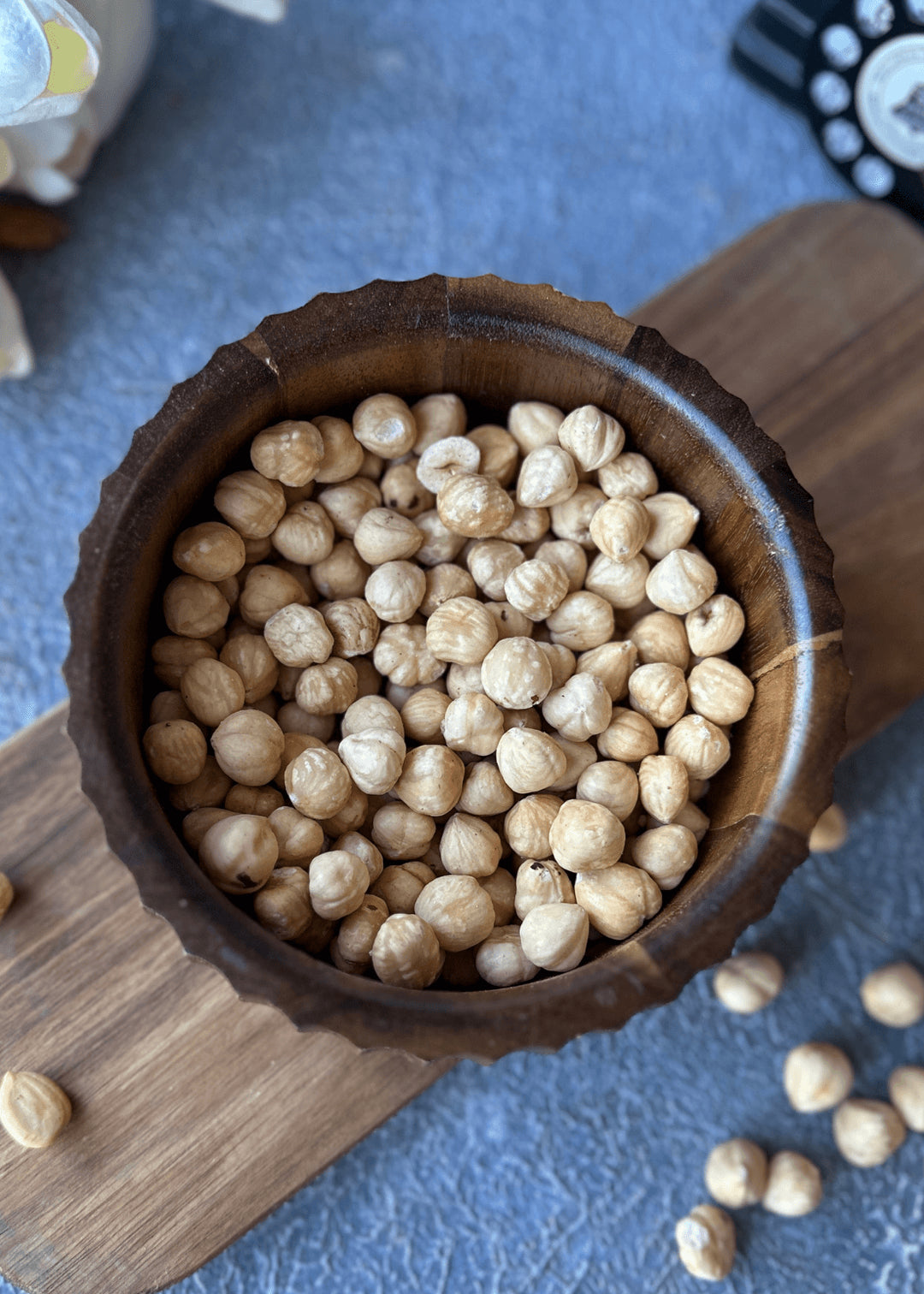
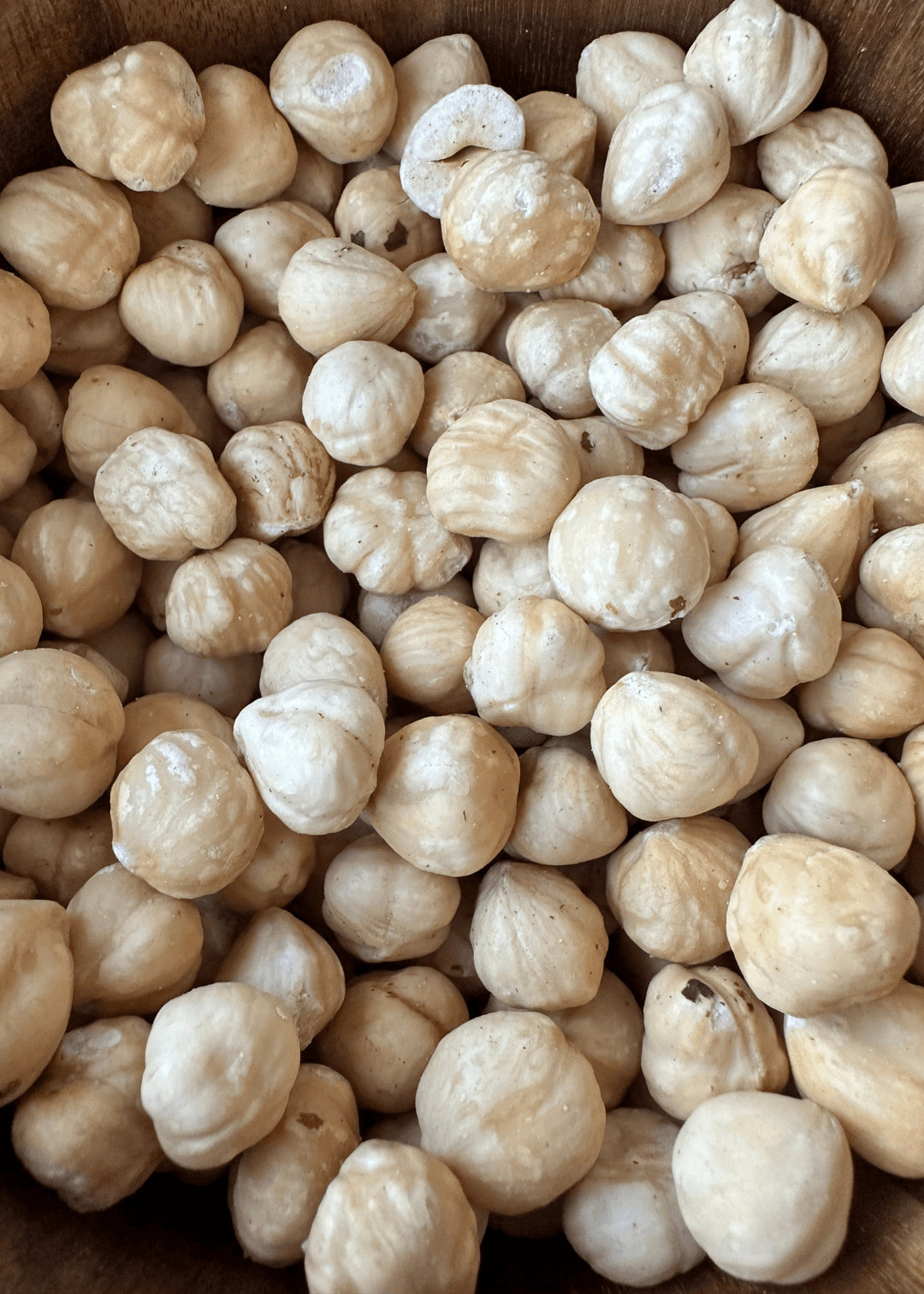
Nuts create texture balance on a sweet plate. Walnuts, hazelnuts, almonds, pistachios and cashews create a firmer contrast next to soft sweets. While Turkish delight, cezerye and pestil have softer or more flexible textures, nuts add a more defined bite. This balance makes the sweet plate look and feel more layered.
The amount of dried fruits and nuts should be controlled. Too much dried fruit can make the plate overly sweet, while too many nuts can make it look more like a snack plate. A small but visible amount from each product group creates a better result. For guest servings, colour, shape and ease of serving should also be considered.
Dried fruits and nuts should not be mixed directly with sticky products. Scattering nuts over Turkish delight, pestil or walnut sucuk can make the plate look messy. Instead, nuts can be placed in small groups, while dried fruits can be arranged between the traditional sweets as transition elements. This creates a cleaner and more controlled presentation.
How Is a Traditional Sweet Plate Prepared with Coffee and Tea?
When preparing a traditional sweet plate with coffee, the products should be small and controlled in intensity. With Turkish coffee, dibek coffee or menengiç coffee, large dessert pieces are not necessary. Turkish delight, a small piece of pestil, a slice of walnut sucuk, a few nuts or a small dried fruit portion can be enough. The aim is to accompany the coffee without overpowering it.
A sweet plate served with tea can be slightly more varied. Since tea is often enjoyed over a longer conversation, small selections of Turkish delight, cezerye, dried fruits, nuts, halva, pestil and walnut sucuk can be used. Portion control is still important. Instead of large pieces, small slices and easy-to-take portions create a better serving experience.
The plate arrangement can be planned differently for coffee and tea. A smaller, simpler plate is often enough for coffee, while a wider shared plate can be used with tea. For coffee presentation, there should be enough space for the cup, water and small treats. For tea, a medium-sized plate or serving tray can be more practical.
The traditional sweet plate should look clean and organised. Each product should be easy to take, sticky products should not mix with one another, and nuts should not be scattered across the plate. When products are placed in small portions, both coffee and tea servings become more balanced. This creates a more refined presentation for daily use as well as guest hosting.