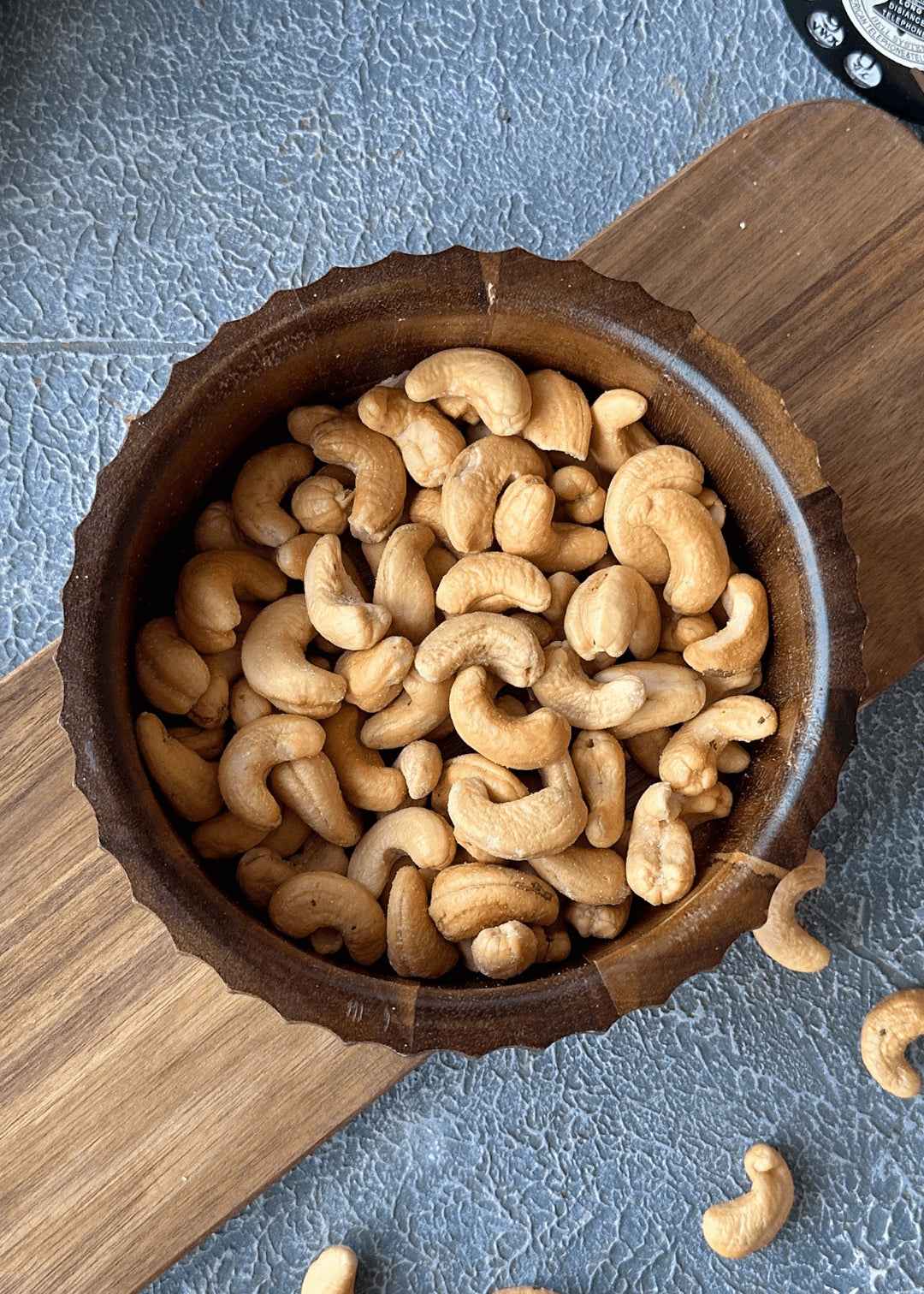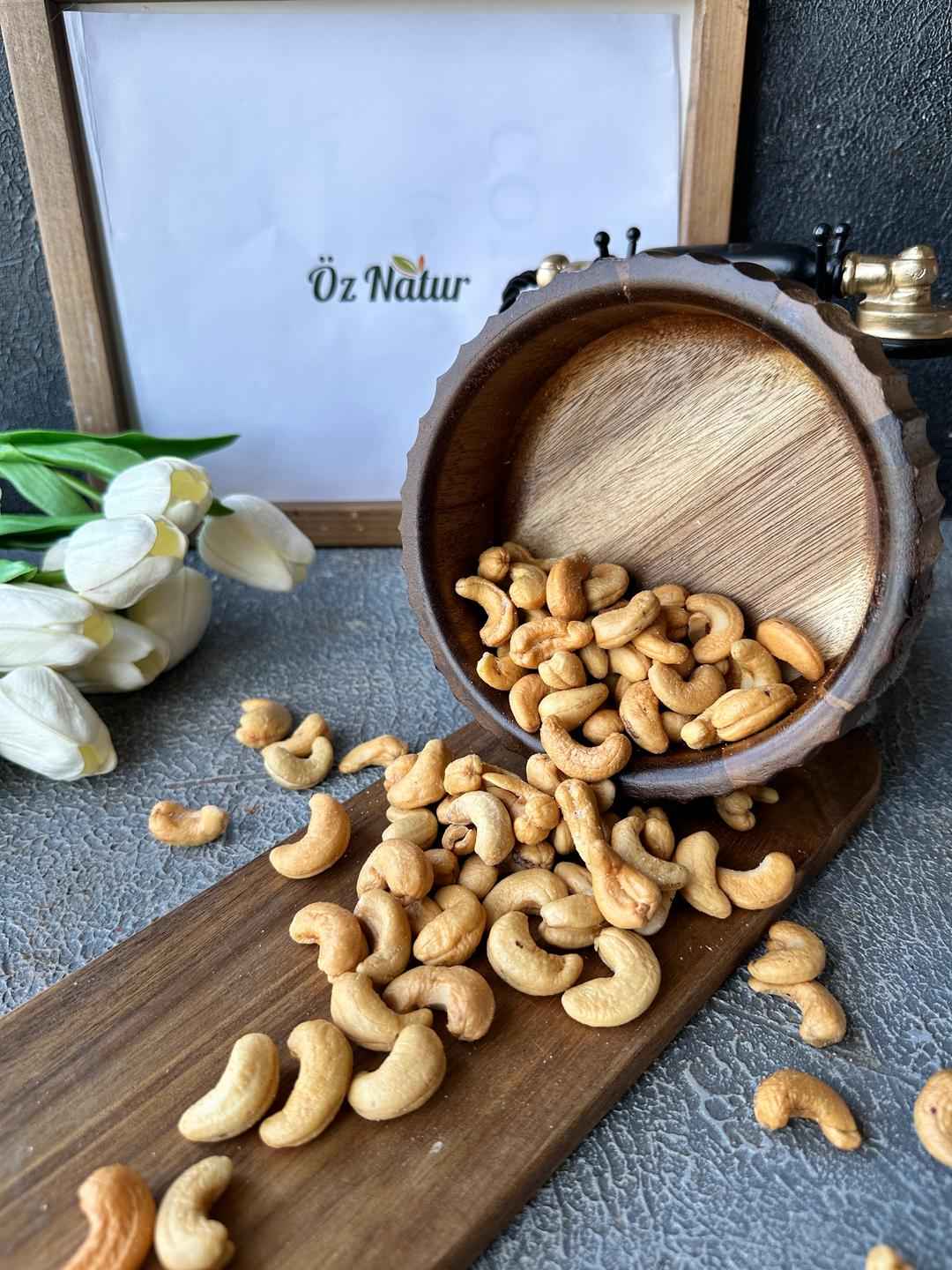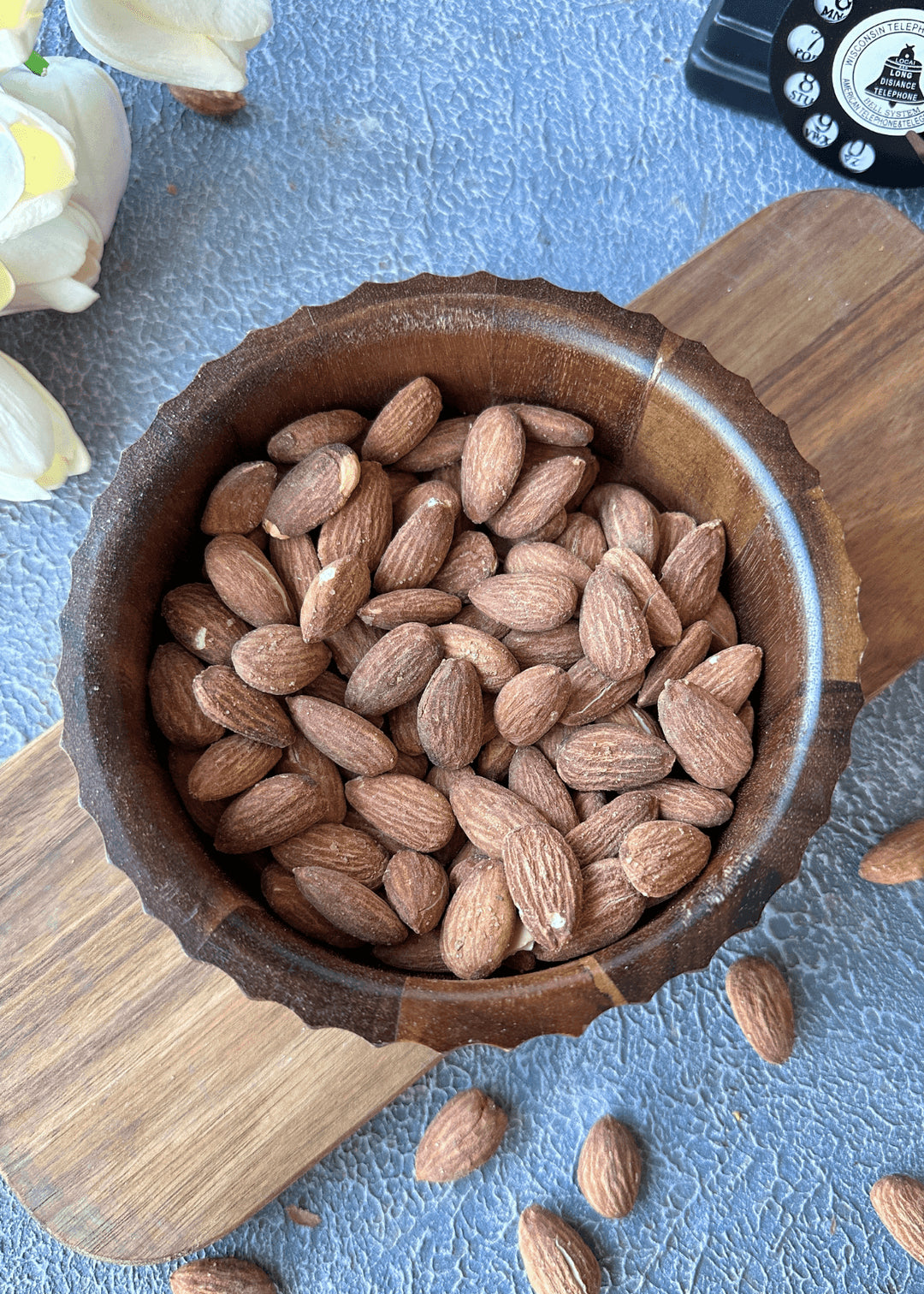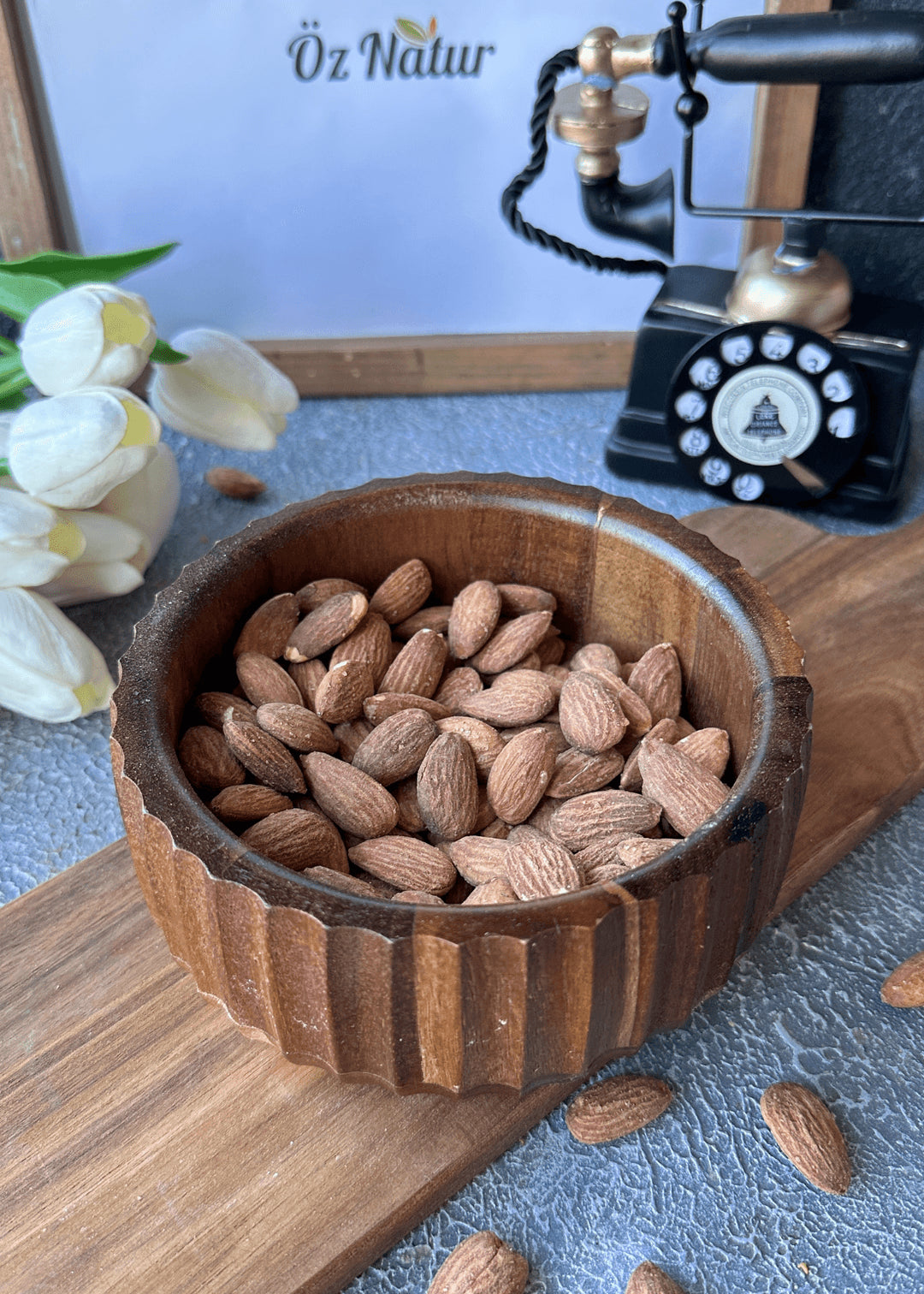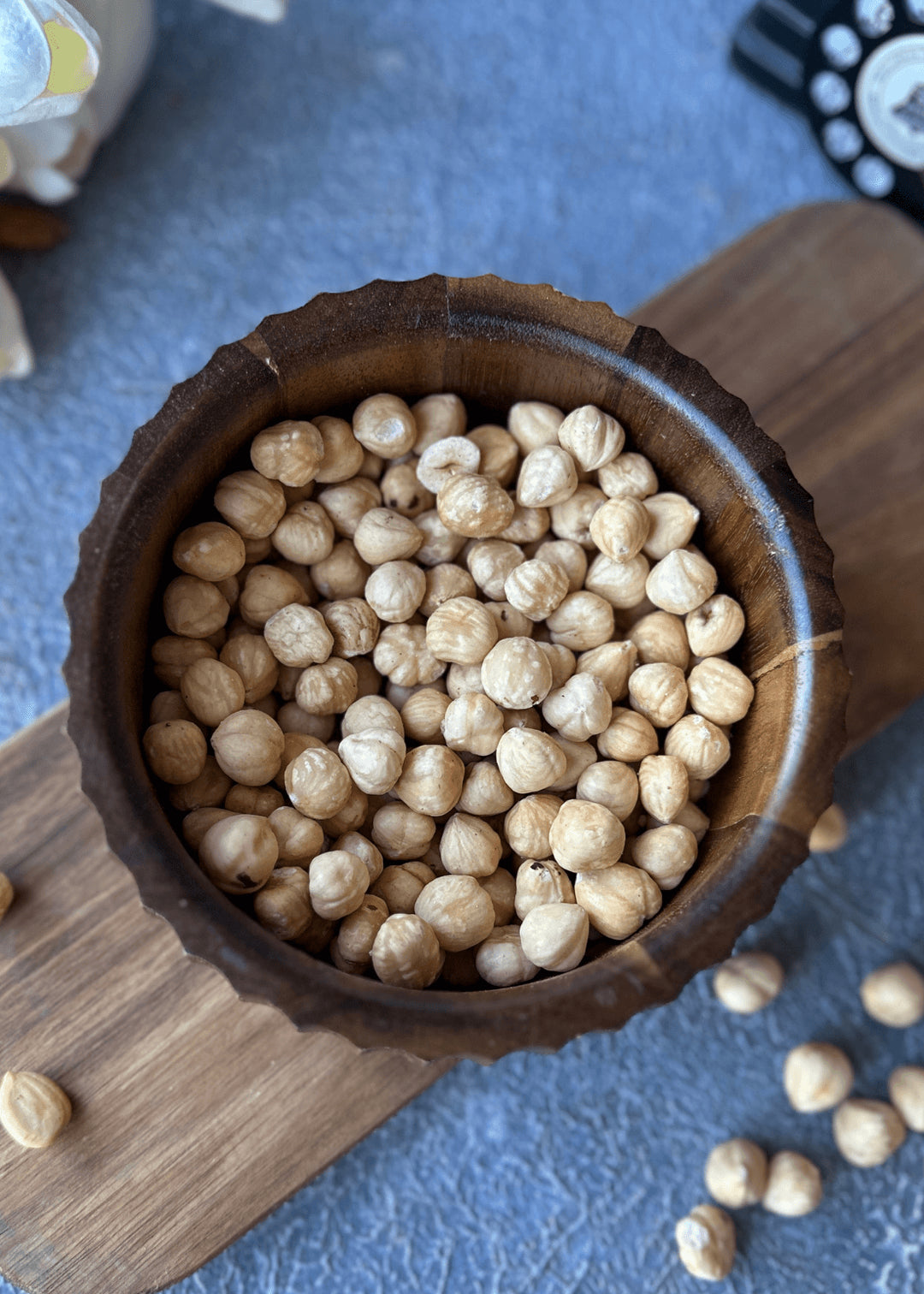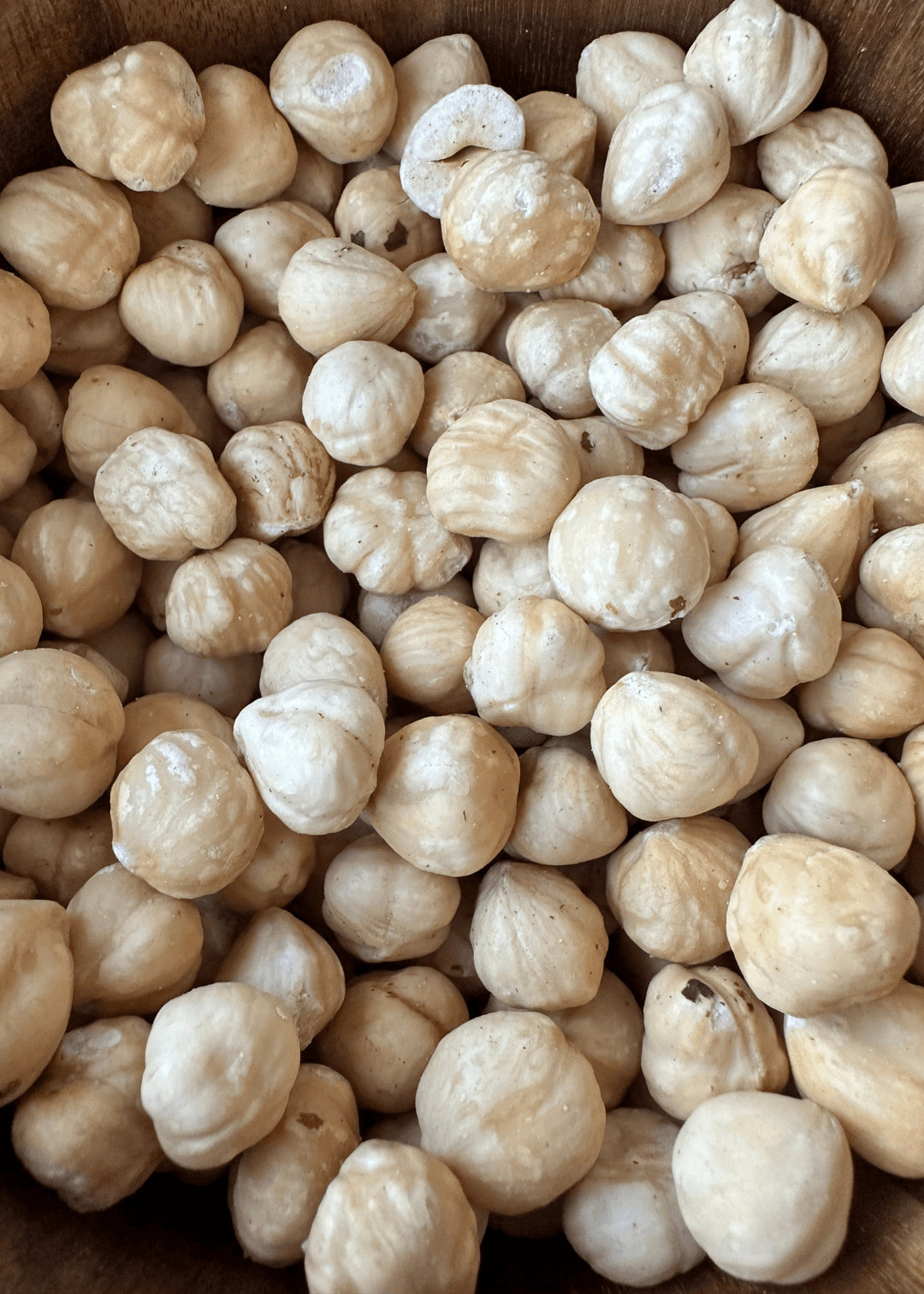

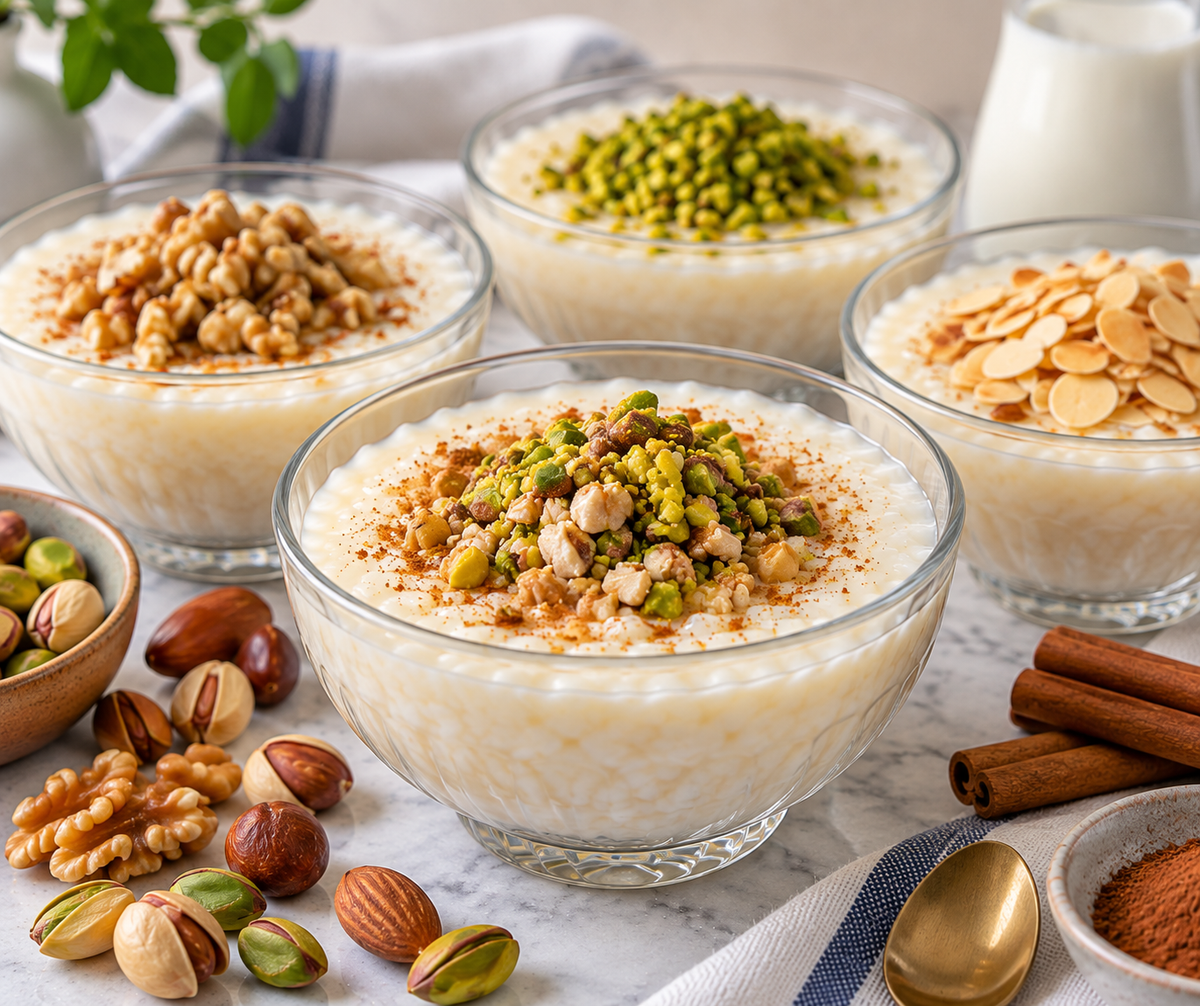
Walnuts, hazelnuts, almonds, pistachios, and similar nuts can be added on top of milk desserts. Rice pudding, muhallebi, pudding, kazandibi, keşkül, and similar desserts gain both a stronger presentation and an additional texture layer with nuts. Since milk desserts often have a soft and simple structure, the right nut topping can make the surface look more complete.
The choice of nuts should be made according to the texture of the dessert. Very large or heavy pieces may look uneven on soft and creamy desserts. On firmer desserts, slightly larger pieces can be used more comfortably. Finely chopped, ground, or sliced nuts usually sit more evenly on the surface of milk desserts and create a cleaner appearance.
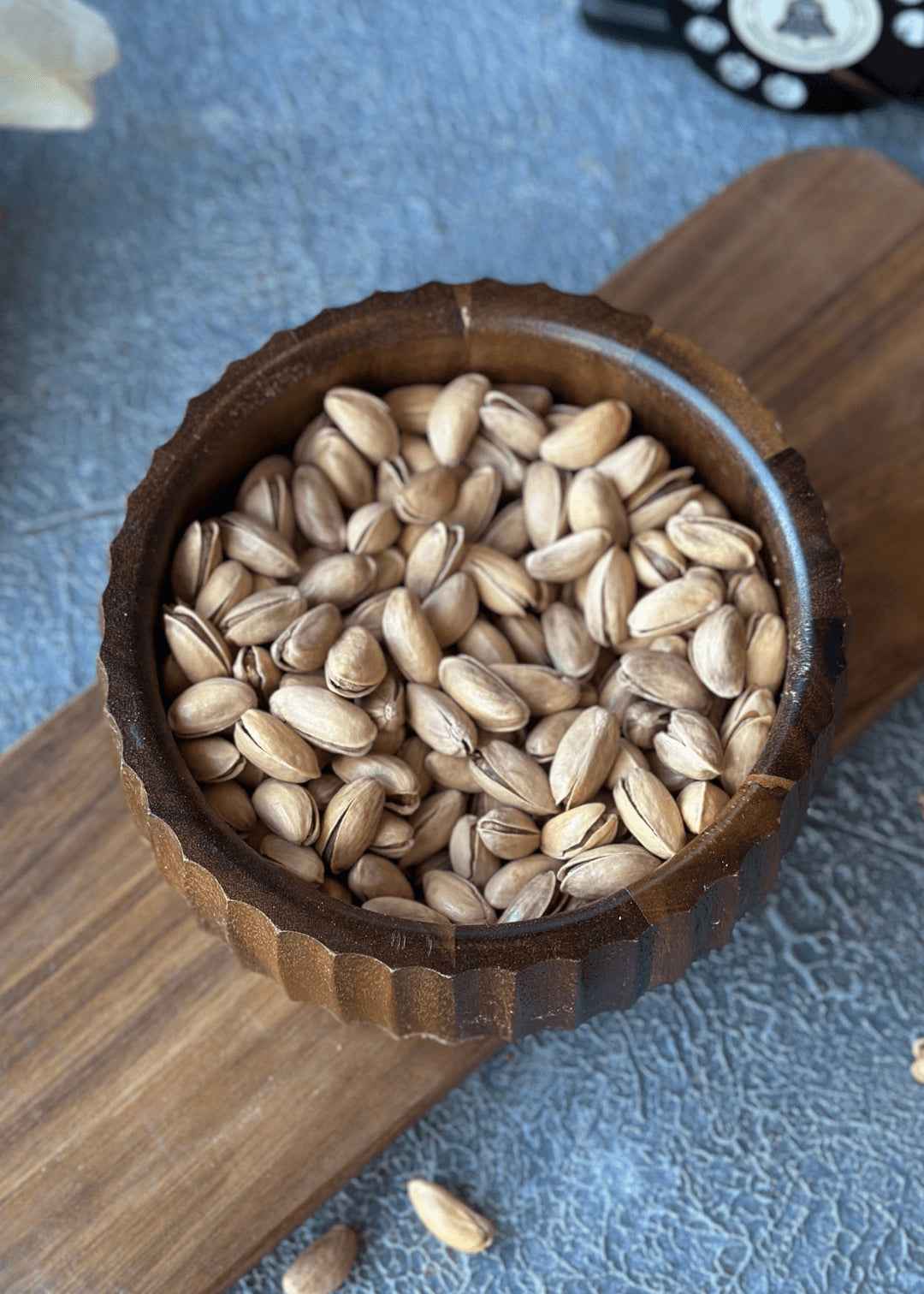
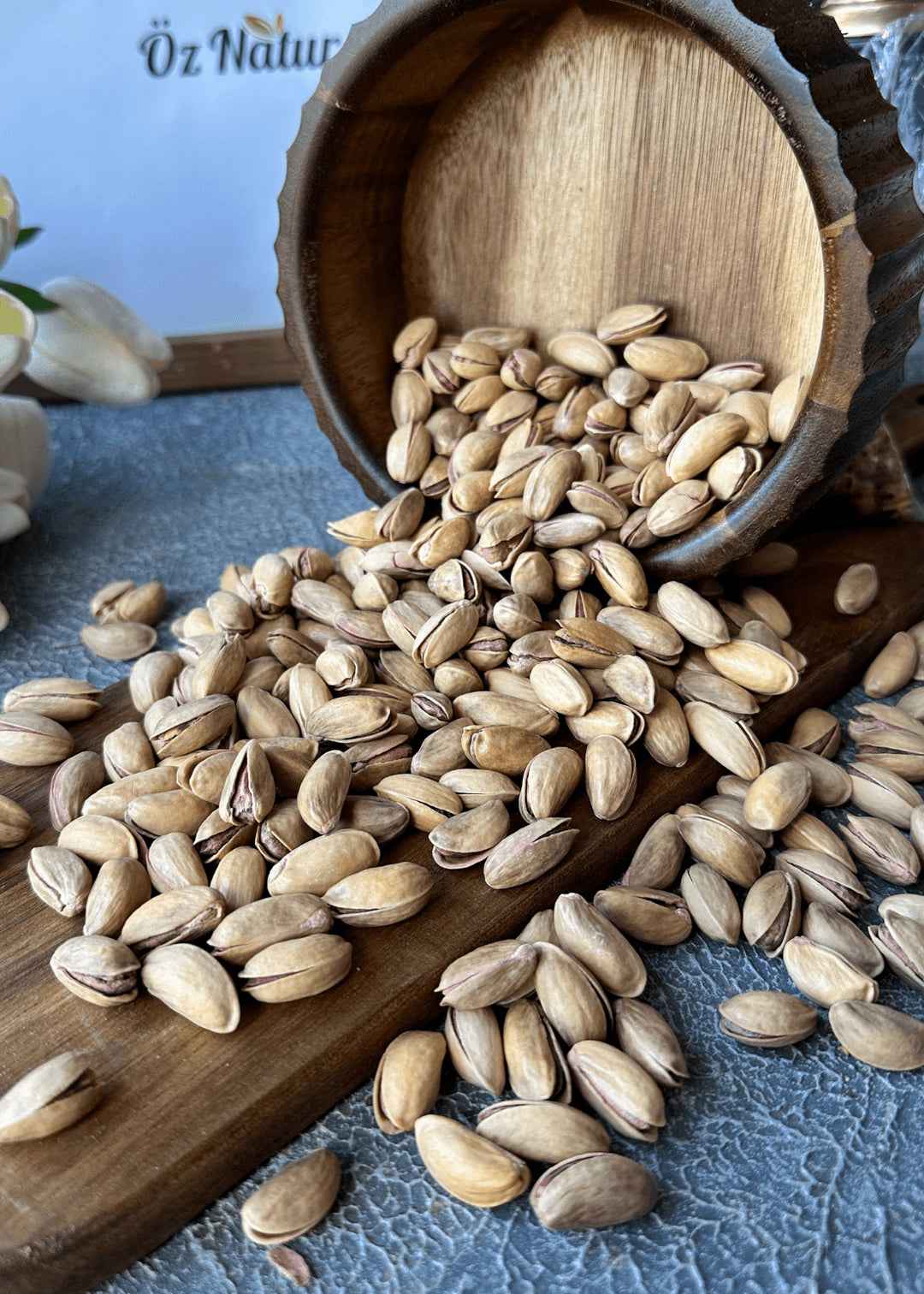
Each type of nut creates a different effect. Walnuts offer a stronger and more traditional flavor, while hazelnuts can stand out with a richer aroma. Almonds give a lighter and more elegant texture. Pistachios are often preferred because of their color and delicate aroma. These differences make it easier to pair the right nut with the right dessert.
The aim is to support the main flavor of the milk dessert without covering it completely. Too many nuts can make the surface look crowded and reduce the soft character of the dessert. A small and balanced amount creates a better appearance and a more pleasant texture when eaten with a spoon. For this reason, nuts should be used carefully and in harmony with the recipe.
How Should Nuts Be Selected for Milk Desserts?
Nuts should be selected according to the type, consistency, and serving style of the milk dessert. For rice pudding, finely chopped or ground nuts usually work better than very large pieces. For smooth desserts such as muhallebi and pudding, the surface should not be covered too heavily. For keşkül, which already pairs well with nut flavors, almonds or pistachios can be used more visibly.
The freshness of the nuts is also important. Nuts that have lost their aroma or become stale are easier to notice on simple milk desserts. Their smell, color, and texture should be checked before use. Ground nuts may lose aroma faster than whole nuts, so preparing them close to serving time can give a better result.
The cutting style affects the final appearance. Ground nuts create a fine layer on the surface. Sliced almonds or chopped hazelnuts give a more visible texture. Whole nuts should be used sparingly and mostly for decoration. On soft milk desserts, very large pieces may disturb the smooth look of the surface.
Flavor harmony should also be considered. Pistachios and almonds often look more elegant on plain, light-colored milk desserts. Hazelnuts or walnuts may pair better with cocoa pudding. If cinnamon is also used, the nut amount should be kept moderate so the aromas do not compete with each other. When the balance is right, the nut topping feels like a natural part of the dessert.
How Are Walnuts, Hazelnuts, and Almonds Used on Milk Desserts?
Walnuts have a noticeable aroma and can be used on many traditional milk desserts. They can be added in small pieces on muhallebi, keşkül, semolina milk desserts, or cinnamon-based presentations. Large walnut pieces may create too sharp a contrast with the soft dessert texture. Medium-fine chopped walnuts usually give a more balanced result.
Hazelnuts bring a fuller and slightly roasted aroma to milk desserts. They can be used on cocoa pudding, chocolate milk desserts, or vanilla desserts. Lightly roasted hazelnuts can make the flavor more noticeable, but heavily roasted hazelnuts may overpower the mild character of the dessert. The amount should therefore be controlled and spread evenly on the surface.
Almonds create a more elegant appearance on milk desserts. Sliced almonds are often used on rice pudding, muhallebi, and keşkül. Their thin structure does not look heavy on the surface. Ground almonds can create a softer coating effect. Almonds are especially suitable for plain and light-colored desserts because they blend visually with the dessert base.
If walnuts, hazelnuts, and almonds are used together, the amounts should be reduced. Using too many different nuts heavily on the same dessert can make the surface look crowded. A better approach is to choose one nut as the main topping and use the others only as small supporting details. This keeps the dessert soft and balanced while still adding texture.
How Are Pistachios Served on Rice Pudding, Muhallebi, and Pudding?
Pistachios are often used on milk desserts because of their color and delicate aroma. When added to rice pudding, muhallebi, pudding, kazandibi, or keşkül, they give the surface a livelier and more organized look. Their green color stands out especially on light-colored milk desserts. Even a small amount can create a strong visual effect.
On rice pudding, pistachios are usually used finely ground or finely chopped. If cinnamon is also used, both ingredients should be added carefully so they do not overpower each other. Cinnamon has a strong aroma, while pistachios mostly add color and a light texture. In a plain rice pudding presentation, pistachios alone can create a cleaner and more elegant look.
On muhallebi, pistachios can be sprinkled in a line, a circle, or a small center detail. On smooth dessert surfaces, controlled placement often looks better than a very random spread. Finely ground pistachios adhere more easily to the surface, while larger pieces give more texture. The choice depends on the desired presentation style.
In pudding, the amount of pistachios should be adjusted according to the main flavor. On chocolate or cocoa pudding, pistachios create a clear color contrast. On vanilla or plain pudding, they offer a softer flavor pairing. Too much pistachio can make the surface look heavy, so it is usually used as a fine, moderate, and decorative topping.
How Do Nuts Complete the Texture and Presentation of Milk Desserts?
Nuts complete milk desserts by adding a different texture layer to their soft structure. Rice pudding, muhallebi, and pudding are usually creamy or smooth. Walnuts, hazelnuts, almonds, or pistachios create a light contrast when eaten with a spoon. This texture difference makes the dessert feel more complete.
Visually, nuts also organize the surface of milk desserts. Plain milk desserts can look very simple on their own. Ground pistachios, sliced almonds, chopped hazelnuts, or walnuts add color and pattern to the surface. However, the topping should not look messy. Nuts should support the dessert instead of covering it completely.
The timing of adding nuts affects the texture. If nuts are added while the dessert is still very hot, they may absorb moisture and lose some of their crispness. When added closer to serving time, they keep a more noticeable texture. In some recipes, a slightly softened nut texture may be preferred. This depends on the dessert type, serving time, and desired effect.
The amount of nuts should be adjusted according to the portion size. In small bowls, a small pinch of ground nuts may be enough. In large serving dishes, spreading the topping evenly becomes more important. Too many nuts can push the milky character of the dessert into the background. Moderate use creates a better balance between texture and presentation.