

Köme is a traditional product prepared by combining specific ingredients into a dense and structured form. It generally consists of two main parts: an inner filling and an outer coating. For this reason, it is not a single ingredient product but a combination of multiple components. Its structure may vary depending on the materials used and the preparation method.
The defining feature of köme is the balance between its outer layer and inner filling. The outer coating is typically made from a thick grape based mixture, while the inside contains dense ingredients such as walnuts. This layered structure gives the product both visual and textural distinction. What separates köme from similar products is this combination of structure and balance.
In the kitchen, köme can be consumed on its own or included in different serving styles. Due to its dense composition, it is usually consumed in small portions. It can also be used as a complementary element in various presentations. The ingredients used directly influence both its taste and its possible uses.
Understanding what köme is made from makes it easier to evaluate how it should be consumed. It also helps users make more informed product choices and use it more effectively in the kitchen.
Which Ingredients Are Used in Köme?
The ingredients used in köme determine its overall character. The inner filling usually consists of nuts, especially walnuts. Walnuts provide a dense structure and help create a balanced internal texture. The freshness and quality of the nuts directly affect the final product.
The outer layer is typically prepared using a thick grape based mixture, similar to fruit leather. This coating surrounds the filling and forms the characteristic appearance of köme. The consistency of this layer is important, as it determines both the texture and usability of the product.
The balance between the inner filling and the outer coating is essential. For example, in walnut based köme, the harmony between these two parts affects both slicing and consumption. This is why köme is not just a simple combination of ingredients but a structured product requiring proper proportions.
Although the ingredients are relatively simple, their harmony is what defines the quality. When natural walnuts and a properly prepared grape based coating are combined, the result is a product that is both visually appealing and structurally balanced.
How Is Köme Prepared?
The preparation process begins with arranging the inner filling. Walnuts are usually aligned or placed in a structured form to create the base shape of the product. The arrangement plays a key role in achieving a consistent result.
The prepared filling is then dipped into a thick grape based mixture. This coating process is done in layers rather than all at once. Each layer adds strength and structure to the product. Allowing each layer to settle properly is important for overall quality.
Drying is one of the most critical stages. After coating, the product is left to rest and dry. This step stabilizes the structure and ensures that the outer layer becomes firm. Insufficient drying may result in a sticky or unstable product.
Once the process is complete, köme is ready to be served either whole or sliced. Each stage of preparation directly affects the final quality. A well executed process results in a product that is both visually and structurally consistent.
How Is Köme Used in Daily Consumption?
Köme is commonly consumed as a snack in daily use. Due to its dense structure, it is best eaten in small portions. It can be served alongside tea or coffee, making it a practical option for quick consumption.
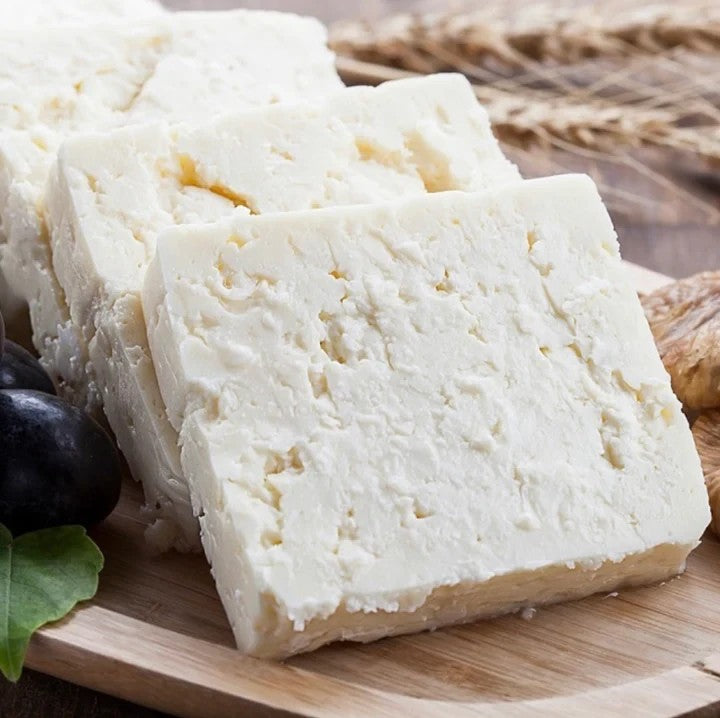
It can also be included in breakfast plates or combined with cheese and nuts. This creates a balanced serving with both sweet and dense elements. Such combinations make köme more versatile.
In addition, köme can be used in presentation plates. When served with dried fruits, nuts, or similar products, it adds variety and visual richness. This makes it suitable for guest presentations.
Köme can also be cut into small pieces and used in dessert plates or snack mixes. However, portion control is important due to its dense nature. When used correctly, it provides both a practical and distinctive option in the kitchen.