
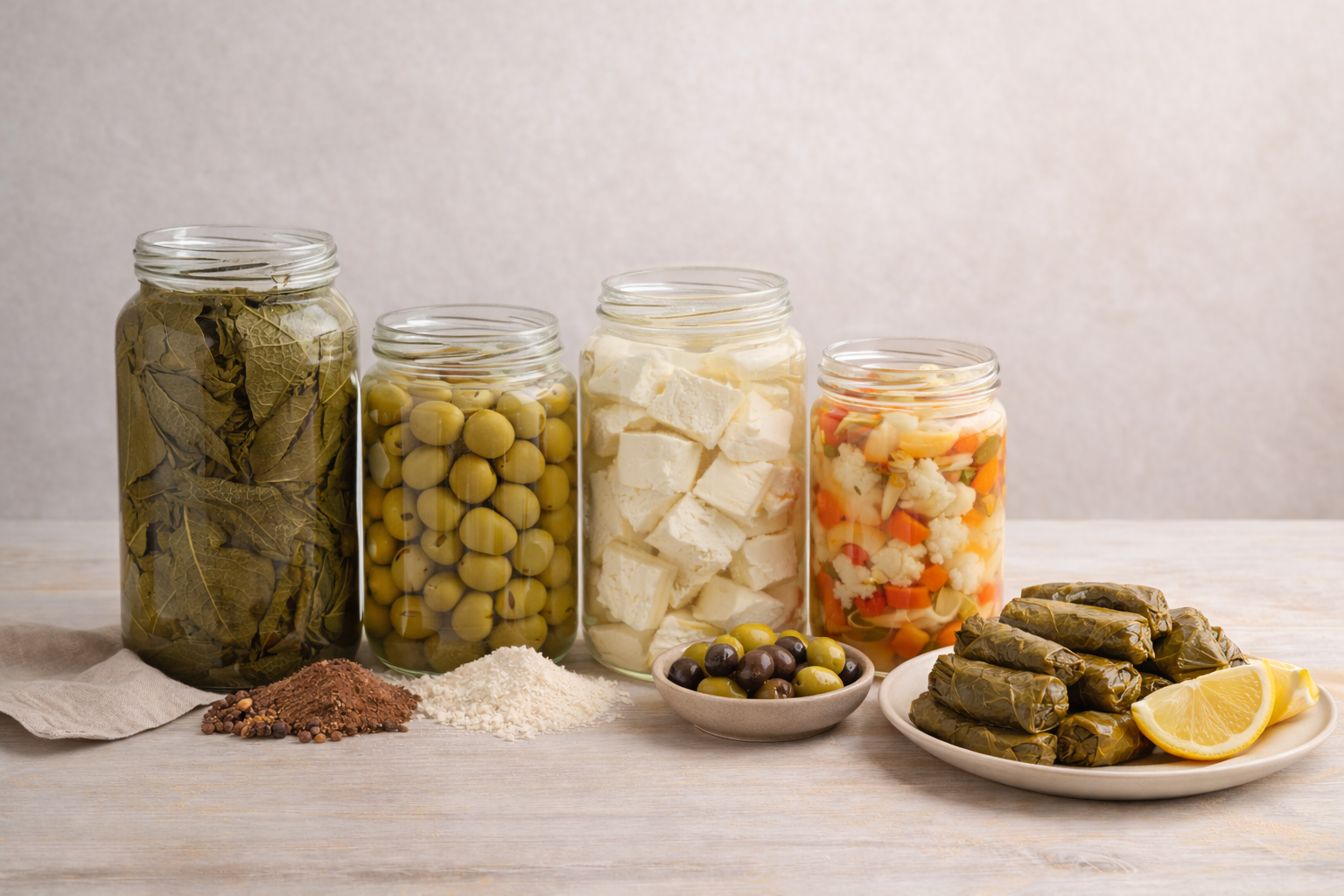
Brining is a preservation method in which food is kept in salted liquid for a certain period so that it can remain usable for longer. Although the term is often associated with a specific product, it actually describes a broader preparation and preservation logic. Vine leaves, olives, cheese, and some vegetables may all be processed through brining. For that reason, brining should not be seen only as a single product category, but as a method that changes the structure, storage life, and kitchen use of food.
The main purpose of brining is not simply to keep a product in salty water. What matters is creating a controlled environment that allows the product to maintain its structure in a stable way. The level of salt, the type of liquid used, the condition of the product, and the storage period all influence the final result. The same method can lead to very different outcomes depending on what is being preserved. This is why understanding brining requires attention not only to the name of the method but also to the way it is applied.
In the kitchen, brined products are valued because they allow ingredients to be used outside their fresh season and because they offer a practical base for many recipes. However, brining also changes flavor, texture, and usage conditions. A product that has gone through brining may not be used in exactly the same way as its fresh version. It often needs preparation before use, and it may require extra care in recipe balance. This means the method affects both preservation and later handling.
To understand brining properly, three questions need to be answered clearly. The first is how the method works. The second is where brined products are used in the kitchen. The third is what should be considered when selecting and storing them. These three points shape the practical value of the product and determine whether it will perform well in everyday cooking.
How Is the Brining Method Applied?
The brining method is generally based on keeping the product in a salted liquid for a certain period under controlled conditions. The ratio of salt, the amount of liquid, the cleanliness of the container, and the condition of the product all play a role in the process. The method may appear simple, but the result depends on balance. A product prepared with too much salt may become difficult to use later, while insufficient control may lead to a weak structure that does not preserve well.
Not every product reacts to brining in the same way. Vine leaves, olives, cheese, and vegetables all respond differently depending on their natural structure. Thin products may absorb salt more quickly, while firmer products may require a longer time to settle into balance. For that reason, brining is not just about immersing something in liquid. It involves understanding how the product behaves during storage and how that behavior will affect later use.
The container used in the process is also important. Clean glass jars or suitable food safe storage containers are usually preferred because they help maintain a more controlled environment. The product should remain in stable contact with the brine, and the outer environment should not interfere with the process unnecessarily. Exposure to unsuitable temperatures, poor sealing, or contamination during preparation can reduce the quality of the final result.
At the end of the process, the product should have a clear preserved identity without becoming unusable. Good brining does not mean extreme saltiness or a damaged texture. It means the product has been preserved in a way that still allows it to be prepared and used effectively later. This is why the method should always be evaluated as a balance between protection, structure, and practical kitchen use.
In Which Areas Are Brined Products Used in the Kitchen?
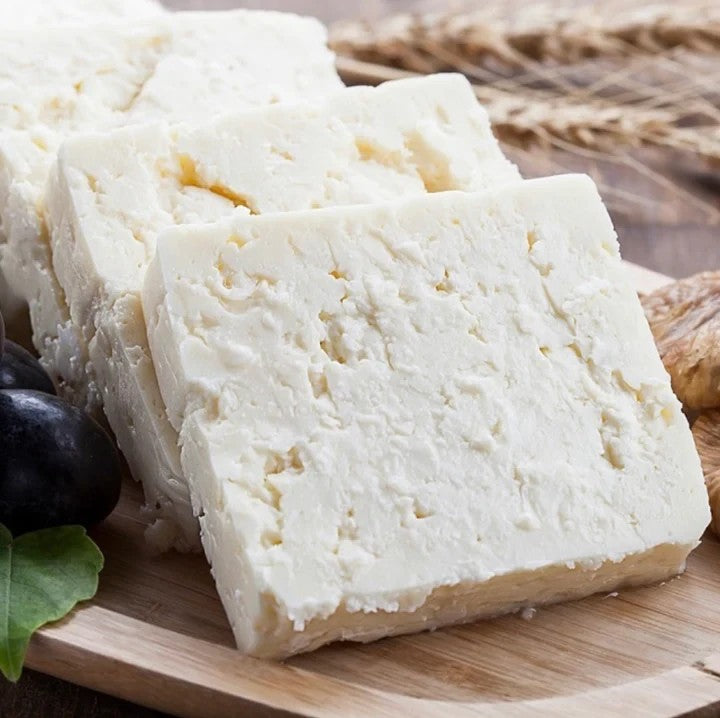
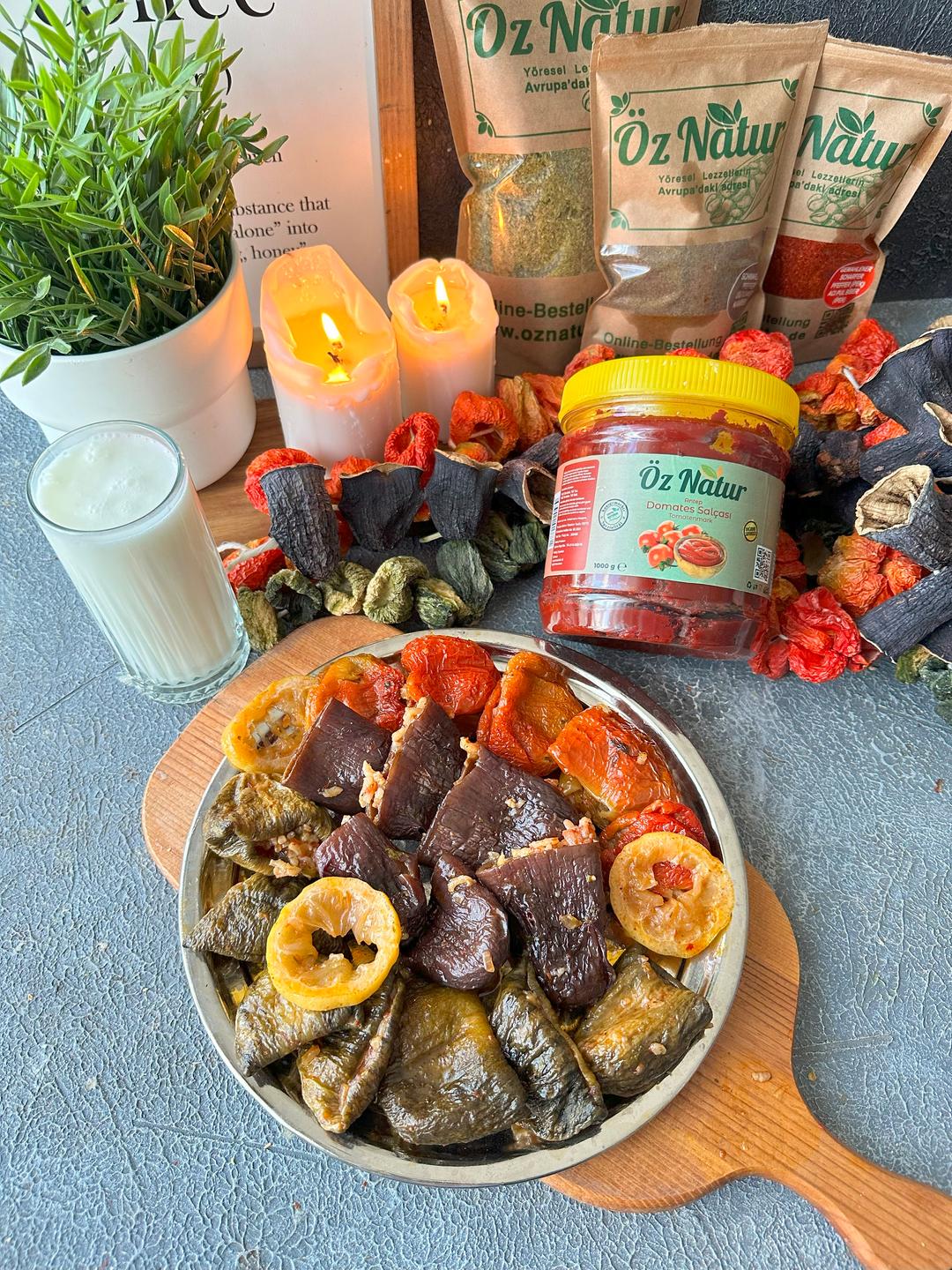
Brined products appear in the kitchen in many different forms. One of the most familiar uses is in wrapped and stuffed dishes prepared with brined vine leaves. In this case, the preserved product becomes the main structural layer of the recipe. Brined olives are another well known example, often appearing at breakfast or as part of cold plates. Cheese stored in brine can also be used in breakfast settings, pastries, salads, or serving platters depending on its type and structure.
Vegetables prepared through brining may also find a place in recipes. They can be used in warm dishes, cold plates, fillings, or side servings. Their role depends on the product itself and on how the salty structure is managed before use. In many cases, the ingredient does not go directly from the jar to the table. It may need rinsing, soaking, or partial preparation to adapt it to the final recipe. This step is part of the kitchen use logic of brined foods.
Brined products are often useful because they save time in preparation. They provide a preserved ingredient that is already partly prepared for use. At the same time, their flavor and texture are more concentrated than those of fresh products. This can be an advantage, but it also means that recipe balance should be adjusted carefully. Salt level, moisture, and texture all need to be considered when deciding how the product will be used.
The kitchen value of brined products lies in their flexibility. They may be used in traditional recipes, modern serving styles, breakfast combinations, warm dishes, or practical meal preparation. Still, they should not be treated like fresh products without adjustment. Their preserved structure requires the user to think about preparation, balance, and portioning. Once this is understood, brined products become more useful and more reliable in everyday cooking.
What Should Be Considered When Choosing and Storing Brined Products?
When choosing a brined product, the first thing to consider is its overall appearance. The liquid should look stable, the product should hold its shape, and the packaging should not show signs of leakage or poor sealing. A product that appears broken down, overly cloudy in an unusual way, or poorly contained may require closer evaluation. The user should also consider whether the product looks practical to handle once opened. Structure matters as much as label information.
The packaging and product information should be clear and understandable. It should be possible to identify what the product is, how it should be stored, and whether there are any notes about preparation before use. Brined products often need a short preparation stage, so information that supports this is valuable. Transparent labeling helps the user make better decisions and reduces mistakes in the kitchen.
Once opened, storage conditions become especially important. Brined products are generally better kept in the refrigerator. If they are meant to stay in their own liquid, they should remain properly covered and stored in a well closed container. If transferred into another container, that container should be clean and suitable for food storage. Contact with unclean utensils or leaving the product exposed for too long can reduce its quality.
It is also useful to check the product regularly during use. The smell, the liquid condition, the product structure, and the overall appearance should be observed before each use. A preserved product is expected to change less quickly than a fresh one, but that does not remove the need for attention. Correct choice and careful storage make brined products easier to use and more consistent in kitchen results.