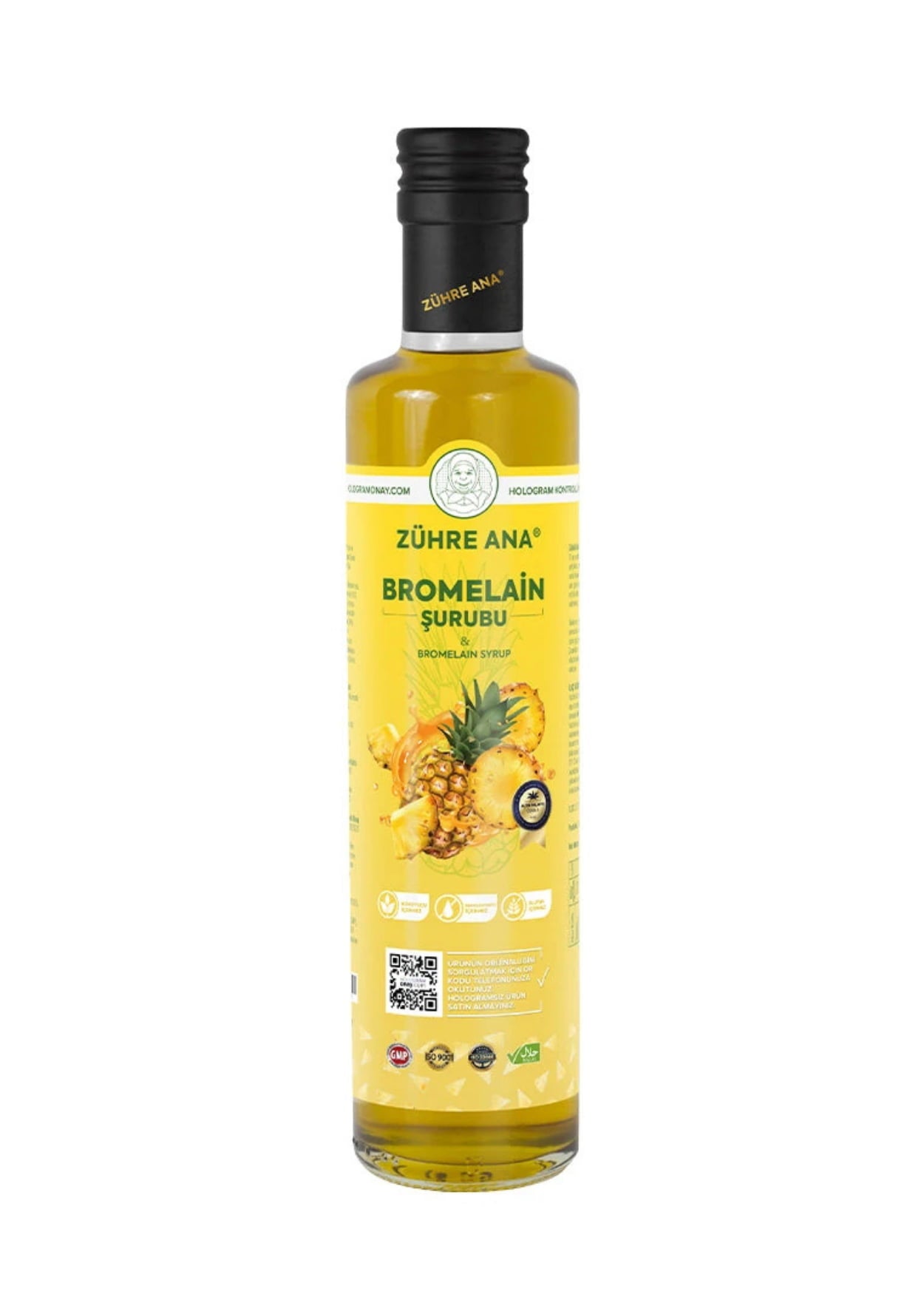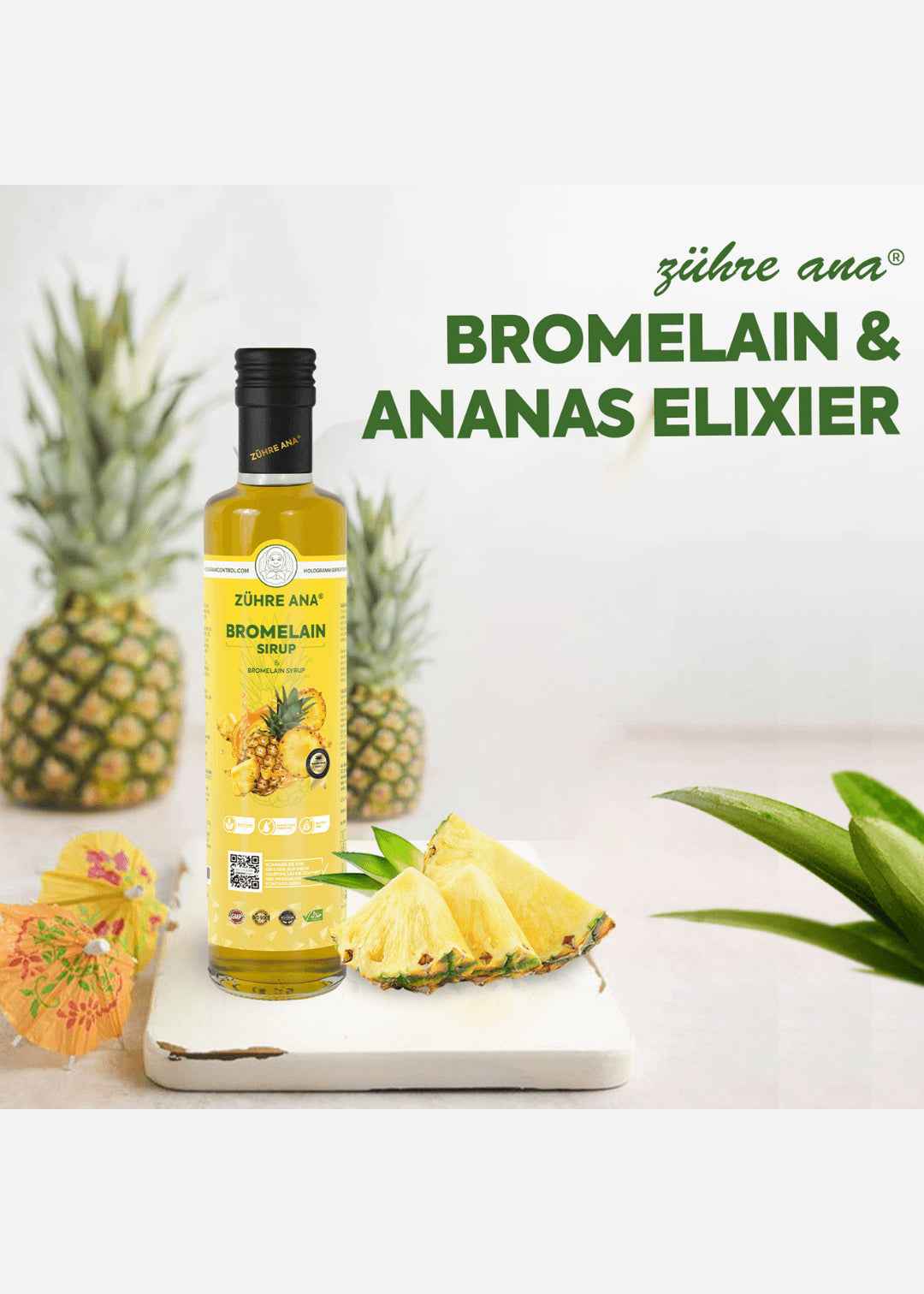


Pineapple vinegar is a type of fruit vinegar produced through the natural fermentation of ripe pineapple. Unlike traditional vinegars such as apple cider or grape vinegar, pineapple vinegar carries a distinctly tropical aroma and a softer acidity profile. During the fermentation process, the natural sugars found in pineapple gradually transform into acetic acid, resulting in a balanced and aromatic vinegar. This transformation gives the product its characteristic flavor depth and smooth finish.
In recent years, pineapple vinegar has gained popularity among home cooks and culinary enthusiasts seeking new flavor experiences. It is frequently used in modern recipes, particularly in salad dressings, marinades, and light sauces. Because of its fruity undertones, it provides a subtle sweetness alongside its acidity, making it a versatile ingredient in both savory and mildly sweet preparations. Its tropical origin sets it apart from more conventional vinegar varieties.
Visually, pineapple vinegar typically ranges in color from pale yellow to light golden tones. Its aroma often includes delicate fruity notes reminiscent of fresh pineapple, yet without overwhelming sharpness. The acidity level is usually moderate, offering brightness without an aggressive bite. This balanced acidity makes it suitable for recipes that require a gentler acidic touch.
High-quality pineapple vinegar is produced without artificial additives, added sugars, or synthetic flavorings. The purity of ingredients plays a critical role in determining overall quality. When natural fermentation is allowed to proceed gradually and under controlled conditions, the resulting vinegar retains a more complex and harmonious taste profile.
How Is Pineapple Vinegar Produced and How Does the Fermentation Process Work?
The production of pineapple vinegar is based on natural fermentation principles. Initially, fresh pineapple is crushed or juiced to extract its liquid content. In some traditional methods, pineapple pieces are combined with water and allowed to release their natural sugars into the liquid. These sugars serve as the foundation for fermentation. Maintaining proper hygiene during this stage is essential to ensure a stable process.
Fermentation generally occurs in two main stages. In the first stage, natural yeasts convert the fruit sugars into alcohol. This alcoholic fermentation can last several days depending on environmental conditions such as temperature and air exposure. In the second stage, acetic acid bacteria transform the alcohol into acetic acid, which gives vinegar its defining characteristics. This conversion can take several weeks.
Slow and controlled fermentation allows the flavor profile to develop gradually. Rapid industrial production methods may shorten processing time, but they can reduce depth and complexity. Traditional fermentation methods often produce a more refined and layered aroma. Temperature control, oxygen exposure, and cleanliness all influence the final result.
Once fermentation is complete, the vinegar is typically filtered and transferred into glass bottles for resting. A short maturation period helps stabilize the flavor and allows the acidity to integrate smoothly. The final product should be clear or slightly translucent, with a balanced tropical aroma and a clean finish.
What Makes Pineapple Vinegar Different from Other Vinegar Types?
Pineapple vinegar differs from apple cider and grape vinegar primarily in its aroma and flavor structure. While apple cider vinegar is often sharp and pronounced, pineapple vinegar offers a softer and fruit-forward character. The tropical notes are noticeable yet not overpowering, providing a rounder taste experience.
The acidity level also sets it apart. Pineapple vinegar generally delivers moderate acidity rather than an intense sourness. This makes it more approachable for recipes where a strong acidic punch is not desired. The smoother acidity can enhance dishes without dominating other flavors.
Color is another distinguishing factor. Pineapple vinegar typically displays lighter golden hues compared to darker grape or balsamic vinegars. This lighter appearance can be visually appealing in dressings, sauces, and delicate dishes. Presentation matters in culinary applications, and this vinegar offers aesthetic advantages.
Because of its balanced structure, pineapple vinegar works well in both savory and slightly sweet dishes. It complements poultry, seafood, and tropical-inspired salads particularly well. Its versatility makes it a modern alternative to more traditional vinegar varieties.
How Is Pineapple Vinegar Used in the Kitchen and How Should It Be Stored?
Pineapple vinegar is commonly used in salad dressings. When blended with olive oil, mustard, herbs, and spices, it creates a light vinaigrette with a subtle fruity undertone. It pairs especially well with leafy greens, avocado-based salads, and fresh vegetable combinations.
It is also suitable for marinades. When used with poultry or seafood, its moderate acidity helps balance flavors without overpowering the natural taste of the ingredients. Applying it before grilling can add depth and brightness to the final dish. Its mildness makes it adaptable in various culinary contexts.
Beyond marinades and salads, pineapple vinegar can be incorporated into stir-fry dishes or sauces inspired by Asian cuisine. Its gentle sweetness and acidity contribute to complex flavor layering. Even small amounts can significantly influence the overall taste balance.
For storage, pineapple vinegar should be kept in glass bottles away from direct sunlight. A cool, dry place is ideal. Refrigeration is not strictly necessary but can help preserve aroma in warmer climates. Natural sediment may form over time, which is normal and does not indicate spoilage. Gently shaking the bottle before use ensures even consistency.