
Dates can be used in a wide variety of recipes, ranging from traditional desserts to modern savoury dishes. Different varieties such as Medjool dates and Ajwa dates offer unique texture and flavour characteristics that directly influence the outcome of a recipe. Larger, softer Medjool dates are often preferred for fillings and purées, while smaller and denser Ajwa dates are ideal for slicing and structured presentations.
Dates are not only naturally sweet; they also provide texture, moisture, and a caramel-like depth that enhances both simple and complex dishes. Because they can be chopped, blended, or mashed, they integrate easily into many culinary preparations. This versatility allows dates to serve as a primary ingredient or a complementary element.
The distinction between date varieties becomes particularly important in recipe development. Medjool dates, known for their large size and soft flesh, are suitable for baking and no-bake snack mixtures. Ajwa dates, with their firmer and more compact structure, maintain their shape when sliced and are often used in elegant presentations.
While dates have long been associated with sweet recipes, contemporary cuisine increasingly incorporates them into savoury dishes as well. Below, date-based recipes are explored in three main categories.
Traditional Desserts Made with Dates
Dates have played a central role in traditional dessert recipes across various culinary cultures. Date cakes and date-filled pastries are among the most well-known examples. Medjool dates are particularly suitable for baking because their soft texture blends smoothly into dough, adding moisture and depth without additional processing.
Ajwa dates, being smaller and denser, are often used as filling in traditional pastries. When combined with nuts such as walnuts, they create a structured and aromatic filling. Their compact texture ensures that they retain form during baking.
Syrup-based desserts can also incorporate chopped Medjool dates between pastry layers, adding subtle sweetness and varied texture. This approach enhances both visual and structural elements of the dessert.
In many traditional recipes, dates are paired with tahini or nuts to create richer compositions. The size and fleshiness of Medjool dates make them particularly effective in these preparations, providing both body and flavour concentration.
Quick Snacks and Light Bites with Dates
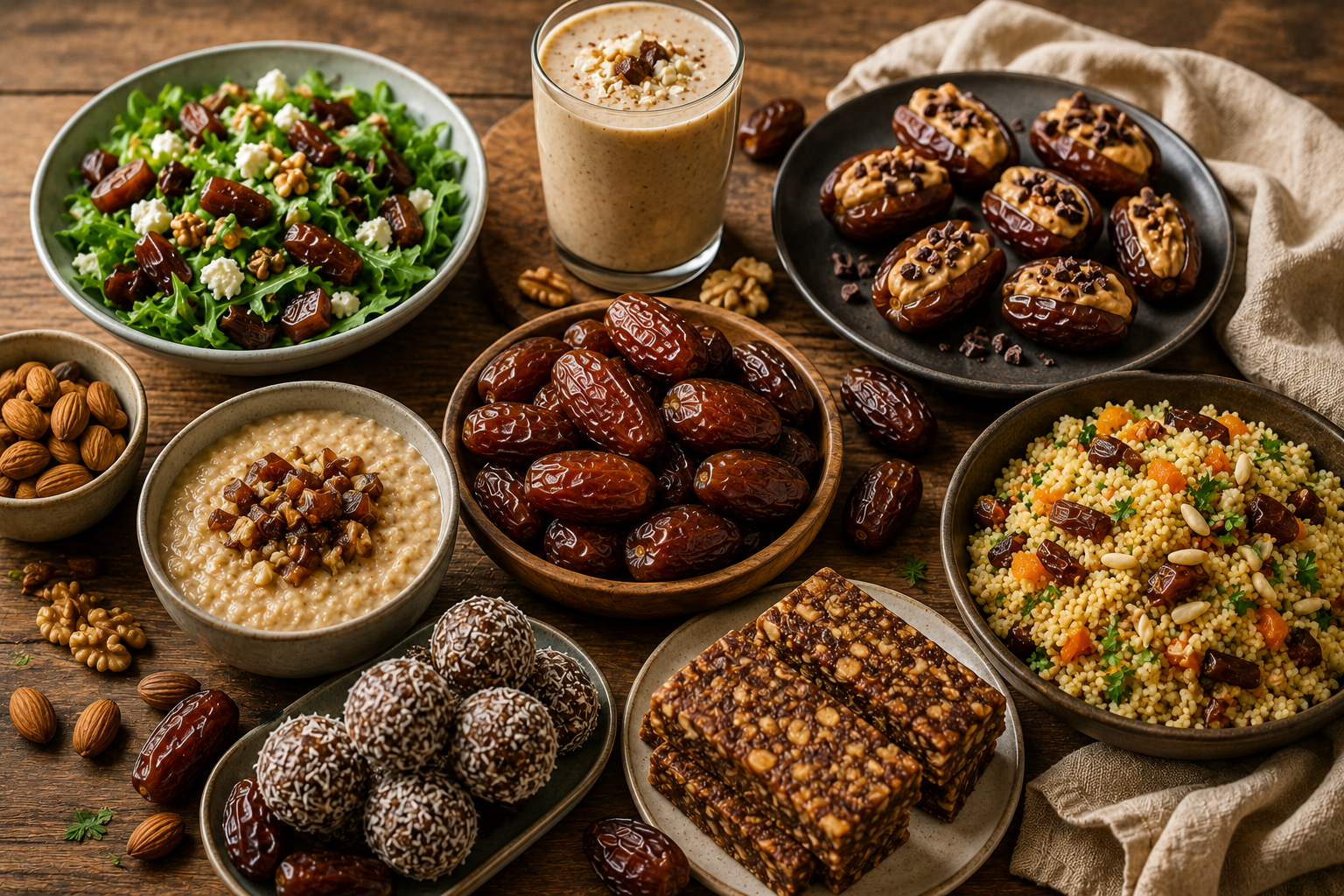
Dates are ideal for quick snack preparations. Large Medjool dates can be pitted and stuffed with almonds, hazelnuts, or pistachios. Their natural softness allows easy filling while maintaining visual appeal.
Ajwa dates, due to their compact structure, are suitable for slicing and mixing into nut blends. They hold their shape well and do not become overly sticky when combined with other dry ingredients.
Mashed Medjool dates are frequently used to create no-bake energy balls. Combined with cocoa, oats, or coconut, they form a cohesive mixture that requires no additional binding agents. Their natural consistency simplifies preparation.
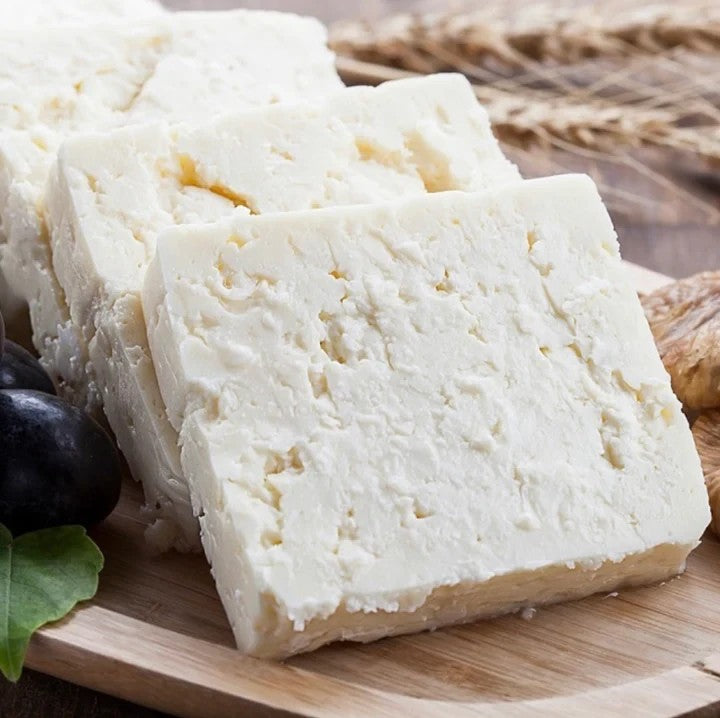
Sliced dates also pair well with cheese platters. The contrast between sweet Medjool dates and savoury cheeses creates a balanced flavour profile suitable for entertaining.
Using Dates in Savoury Dishes and Creative Pairings
Dates can enhance savoury dishes by adding contrast and depth. In rice dishes, finely chopped Medjool dates introduce subtle sweetness and soft texture that complement spices.
In salads, sliced Ajwa dates combine well with leafy greens, walnuts, and cheese. Their compact structure allows them to blend seamlessly without overpowering the dish.
Date-based sauces can be prepared by blending Medjool dates with olive oil and vinegar. The resulting texture is smooth and suitable for cold starters or roasted vegetable dishes.
In meat preparations, chopped dates can be added during cooking to create layered flavour combinations. Firmer varieties such as Ajwa dates maintain structure better in heat, making them suitable for slow-cooked recipes.