
How dried fruits are used on a cheese plate is an important topic for breakfast, brunch, tea time, guest servings and special presentation plates. Cheese is a strong product group on its own because of its saltiness, texture and aroma intensity. For this reason, the dried fruits used next to cheese directly affect the overall balance of the plate. Dried figs, dried apricots, dried mulberries, dates, raisins and similar products add a sweet transition to the plate, but they should be selected and placed carefully.
The main purpose of using dried fruits on a cheese plate is to balance the salty, intense or creamy structure of cheese with a softer flavour transition. Salty cheeses create a clear contrast with sweeter dried fruits. Milder cheese varieties can be paired with more aromatic dried fruits to create a more noticeable combination. This is why dried fruit selection should not be based only on appearance; the flavour relationship with the cheese should also be considered.
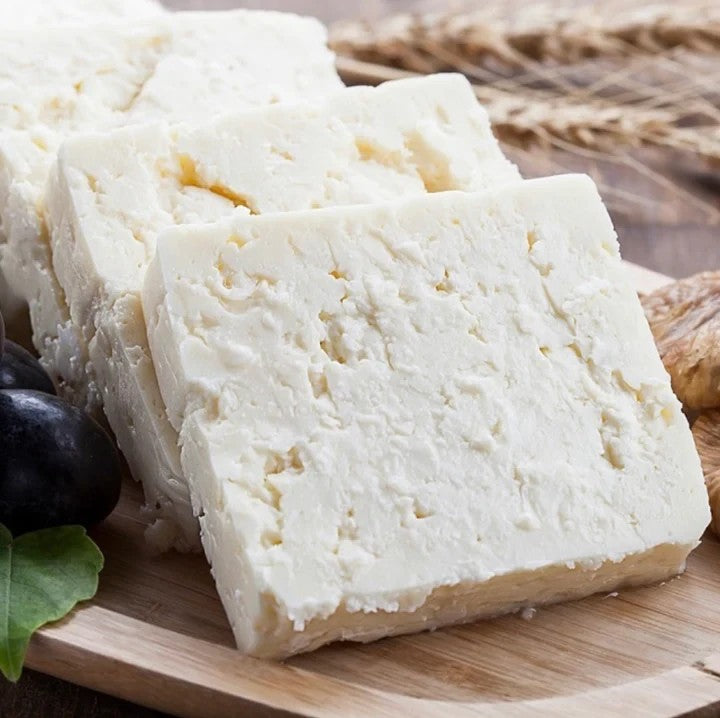
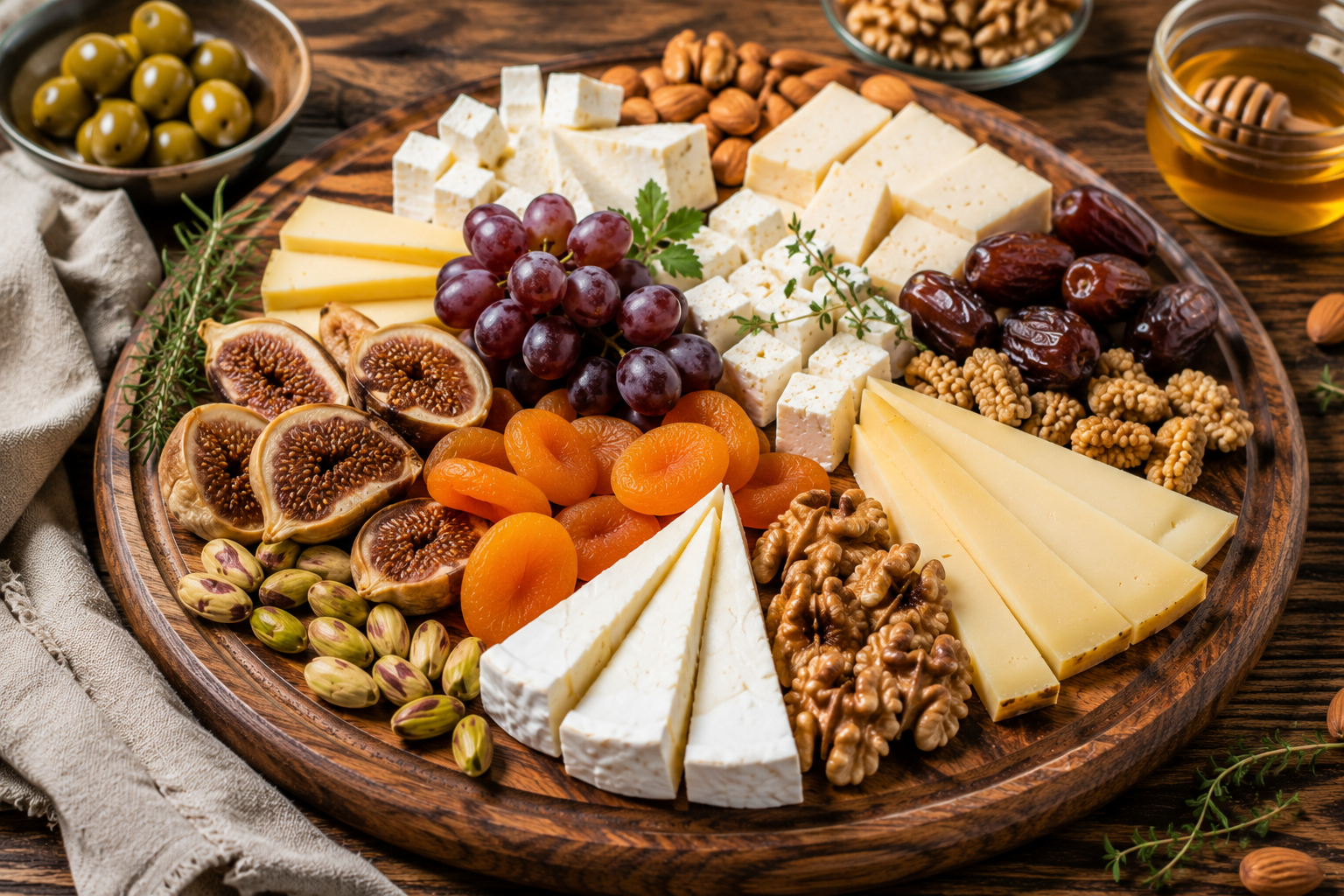
Dried fruits are also important for visual balance. White cheese, aged cheese, tulum-style cheese, fresh cheese or different traditional cheese varieties can look richer when combined with dried fruits. The orange colour of dried apricots, the brown and soft appearance of dried figs, the pale tone of dried mulberries and the darker glossy structure of dates add colour, texture and depth to the plate.
When preparing a cheese plate, dried fruits should not be placed randomly. It is useful to decide which dried fruit will be placed next to which cheese, how large the pieces should be and how much of each product will be used. If too many dried fruits are added, the cheese plate can begin to look like a sweet plate. The aim should be to support the cheese without pushing it into the background.
How Should Dried Fruits Be Selected for a Cheese Plate?
When selecting dried fruits for a cheese plate, the first point to consider is the flavour intensity of the cheeses. Saltier, sharper or more intense cheeses can be balanced with dried figs, dried apricots or dates. These products create a sweeter contrast and make the plate feel more rounded. However, if very strong cheeses and very intense dried fruits are used together in large amounts, the plate may become too heavy.
For milder, softer or simpler cheese varieties, dried fruit selection should be more controlled. Fresh cheese, mild white cheese or less salty cheeses can be paired with dried mulberries, raisins or thinly sliced dried apricots. Since these cheeses have a more delicate character, the dried fruit should not dominate them. The fruit should complete the cheese, not become the main flavour of the plate.
The texture of the dried fruit is also important. Dried fruits that have become too hard can make the plate less practical to eat. Very sticky fruits may affect the appearance of the cheese when they touch it directly. For this reason, dried fruits should be checked before serving. Large pieces can be sliced, firmer fruits can be portioned into smaller pieces and sticky products can be placed separately.
Colour balance also strengthens the appearance of the cheese plate. Light-coloured cheeses can look more vivid with orange dried apricots, darker dates, pale dried mulberries or brown dried figs. However, while creating colour variety, the number of products should not be increased unnecessarily. A few well-matched dried fruits create a better result than many products that do not work together.
How Are Dried Figs, Dried Apricots and Dried Mulberries Balanced with Cheese?
Dried figs are one of the strongest dried fruit options for a cheese plate. Their intense aroma and soft texture can create a balanced pairing with salty and more characteristic cheeses. Dried figs can be served whole or cut in half before being placed on the plate. Showing the inside of the fig creates a more traditional and attractive appearance. Since dried figs are intense, their amount should be controlled.
Dried apricots bring both colour and a clear sweet transition to a cheese plate. They can work well with white cheese, fresh cheese and simpler cheese varieties. If the dried apricots are large, they can be cut in half or sliced into thin strips. This makes portion control easier and creates a more organised appearance. Their strong orange colour also adds visual movement to the plate.
Dried mulberries offer a smaller and more delicate use compared with dried figs and apricots. They can be sprinkled in a controlled way, but if they are spread across the whole plate, the presentation may look messy. It is better to gather dried mulberries in a small area or use them as a transition product next to cheese. They can also create a more complete presentation when combined with walnuts, hazelnuts or almonds.
If these three dried fruits are used on the same plate, balance should be created between them. Dried figs can be considered the more intense fruit, dried apricots can provide colour and sweetness, while dried mulberries can act as a smaller supporting element. Instead of using all of them in equal amounts, one dried fruit can be selected as the main element and the others can be used as complements. This makes the cheese plate more organised in both flavour and appearance.
How Do Nuts Complete Cheese and Dried Fruit Presentation?
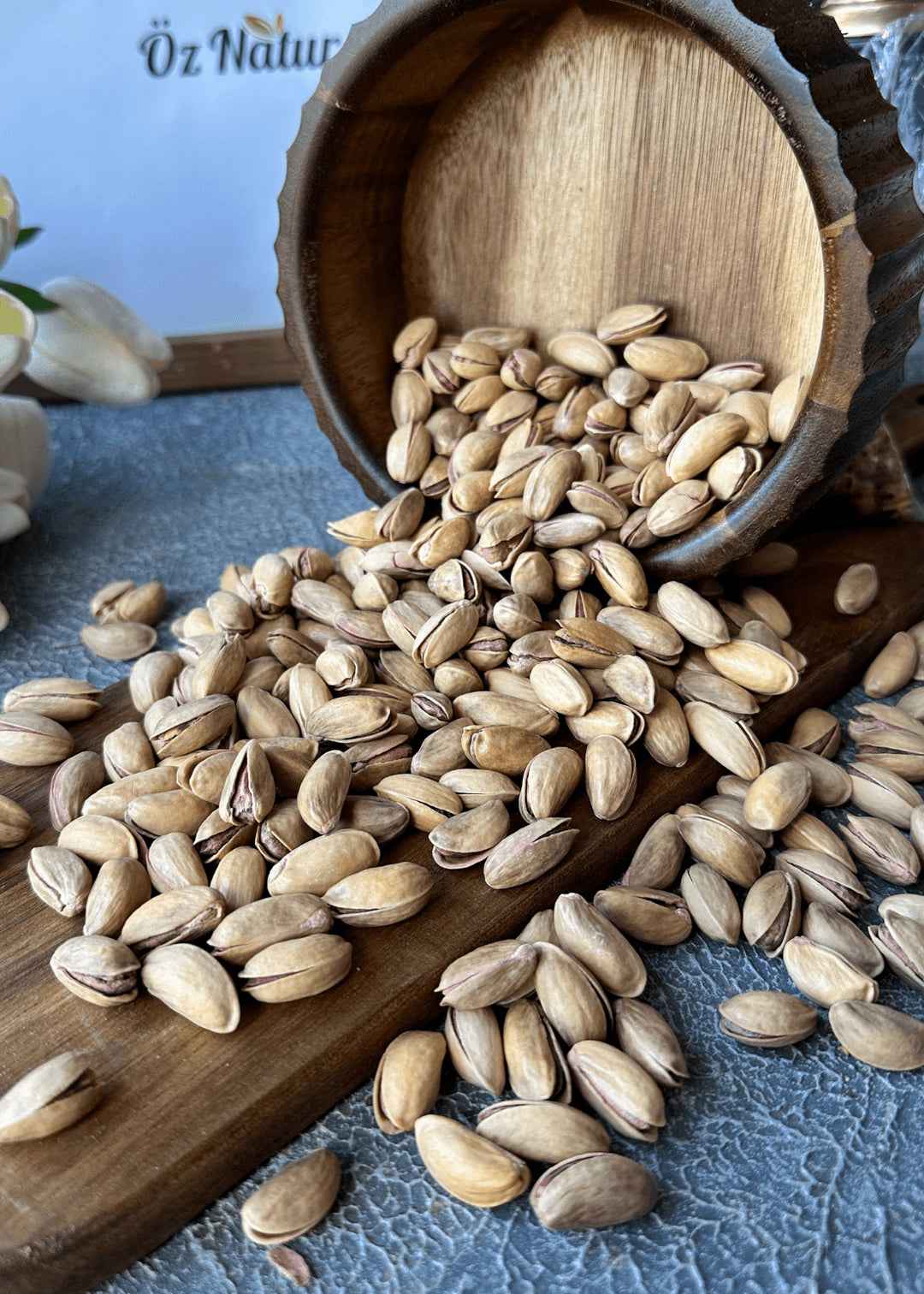
Nuts complete cheese and dried fruit presentation by adding texture. Walnuts, hazelnuts, almonds, pistachios and cashews create a firmer contrast between the soft or crumbly texture of cheese and the flexible texture of dried fruits. This gives the cheese plate a more layered structure. The plate becomes not only a combination of sweet and savoury flavours, but also a mix of different textures.
Walnuts are one of the most commonly used nuts on cheese plates. They can create a balanced appearance with dried figs, dried apricots and many cheese varieties. Large walnut pieces give the plate a more traditional look. Smaller pieces can be distributed more easily between the cheeses and dried fruits. However, if too many walnuts are used, they may become visually dominant.
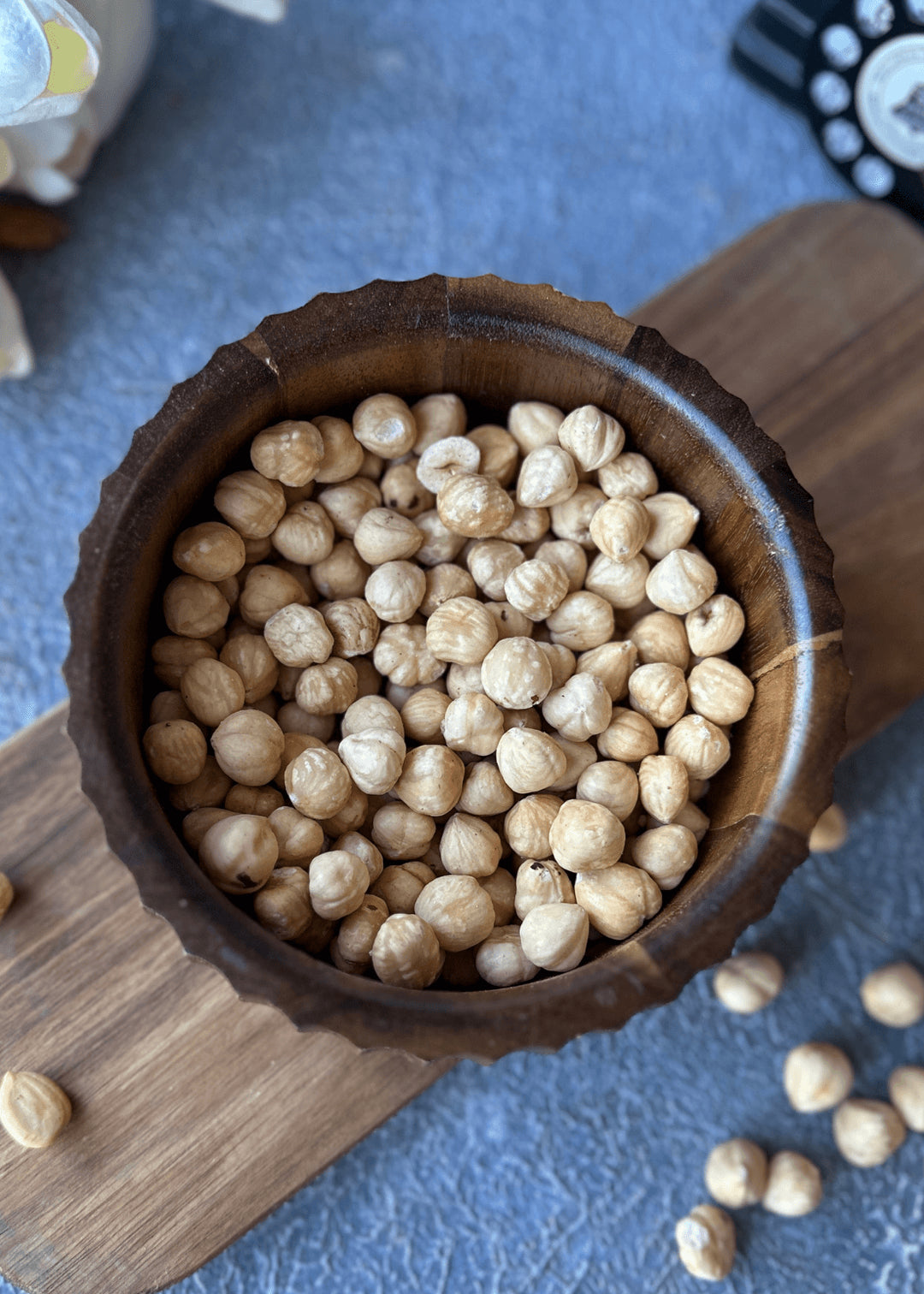
Hazelnuts and almonds create a simpler and more organised presentation. They can be placed in small groups or in a small bowl on the plate. Pistachios add colour and visual movement. Still, using all nut types at once is usually not necessary. Choosing two or three options creates a more balanced result and prevents the main theme of the plate from becoming unclear.
When placing nuts, their contact with dried fruits should be considered. Instead of scattering nuts directly over very sticky dried fruits, it is better to present them side by side while preserving their separate textures. Divided plates, small bowls or natural grouping methods help create this order. This way, cheese, dried fruits and nuts complete one another without mixing too much.
How Is a Cheese and Dried Fruit Plate Prepared for Guests?
When preparing a cheese and dried fruit plate for guests, the number of products should be balanced first. Too many cheese and dried fruit varieties may make the plate look rich, but if they are not arranged properly, the result can look crowded. A better approach is to use a few cheese varieties, two or three dried fruits and a small selection of nuts. The important point is that every product should be easy to recognise on the plate.
Cheeses should form the main part of the plate. Sliced, cubed or whole pieces of cheese can be placed close to the centre. Dried fruits can then be placed around or between the cheeses as small transition points. Dried figs can be cut in half, dried apricots can be sliced and dried mulberries can be gathered in a small section. This arrangement makes the plate look more planned.
Every product on a guest plate should be easy to take. Very large dried fruits, unsliced dense cheeses or products that stick together can make serving difficult. For this reason, products should be portioned in advance and supported with small serving tongs, picks or separate spoons when needed. If jam, honey or sauce is added to the plate, it should always be served in a separate bowl.
On a cheese and dried fruit plate, ease of use is as important as the final appearance. Products should not touch one another too much, some space should be left on the plate and colours should be distributed evenly. The aim of a guest plate is not only to offer variety, but to create an arrangement where every product can be taken comfortably, aromas do not mix and the presentation looks complete.