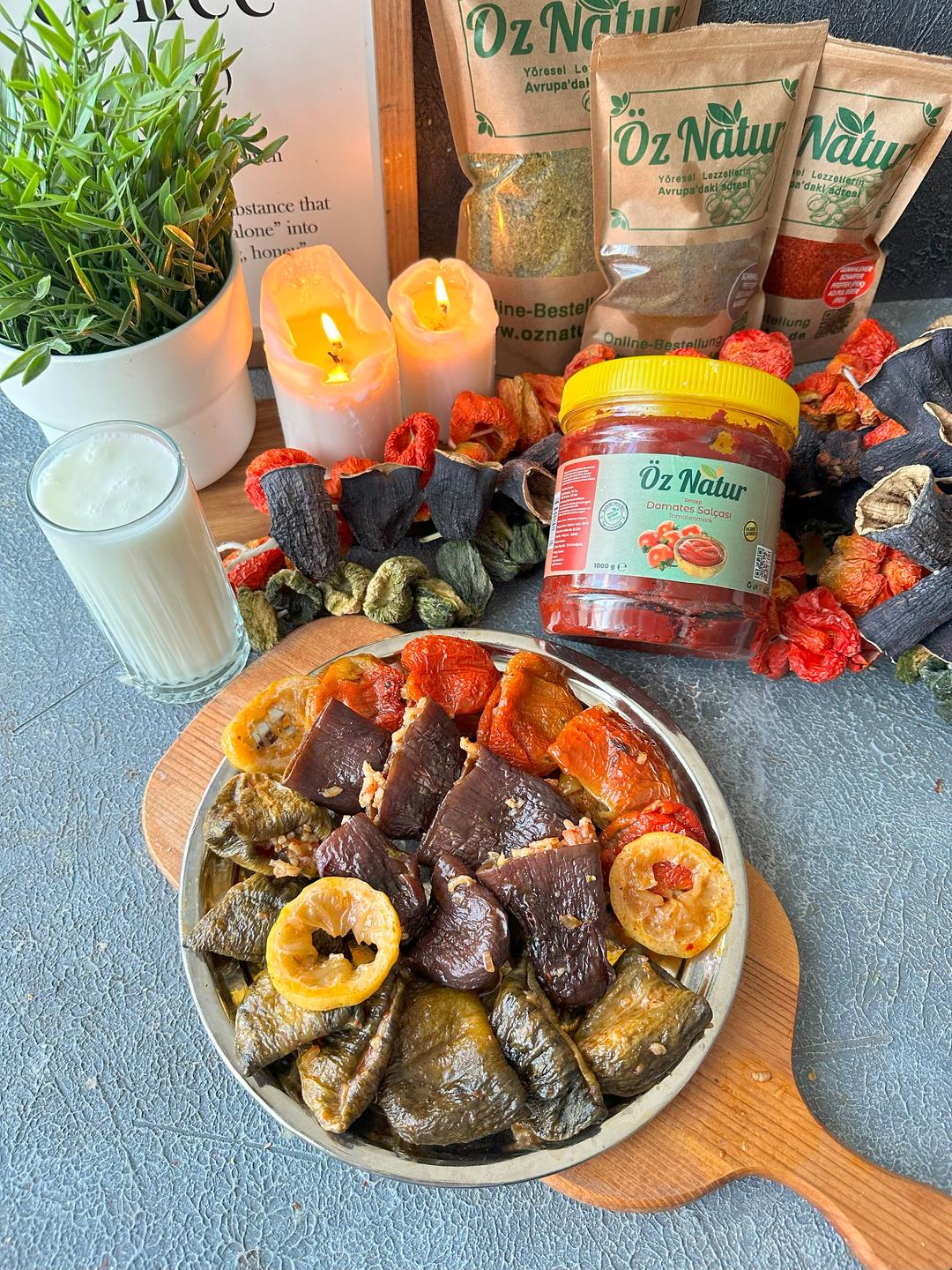

Ingredients in Anatolian cuisine vary by region. In Southeastern Anatolia, meat dishes are common; in the Black Sea region, fish and seafood are prominent; Central Anatolia features pastries and dried vegetables; and in the Aegean region, olive-oil-based vegetable dishes are widely used.
Most Used Ingredients in Anatolian Cuisine
-
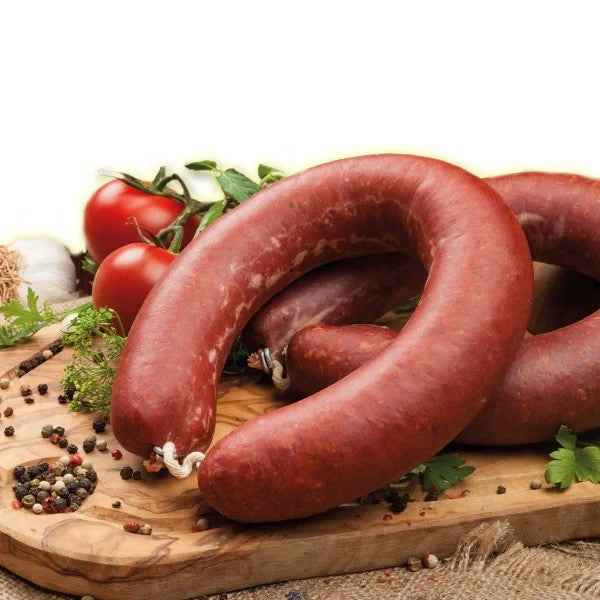
Meat products: Red meat, chicken, and fish are common protein sources.
-
Legumes: Lentils, chickpeas, beans, and bulgur are staples in everyday cooking.
-
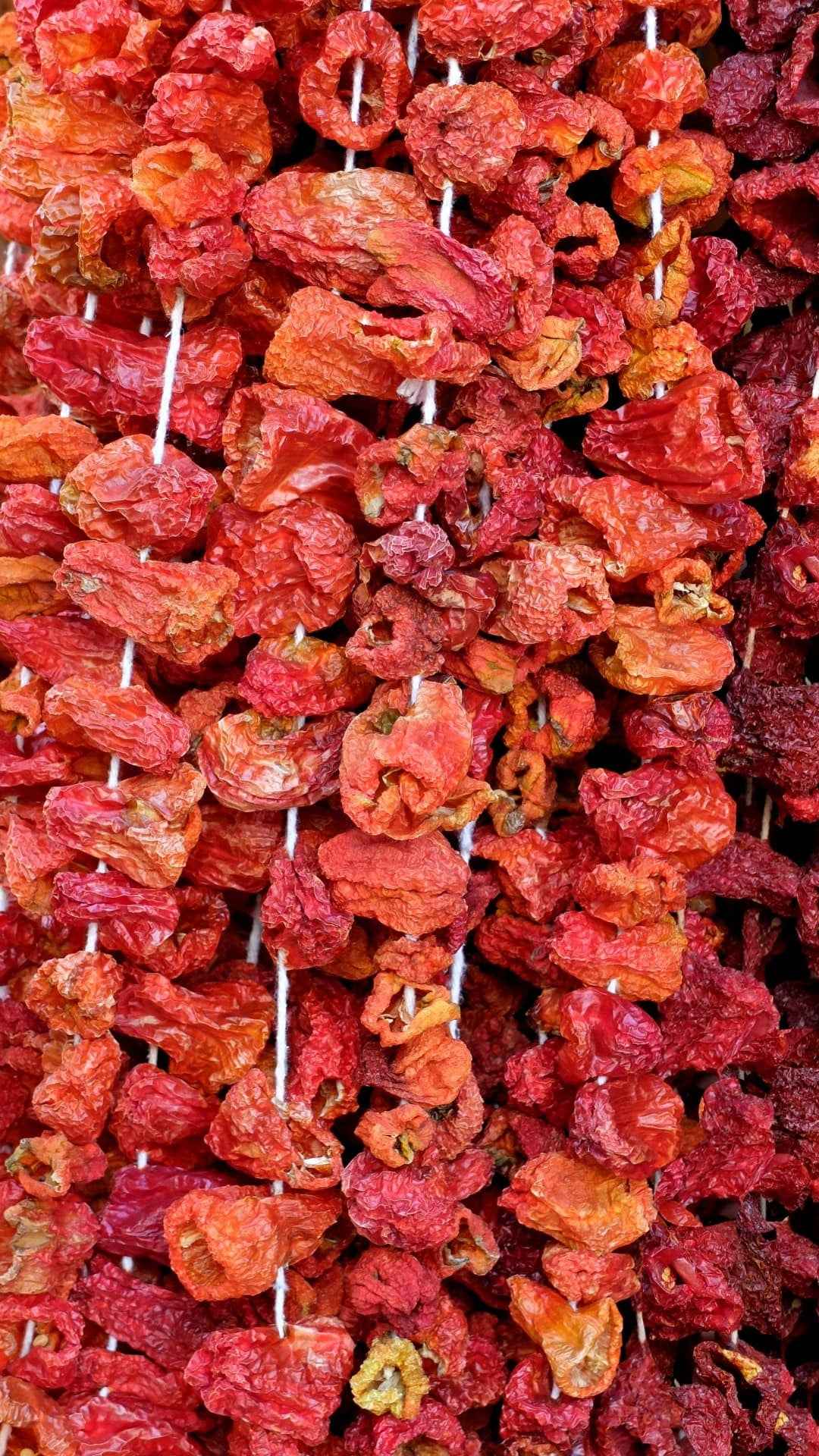
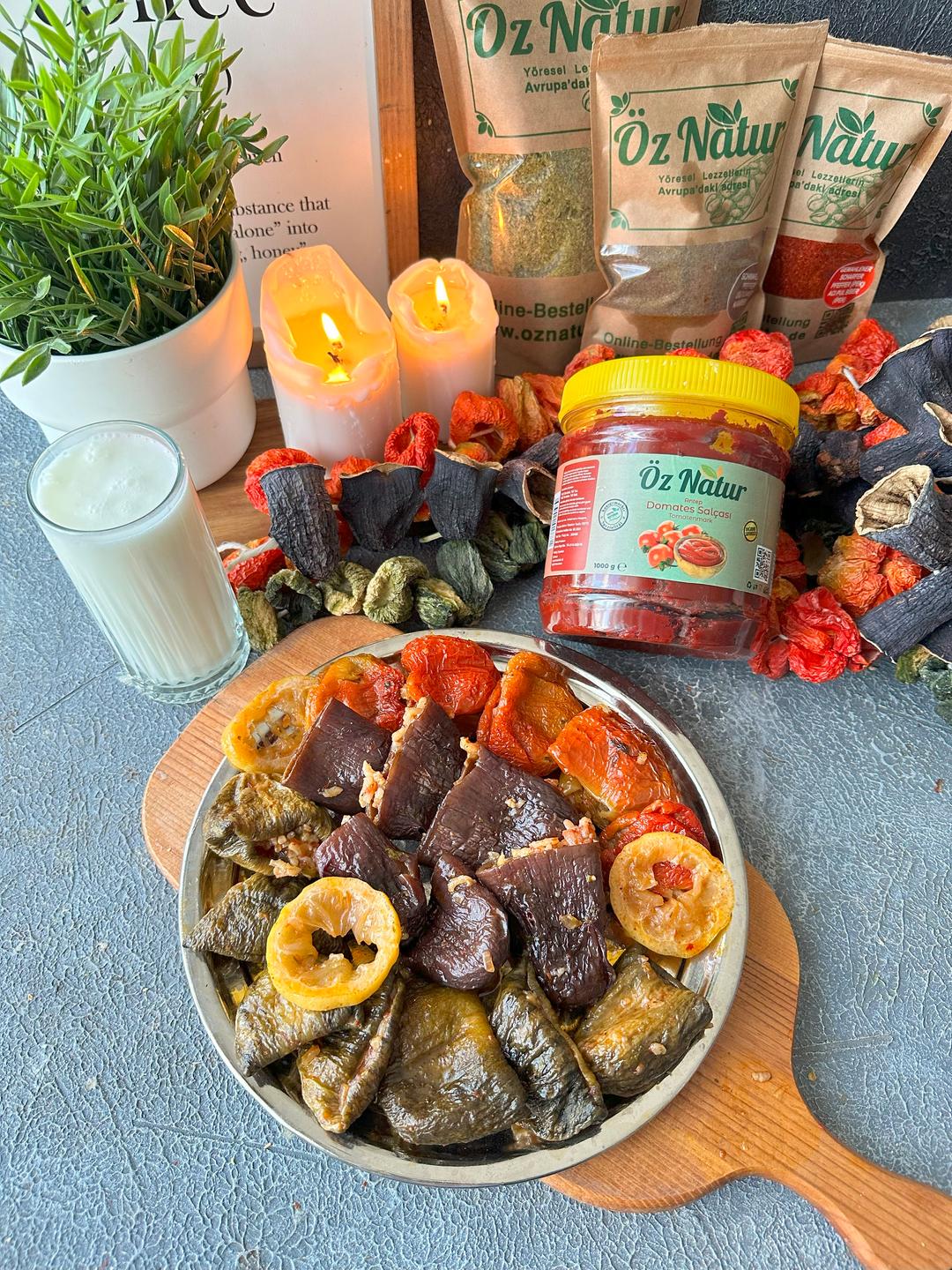
Vegetables: Fresh green beans, artichokes, purslane, zucchini, peppers, eggplant, tomatoes, cucumbers, potatoes, and onions are frequently used; dried vegetables are also common.
-
Fruits: Oranges, cherries, grapes, pears, apples, peaches, mandarins, apricots, mulberries, bananas, strawberries, figs, and plums are consumed fresh, dried, or as jams/marmalades.
-
Oils: Butter, olive oil, and sunflower oil are primary fats.
-
Pastries: Yeast-based breads, noodles, and other baked goods appear in nearly every meal.
-
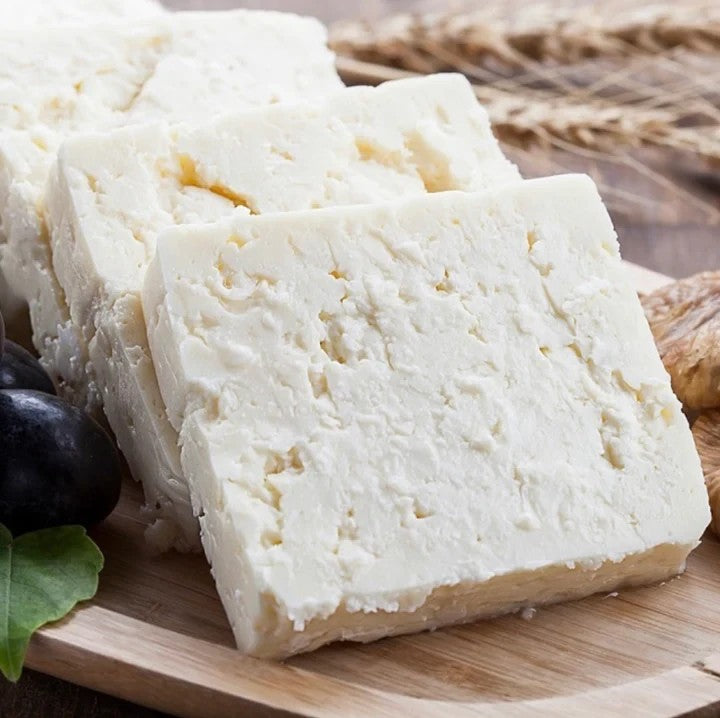
Other animal-based foods: Milk, yogurt, various cheeses, clotted cream, honey, and eggs are widely used.
-
Spices: Black pepper, crushed red pepper, paprika, isot, salt, dried mint, thyme, cumin, turmeric, cinnamon.
-
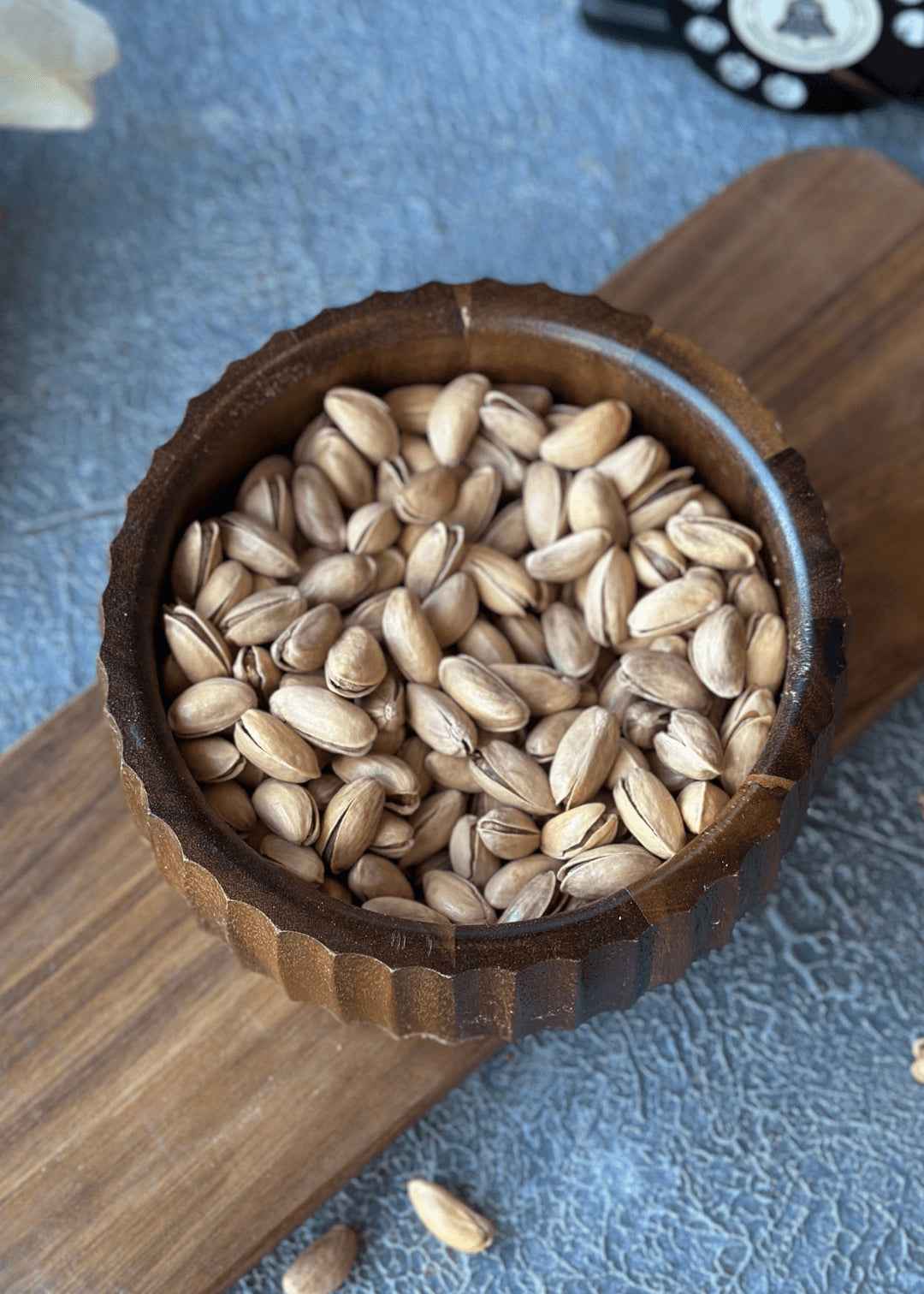
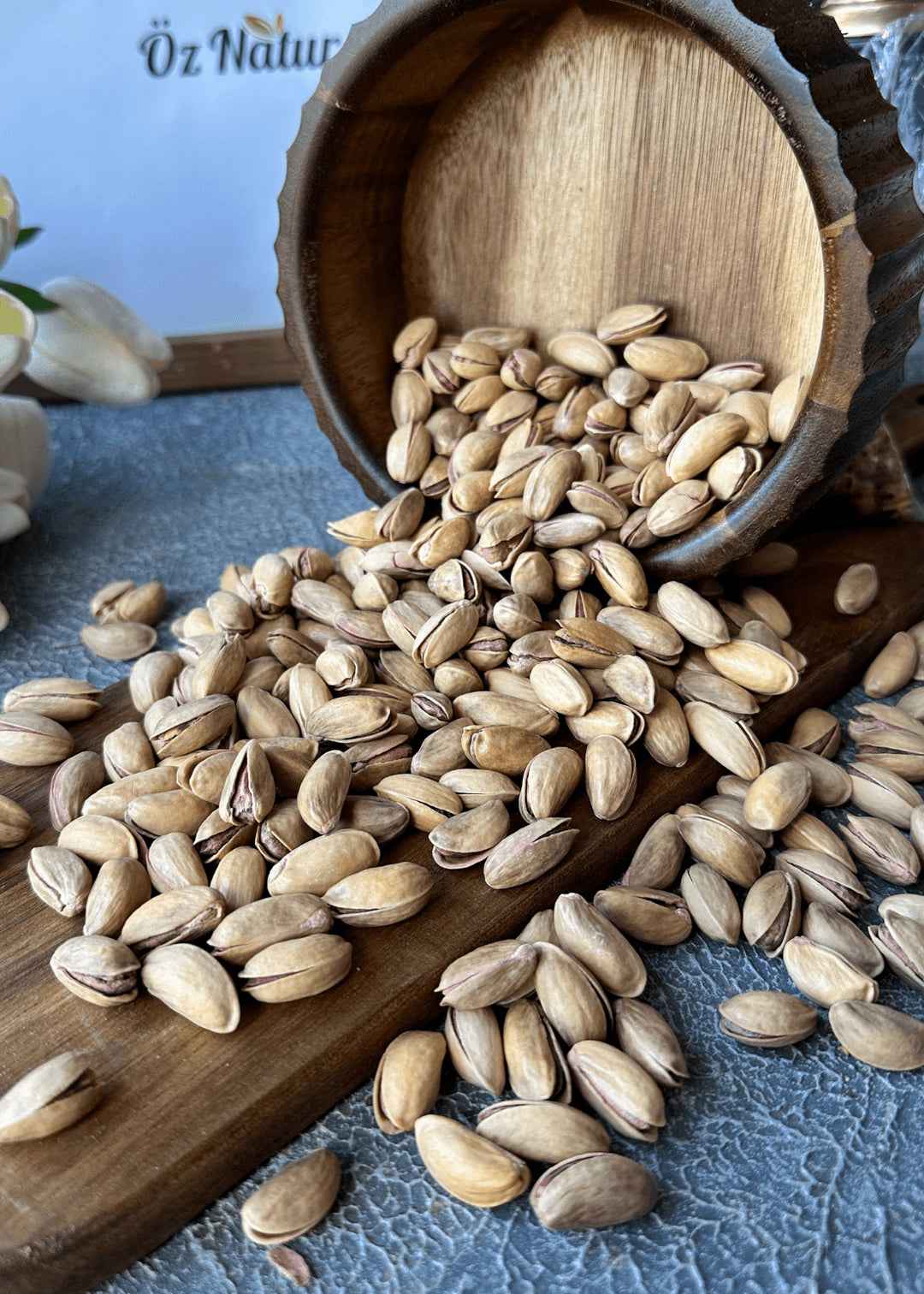
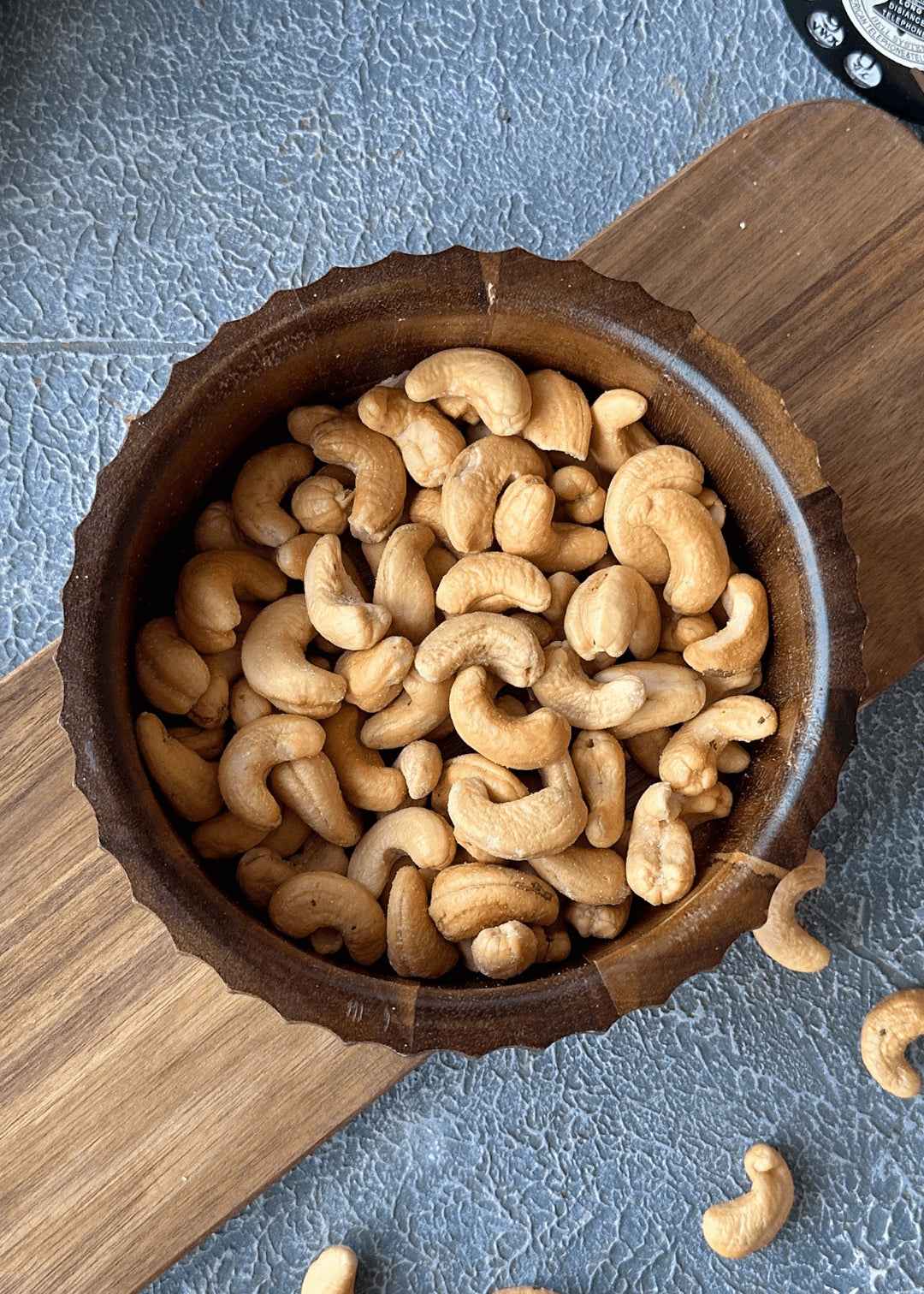
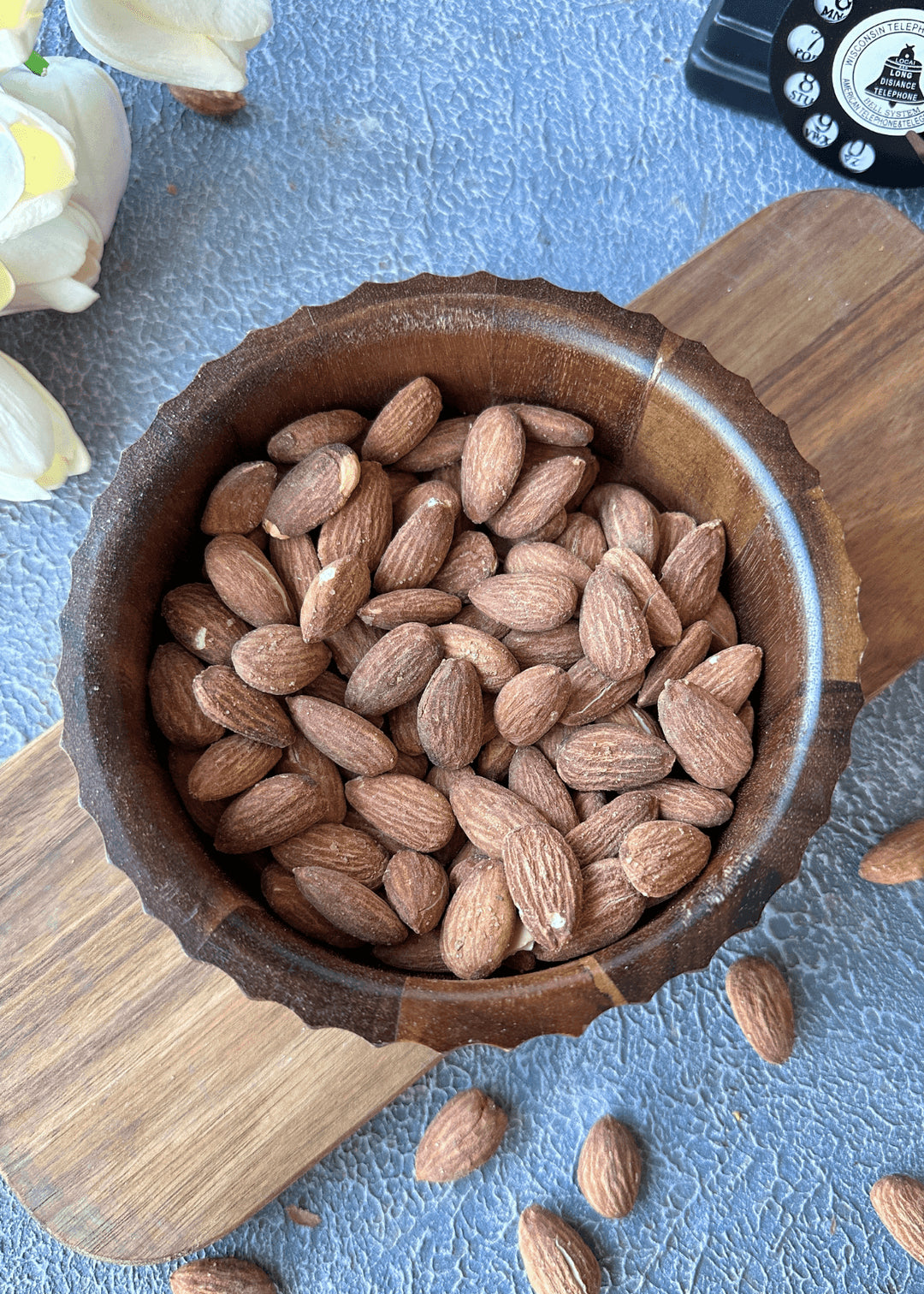
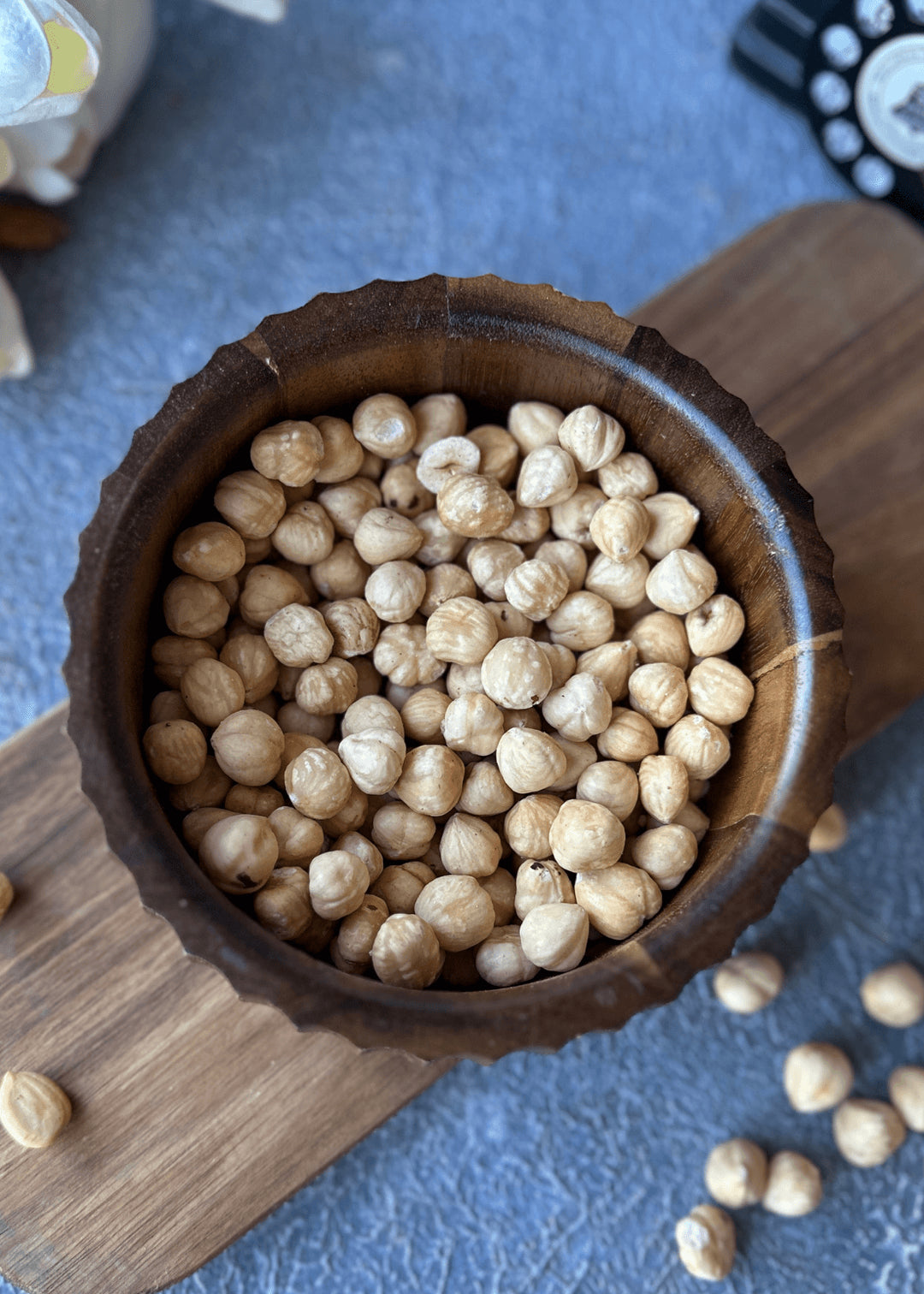
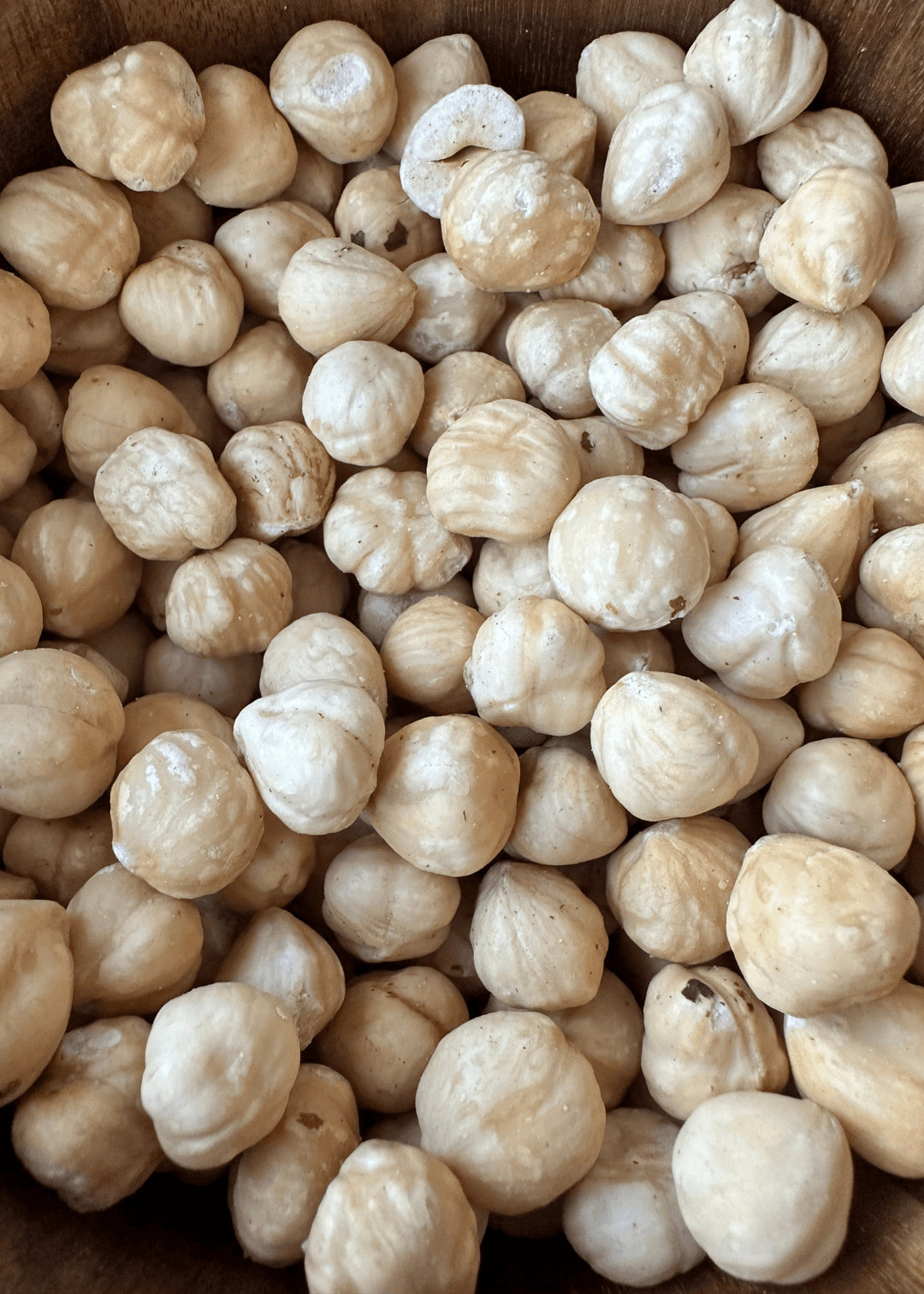
Nuts: Pistachios, peanuts, hazelnuts, almonds, walnuts, pumpkin seeds, sunflower seeds.
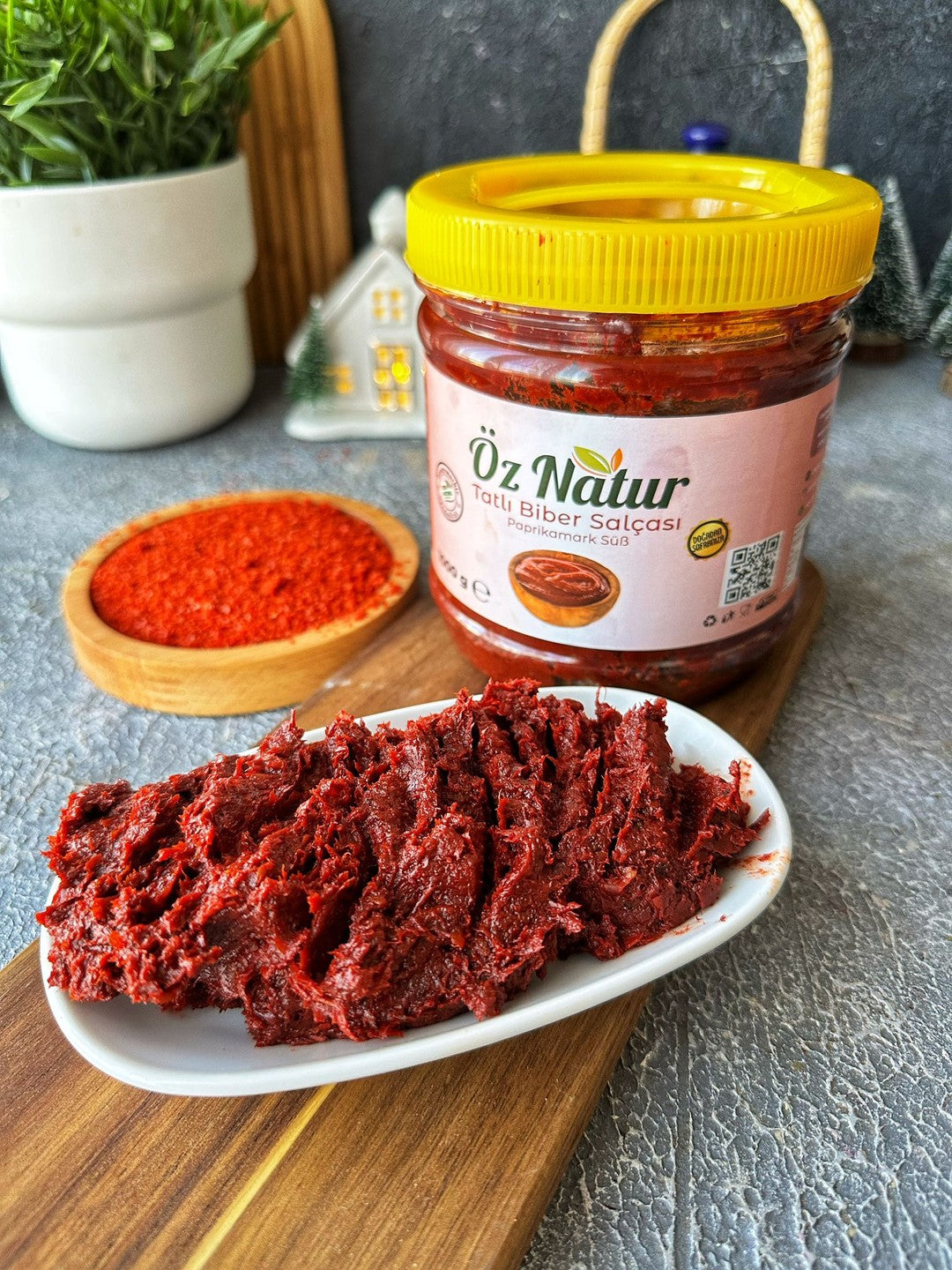
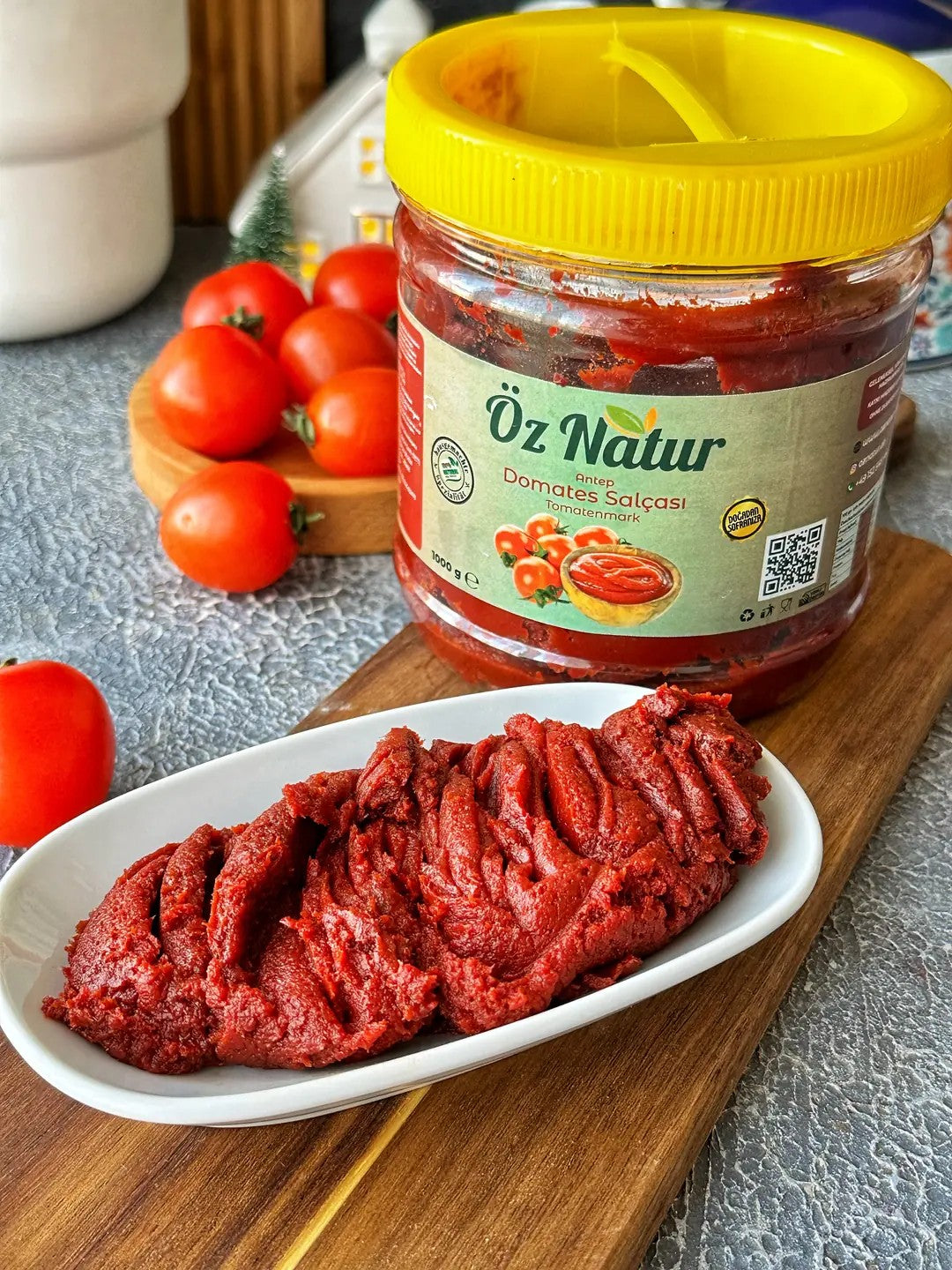
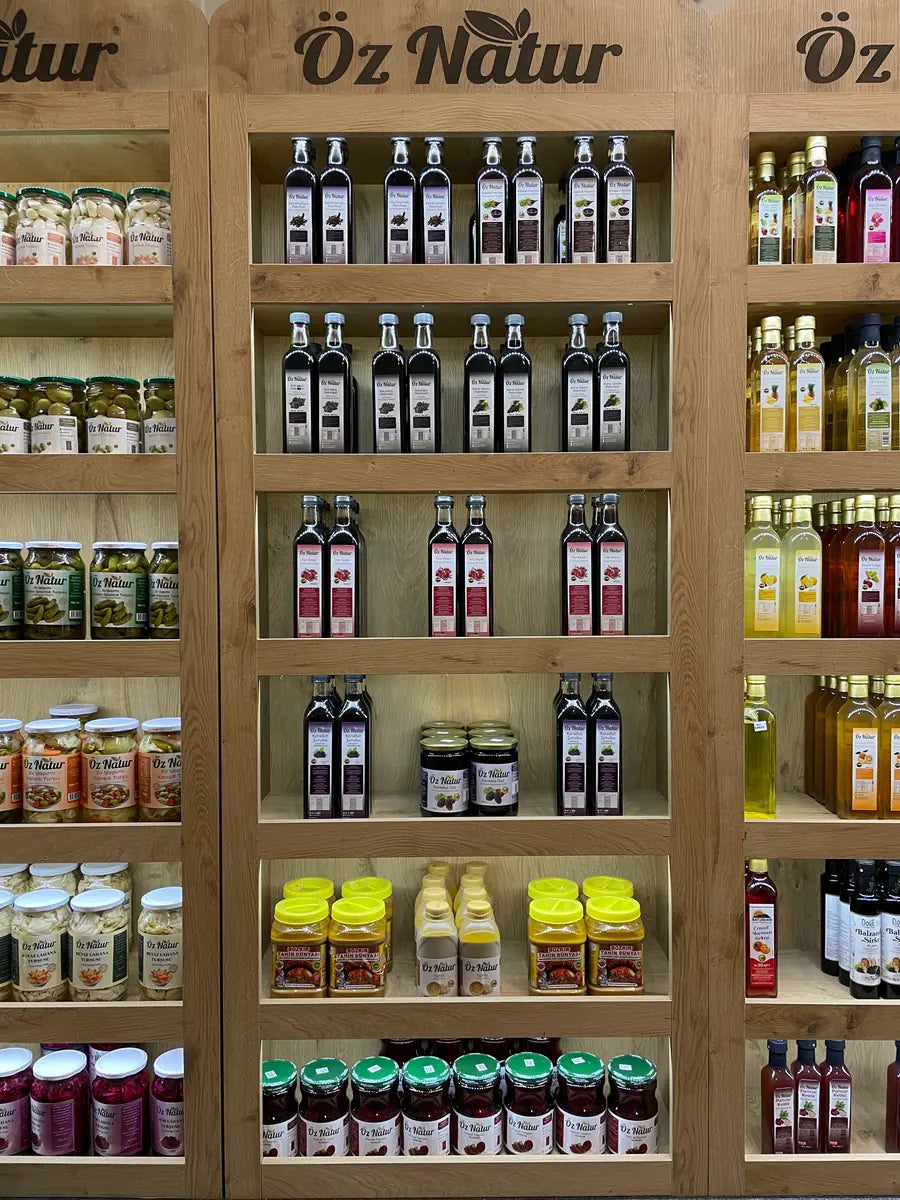
Tomato and pepper pastes provide the base for many dishes. Desserts are also an essential part of the culinary repertoire.
Sources of Richness in Anatolian Cuisine
Turkish cuisine developed alongside settled life and has been influenced by Middle Eastern and Balkan cuisines. The Spice Road, trading networks, and agricultural lands contributed to the diversity of ingredients and cooking techniques.
Popular Turkish Dishes
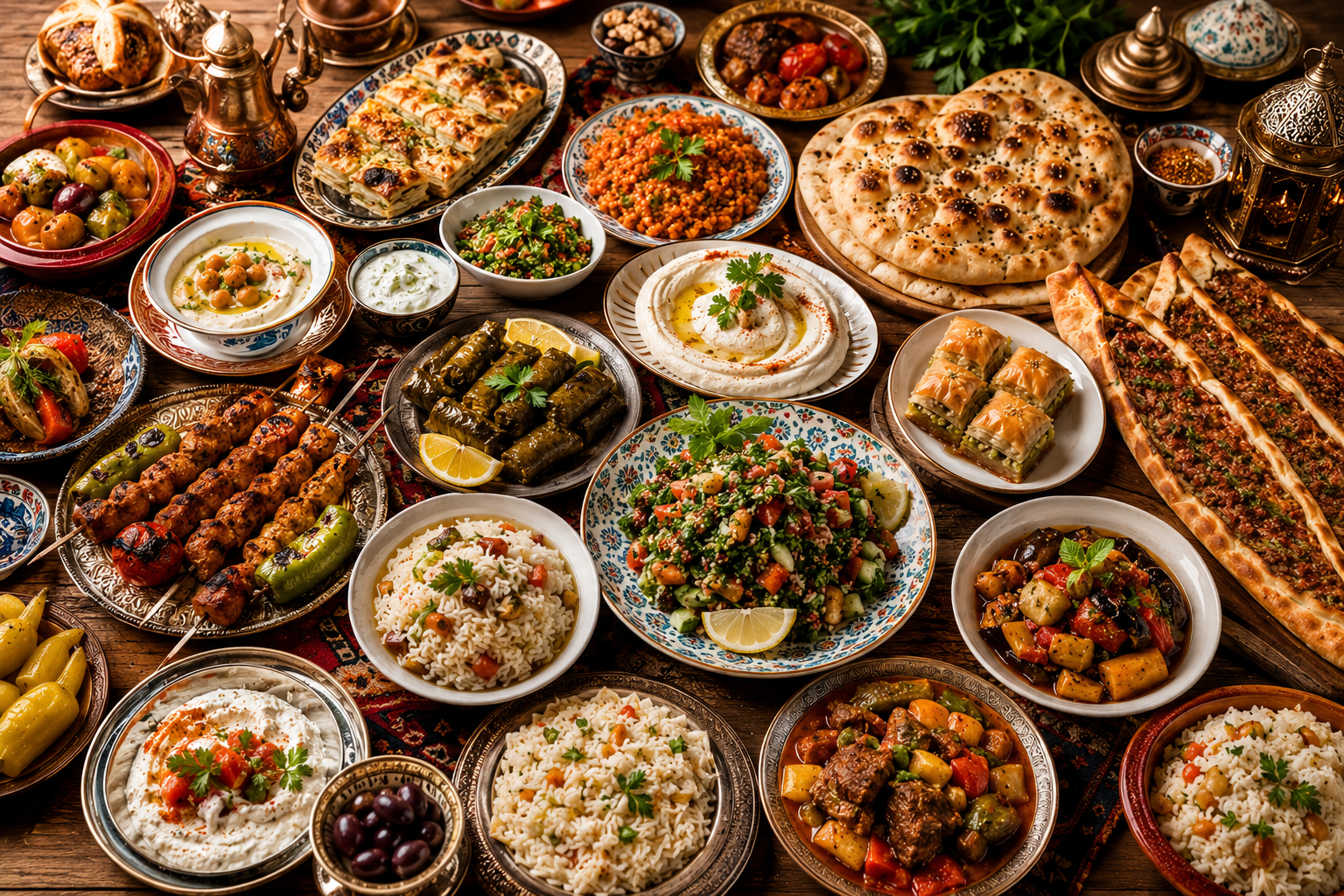
Some widely recognized dishes include:
-
Döner
-
Stuffed meatballs (İçli köfte)
-
Various types of kebabs
-
Olive-oil-based stuffed vegetables and dolmas
-
Grilled fish
-
Oven-baked or stew-cooked meat dishes
-
Regional soups such as ayran aşı and tarhana
-
Desserts like baklava, revani, and other syrup-based sweets
-
Fruit-based beverages like compotes
-
Rice pilaf
-
Offal dishes
Kebabs are particularly popular and are often served with ayran.
Regional Turkish Cuisine
The seven geographical regions of Turkey feature different specialties:
-
Aegean Region: Stuffed zucchini flowers, olive-oil-based dolmas, boyoz, sesame halva, fresh olive-oil vegetables.
-
Marmara Region: Kemalpaşa dessert, chestnut candy, peaches, various meatballs, stuffed lamb.
-
Mediterranean Region: Stuffed meatballs, hummus, kısır, künefe, semolina halva, tarhana soup.
-
Black Sea Region: Rice with anchovies, corn soup, stuffed collard greens, corn bread, kolot cheese, kuymak.
-
Central Anatolia: Meat flatbreads, katmer, various pastries, simit.
-
Eastern Anatolia: Herb cheeses, kete, sac-cooked meat, flat kadayıf, cağ kebab.
-
Southeastern Anatolia: Isot pepper, raw meatballs, kebabs, pistachio desserts.
Many dishes vary by region, and some are considered "famous" in multiple regions.
Popular Turkish Drinks
Turkish coffee and ayran are the most famous beverages. Other widely consumed drinks include boza, şalgam, kefir, and compote.
Popular Turkish Desserts
Künefe and baklava are among the most popular desserts. Other commonly enjoyed sweets include aşure, sütlaç, güllaç, cezerye, ice cream, and chestnut candy.
Impact of the Ottoman Culture on Turkish Cuisine
During the Ottoman period, the multicultural structure and vast territory contributed to the diversity of ingredients and cooking techniques. Elements from Arab, Persian, and Balkan cuisines merged with local Anatolian traditions, creating the rich culinary heritage found today.