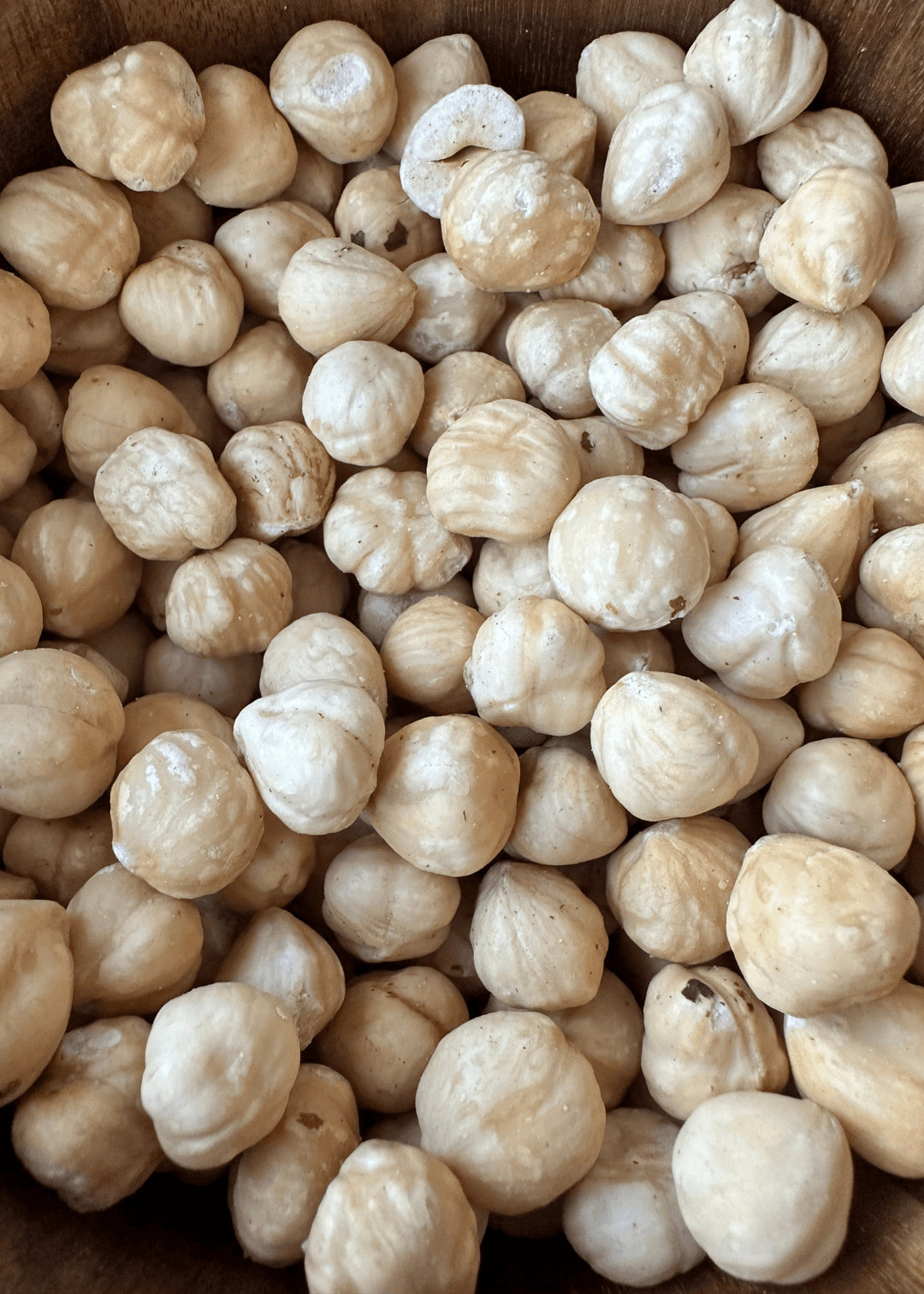


How Many Hazelnuts Should Be Consumed Per Day?
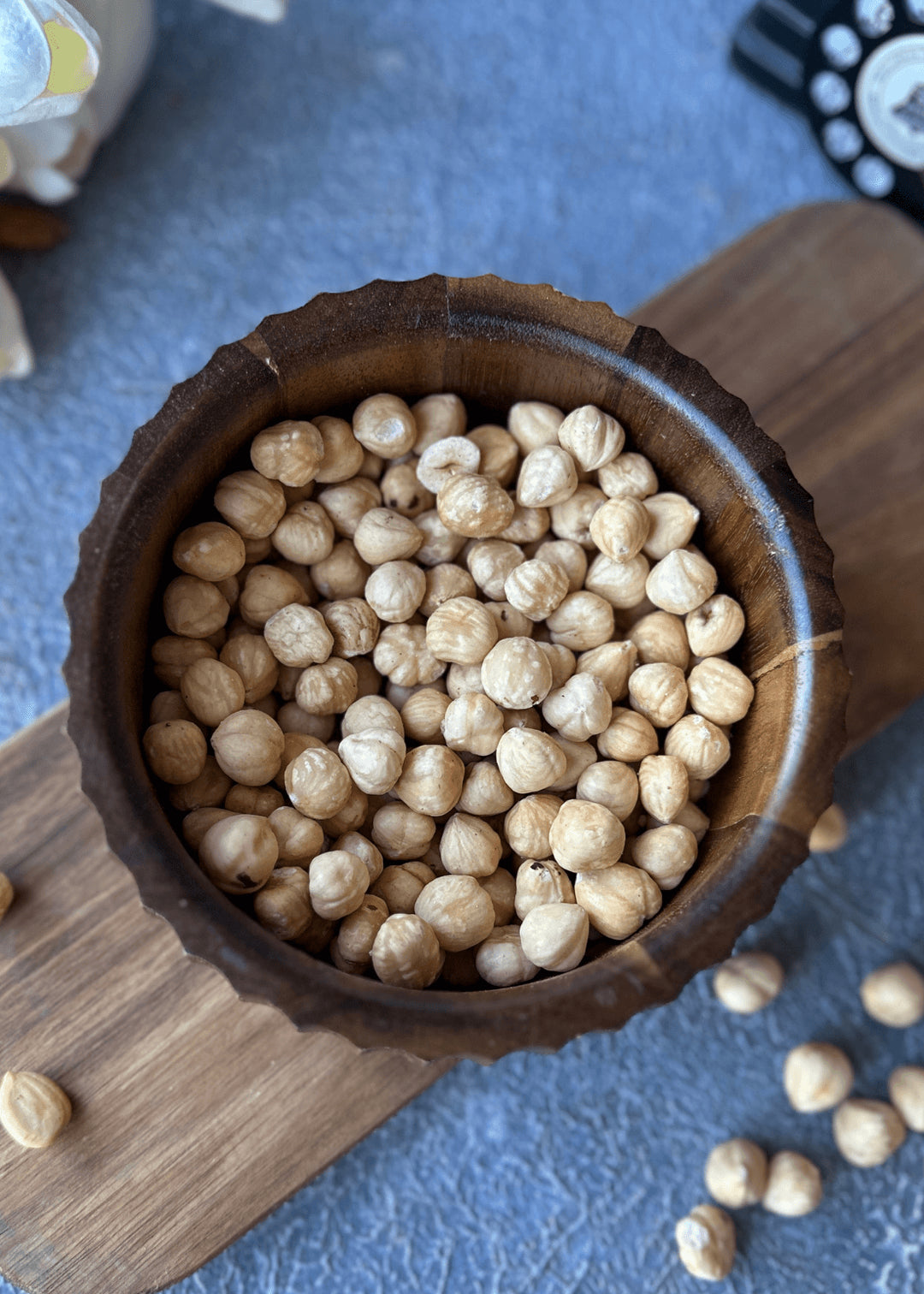
Hazelnuts, grown predominantly in Turkey’s Black Sea region, are nutrient-dense nuts that can be eaten raw or roasted. They are commonly consumed at breakfast, used in snack plates, or added to both sweet and savory recipes. Hazelnuts can be easily incorporated into various dishes and are often preferred as a source of energy during snack times. Their natural fat content helps increase satiety, but due to their high calorie count, portion control is important.
Nutritional Value of 100 Grams of Hazelnuts
One hundred grams of hazelnuts contain approximately 628 calories. This amount provides around 16.7 grams of carbohydrates, 14.95 grams of protein, 60.75 grams of fat, and 9.7 grams of fiber.
A 24-gram serving contains about 151 calories, while a single hazelnut (2 g) equates to roughly 13 calories.
Hazelnuts contain unsaturated fatty acids and plant-based proteins, making them suitable for balanced consumption throughout the day. They also provide vitamins A, C, and E, as well as minerals such as calcium and iron.
How Can Hazelnuts Be Consumed?
Hazelnuts can be added to breakfast cereals, incorporated into sweet or savory recipes, or consumed on their own as a snack. They may be enjoyed roasted or raw; however, raw hazelnuts offer a more pronounced natural aroma for use in recipes. In many traditional cuisines, hazelnuts are also enjoyed mixed with dried fruits—especially during the winter months.
Desserts That Can Be Made With Hazelnuts
Hazelnuts are commonly used in dessert recipes to add both crunch and flavor. Here are some popular hazelnut-based dessert ideas:
-
Hazelnut Cookies
-
Hazelnut-Filled Kadaif
-
Bite-Sized Hazelnut Pastries
-
Hazelnut Brownie Biscuit
-
Tart
-
Hazelnut Butter
These desserts bring out the distinctive aroma of hazelnuts and are suitable for both special occasions and everyday meals. Hazelnut butter is also a simple alternative, enjoyed at breakfast or used in baking and desserts.