
Olive brine is prepared by combining clean drinking water with a carefully measured amount of salt and using the solution to process olives according to their variety, ripeness, and preparation method. Brining plays an important role in reducing bitterness, supporting fermentation, and preserving olives. However, green and black olives differ in maturity, structure, and processing requirements, so the same brining method is not suitable for every variety.
When preparing olive brine, it is important to use clean water, measure the salt accurately, and select appropriate food-safe containers. An incorrectly calculated salt concentration may interfere with fermentation or cause unwanted changes in olive texture. In addition to salt concentration, acidity, temperature, and processing time must be considered. Even traditional olive preparation methods require controlled conditions to produce consistent results.
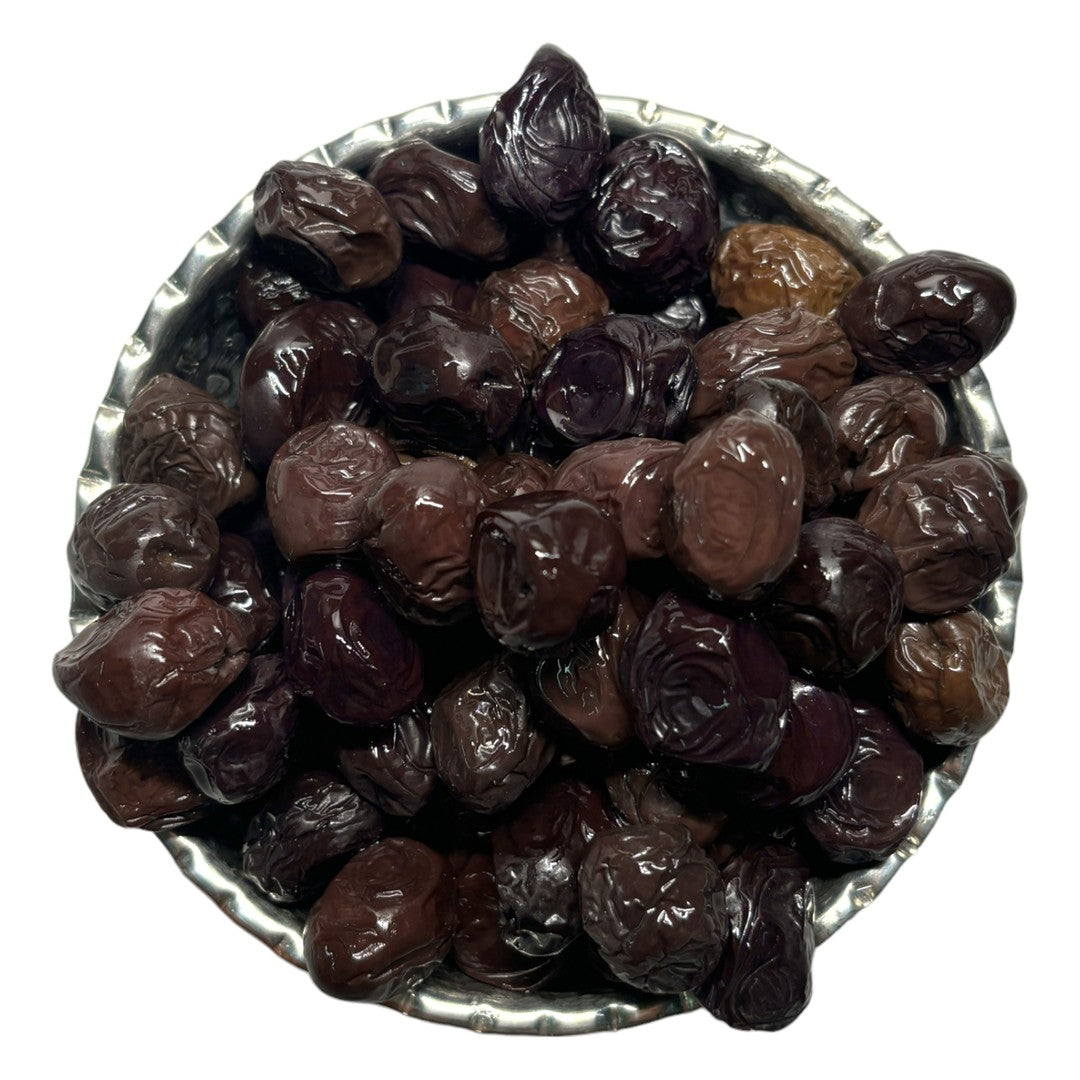
Green olives are commonly processed using methods that include bitterness reduction and fermentation. Black olives, which are harvested at a more advanced stage of ripeness, may require different processing conditions. Some olives are fermented directly in saltwater, while others undergo preliminary treatments. These differences influence the finished olives' color, firmness, saltiness, and aroma.
Preparing olives at home involves more than simply leaving them in salted water. The olives must be processed using a suitable method, reach the necessary acidity conditions, and be stored appropriately. Arbitrary salt or vinegar ratios should not be used for olives intended for extended storage at room temperature. Instead, the preparation method should follow a tested recipe suitable for the specific olive variety.
Which Ingredients Are Used to Prepare Olive Brine?
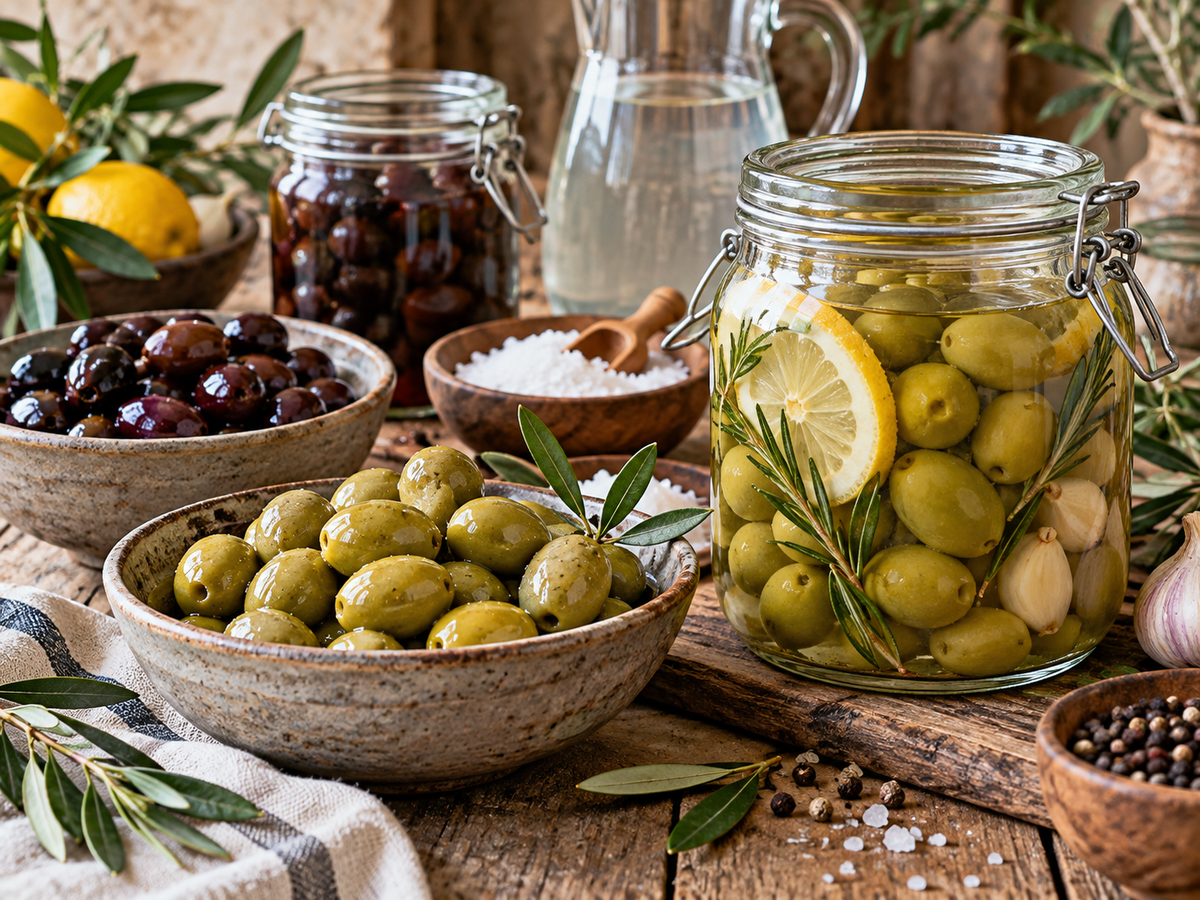
The basic ingredients used to prepare olive brine are olives, drinking water, and salt suitable for food preservation. Depending on the processing method, a tested recipe may also include vinegar, lemon juice, or other food-safe acidifying ingredients. However, these additions are not required for every olive preparation method. In naturally fermented olives, salt concentration and acidity development are especially important.
Selecting suitable olives is the first stage of preparation. Green olives are generally harvested before they are fully ripe and have a relatively firm texture. Black olives are harvested at a later stage of maturity. These differences influence how the olives respond to salt, water, and fermentation. Olives showing mold, decay, severe bruising, or obvious deterioration should not be used.
The salt should be chosen according to the requirements of the preparation method. Salt suitable for brining or pickling can be used, and varieties without unnecessary additives may be preferred. Salt grain size is important when measuring ingredients. Coarse and fine salts may have different weights when measured by volume. Using a kitchen scale to measure salt in grams provides more consistent results.
The preparation container is another important consideration. Food-safe glass jars or containers specifically designed for fermentation and brining should be used. Prolonged contact with certain metals may cause unwanted reactions when salt and acid are present. Containers should be thoroughly cleaned before use, and the olives should remain completely submerged in the brine. A food-safe weight may be used when necessary.
How Should the Salt and Water Ratio Be Adjusted in Olive Brine?
The salt and water ratio in olive brine should be determined according to the olive variety, maturity, and processing method. Whole green olives, cracked olives, slit olives, and black olives may require different brine concentrations. In addition, the brine used during initial fermentation may differ from the solution used for subsequent storage. Therefore, there is no single salt concentration suitable for every type of olive.
Different traditional and commercial olive-processing methods use different salt concentrations. Some processes may involve brines containing approximately 6–10% salt. However, this range should not be treated as a universally suitable or automatically safe recipe for home preparation. Salt movement into the olive flesh, fermentation activity, and acidity development must all be considered together.
Salt concentration should be calculated using weight rather than estimated using spoons or cups. For example, an 8% salt solution by total solution weight would contain 80 grams of salt and 920 grams of water for a final brine weight of 1,000 grams. This is only a mathematical example, not a recommended formula for every olive variety. Once olives are added, water and salt move between the fruit and the brine, meaning the initial salt concentration alone does not establish the safety of the finished product.
Acidity is also an essential consideration in olive processing. During natural fermentation, the required acidity must develop under appropriate conditions. Simply adding lemon juice or vinegar does not automatically make an untested brine safe. Salt concentration, pH, temperature, and processing time must be evaluated together. Olives intended for long-term storage should be prepared using a reliable, tested preservation method rather than relying solely on flavor or appearance.
Are the Brining Methods Different for Green and Black Olives?
Brining methods may differ considerably between green and black olives. Green olives are usually firmer and less mature, which means their bitterness reduction and fermentation processes may require specific preparation methods. Black olives are generally more mature and may have different textures, colors, and moisture characteristics. Consequently, the same salt concentration and processing duration should not automatically be applied to both types.
Green olives can be prepared using cracked or slit olive methods. These techniques create openings in the olive flesh that allow the brine to reach the interior more easily. Some preparation methods also involve changing the soaking water to reduce bitterness. However, the duration of these treatments and the composition of the subsequent brine depend on the olive variety and processing method. Excessive or uncontrolled soaking can affect firmness and texture.
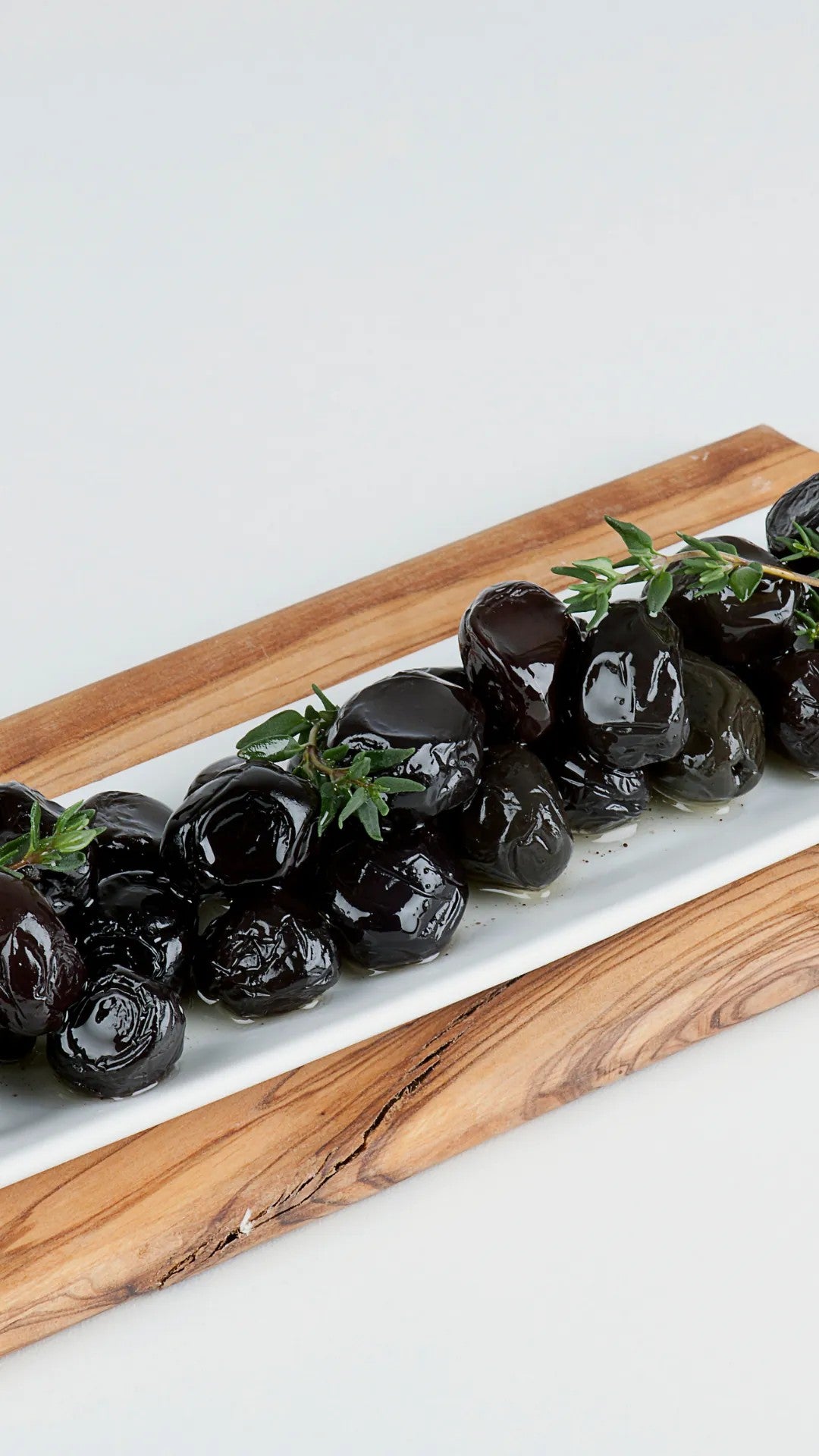
Black olives may be processed using brining, dry salting, or other traditional methods. Because mature olives can have a more delicate texture, their processing conditions must be selected carefully. Some varieties are fermented in salted water, while others are prepared by layering olives with salt. These methods can produce different results in terms of flavor, color, saltiness, and consistency.
For both green and black olives, the desired texture and flavor should be considered when choosing a preparation method. Green olives are often served with a relatively firm texture, while black olives may be softer depending on the variety and processing technique. However, texture preferences do not replace the need for reliable salt concentrations and processing conditions. A tested method specifically developed for the olive variety should be followed when preparing olives at home.
How Should Olive Brine Be Stored and How Can Spoilage Be Identified?
Olive brine should be stored according to the preparation method and whether fermentation has been completed. Homemade olives that have not undergone a verified process suitable for long-term room-temperature storage should be kept under the refrigerated conditions specified by a reliable recipe. Tightly sealing the jar, adding a layer of olive oil, or increasing the salt concentration does not automatically make the olives safe for extended storage.
Olives should remain fully submerged in their brine during storage. Olives exposed above the liquid surface have greater contact with air, which may encourage undesirable surface changes. Containers should be kept clean, and clean utensils should be used whenever olives are removed. Adding extra water or other liquids without following the recipe may change the salt concentration and acidity balance.
Possible signs of olive spoilage include mold growth, a slimy texture, noticeably unpleasant odors, unusual discoloration, and unexpected excessive softening. However, natural fermentation may also produce gas or a certain amount of cloudiness without necessarily indicating spoilage. These changes must be interpreted in the context of the specific preparation method. Olives showing suspicious signs should not be tasted to check whether they are safe.
The safety of olives cannot be determined solely from their appearance or smell. This is particularly important for homemade olives when the pH, salt concentration, or processing conditions are unknown. A normal appearance does not guarantee that the product is safe to consume. Olives showing mold or clear signs of spoilage should be discarded, and products with uncertain preparation conditions should not be consumed. Suitable brining methods, controlled processing, and proper storage are essential for maintaining the intended color, texture, and aroma of olives.