
Dried apricot pudding is prepared by adding chopped or pureed dried apricots to a classic milk pudding base. The intense aroma of dried apricots combines with the soft texture of pudding and creates a different presentation in both color and flavor. The key point is to soften the dried apricots correctly, protect the pudding consistency, and use the fruit in a balanced amount.
Dried apricots should be prepared before being added directly to milk desserts. Very firm apricots may not soften enough inside the pudding and can feel hard when eaten with a spoon. For this reason, dried apricots can be soaked briefly in lukewarm water and then drained well. If they will be used as puree, they should be softened more thoroughly.
The consistency of the pudding may change when dried apricots are added. If the apricots are added with too much water, they can thin the mixture. If they are added as a very dense puree, they can change the flow of the pudding. The amount of dried apricot should be suitable for the milk, starch, and flour ratio of the recipe. It is enough to add enough fruit to make the flavor noticeable without disturbing the basic texture of the pudding.
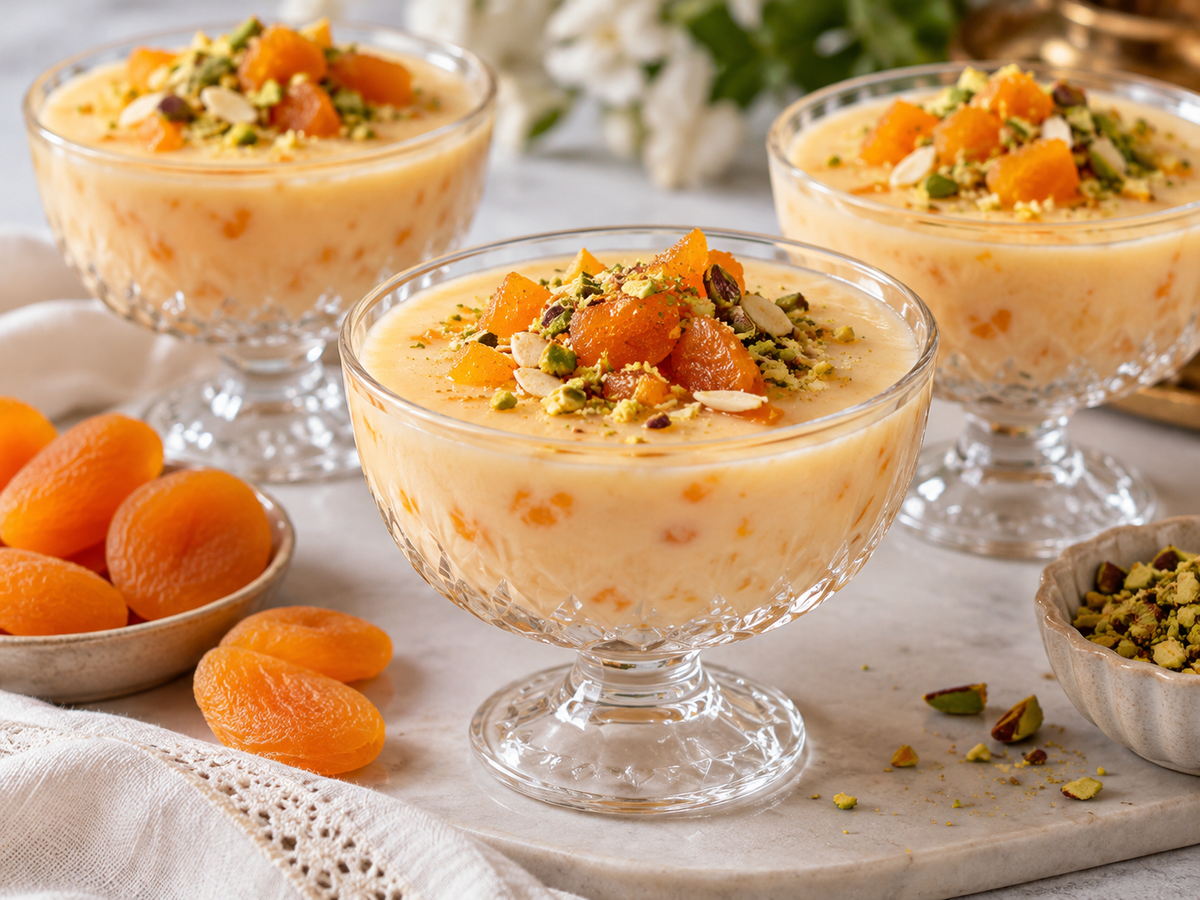
Dried apricot pudding can be served in bowls, dessert cups, or small glasses. Finely chopped dried apricots, pistachios, almonds, hazelnuts, or cinnamon can be added on top. However, the garnish should not cover the simple structure of the dessert. The light color of the pudding and the warm tone of dried apricots create a balanced visual appearance together.
Which Ingredients Are Used for Dried Apricot Pudding?
The basic ingredients for dried apricot pudding are milk, sugar, starch, flour or rice flour, dried apricots, and optionally vanilla. Milk forms the base of the pudding. Starch and flour provide consistency. Dried apricots add fruit aroma and color to the dessert. The ratio of these ingredients determines how thick or soft the pudding will be.
The choice of dried apricots affects the result of the recipe. Very hard, overly dried, or unpleasant-smelling apricots may not give a good result in the dessert. Softer and more evenly textured dried apricots are easier to chop or puree. Their color and texture should be checked before use, and they can be rinsed briefly if needed.
Vanilla, a small amount of cinnamon, or orange zest can be added as supporting aromas. However, these additions should not overpower the flavor of dried apricots. Vanilla creates a softer transition, while cinnamon gives a more noticeable aroma. Orange zest can add a fresher fragrance. These ingredients should be used in moderation.
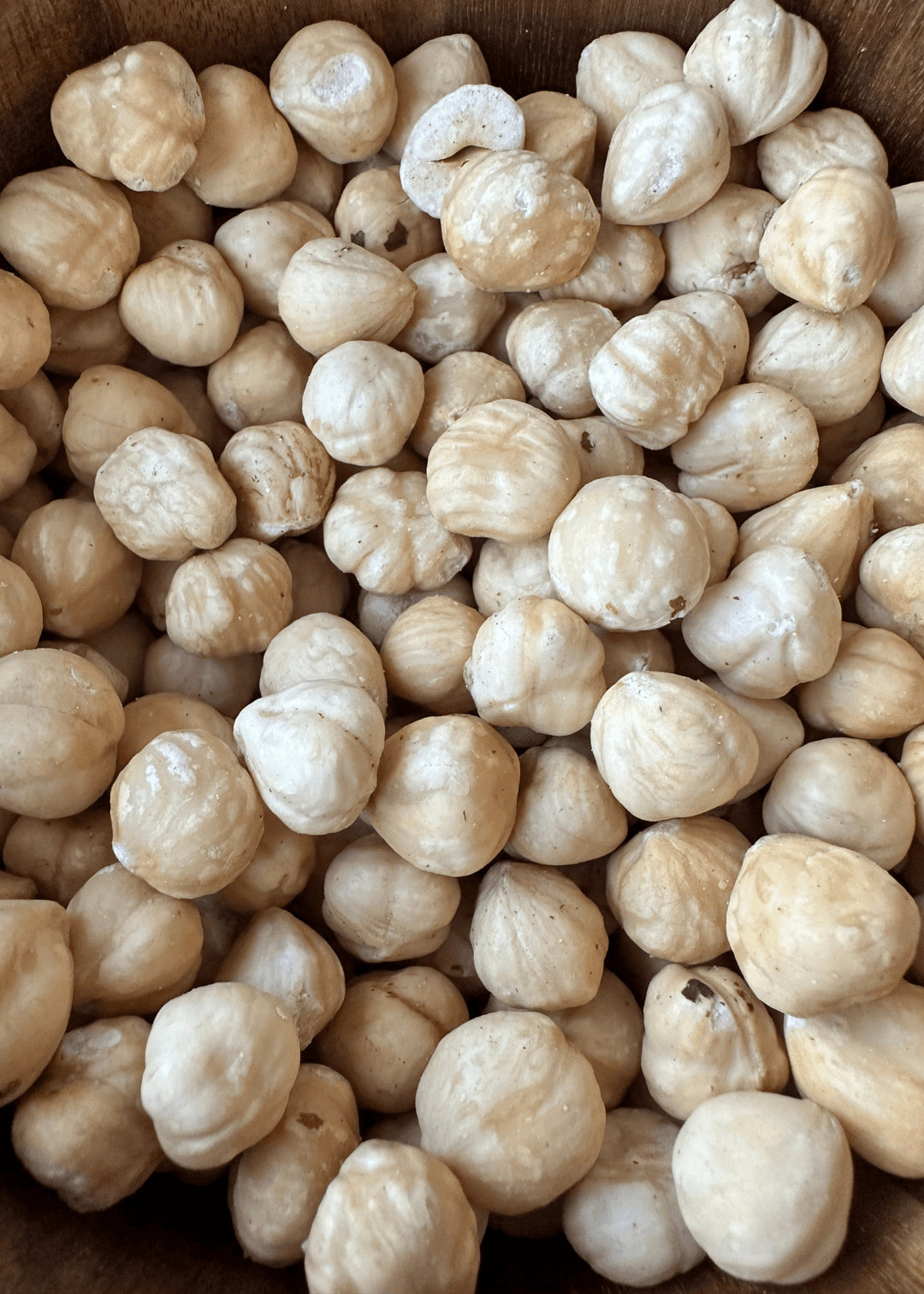
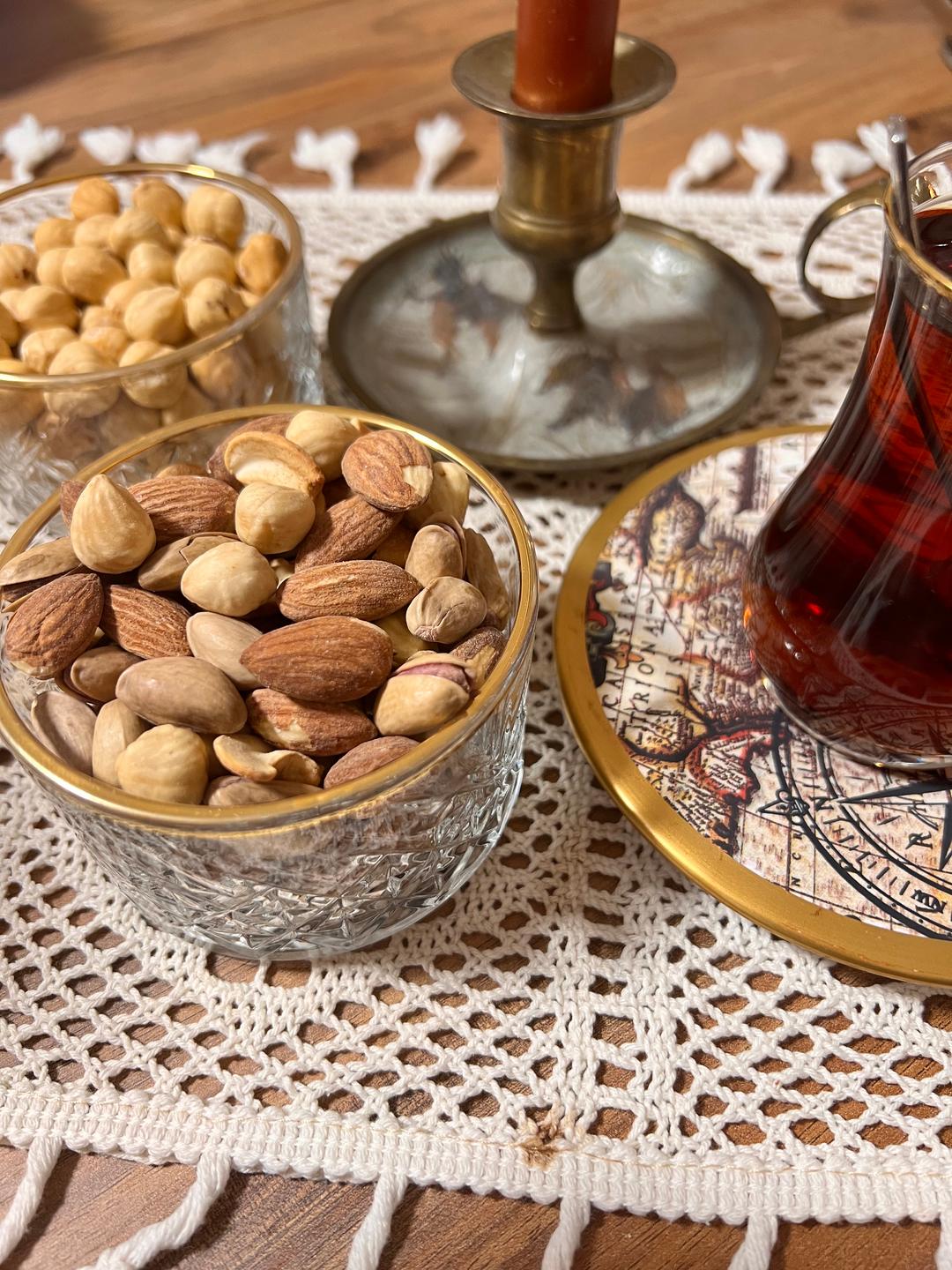
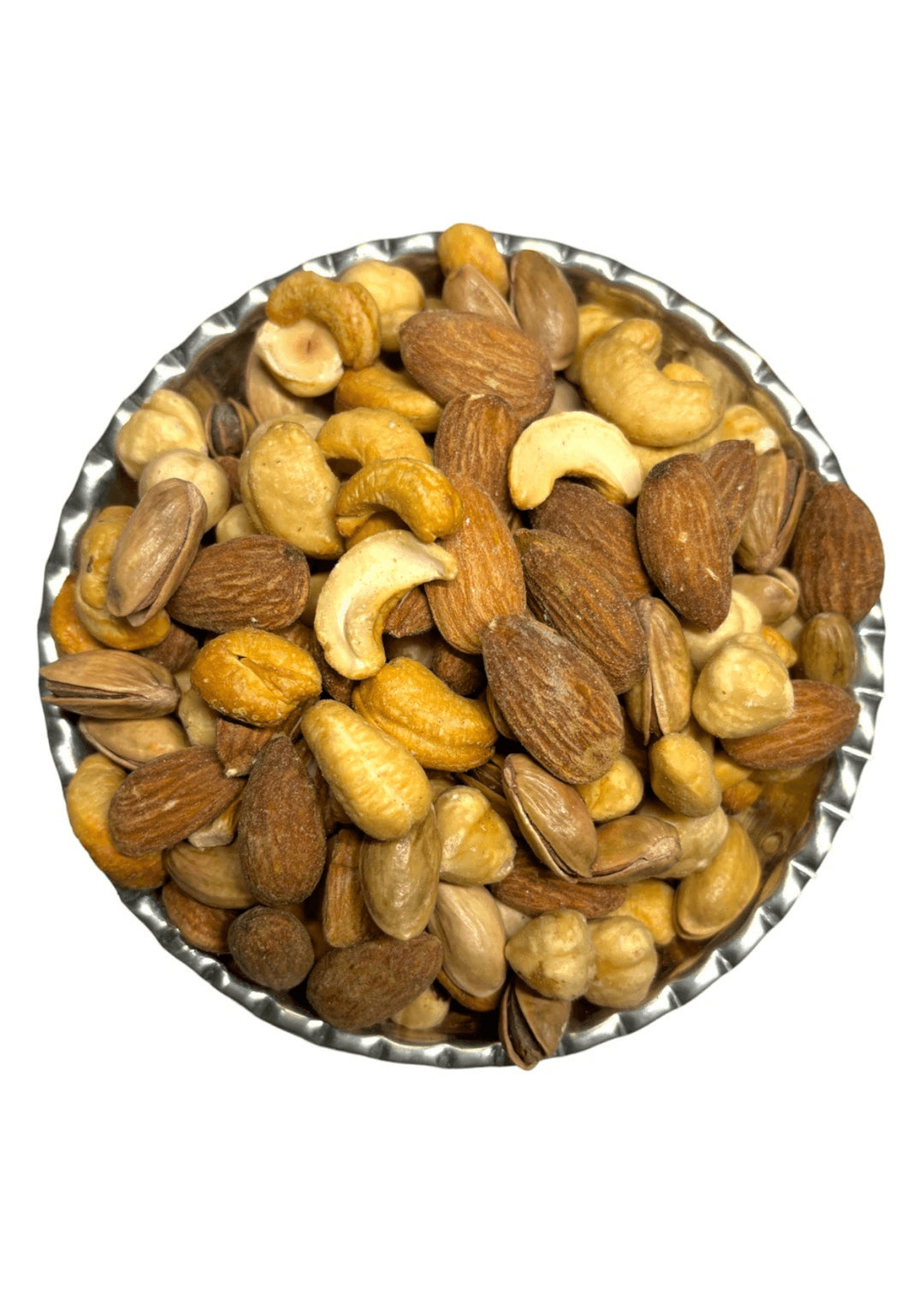
For garnish, pistachios, sliced almonds, finely ground hazelnuts, or small apricot pieces can be used. In milk desserts, the amount of topping should be controlled. Too many nuts or too much fruit can make the surface look crowded. A small amount that adds color and texture is usually enough for a neat presentation.
How Should Dried Apricots Be Prepared Before Adding Them to Pudding?
Dried apricots should be cleaned and softened according to their firmness before being added to pudding. They can be placed in a strainer and rinsed briefly. If they are very firm, they can be soaked in lukewarm water for 10 to 15 minutes. This makes them easier to chop or puree. However, soaking them for too long can weaken their aroma.
Excess water should be removed after softening. Wet apricots can thin the pudding mixture if added directly. They can rest briefly on a paper towel or drain well in a strainer. Especially if they will be used in small pieces, their surface should not remain too wet. This helps protect the consistency of the dessert.
Dried apricots can be cut into small cubes or prepared as puree. Cubed apricots create a more noticeable texture inside the pudding. Apricot puree gives the whole pudding a more even color and aroma. The method should be chosen according to the desired presentation. For a smoother dessert, puree can be preferred; for a dessert with pieces, small cubes are more suitable.
If apricot puree is prepared, softened apricots can be mashed with very little water. Too much water should not be added. A dense puree blends better with pudding. If the puree is too runny, it can weaken the consistency. If chopped apricots are used, the pieces should be similar in size so every portion has a more balanced distribution.
How Is Pudding Consistency Balanced with Dried Apricots?
Pudding consistency should be adjusted carefully when dried apricots are used. If dried apricots are added as puree, they give the mixture a dense fruit texture. If cubed apricots are used, small pieces appear inside the pudding. In both cases, the ratio of milk, starch, and flour should be preserved, and the fruit should not be added in a way that weakens the consistency.
The pudding should be stirred constantly while cooking. Starch and flour can easily stick to the bottom of the pot. If apricot puree is used, it can usually be added after the pudding begins to thicken. This helps the puree spread more evenly through the mixture. If cubed apricots are used, they can be added near the end of cooking to prevent the pieces from falling apart too much.
If a very thick pudding is not desired, the amount of dried apricot should be kept moderate. Pureed apricot can make the mixture denser. In that case, the amount of milk can be increased very slightly, but adding too much milk can weaken the structure of the dessert. The best method is to add apricot gradually and check the consistency.
The pudding continues to thicken after it is removed from the heat. For this reason, a pudding that looks too thick during cooking may become firmer after cooling. Dried apricot pudding should be fluid but stable before being poured into bowls. After cooling, the surface should remain smooth, and the pudding should hold together when eaten with a spoon.
How Is Dried Apricot Pudding Served and Garnished?
Dried apricot pudding can be served in small bowls, dessert cups, or glass jars. Glass containers show the color of the dessert and the apricot pieces more clearly. If apricot puree is used, the pudding takes on a warmer tone. If cubed apricots are used, small fruit pieces appear inside the dessert. The serving container can be chosen according to this appearance.
For topping, finely chopped dried apricots, sliced almonds, pistachios, hazelnuts, or a small amount of cinnamon can be used. In milk desserts, toppings should not be too heavy. Too much garnish can cover the simple and smooth appearance of the pudding. A small apricot piece in the center with a little nut around it can be enough for a clean presentation.
The pudding should be completely cooled before it is garnished. If nuts are added while it is warm, they may soften. Apricot pieces can also create a moist appearance on the surface. Garnishing just before serving gives a neater look. If the dessert is prepared in advance, toppings should be kept separate and added at the final stage.
Dried apricot pudding can be served plain. It can be included in tea-time servings, light dessert plates, or small individual portions. Preparing portions that are easy to eat with a spoon makes serving more practical. Using apricot, almond, or pistachio in measured amounts creates a balanced look in both color and texture.