
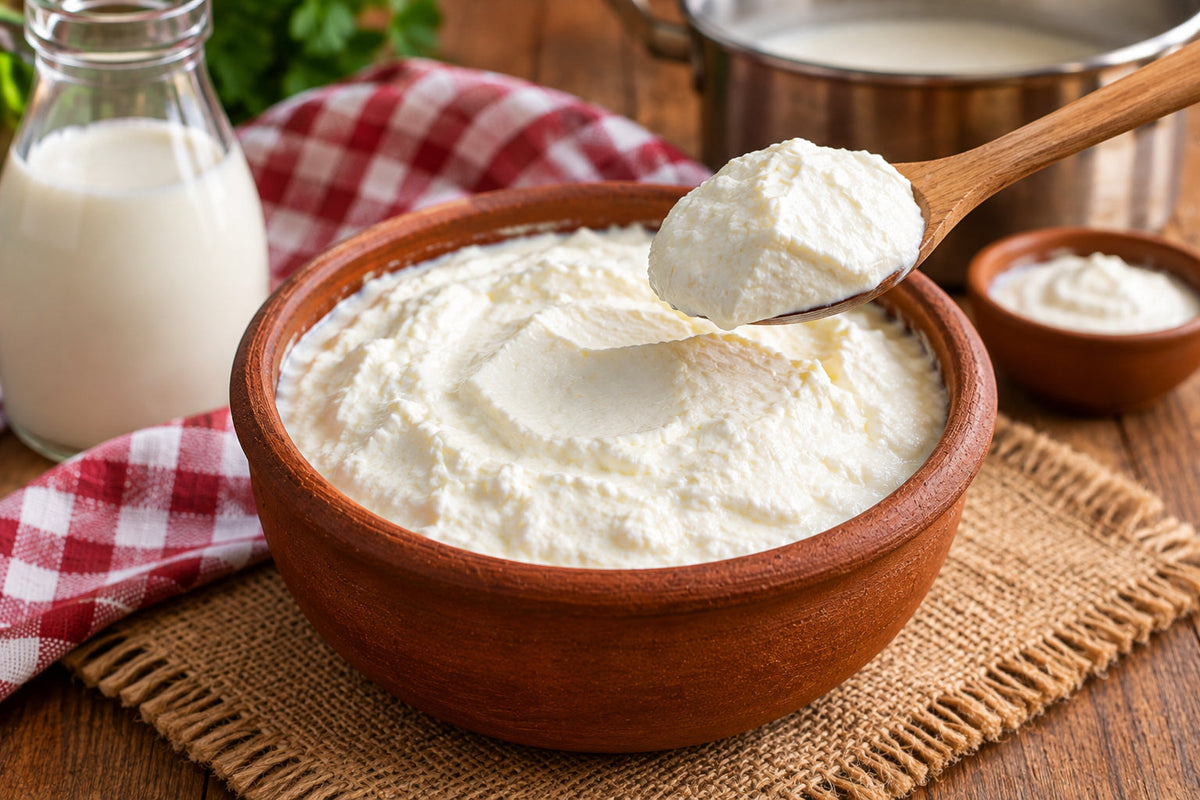
To make homemade yogurt thick and firm, choose milk with a suitable protein and total solids content, maintain the correct fermentation temperature, control the incubation time, and refrigerate the yogurt without disturbing it after fermentation. Incubating milk at approximately 42–45°C (108–113°F) and using an appropriate amount of active yogurt starter can help produce a firm, smooth, and consistent texture. However, yogurt thickness depends on more than temperature alone. Milk composition, starter culture quality, and cooling conditions also influence the final result.
One common problem when making yogurt at home is that the finished product does not become as firm as expected. Sometimes the yogurt remains soft, while in other cases a noticeable layer of liquid collects on the surface. These outcomes can have different causes. Milk that is too hot or too cool when the starter is added, inactive cultures, and an unsuitable fermentation period can all affect how the yogurt sets.
Selecting the right milk is an important starting point. Whole milk often produces a richer and creamier yogurt, but fat content is not the only factor responsible for firmness. Milk proteins and total milk solids play a particularly important role in forming the yogurt's structure. Heating the milk appropriately before fermentation can also change the behavior of certain proteins and help create a stronger yogurt gel.
What happens after fermentation matters as well. Stirring freshly set yogurt, repeatedly moving its container, or serving it before it has cooled sufficiently can make its consistency appear looser. Once fermentation is complete, the yogurt should be cooled under suitable conditions and allowed to rest in the refrigerator. When milk preparation, fermentation, and cooling are managed properly, homemade yogurt can develop a firm consistency that holds its shape better when scooped with a spoon.
Which Type of Milk Is Best for Making Firm Yogurt?
Milk with a suitable protein and total solids content is preferable when making firm homemade yogurt. Fresh, properly stored whole cow's milk is a common choice because it can produce a full-bodied texture. However, whole milk does not automatically guarantee a firm result. The protein content, processing method, and fermentation conditions also determine how the yogurt sets.
Pasteurized milk is suitable for homemade yogurt. Heating it appropriately before fermentation may help develop a stronger structure. In many homemade yogurt recipes, milk is heated to approximately 85–90°C (185–194°F), held briefly at that temperature, and then cooled to the recommended incubation range. This heating process changes the structure of certain milk proteins, encouraging the formation of a firmer yogurt gel.
Yogurt made with fresh pasteurized milk may have a different texture from yogurt made with ultra-high-temperature (UHT) milk. UHT milk has already undergone intensive heat treatment, which alters some of its protein characteristics. As a result, the same preparation method may not produce identical results with both types. When using packaged milk, the manufacturer's storage and handling instructions should be followed. Raw milk should not be used for yogurt preparation without adequate heat treatment.
Some recipes increase firmness by adding milk powder or carefully reducing the water content of the milk through heating. These approaches increase the concentration of milk solids, which can support a thicker consistency. However, they are not necessary for every recipe. Prolonged boiling can change the flavor and texture of the milk. Choosing suitable milk, using an active starter, and maintaining the appropriate fermentation temperature are generally the most important steps to address first.
What Temperature Should Milk Be When Making Yogurt?
Milk is commonly incubated at approximately 42–45°C (108–113°F) when making traditional homemade yogurt. This range is suitable for many thermophilic yogurt cultures. However, the recommended temperature can vary depending on the specific starter being used. When working with a commercially prepared starter culture, the temperature instructions on its packaging should take priority.
If the milk is too hot when the starter is added, the activity of the yogurt bacteria may be reduced or disrupted. Excessively high temperatures can prevent the cultures from carrying out fermentation as intended. If the milk is too cool, fermentation may proceed slowly, and the yogurt might not set within the expected period. For more consistent results, a kitchen thermometer is more reliable than estimating the temperature by touch.
When milk has been heated to a high temperature before fermentation, it should be allowed to cool before the starter is added. The starter can first be mixed with a small amount of warm milk in a separate bowl until smooth. This mixture can then be stirred gently into the remaining milk to help distribute the cultures evenly. If plain yogurt is being used as the starter, it should contain live, active cultures.
Maintaining an appropriate temperature throughout incubation is also important. Traditional methods sometimes involve wrapping the yogurt container to reduce heat loss. A yogurt maker can provide more consistent temperature control. However, placing the container in an overheated oven or an uncontrolled warm environment may interfere with fermentation. The objective is to maintain conditions that support the starter cultures rather than continuously increase the temperature of the milk.
How Long Should Yogurt Ferment to Become Thick and Firm?
The incubation time required for firm yogurt depends on the milk, starter culture, and fermentation temperature. Many homemade recipes use an incubation period of approximately four to eight hours, although this is not a universal requirement. Different cultures ferment at different rates, and the stability of the incubation temperature affects how quickly the yogurt develops its structure.
During fermentation, yogurt bacteria convert some of the lactose in milk into lactic acid. As acidity increases, milk proteins interact and form the gel structure responsible for yogurt's characteristic consistency. If fermentation has not progressed sufficiently, the mixture may remain liquid. If it continues for too long, the yogurt can become increasingly sour, and whey separation may become more noticeable. A longer incubation period therefore does not always produce firmer yogurt.
The amount of starter culture also influences fermentation. Too little starter may slow the process, while adding excessive amounts does not necessarily improve firmness. The recommended quantity should be based on the recipe or the starter manufacturer's instructions. The culture must also contain viable and sufficiently active bacteria. A starter that has been stored improperly or is no longer active may not produce the expected result.
The container should remain as undisturbed as possible during incubation. Once the milk begins forming a gel, shaking the container or repeatedly stirring the mixture can damage the developing structure. The end of fermentation cannot always be determined reliably by appearance alone. In controlled yogurt production, acidity is monitored, and cooling commonly begins when the yogurt reaches approximately pH 4.6. For home preparation, following a reliable recipe's temperature, timing, and storage instructions is particularly important.
How Can You Prevent Homemade Yogurt from Becoming Watery?
To reduce whey separation and preserve a firm texture, homemade yogurt should be cooled after fermentation without unnecessary stirring or movement. Once the yogurt gel has formed, vigorous handling can disrupt its protein network and encourage liquid to separate from the solid structure. Leaving the yogurt undisturbed during cooling helps maintain a more uniform consistency.
Freshly fermented yogurt should not remain in a warm environment for an extended period. Once fermentation is complete, cooling should begin promptly. The yogurt should be stored in a refrigerator at 4°C (40°F) or below. Large, deep containers can take longer to cool, so choosing appropriately sized containers can help the yogurt reach a safe storage temperature more efficiently. Keeping the yogurt wrapped in thick towels long after fermentation is complete is not a reliable way to improve firmness.
The consistency may become more stable as the yogurt rests in the refrigerator. For this reason, it is better to assess the texture after adequate cooling instead of repeatedly checking it immediately after incubation. When serving, avoid stirring the entire container unnecessarily. Removing only the required portion with a clean spoon helps preserve the remaining yogurt's structure.
A small amount of whey on the surface does not necessarily mean the yogurt was prepared incorrectly. Milk composition, fermentation conditions, and movement during handling can all contribute to liquid separation. However, yogurt with mold, unusual odors, unexpected discoloration, or other signs of spoilage should not be consumed. Selecting suitable milk, maintaining active cultures, controlling fermentation, and refrigerating the finished yogurt correctly are the most reliable ways to achieve a thick, consistent texture.